
The wrong shape can turn a simple wash day into a daily negotiation. Ends may look thin, waves may widen at the shoulders, or short pieces may escape every ponytail. The useful question is not which cut looks better in a photograph. It is which structure works with your natural texture, styling habits, and patience for trims.
A blunt shoulder length cut keeps most of the perimeter at one level, while a layered cut removes weight at different heights. That small structural difference changes fullness, movement, drying behavior, and the amount of styling needed. Use the comparisons below to choose the tradeoff you would rather manage.
Start With Density, Not Just Strand Thickness
Fine describes the width of each strand, while density describes how many strands grow across the scalp. You can have fine hair with high density, coarse hair with low density, or any combination between them. This distinction matters because a blunt line preserves visible mass at the ends, while layers redistribute that mass through the shape.
If your ends often look transparent or sparse, a blunt shoulder length cut usually creates a stronger edge. Minimal face framing can add softness without taking too much weight from the sides. If your hair is dense and feels heavy, strategic internal or long layers can remove bulk while keeping the perimeter substantial.
Let Your Natural Texture Set the Shape
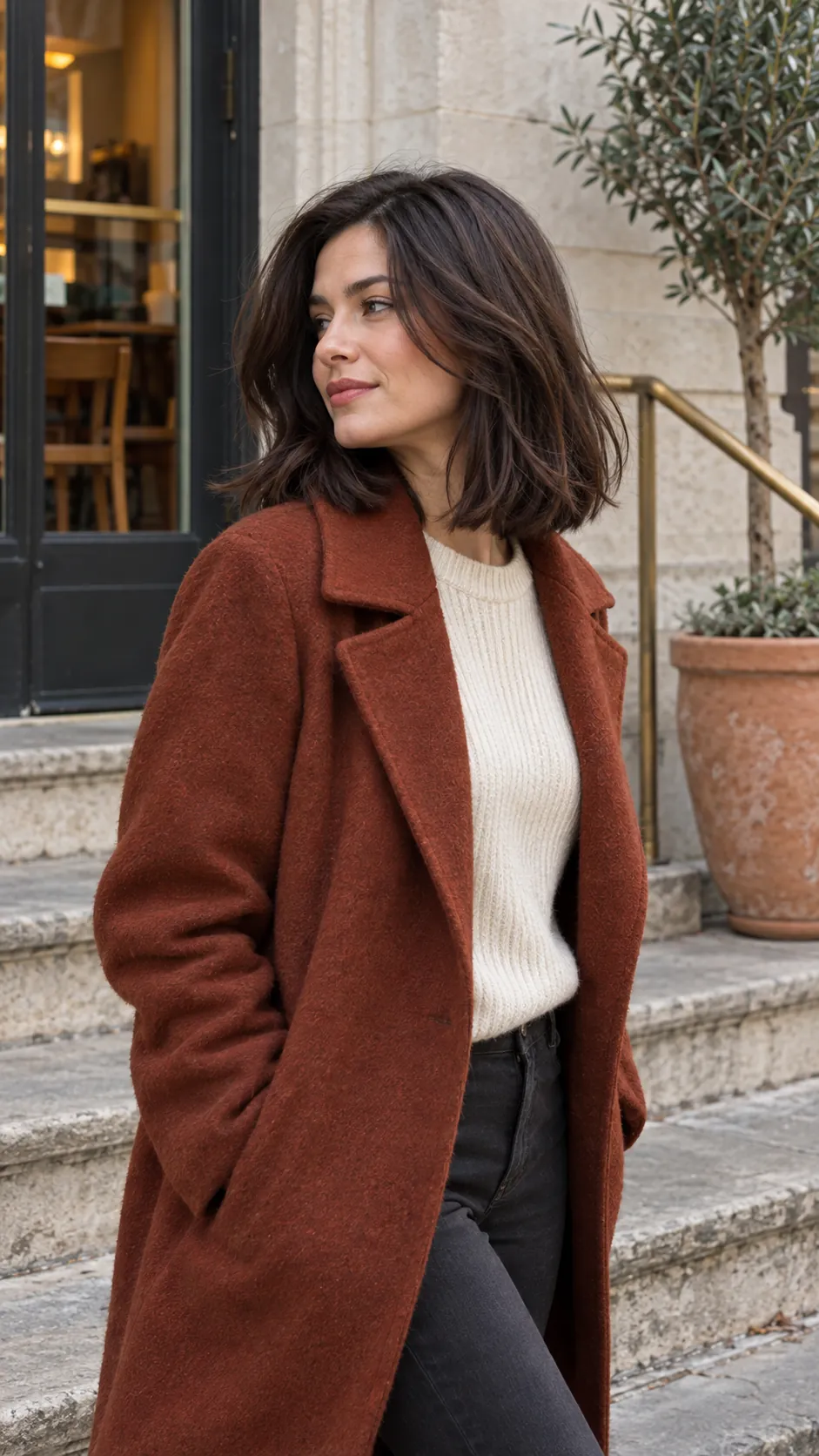
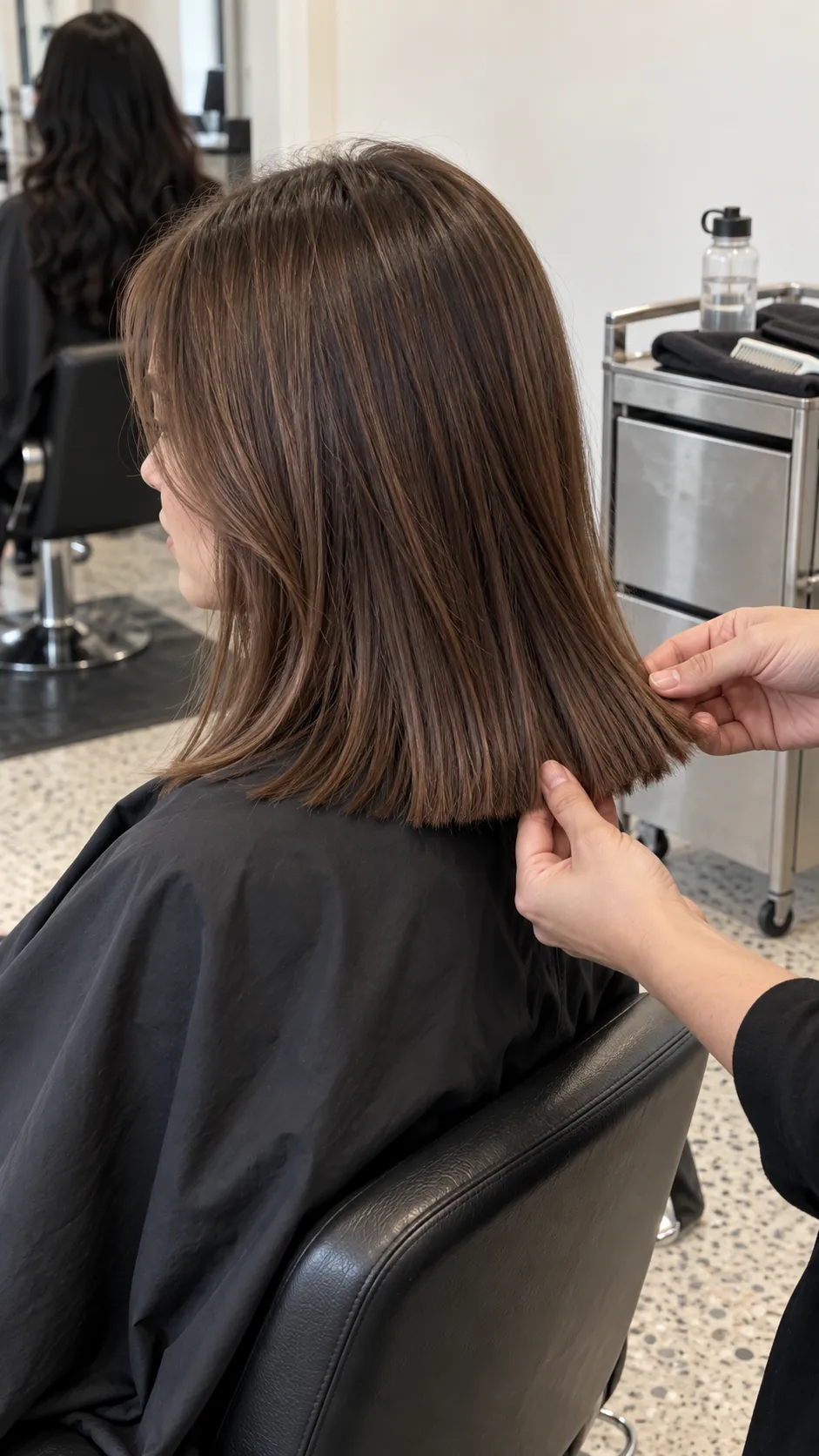
Straight hair shows the perimeter clearly, so a one length lob can look polished with little visual noise. On wavy hair, that same solid edge may collect weight near the shoulders and form a wide triangle. Curly hair can react even more strongly because spring and shrinkage change where each section lands.
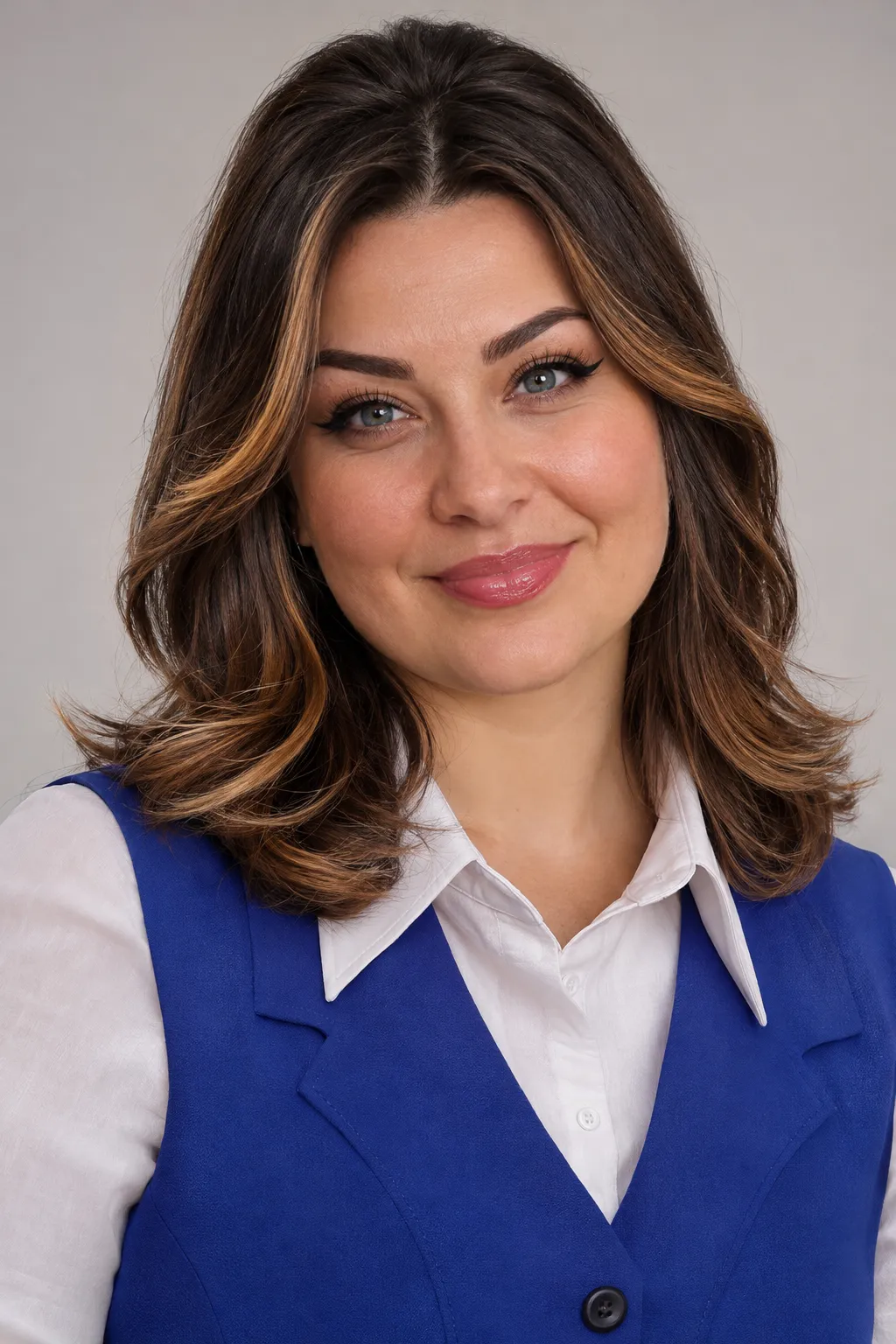
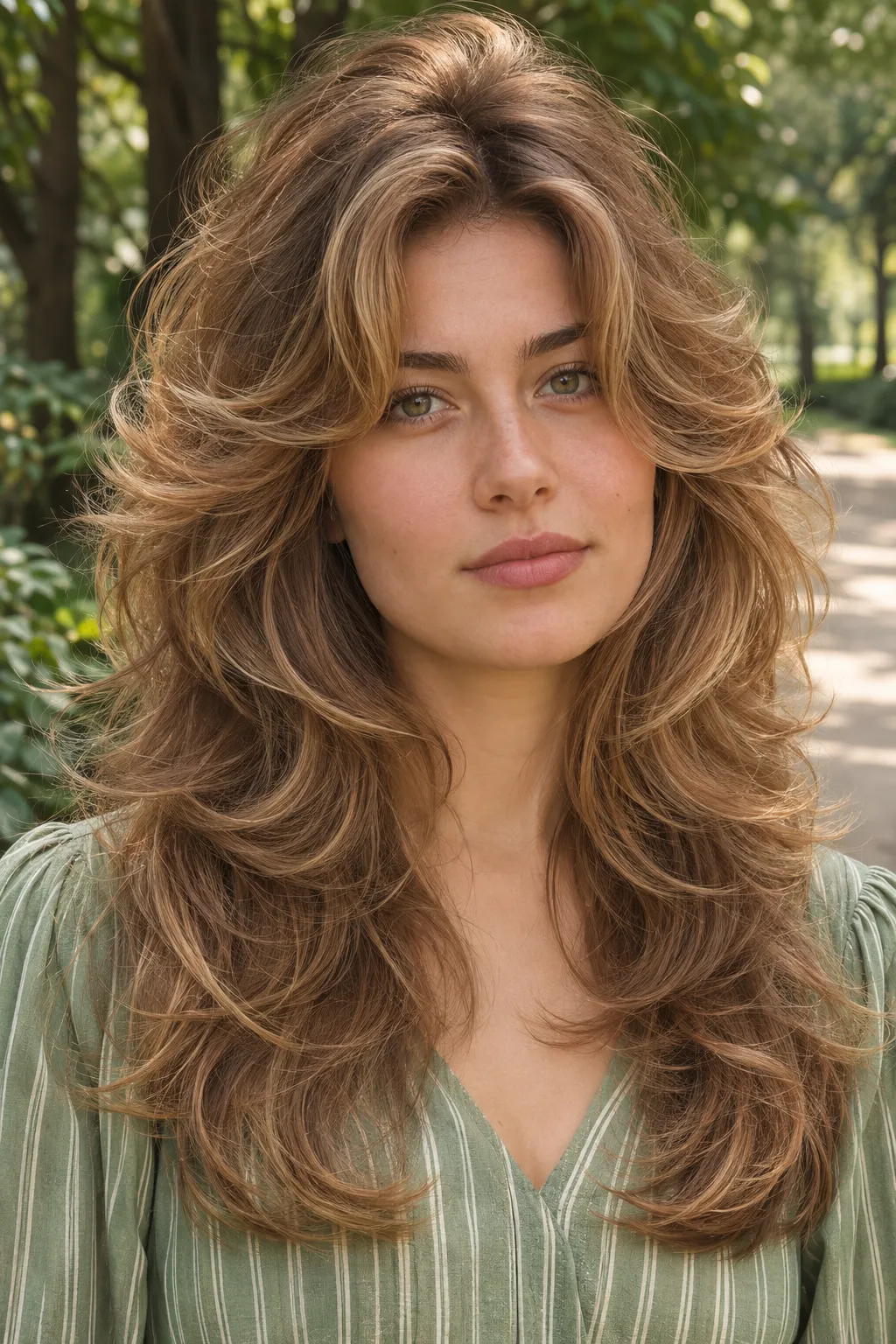
Layers can release waves and curls, but aggressive short layers may expose thin ends or create a shape that expands near the crown. Ask for the smallest amount of layering that solves your specific problem. A gentle difference between the shortest and longest layers often gives movement without making the bottom look ragged.
Match the Cut to Your Drying Routine
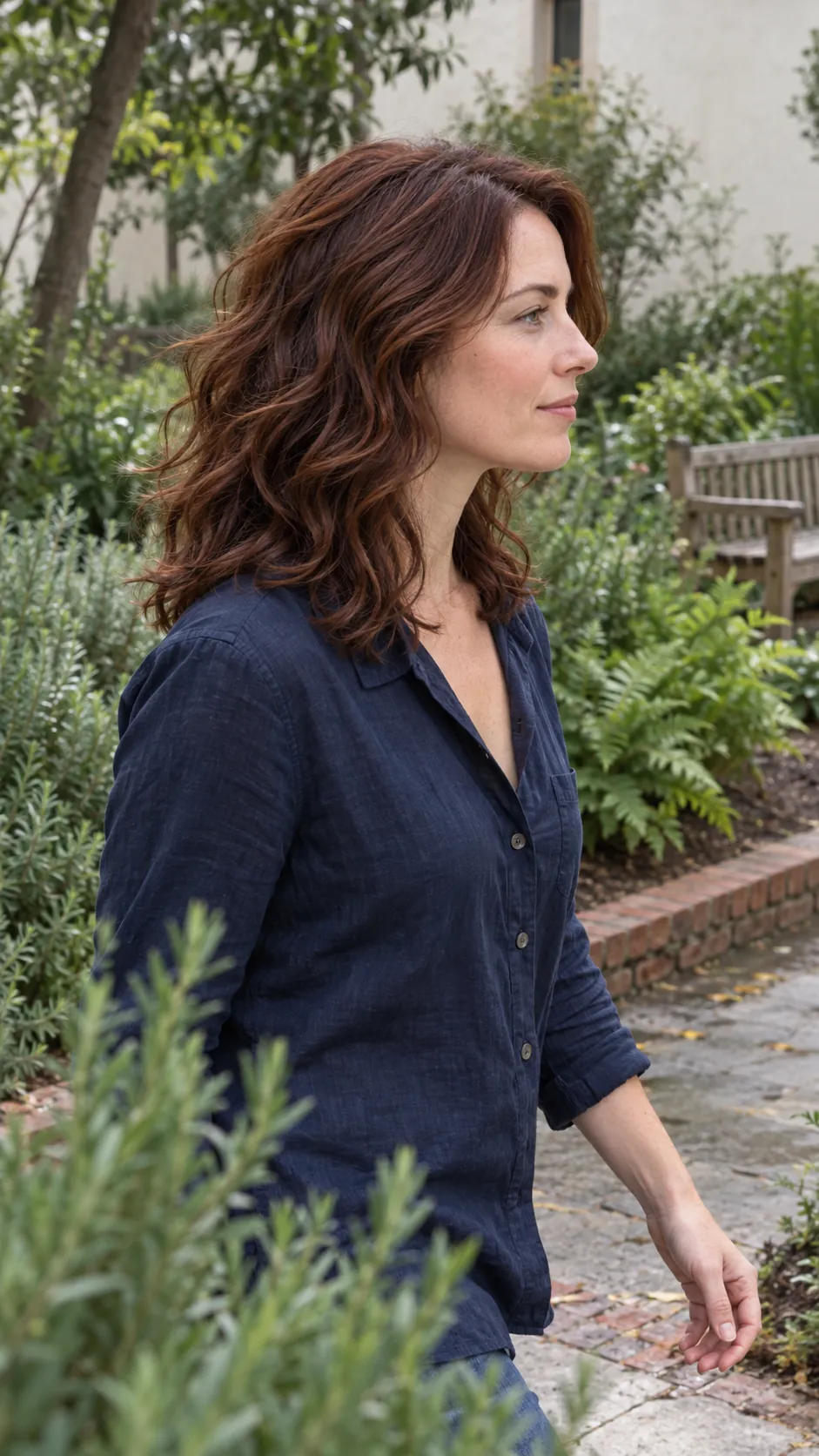
Air drying rewards a cut that settles into a deliberate shape without constant correction. A blunt cut can behave well on straight or softly bent hair when the ends do not kick outward at the shoulders. If your texture becomes bulky as it dries, layers can create space and help the pattern separate.
Heat styling changes the calculation. A blunt lob gives a round brush or flat iron a clean line to emphasize, yet it may need deliberate root lift if your hair lies flat. Layered shoulder length hair can hold bends and volume more readily, but every level may need attention for the finish to look intentional. Choose layers only if their styling demand fits the mornings you actually have.

Plan for Ponytails and Everyday Control
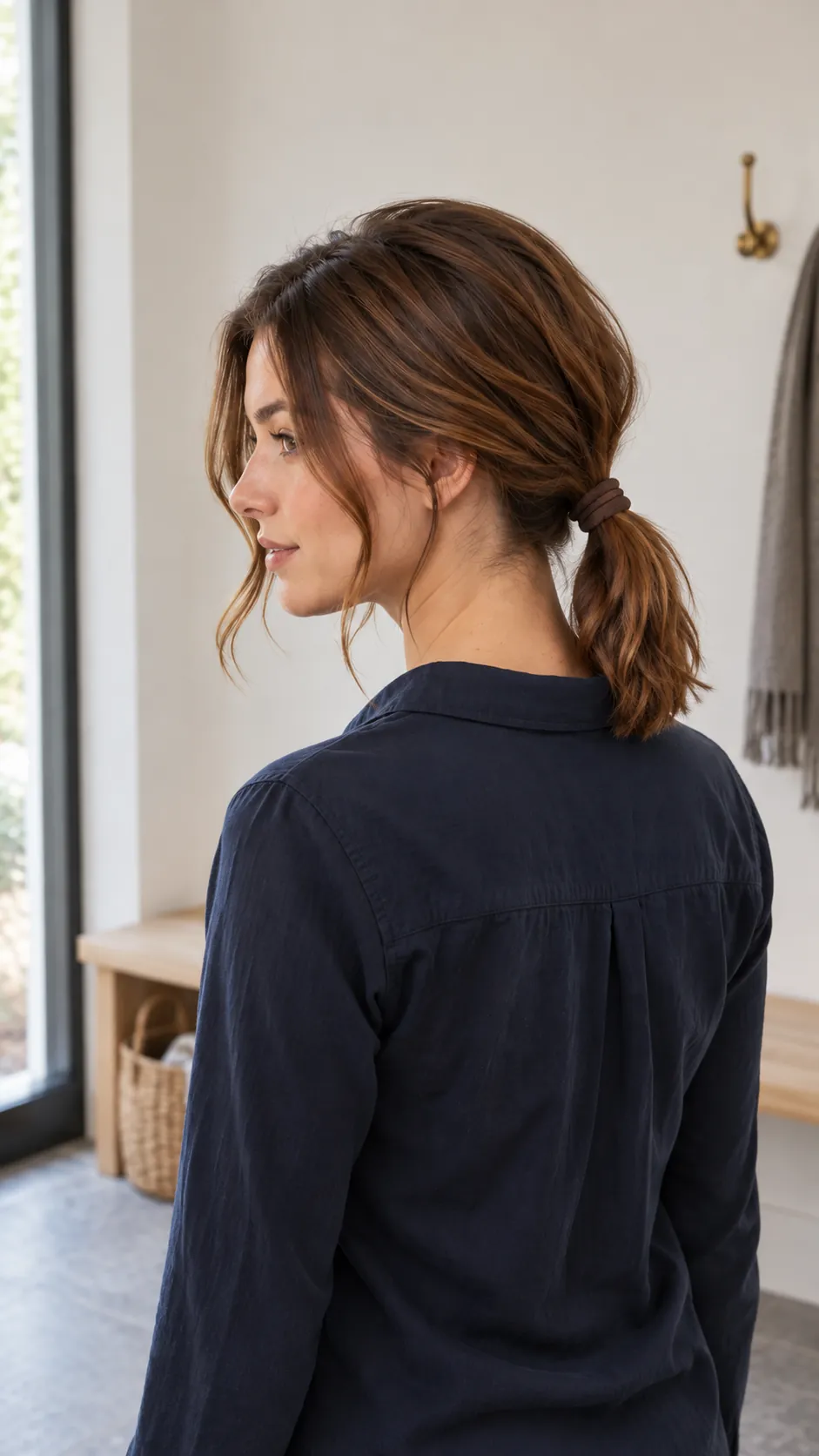
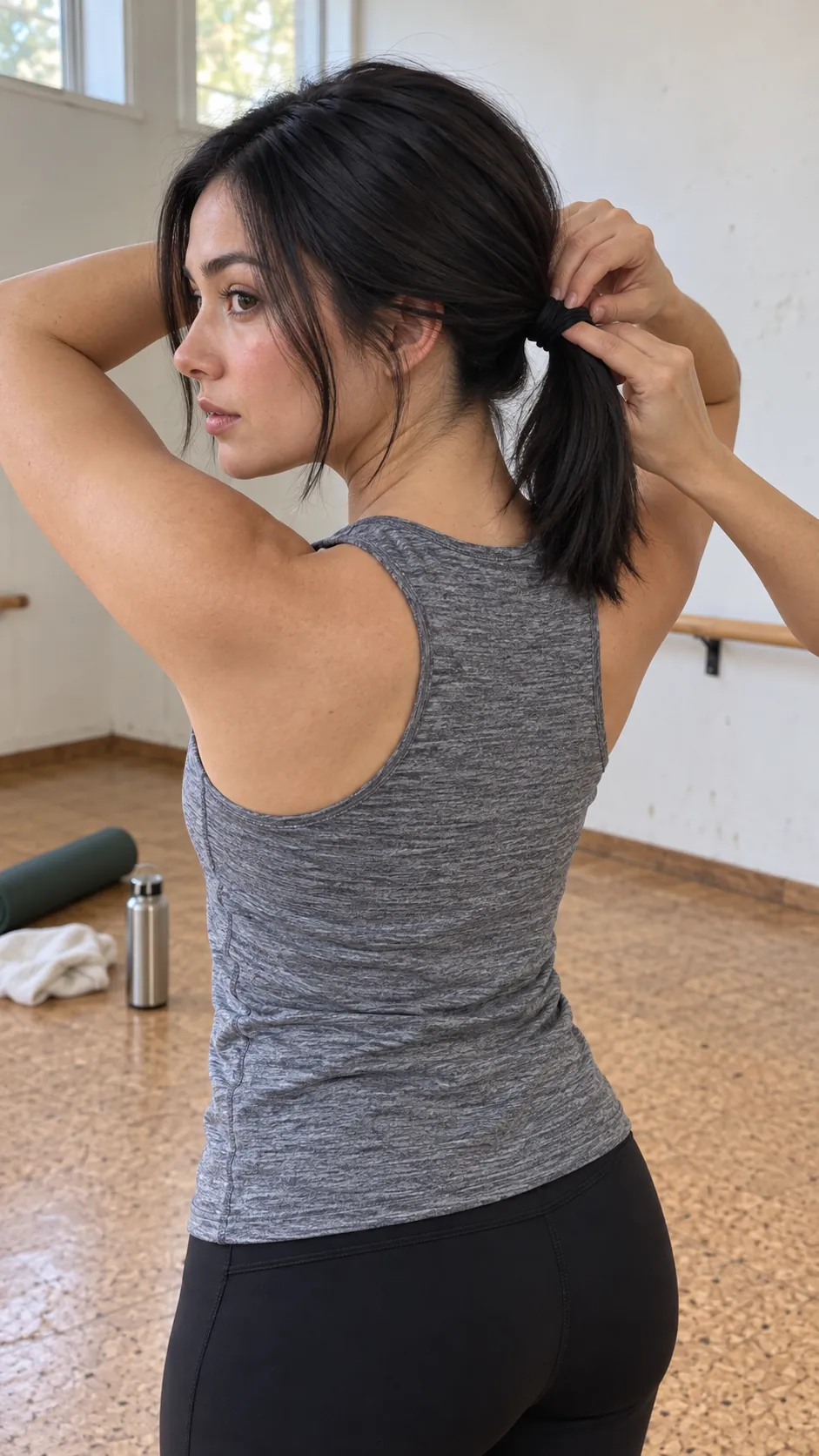
A one length lob is usually easier to gather because more pieces reach the elastic. It suits workouts, work shifts, and busy days when secure hair matters more than loose movement. The main exception is face framing, which may require pins or a headband when it ends above the jaw.
Layers can make a ponytail feel lighter and give it texture, but short crown pieces may fall out. Tell your stylist where you place your ponytail and demonstrate the height with your hand. If all your hair must fit, request long layers that begin low enough to reach your usual elastic. This practical test is more reliable than choosing a shape from a front facing inspiration photo.
Compare Trim Timing and Grow Out
A crisp blunt edge announces when it has grown uneven or lost its intended line. The shape may need regular trims to keep that graphic finish, especially when the back grows faster or the ends take frequent heat. The upside is that the structure remains easy to describe and restore.
Long layers often grow with less obvious change, but damaged or overly thinned pieces can become wispy. Shorter layers pass through awkward stages before they catch the length below. If you visit a salon infrequently, ask for subtle elevation and a strong perimeter. If you enjoy changing your style and maintain appointments, more visible layers can be a reasonable choice.
Use a Hybrid When Neither Extreme Fits
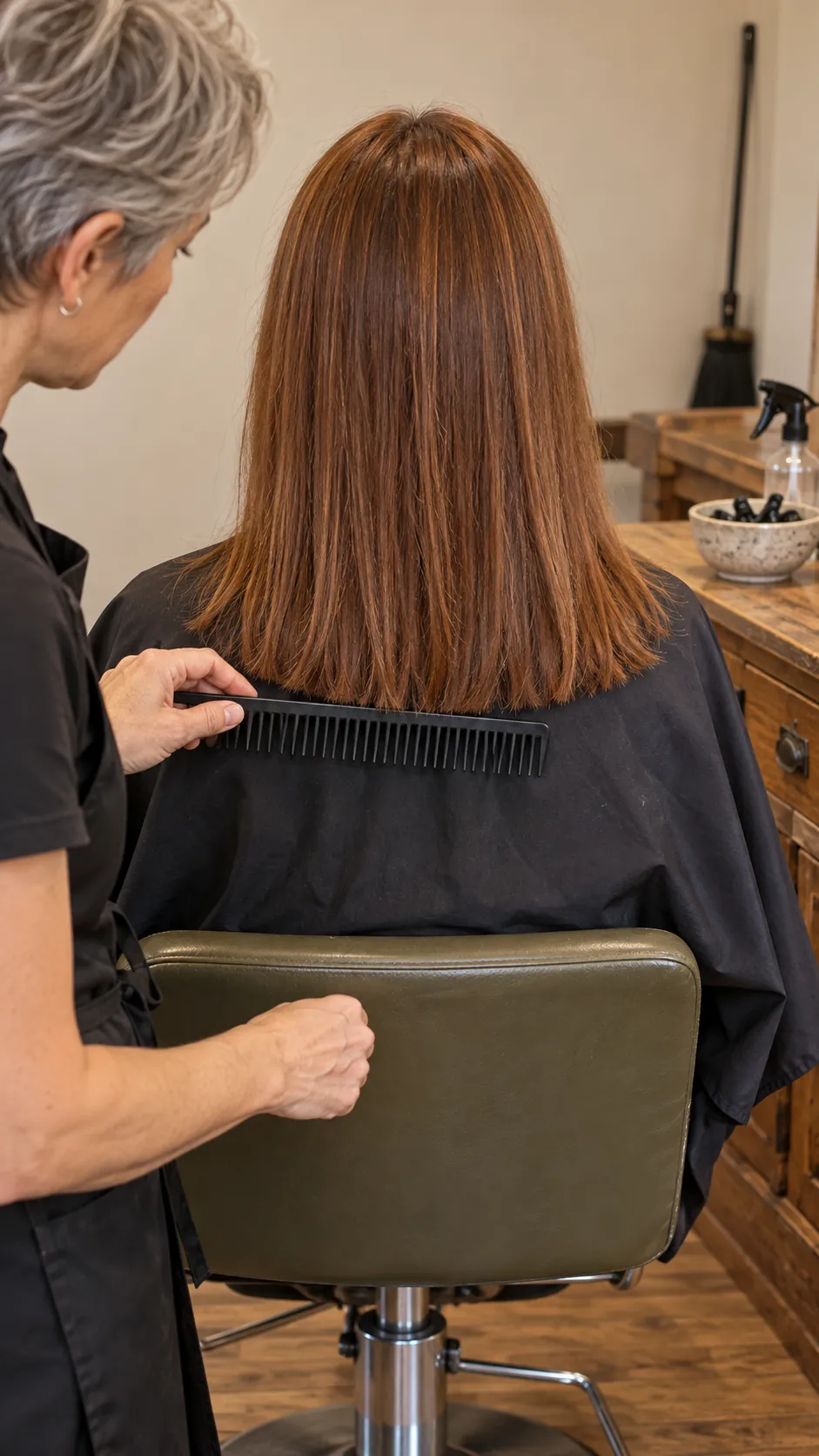
You do not have to choose a severe solid block or dramatic choppy layers. A strong blunt perimeter with invisible internal weight removal can control dense hair without sacrificing the look of full ends. A one length lob with restrained face framing can soften the front while keeping most pieces easy to tie back.
Bring examples of what you dislike as well as what you want. Explain whether your hair is shown air dried, brushed, curled, or straightened, because the same cut can look different under each finish. Ask the stylist to describe the shortest layer, where the perimeter will sit after drying, and which pieces will reach your ponytail. Those answers turn a vague preference into a cut that supports your real routine.