
A haircut name cannot tell a stylist how much weight you want near the ends, how short the crown should be, or whether you will style a fringe every morning. That is why two people can request the same trendy cut and leave with very different shapes. The useful choice is between structures, not labels.
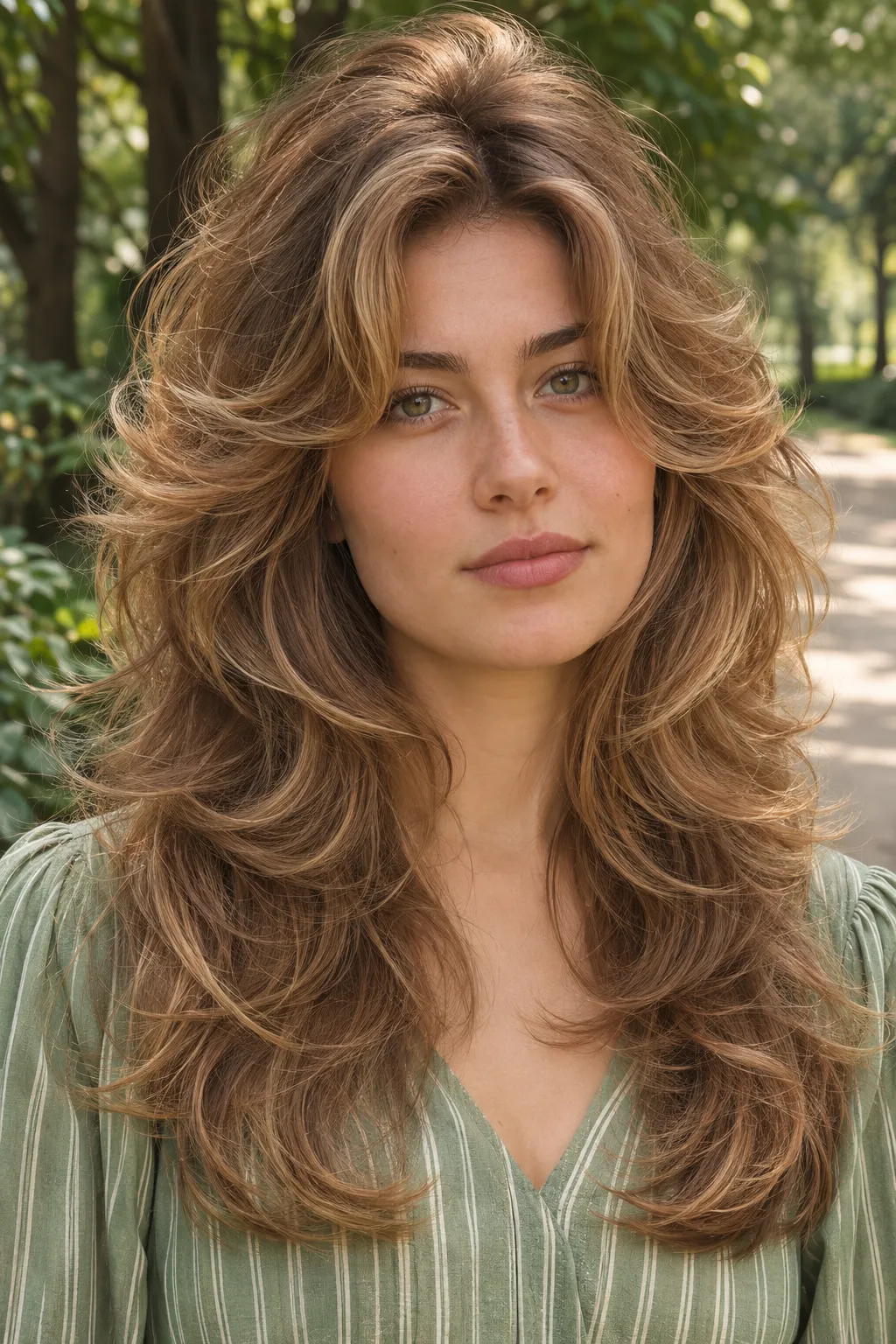
A shag usually blends many layers into a rounded, lived in silhouette. A wolf cut often pushes the contrast further, with shorter volume near the crown and a narrower, longer outline below. Both can include choppy layers, shaggy bangs, or face framing, so the details you request matter more than the name.
Compare Crown Volume and Lower Length
A classic shag spreads movement through the whole haircut. The top has lift, but the sides and ends usually retain enough connection to create a rounded outline. This can make waves and curls feel lighter without separating the top from the bottom too sharply.
A wolf cut makes the change in length more visible. Shorter crown layers create a fuller upper shape, while the lower sections stay longer and narrower. Ask yourself whether you want an obvious two part silhouette or a blended shape that moves as one.
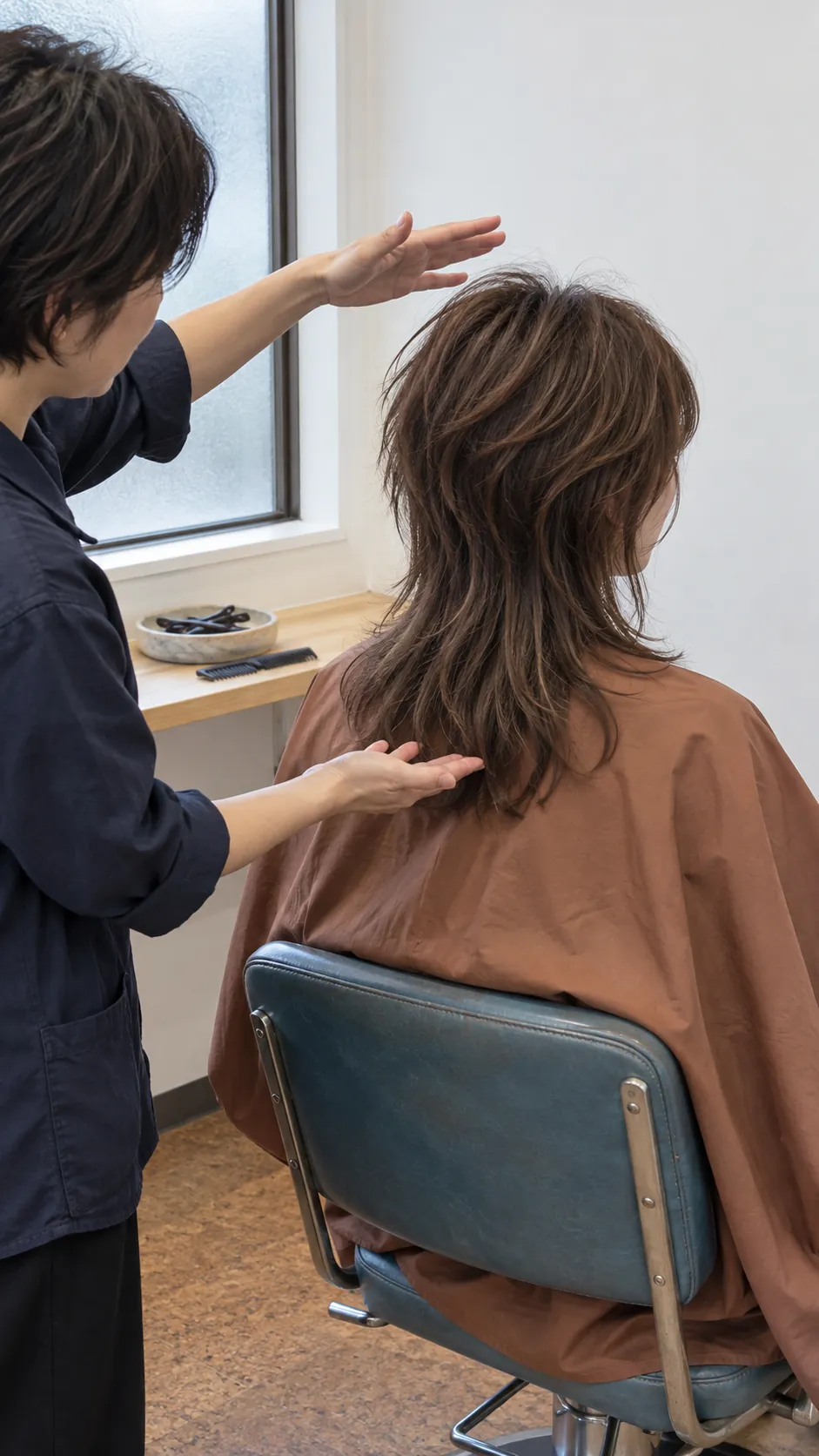
Protect the Perimeter on Fine Hair
Fine strands can support either cut when there is enough density, but aggressive layering may leave the bottom transparent. A shag with a strong perimeter and modest crown lift often preserves more visible fullness. A dramatic wolf shape needs careful sectioning so the longer tail does not look accidental or sparse.
Tell your stylist where your hair begins to look thin. Ask to see how much remains in the longest section before cutting the upper layers shorter. If fullness matters most, request a softer version with less distance between the crown and perimeter.

Release Bulk in Thick or Wavy Hair
Dense hair can make a shag expand when too much width stays around the sides. Internal weight removal and deliberate layer placement help the wave pattern separate. The goal is controlled space, not random thinning, because short pieces can spring outward when coarse or frizzy texture dries.
A wolf cut can suit thick hair when you enjoy volume above the temples and a narrower lower outline. It can also exaggerate bulk at the crown if the shortest layers are cut without considering shrinkage. Ask the stylist to assess your hair dry or close to its natural state before choosing the first layer.
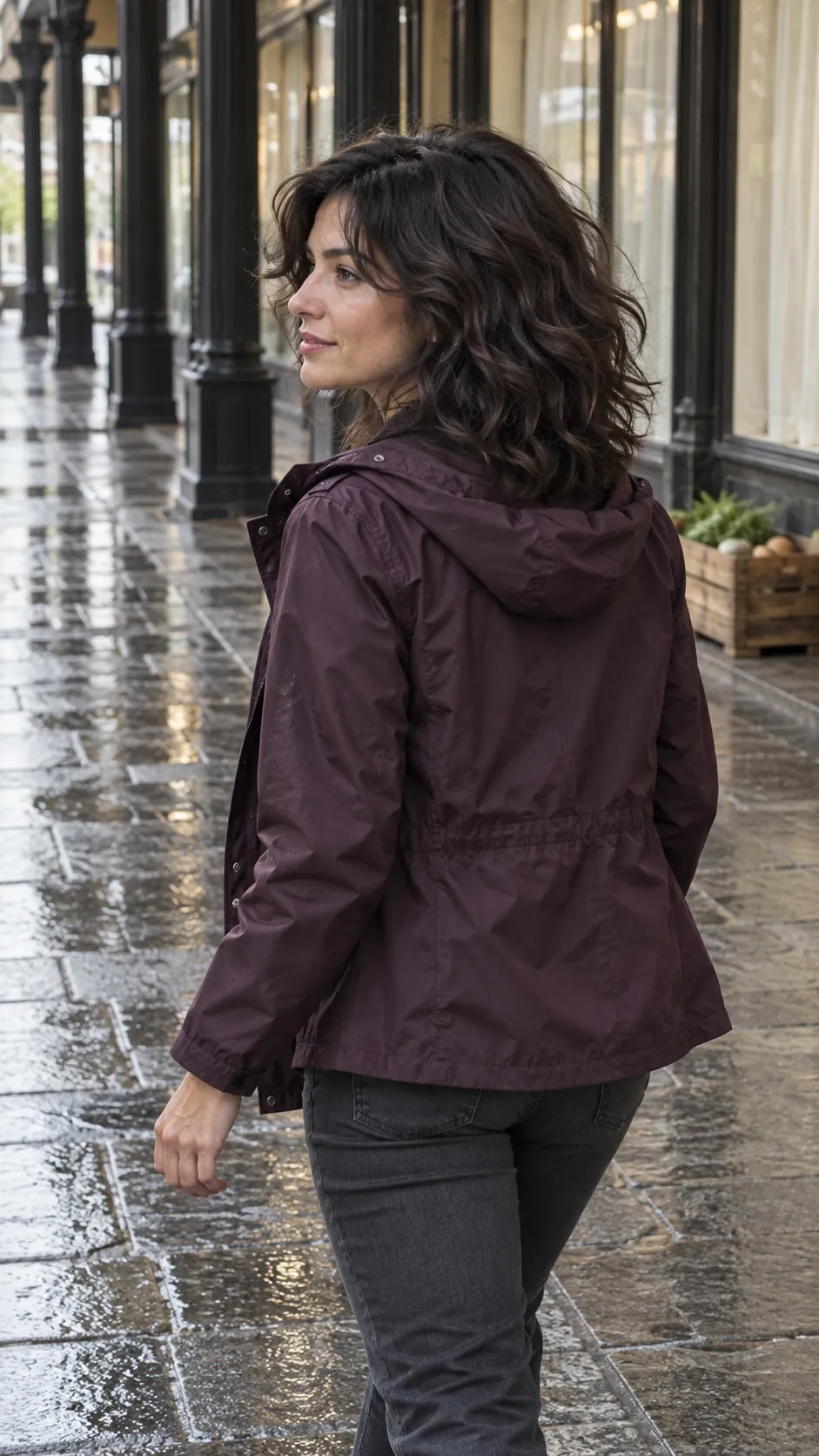
Choose Bangs by Daily Upkeep
Curtain bangs can connect either cut to the face, while a shorter textured fringe makes the shape feel more distinctly shaggy. Bangs also collect oil, react to sweat, and may need a quick reset after sleep. Their maintenance can exceed the rest of the haircut.
If you do not want daily fringe styling, keep the shortest face framing pieces long enough to tuck or blend into the sides. If you enjoy a defined fringe, ask where it will sit when your natural texture contracts. Bring a photo that shows the fringe unstyled as well as finished.
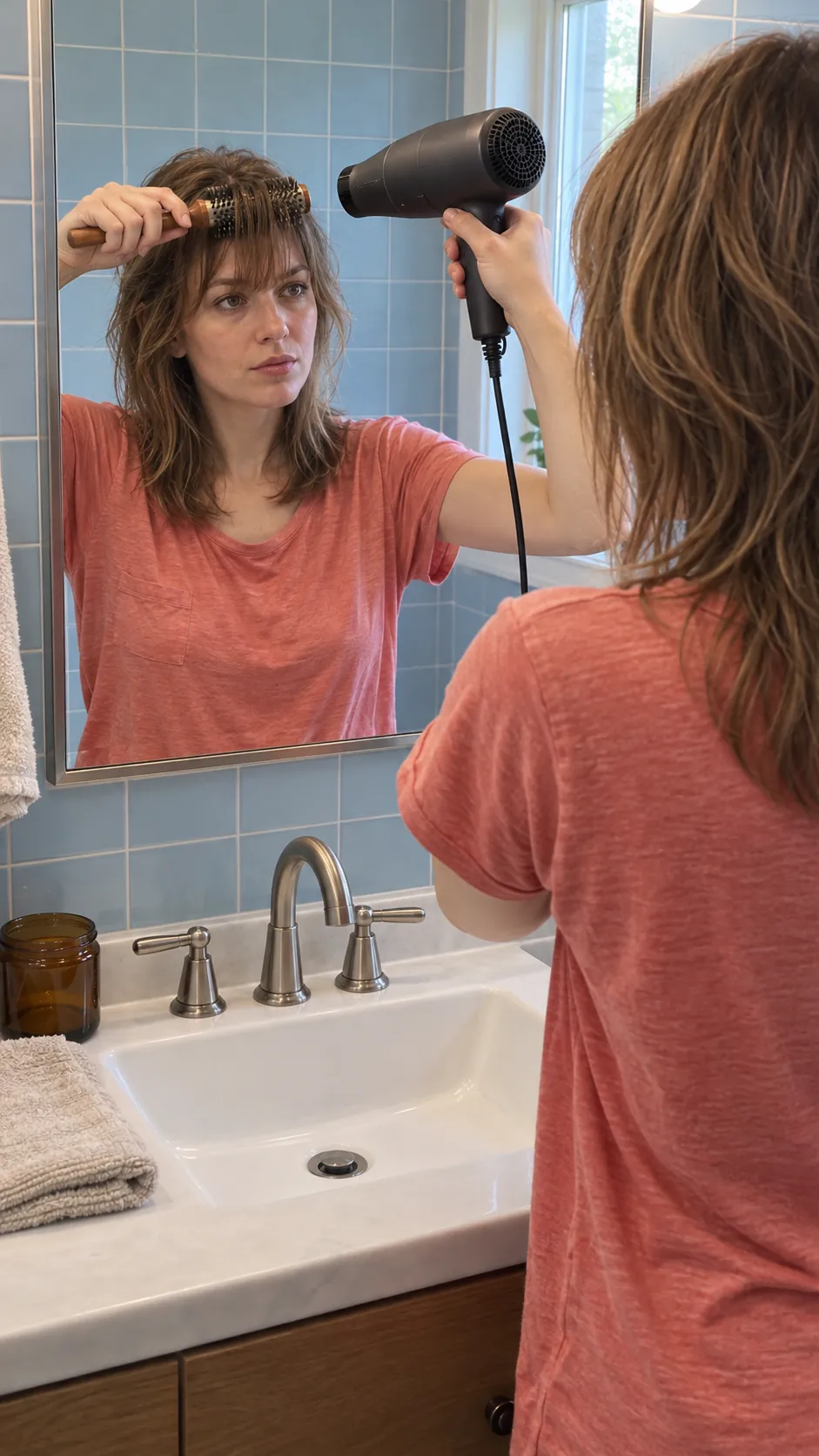
Be Honest About Styling Effort
Natural wave can make both shapes look intentional with a small amount of product and gentle scrunching. Straight hair may need bends, root lift, or styling balm to separate the ends. Without that work, dramatic layers can settle flat or point in unrelated directions.
Describe your real haircut styling routine before the first section is cut. Mention whether you air dry, diffuse, use a round brush, or avoid heat. A good stylist can reduce contrast, preserve more weight, or choose longer crown layers so the cut still works on quiet days.
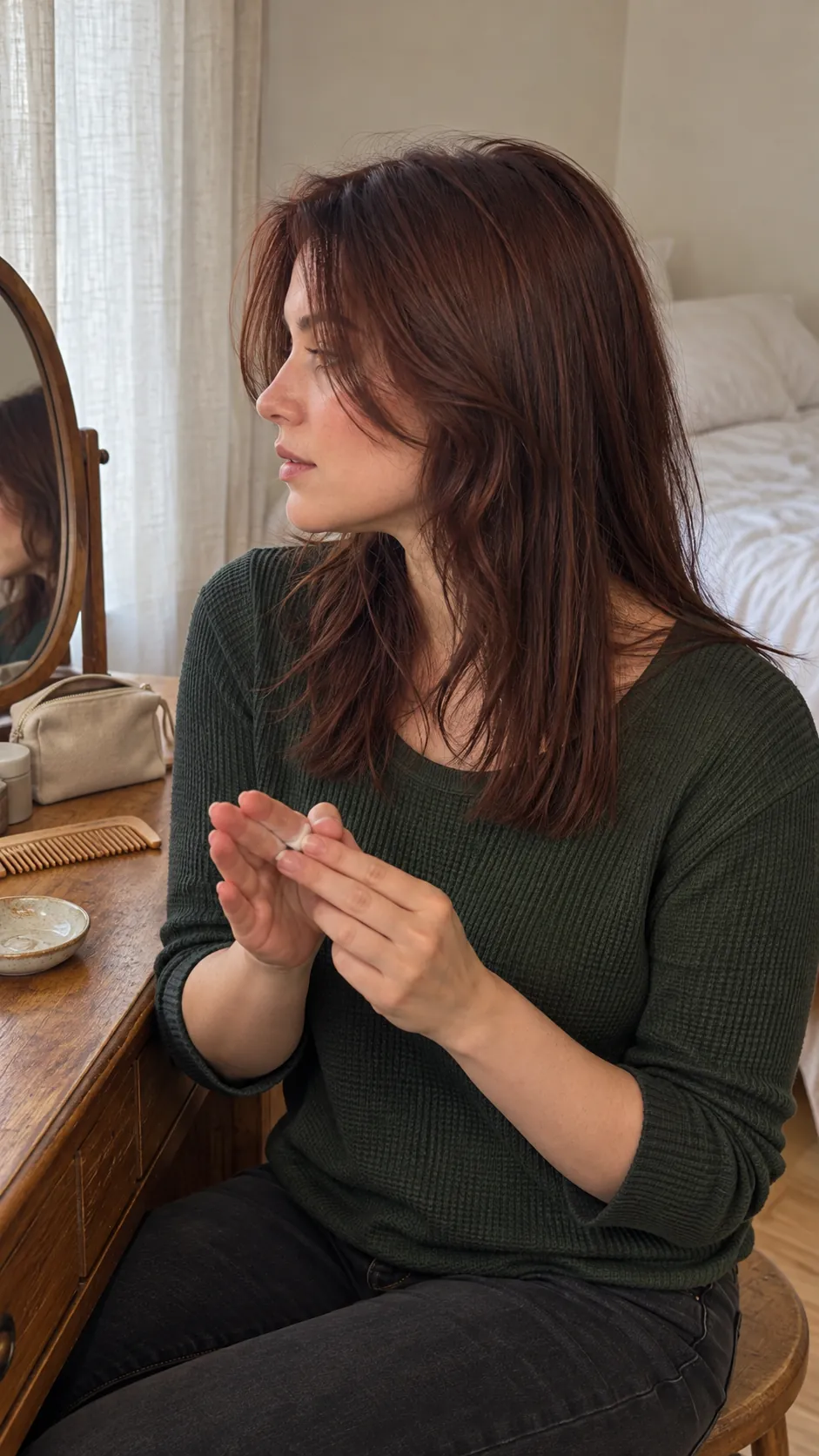
Ask for the Shape in Concrete Terms
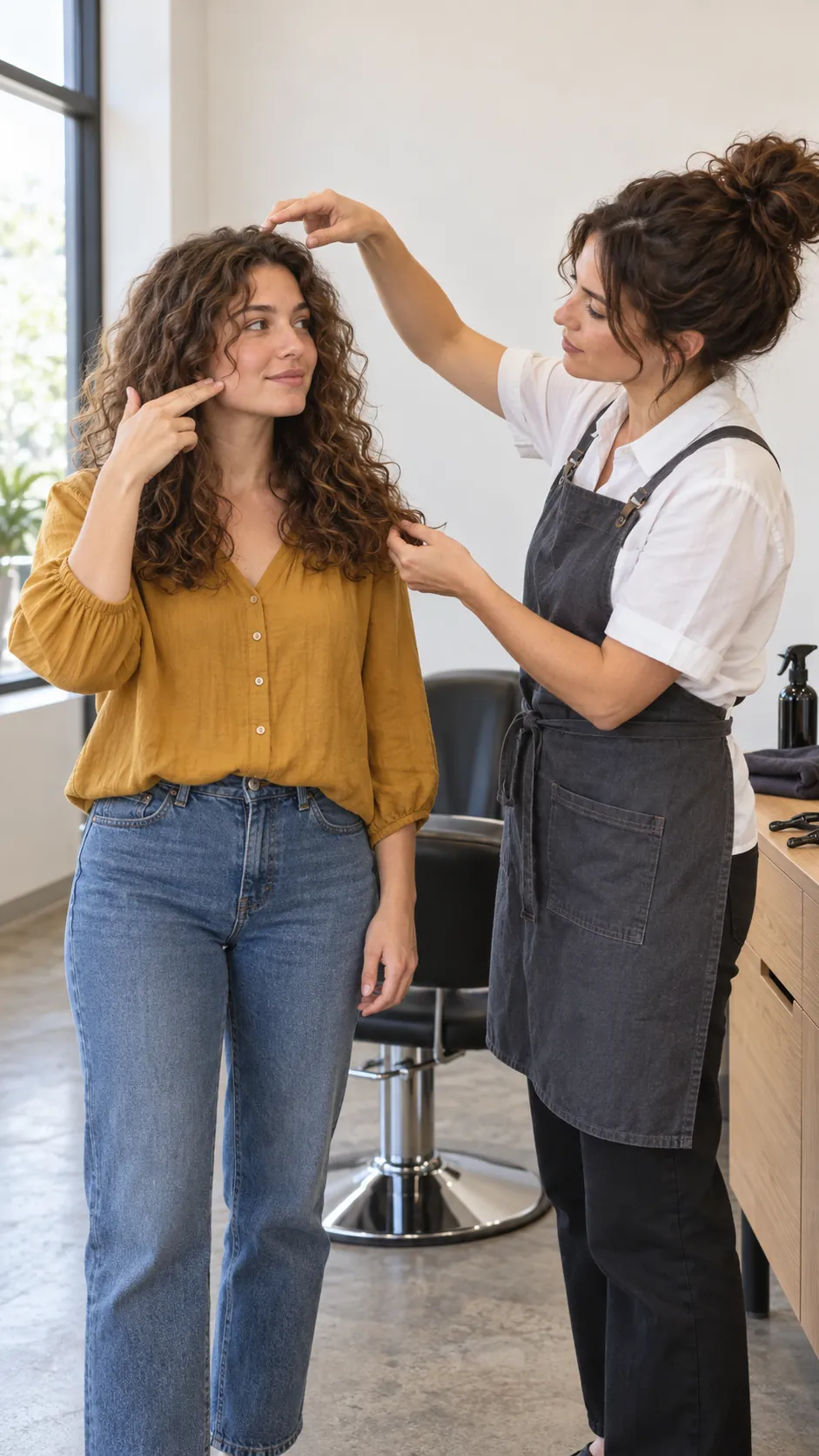
Use your consultation to specify the shortest crown point, the amount of visible length contrast, the weight you want at the ends, and the fringe length. Explain whether you want a round outline, a narrow tail, or a softer blend between them. These directions are more reliable than asking for a shag or wolf cut alone.
A soft shag is the safer choice when you want movement with a connected perimeter. A wolf shape fits when you actively want bold crown volume and a stronger separation between top and bottom. If you are unsure, start with longer layers and less contrast, because a stylist can remove more weight later but cannot restore it during the same appointment.