
A cropped reference can look relaxed while hiding a surprisingly specific styling routine. The useful question is whether you want a compact outline, a fringe to refresh, or fuller ends to shape with a brush. Separate those choices before you sit in the chair.
Translate the names into a shape
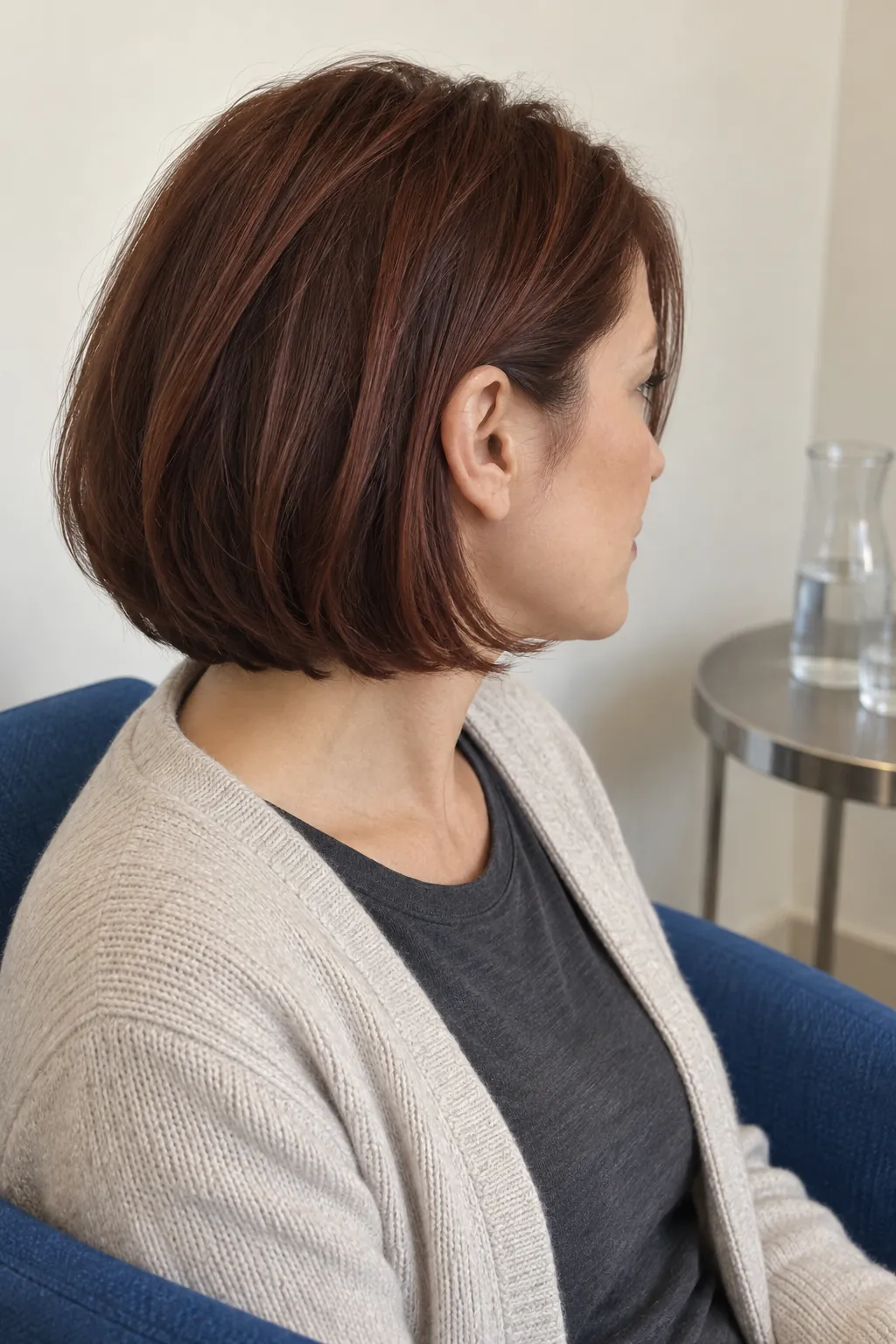
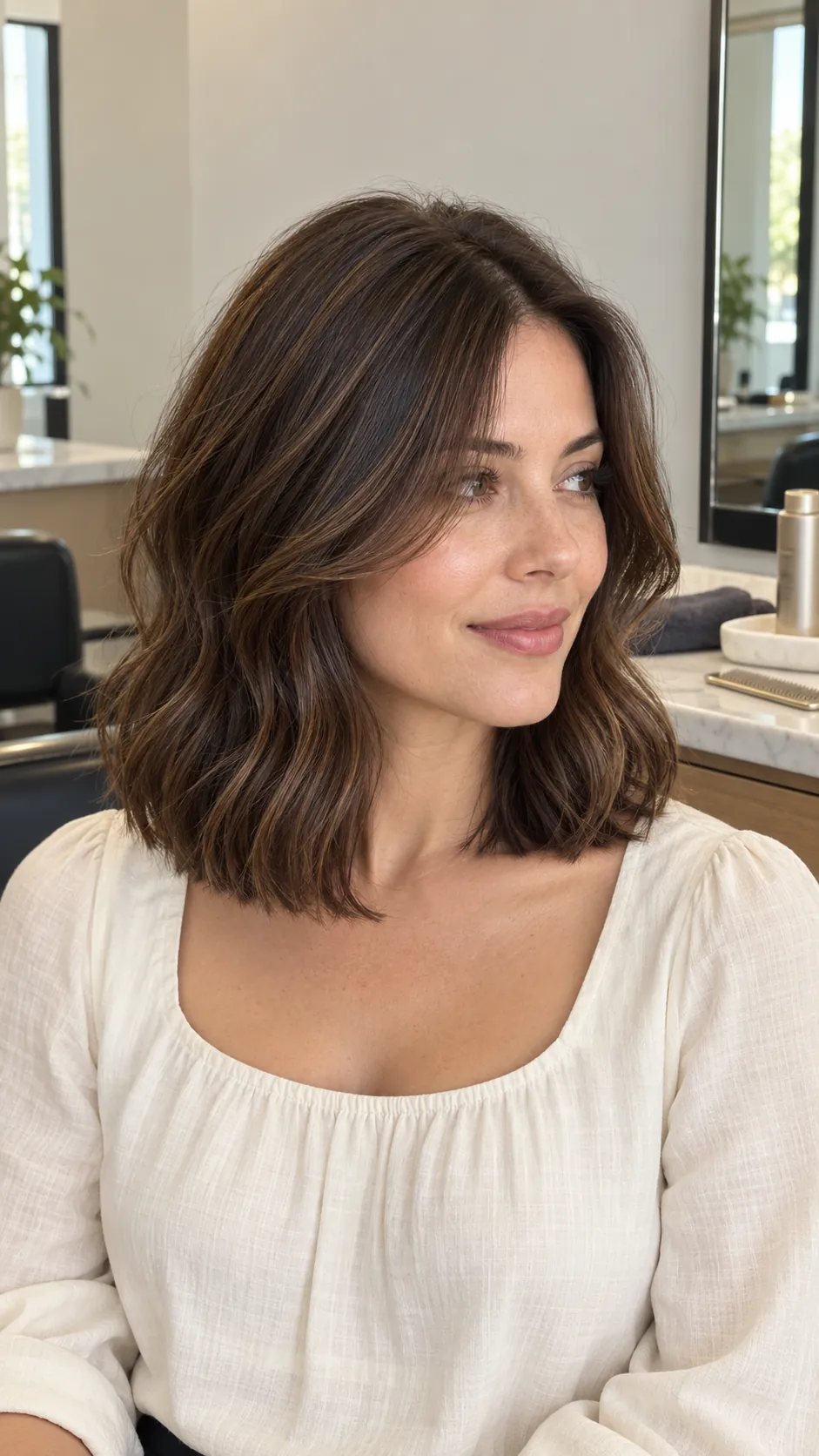
A French bob usually refers to a compact cut around the cheek or jaw, often worn with a fringe and some natural texture. An Italian bob generally suggests a fuller, weightier shape around the chin or a little lower, often styled with lift and movement. Neither name is a fixed technical specification, so two salons may interpret it differently.
Bring views of the front, side and back, and point to the features you want. Ask where the finished edge will sit on your own face and neck. A precise length and silhouette give your stylist more useful information than the country name alone.

Choose the fringe as a separate commitment
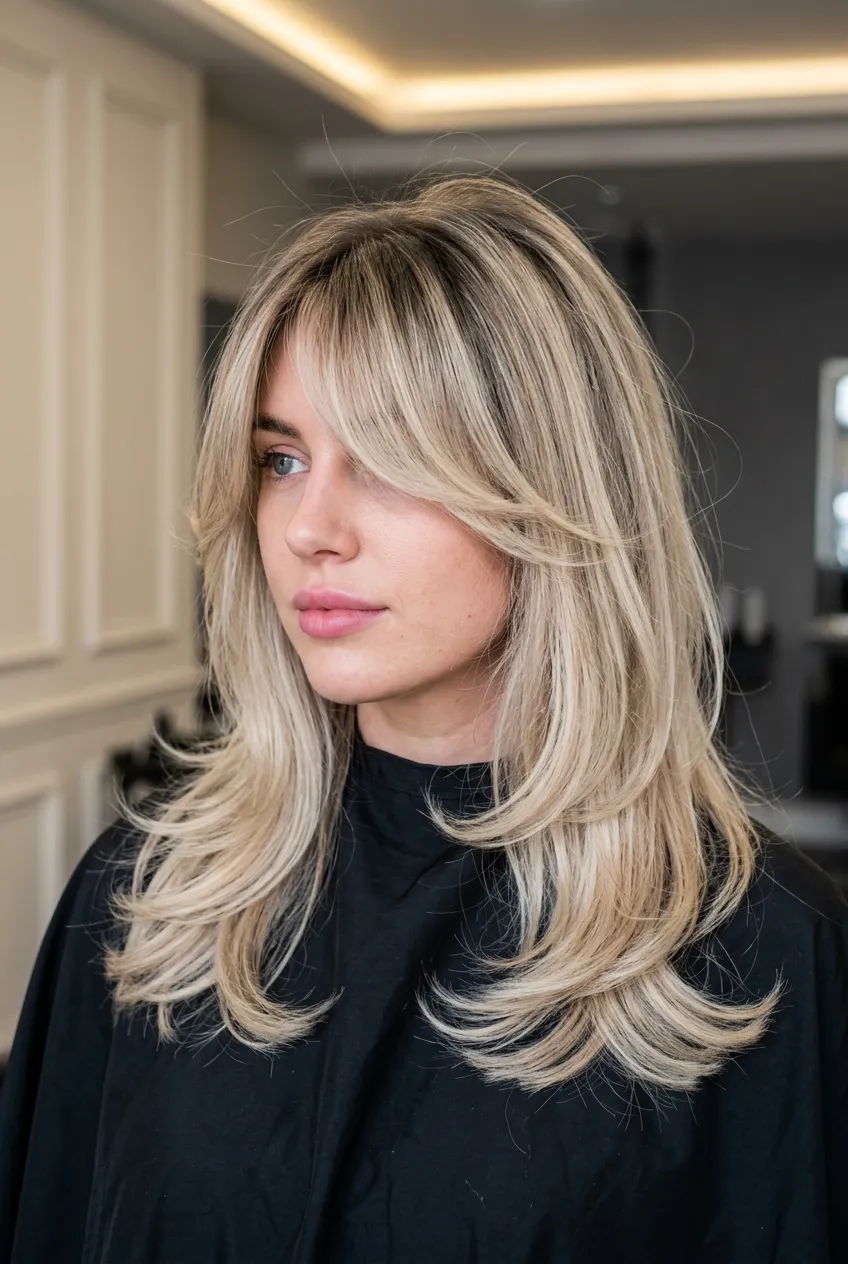
You can like the short French silhouette without wanting bangs. A fringe introduces its own routine because it sits against the forehead and may need refreshing before the rest of the cut. Ask how your front growth pattern will affect the shape, especially if a cowlick lifts one side.
If you want a bob with bangs, agree on the dry length and how much forehead you want covered. A longer separated fringe offers a different effect from a short solid one. Consider glasses, how you exercise and whether you are willing to book fringe trims between full appointments.

Decide how you want volume to behave
The Italian shape often keeps enough weight at the ends to support a rounded, substantial silhouette. That can appeal if you enjoy a voluminous bob, but thick hair may need selective shaping to avoid excess width. Fine hair may benefit from a compact edge, while dramatic crown lift can still require styling.
A shorter French outline exposes more neck and can feel lighter without needing heavy layers. Waves and curls may make that outline sit higher and wider after drying. Ask the stylist to work with your natural fall, rather than assuming either name guarantees fullness or flatness.

Match the finish to your tools
For a textured French finish, try the drying method that already works with your natural pattern before adding more tools. Gentle scrunching and leaving waves alone as they set may suit some heads of hair. Straight hair may need a little bending or directional drying to recreate a tousled reference.
A rounded Italian finish often involves more deliberate drying at the roots and ends. If you use a dryer and round brush, apply heat protection as directed and practise on manageable sections. Follow the tool guidance and avoid repeated high heat on the same area.
Ask for a simple salon demonstration with your own routine in mind. A photo of a full blowout does not show what the cut will look like after sleeping, commuting or drying naturally. Choose the finish you can repeat on the mornings that are already busy.

Check the length against real life
A cut above the jaw can leave little length to gather during exercise or cooking. A fuller bob nearer the lower chin may offer more tucking room, but it still may not reach a secure ponytail. Show the stylist the exact gesture you need, such as clearing your cheeks or clipping the front away.

Budget for the parts that lose shape first
A short fringe and a crisp jawline can reveal growth before the rest of the haircut feels long. A fuller bob may keep a pleasing shape longer for some people, but the sides can become heavy or the ends can start catching on collars. Discuss when to reassess your version instead of treating either style as maintenance free.
Before booking, decide whether a fringe, a rounded finish or a compact outline matters most to you. Tell the stylist which part you will happily style and which part you want to leave alone. The best choice is the shape whose upkeep still fits when the novelty of a new haircut has passed.