The few inches between your jaw and collarbone can decide whether your hair clears a scarf, catches on your shoulders, or reaches a hair tie. That is why the best length depends on what you do with it after the appointment. Start with the daily task you cannot give up.
Use your chin and collarbone as reference points
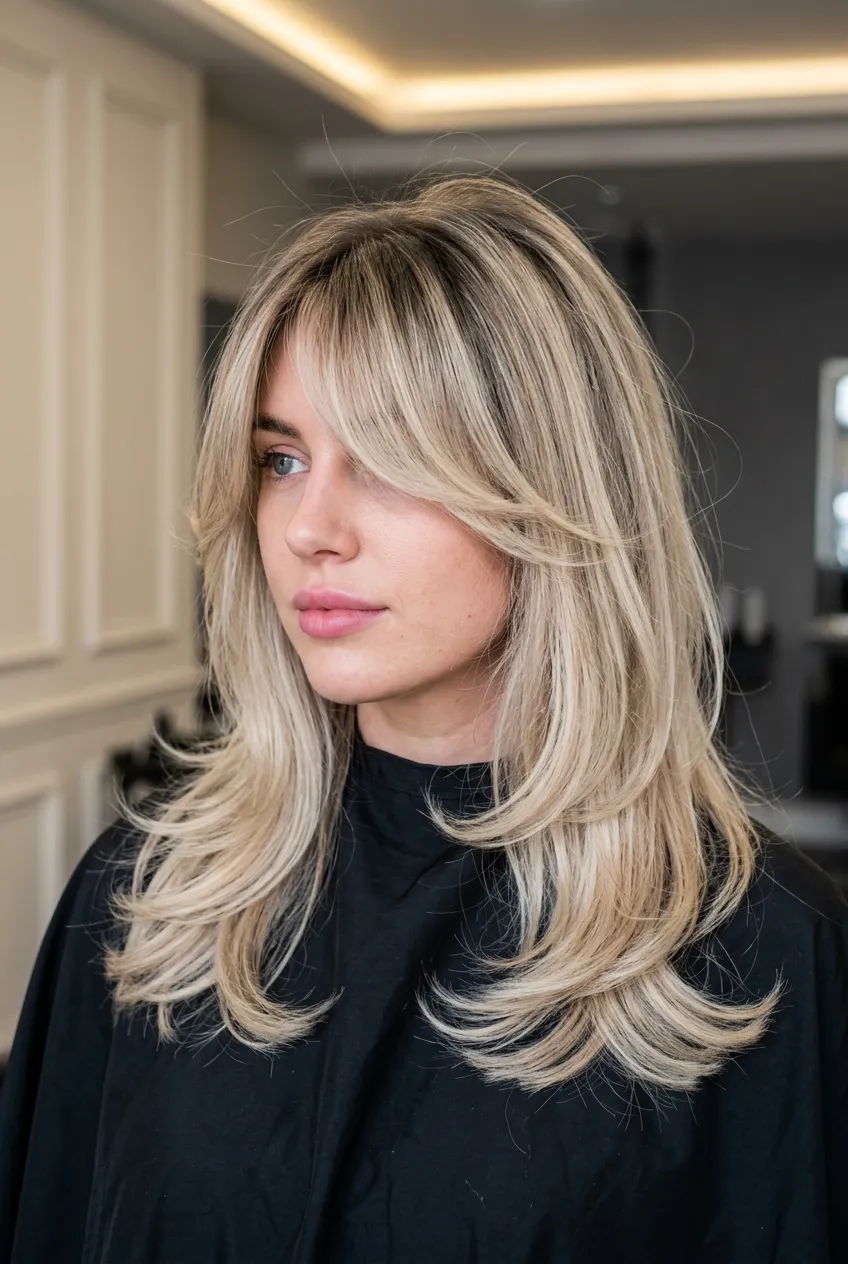
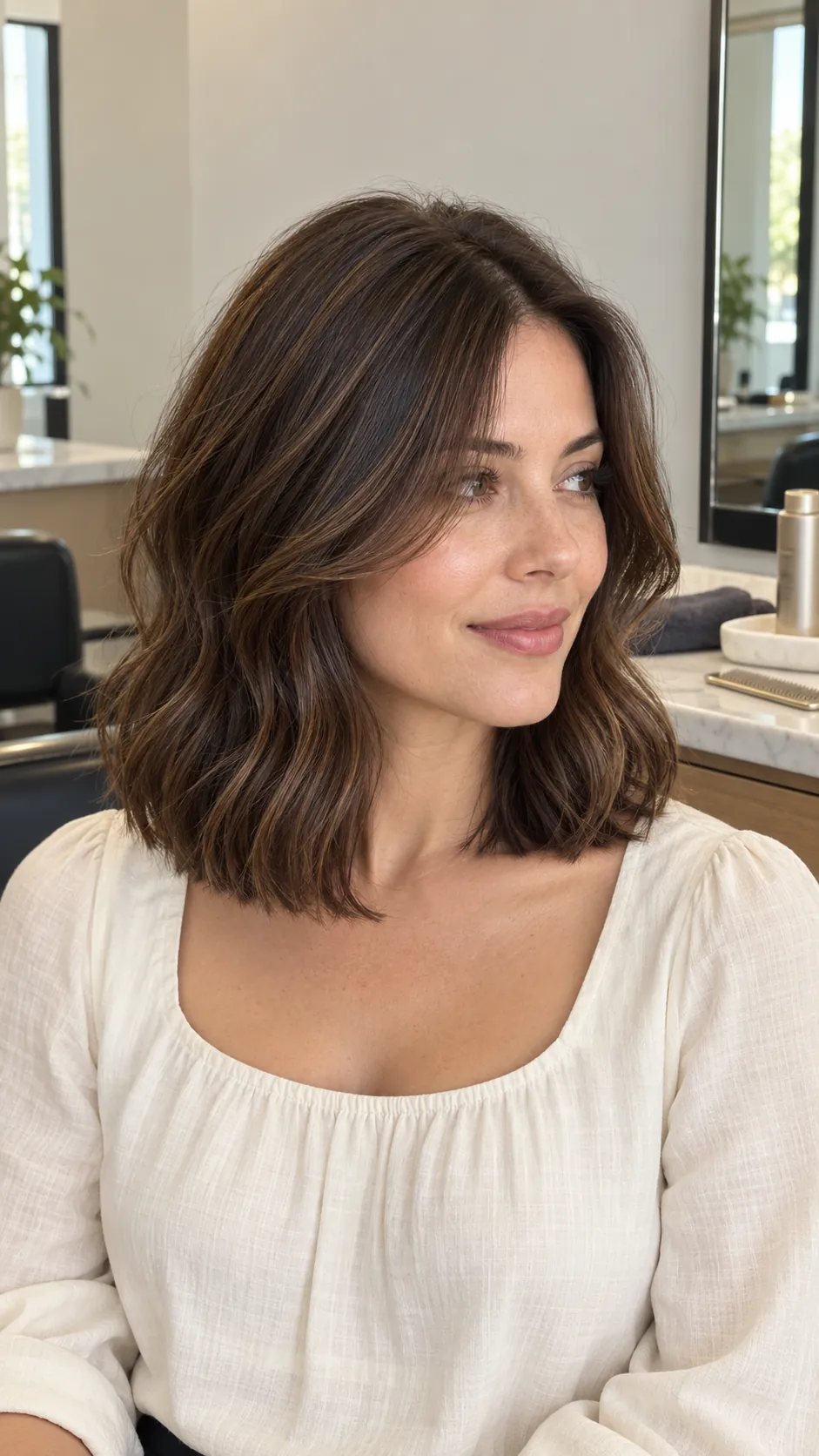
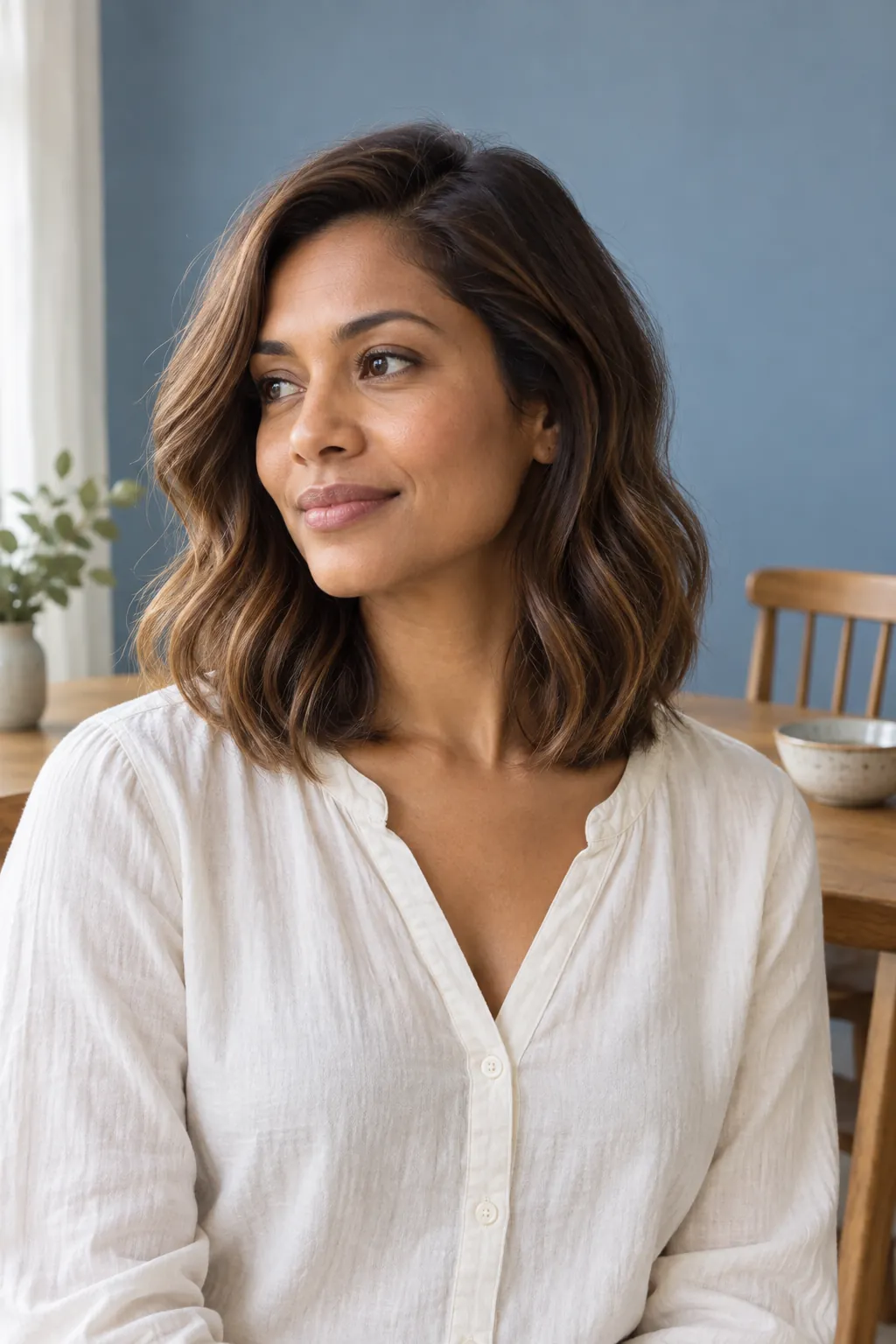
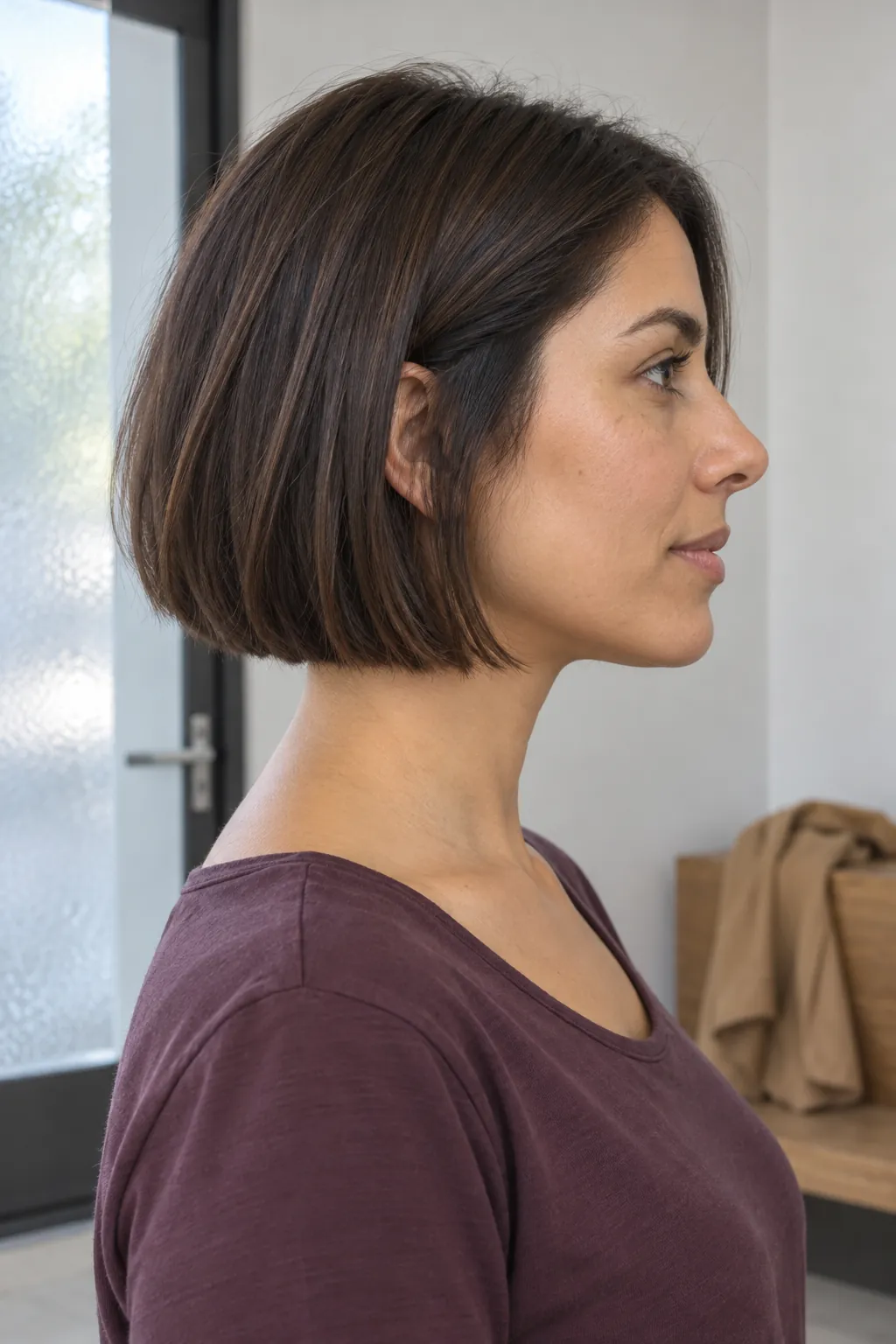
A chin length bob puts the outline near the jaw and leaves more of the neck exposed. A lob, or long bob haircut, usually falls somewhere between the lower neck and collarbone, although salons use the name differently. Point to the finished dry length you want on your own body rather than relying on the label.
Your neck length, posture and natural texture change how the same measured cut appears. Ask to check the outline while sitting upright, without pushing your chin down. If your hair curls or waves, agree on where the dry ends should land before any length comes off.
Test your minimum tie back length
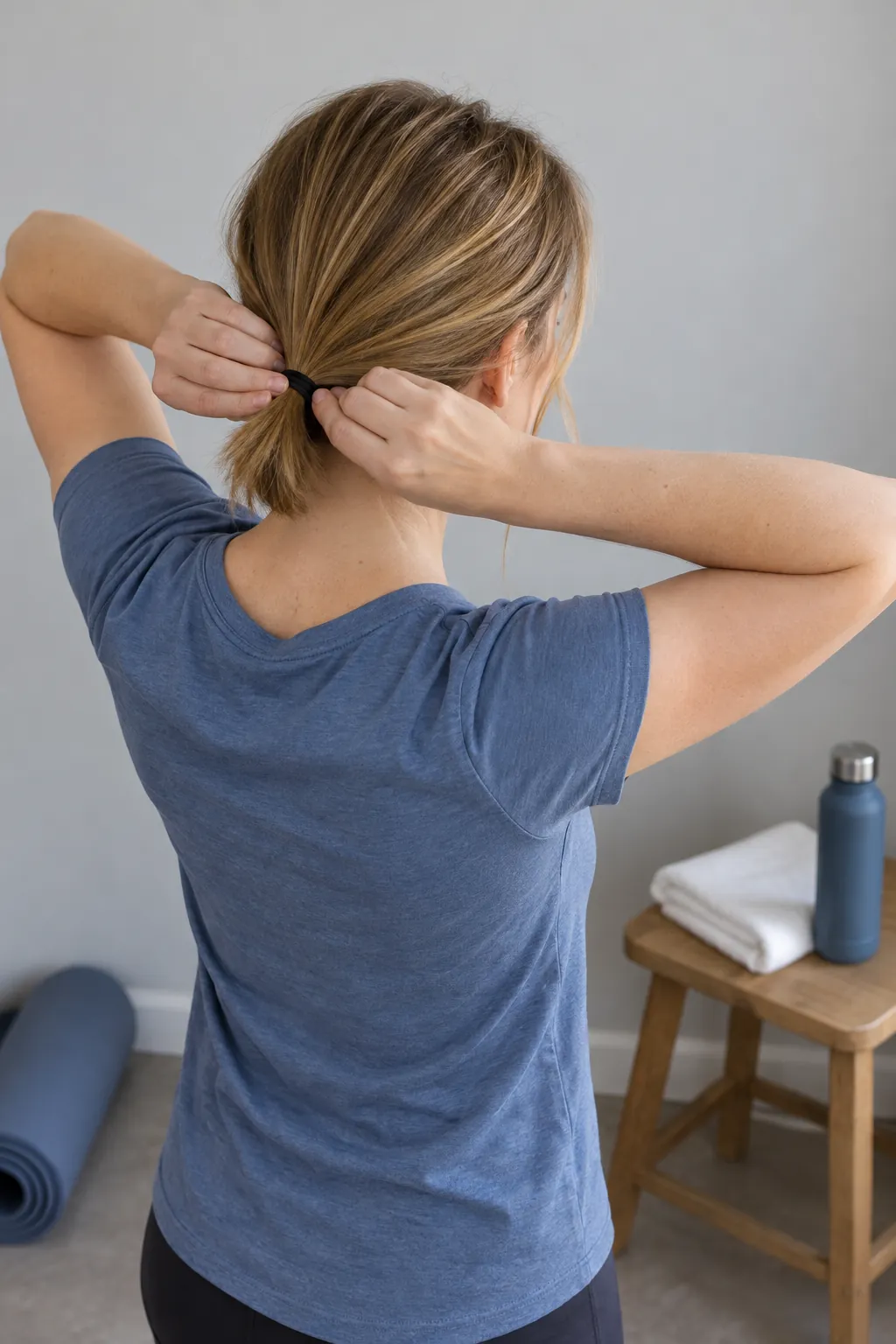
If you need every section off your neck for work or exercise, a chin length cut can be restrictive. A collarbone lob gives more length to gather, but short front layers may still escape a ponytail. Demonstrate the exact style you need, including whether clips or loose front pieces are acceptable.
Keep density and texture in the decision
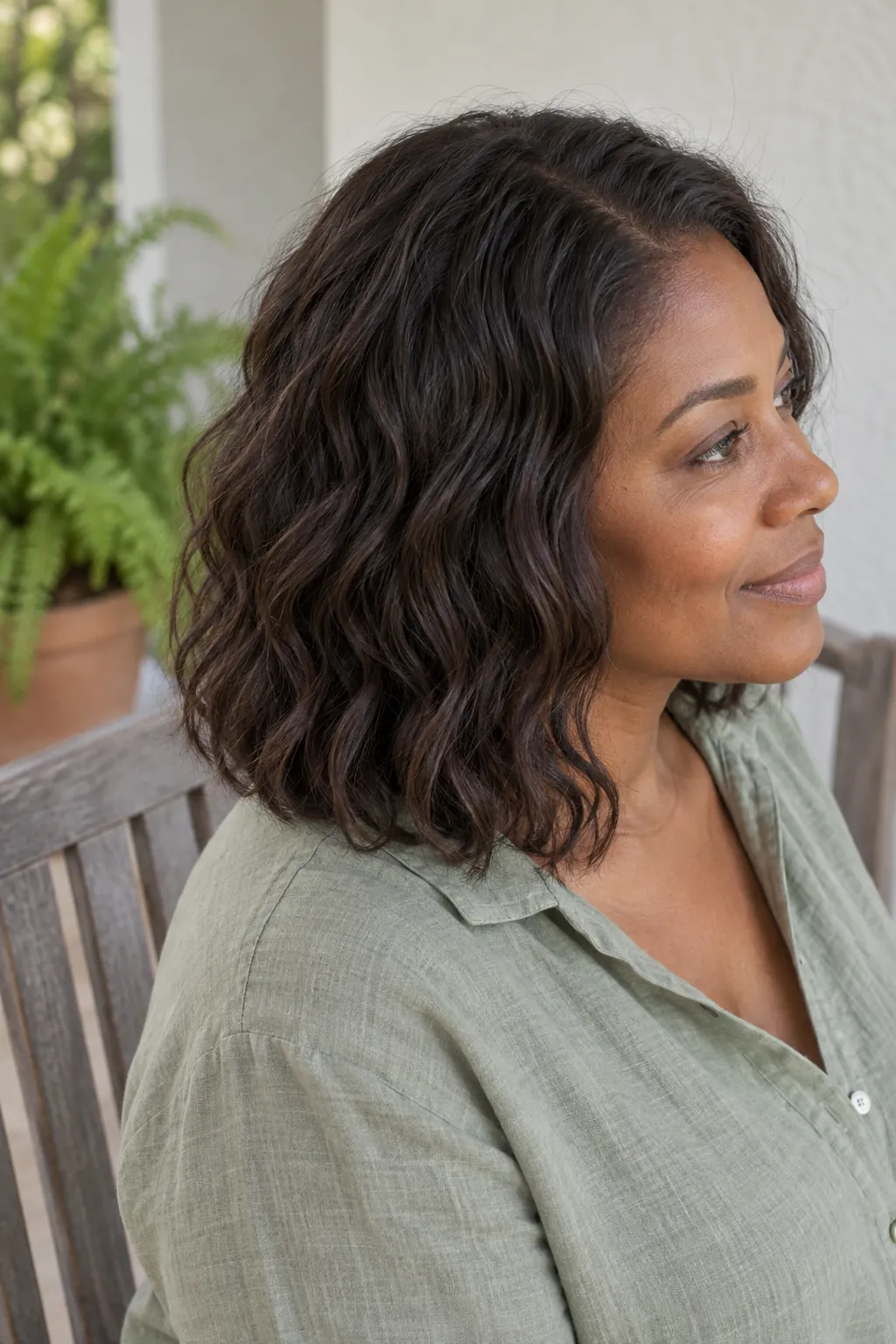
A shorter compact edge can make fine ends appear fuller, but it will not change your density. A longer shape can retain weight that helps some waves settle, while other patterns become flat at the roots. Have the stylist assess strand thickness, density and natural fall separately instead of assuming shorter always means more volume.
Thick or curly hair may expand as it loses length, and the amount varies with the pattern and shaping. Ask to see a realistic dry finish rather than judging only a smooth salon blowout. If you dislike width beside the jaw, discuss how the outline and internal weight will behave together.
Count finishing effort as well as drying time
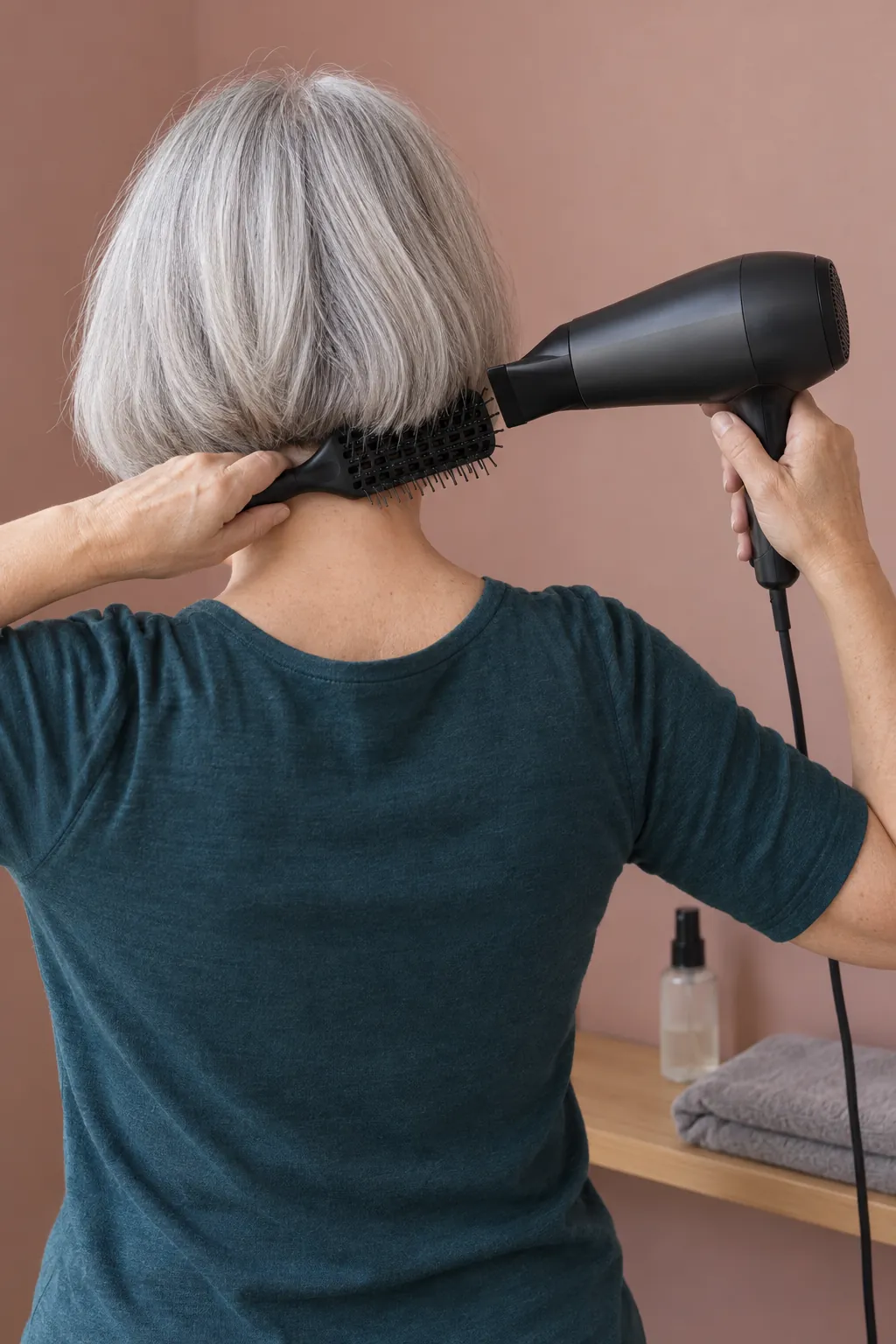
Less length can reduce the amount of hair to dry, yet a short outline may need more precise work after sleep. A bob can expose a bend at the nape or a cowlick that longer hair previously weighted down. A lob takes more length through the brush or diffuser, but it may offer a quick gathered option on busy days.
Compare the finish you want with the method you will actually use. For a smooth look, practise controlled sections and follow your tool and heat protection directions. For a natural finish, ask the stylist to show how the cut settles with your usual product and minimal handling.
Bring a photo from a normal morning if your hair behaves differently from the reference. Mention how often you wash, whether you use heat and how much restyling you tolerate. Those details say more about your likely routine than a promise that either length is easy.
Expect shoulders and collars to change the ends
A lob can bend outward where it meets the shoulders or a high collar. That bend is not automatically a bad cut, and it may suit a relaxed finish. If you want the ends to sit smoothly inward, ask whether a slightly shorter or longer stopping point would avoid the contact you dislike.
A chin length bob usually clears that contact point, but its outline is more visible around the jaw and nape. Small amounts of growth may change that line before you feel ready for a major haircut. Plan reassessment around the shape you want to maintain and the way your hair grows.

Choose how much change you want now
A lob can be a useful first step if you are unsure about losing enough length to expose the neck. You can evaluate your natural texture at that length before deciding on a shorter outline later. It is a choice to stage the change, not a guarantee that the shorter cut will eventually suit your routine.
If you already know you want a compact shape and can manage the tie back limits, a chin length bob may be the clearer brief. Tell your stylist the shortest acceptable front length, your preferred dry finish and the feature you most want to avoid. Pick the length that solves your recurring problem, rather than the one that looks easiest in a single photograph.