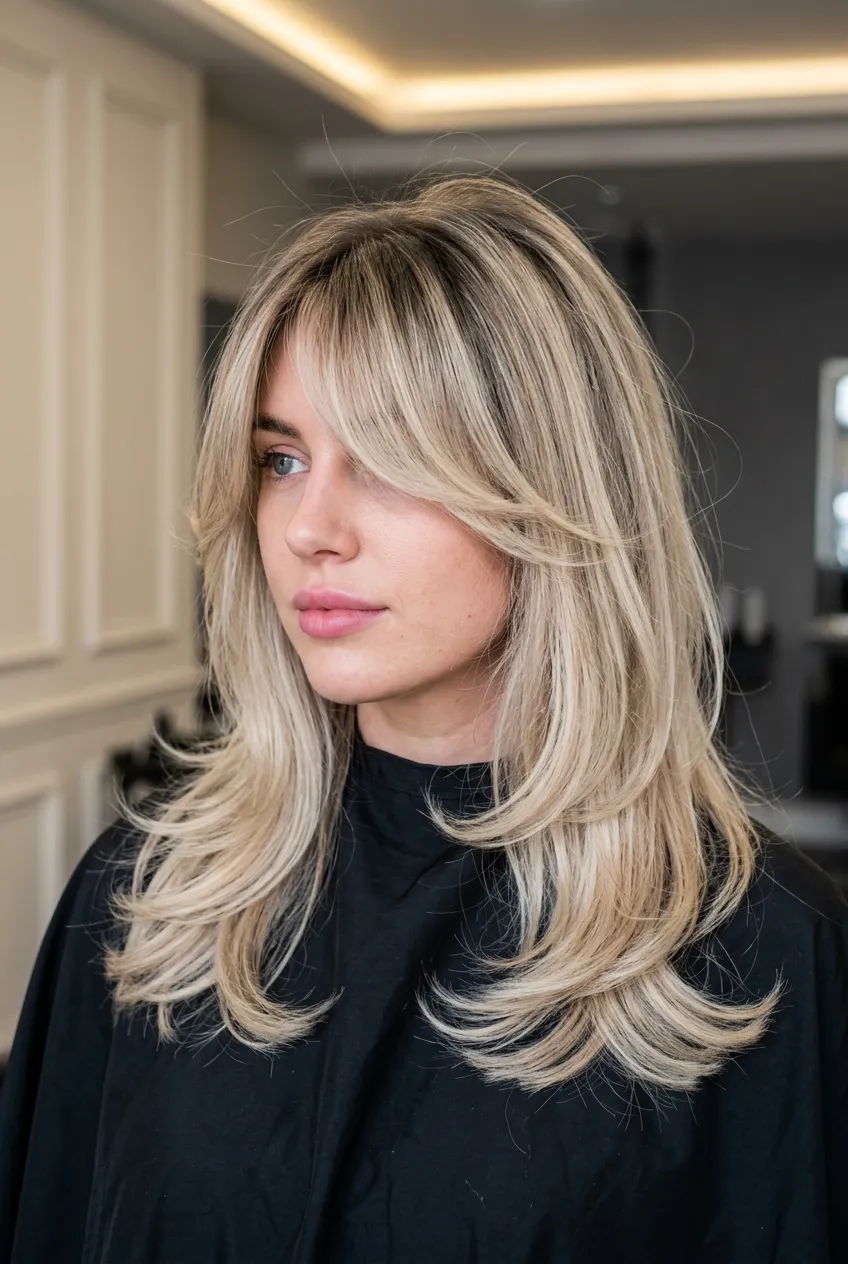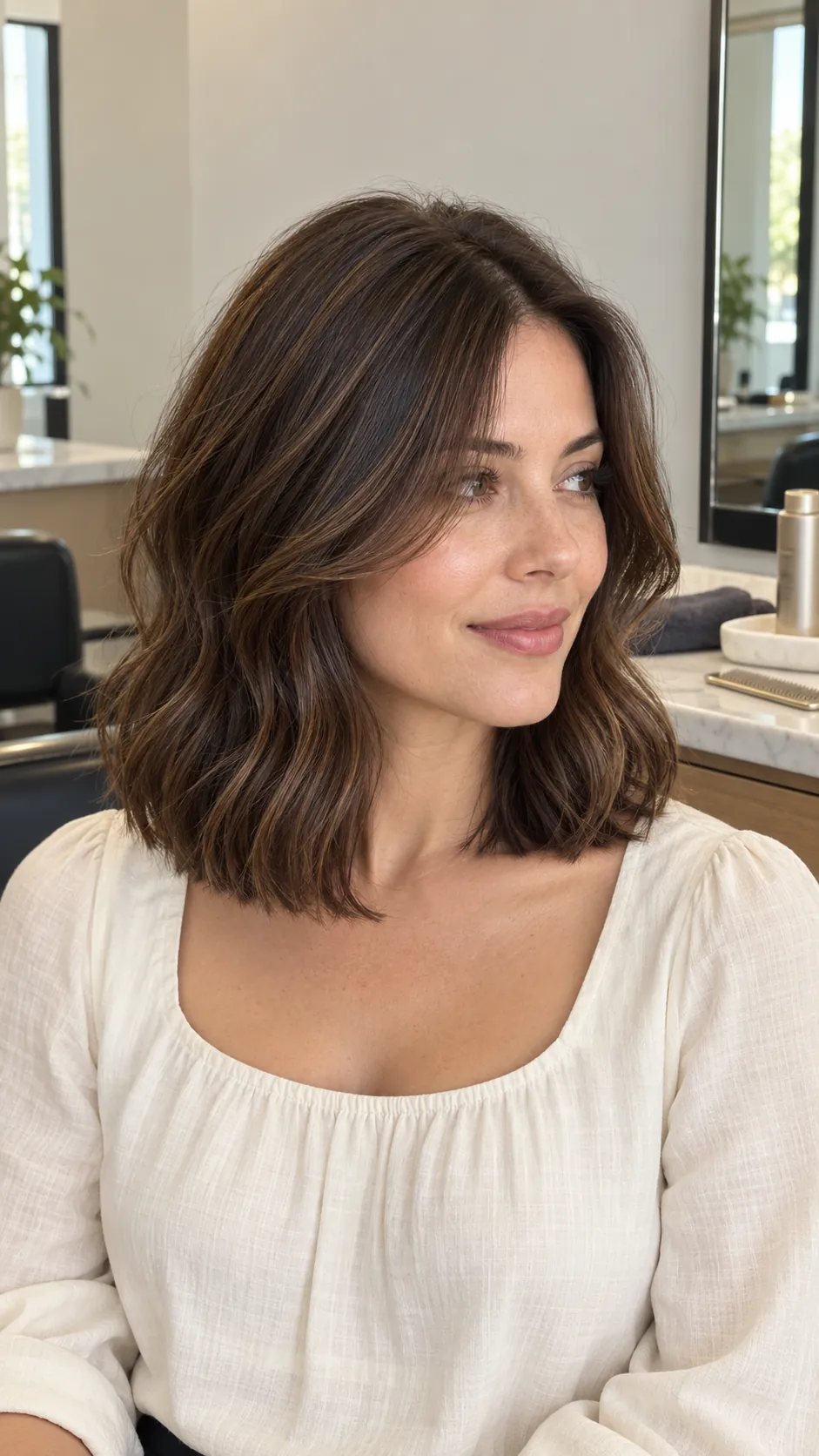

The frustrating part of a short haircut is often the morning after the salon. The ends turn out, the crown falls flat, or the shape needs more work than the reference photo suggested. Choose where you want weight to sit, and how you will dry your hair, before choosing a label.
Start with the outline, then look inside it
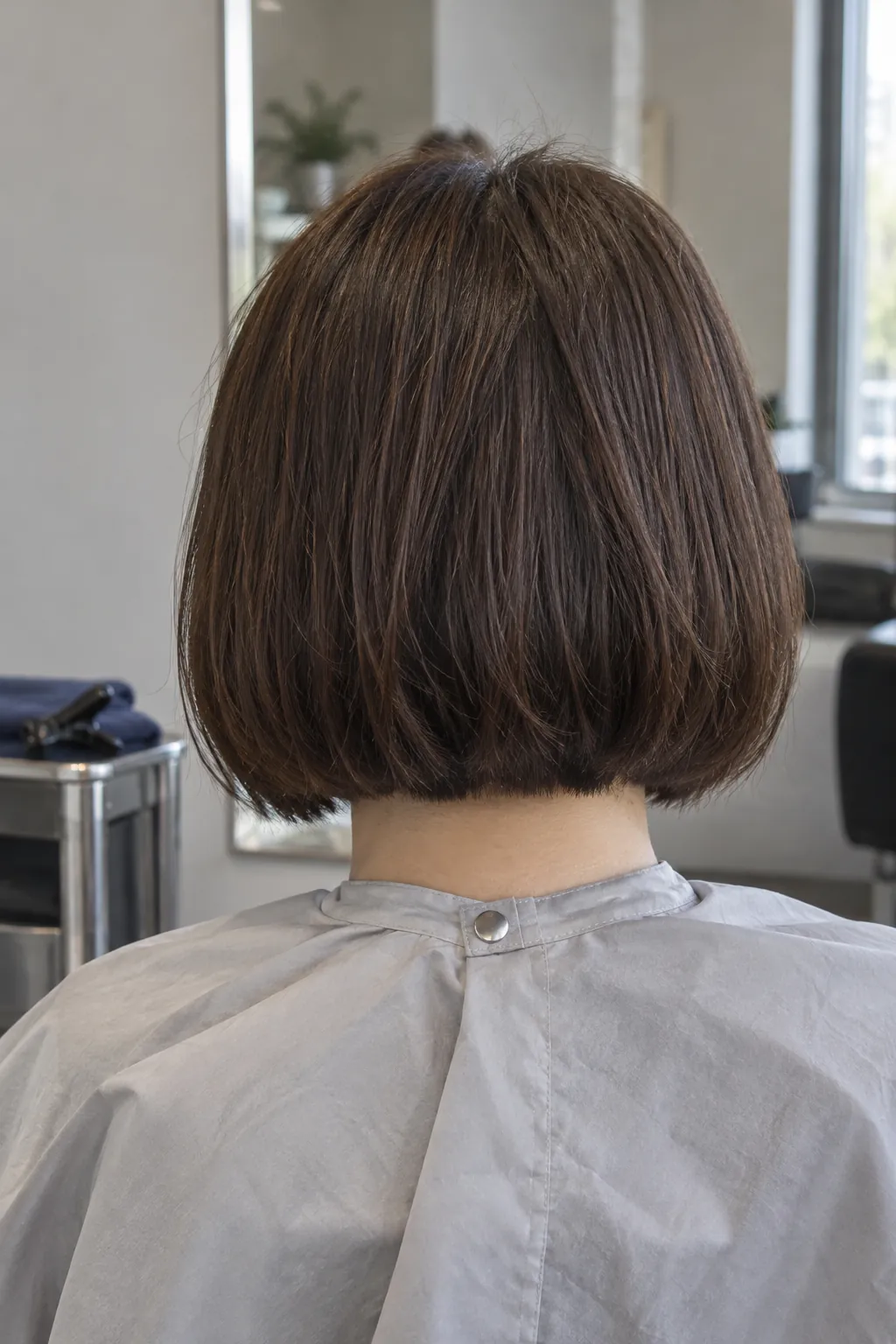
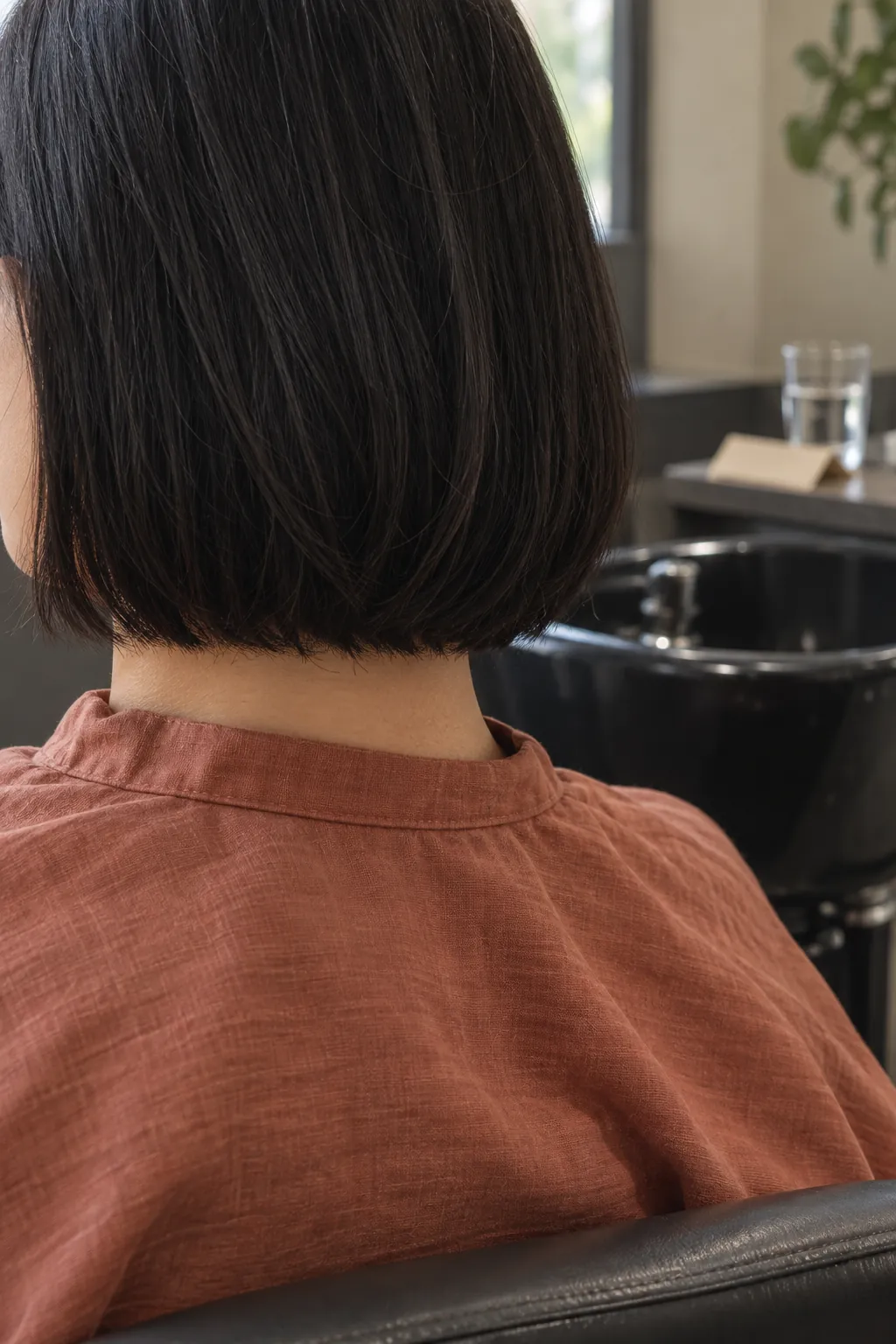
A blunt bob keeps a strong perimeter: most of the visible ends meet along one clear line. A layered bob contains shorter lengths within the shape, which can create movement and redistribute weight. These are not completely separate boxes, because a bob can have a blunt outline with restrained internal layers.
Look at a reference from the back as well as the front. A smooth styling finish can hide layers, while a waved one length bob can look textured without much layering. Ask your stylist to explain the cut beneath the styling, especially if you want to wear it straight some days and natural on others.
Protect the ends when your hair is fine
Fine describes strand thickness; density describes how much hair you have. If your ends already look sparse, a strong perimeter can make the edge appear fuller, although it does not create more hair. Extensive short layers can leave less hair reaching that bottom line, so request a conservative approach before committing to a heavily textured bob.

Let waves and density guide the layering
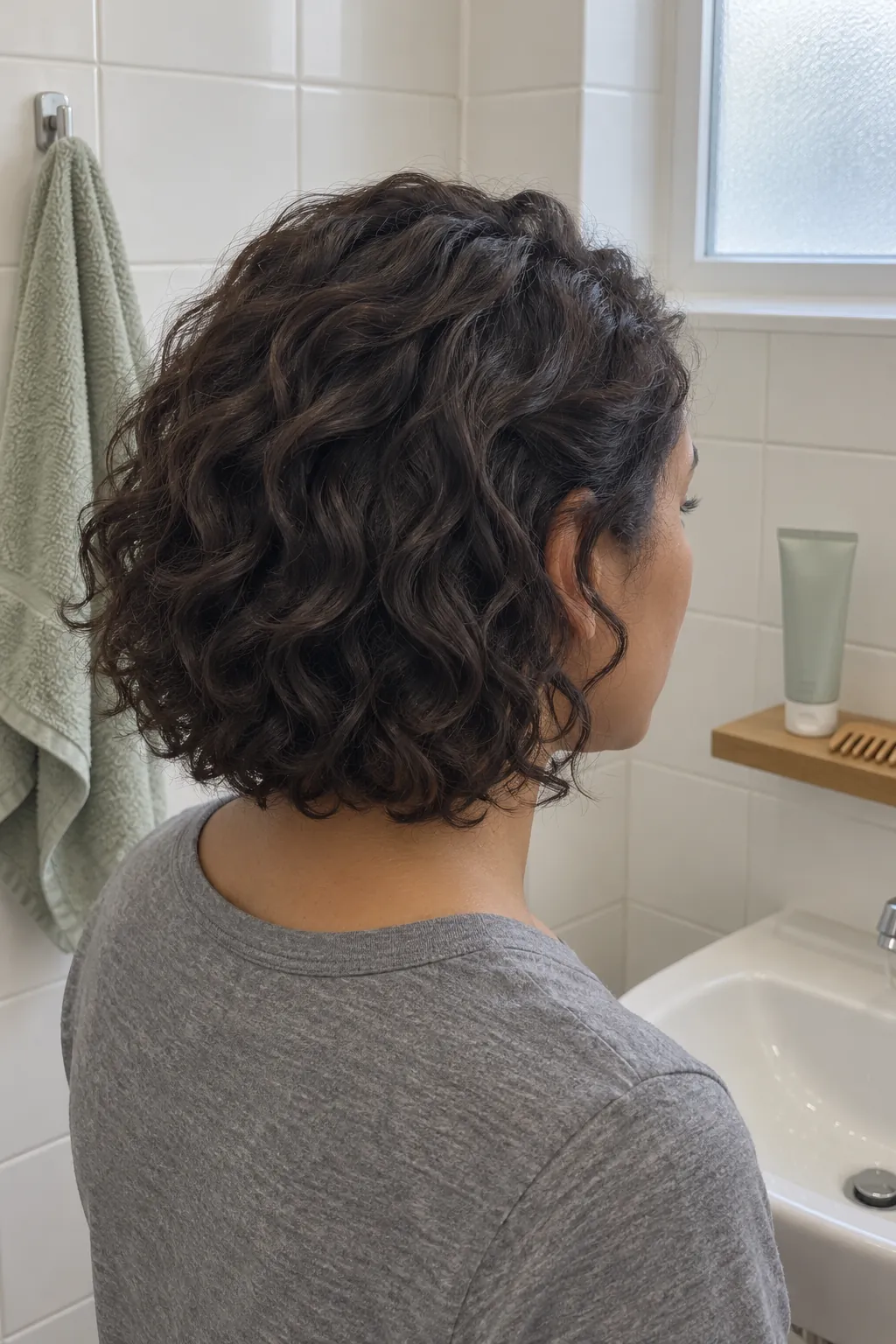
Dense hair may need weight removed from selected areas rather than more volume everywhere. Carefully placed layers can help waves separate and move, but taking them too short can produce a shape you did not expect. Ask the stylist to assess your dry pattern, crown growth and the way the sides expand.
A blunt edge can still work on wavy hair if you like a fuller silhouette. Bring a photo of your hair after your normal wash routine, without a salon finish. For curls, agree on the finished dry length because shrinkage changes where the perimeter lands.
Choose the morning routine you will repeat
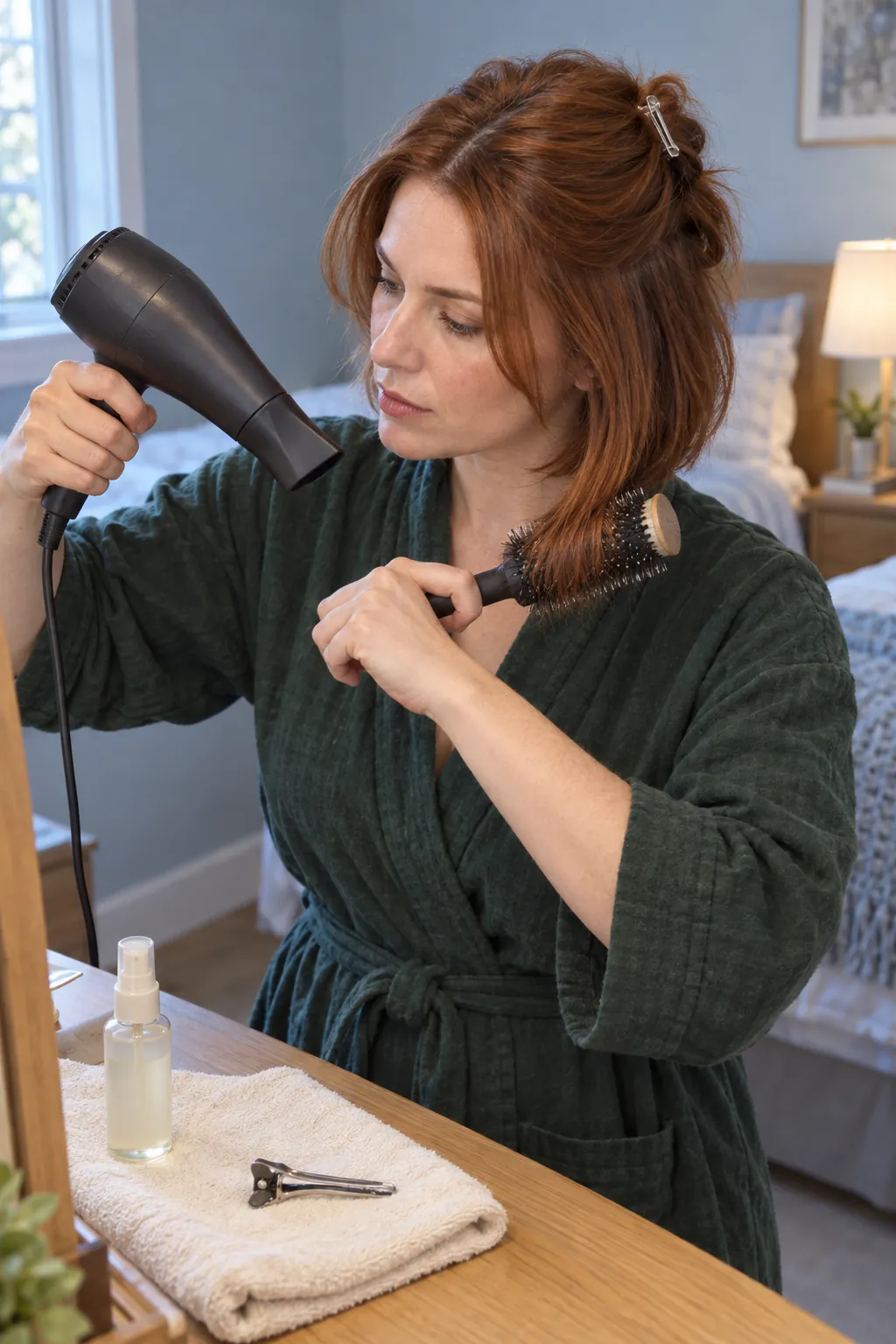
A sharp straight outline usually needs some directional drying if your hair bends outward overnight. Start with heat protection when using heat, dry the roots in the direction you want them to sit, and smooth small sections with controlled tension. Follow your tool instructions and use the lowest effective heat rather than repeatedly passing over the same ends.
Layers can support a softer finish, but they do not guarantee easy styling. Let waves set with minimal touching, or use a diffuser if that suits your usual routine. On straight hair, a little lightweight styling product may reveal the layers better than loading the lengths with heavy cream.
Test the reference against a realistic morning. If you will only spend a few minutes on your hair, ask for a demonstration with the tools you already own. A haircut that needs a full blowout to match the photo may be the wrong version for your schedule.
Plan trims around the shape you want to keep
A blunt bob can reveal small changes at the outline quickly, especially at the nape and around the jaw. A layered bob may lose balance as shorter sections grow, even while the bottom still looks tidy. Ask your stylist when to reassess your particular cut; a starting discussion around six to eight weeks is useful, but growth, length and your preferred finish can shift that timing.
Between appointments, notice what actually bothers you: a heavy corner, a flat crown or ends that catch on your collar. Take a photo before your next visit so the stylist can adjust that issue. Avoid removing bulk at home, because cutting a few visible pieces can change how the whole edge sits.
Give your stylist a brief with clear limits
Bring one photo for the outline and another for the amount of movement you like, then explain how you usually dry your hair. Specify the shortest length you will accept around your face and whether you need to tuck both sides behind your ears. If a ponytail matters, demonstrate the length you need rather than assuming every bob will tie back.
For a fuller edge with a little movement, ask whether a blunt perimeter with subtle internal shaping would suit your density. For a softer silhouette, discuss where layers would begin and what they will do when your hair dries naturally. Choose the version that works on your ordinary weekday, because the salon finish is only one way you will wear it.