

Growing out layers becomes frustrating when every trim tries to fix the same uneven shape. The shortest pieces gain length, then a well meant blending cut removes that progress. A better plan protects those short sections while keeping the perimeter healthy enough to look intentional.
The transition does not require ignoring your hair for months. It requires a clear target, conservative trim instructions, and styling choices that soften the gaps between lengths. Once you know which pieces must catch up, every salon visit becomes easier to judge.
Choose the Shape You Want to Reach
Decide whether you want a blunt one length cut, long invisible layers, or a softly rounded perimeter. Each goal requires a different stopping point. A blunt result asks the shortest layers to reach the bottom line, while long layers can keep a small distance between the crown and perimeter.
Take clear photos of the front, sides, and back in natural light. Mark the shortest layer and the current perimeter in your own copy so you can compare later. This record helps you notice real progress when daily mirror checks make the hair seem unchanged.

Give the Shortest Layers Time to Move
Hair growth is gradual, so a layer that sits near the jaw will not merge with a shoulder length perimeter in one trim cycle. Wait long enough to see a meaningful change before asking for new blending. Frequent reshaping can create another set of short pieces above the ones you are trying to grow.
If the cut looks bulky, change the part or add a soft bend before removing more length. Take another photo in the same light and position every several weeks. Compare the location of the shortest ends against a fixed feature, such as the jaw, collar, or shoulder seam.

Trim the Perimeter Without Resetting the Layers
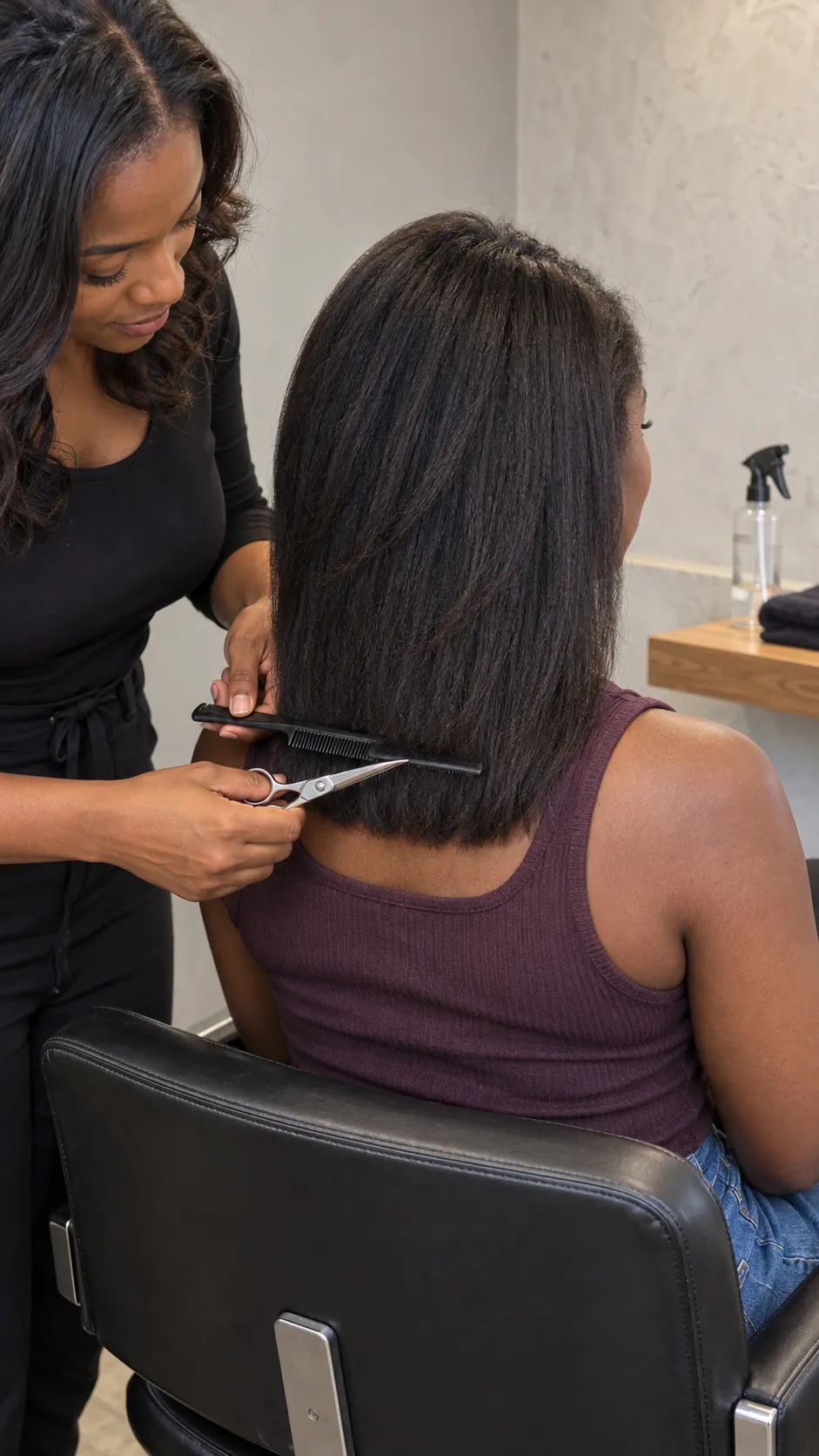
Ask the stylist to preserve the shortest layers and remove only what is needed from the bottom for condition and shape. A small perimeter trim can reduce a thin or uneven edge while the upper pieces continue growing. If you want a one length result, the bottom may need to stay at a similar length for a while so the layers can catch it.
Use direct language during the consultation. Say that length retention is the priority and ask the stylist to show the planned cutting line before beginning. If blending would require shortening the upper sections, ask what the haircut will look like if that step waits until the next visit.
Use Soft Movement to Blur Hard Steps
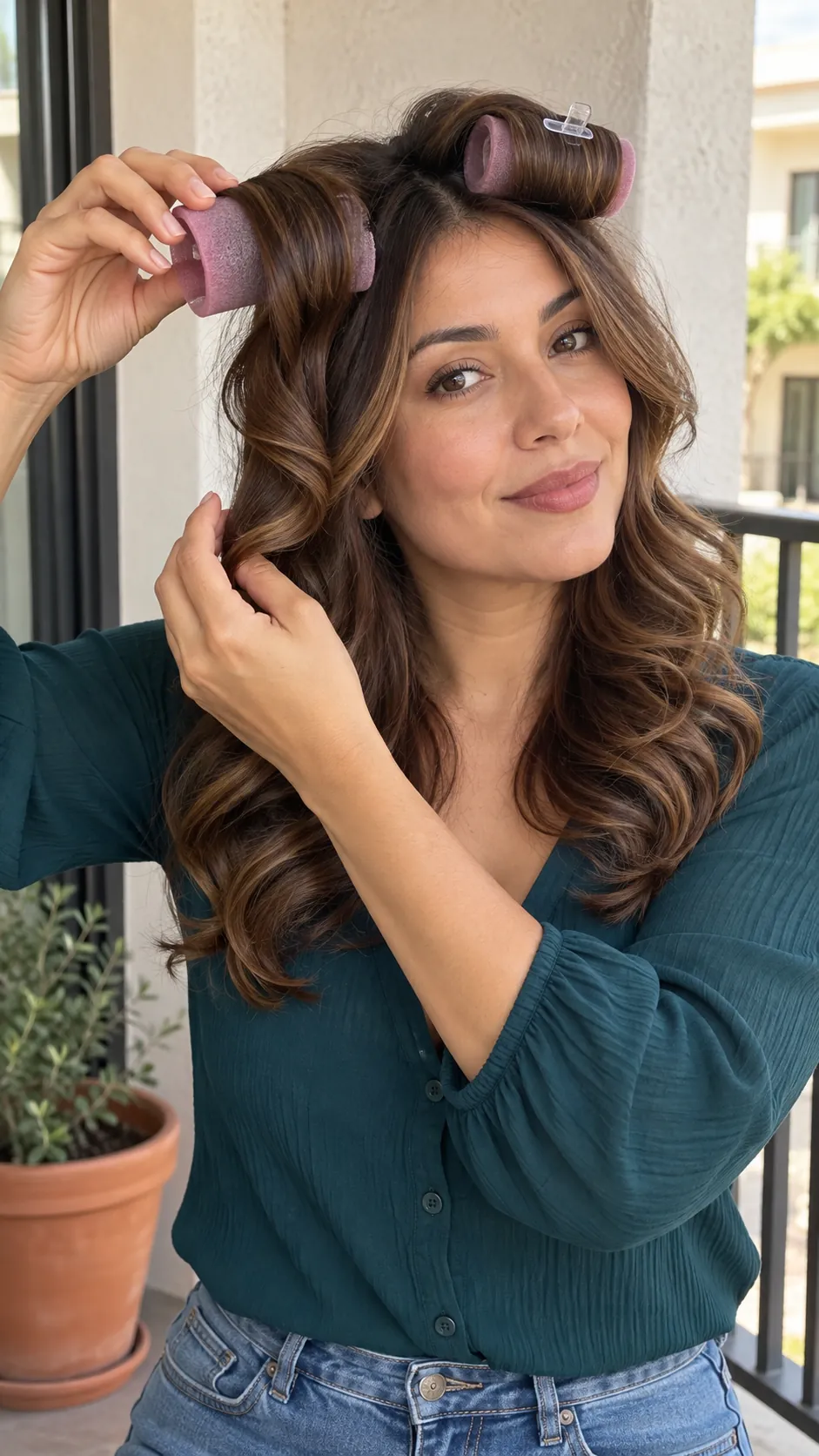
Very straight styling can make every layer line visible. Loose bends distribute the ends across different points, which makes a choppy step look softer. Use a heatless twist, large rollers, or a low temperature tool with heat protection if your texture needs help holding the shape.
Keep the bend broad rather than creating tight curls that shorten the overall look. Direct the shortest face layers away from the eyes and let the longer sections curve through the same area. A small amount of flexible cream on the ends can help separate movement without emphasizing each individual layer.
Rely on Styles That Welcome Mixed Lengths
A half up style gives shorter crown and temple layers a nearby anchor while leaving the longest sections loose. A low ponytail can use two small anchors, one for the nape and one for the upper hair. Soft headbands, small clips, and crossed bobby pins can control pieces that are not ready to join either section.
Avoid pulling every short piece toward one tight elastic. That approach often creates tension without giving the style better hold. Let a few face framing strands remain visible and match their texture to the rest of the hair so they look deliberate.

Protect the Length You Have Already Gained
Condition the middle lengths and ends, detangle from the bottom upward, and avoid repeated heat on the shortest pieces. Those layers receive frequent handling because they sit near the face and are often restyled. Reducing friction helps them reach the target shape with fewer broken ends.
Review the haircut when the ends feel rough, the perimeter loses its line, or the shortest layer has moved enough to change the shape. Bring your first photo and your target to the appointment. The strongest grow out plan is not the one with no trims, but the one where every cut has a clear purpose and preserves the progress you intended to keep.