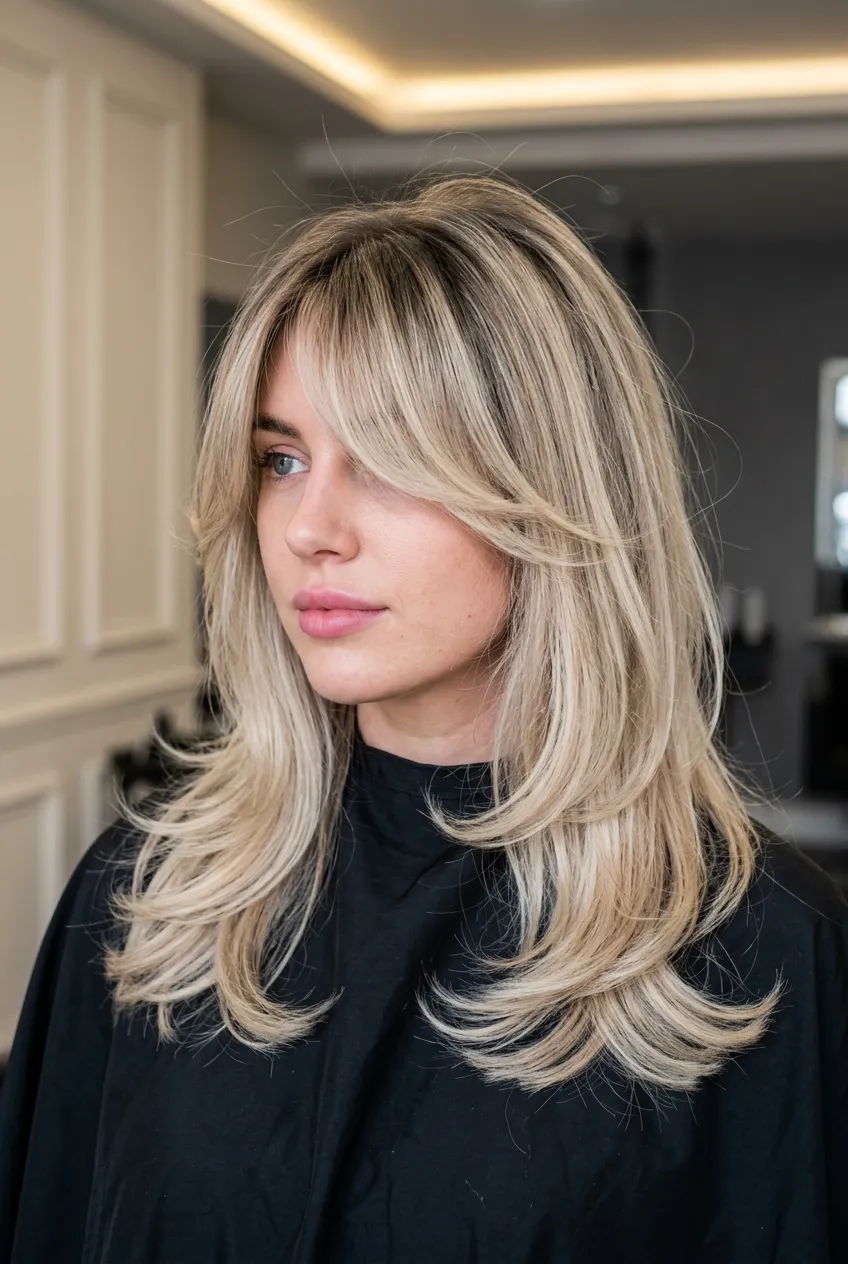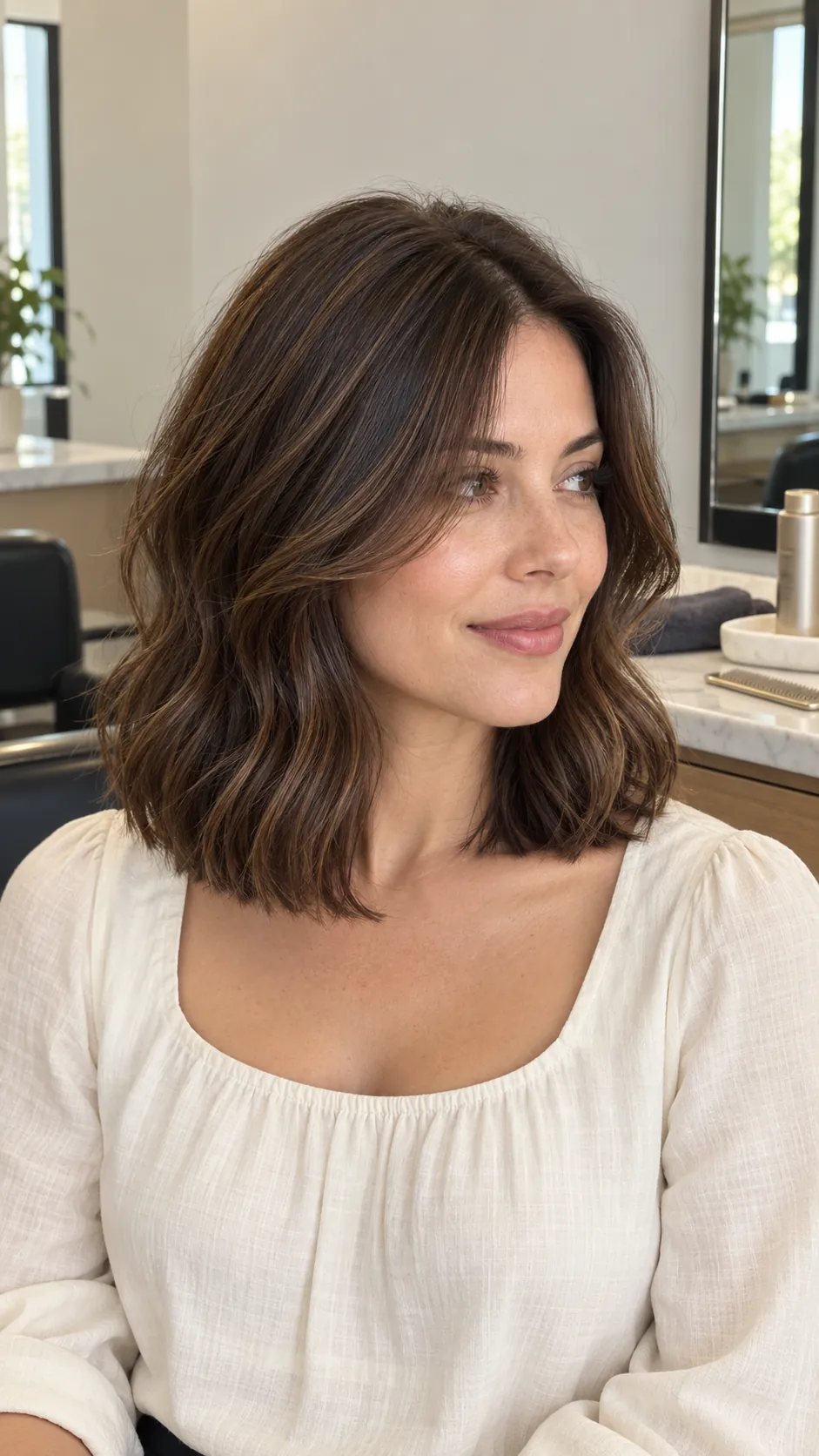

A bob can look full in a salon photograph and fall flat after the first wash. The useful question is where that fullness comes from: a substantial cut line, your natural texture, or a blowout you would need to repeat. Choose the outline first, then decide how much daily styling you want.
The term Italian bob is used loosely, so describe the length and shape instead of relying on the name alone. Bring a reference with hair density close to yours and ask what the cut will look like without styling. The images below illustrate different cuts and finishes, rather than guaranteed results for every hair type.
Chin Length With a Full Perimeter
A chin length outline gives the ends a compact, substantial appearance without relying on lots of short layers. Ask your stylist to check where the hem lands when your hair is dry, because waves can lift it above the length you expect. Turn the tips under gently with a round brush rather than rolling the whole side into a tight curve. If your hair is sparse at the temples, keep those front corners intact instead of thinning them.
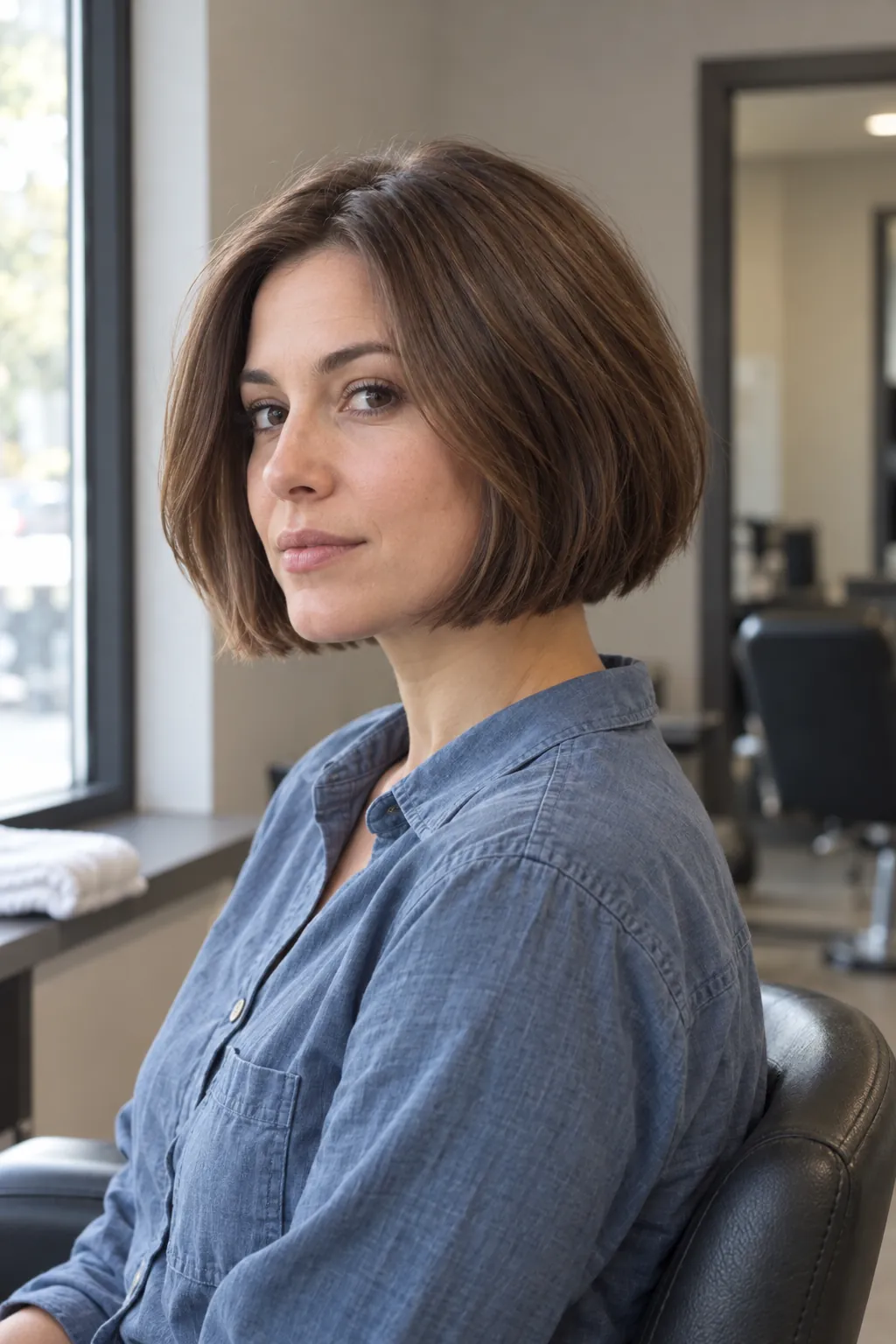
A Deep Side Part With a Loose Sweep
Moving the part to one side creates a fuller sweep across the forehead and makes the same cut feel less symmetrical. Dry the roots in the opposite direction first, then set the part where you want it to rest. The longer front section should still connect to the bob rather than become a separate fringe. Try the part before your appointment so you can see whether a cowlick keeps pushing it back.
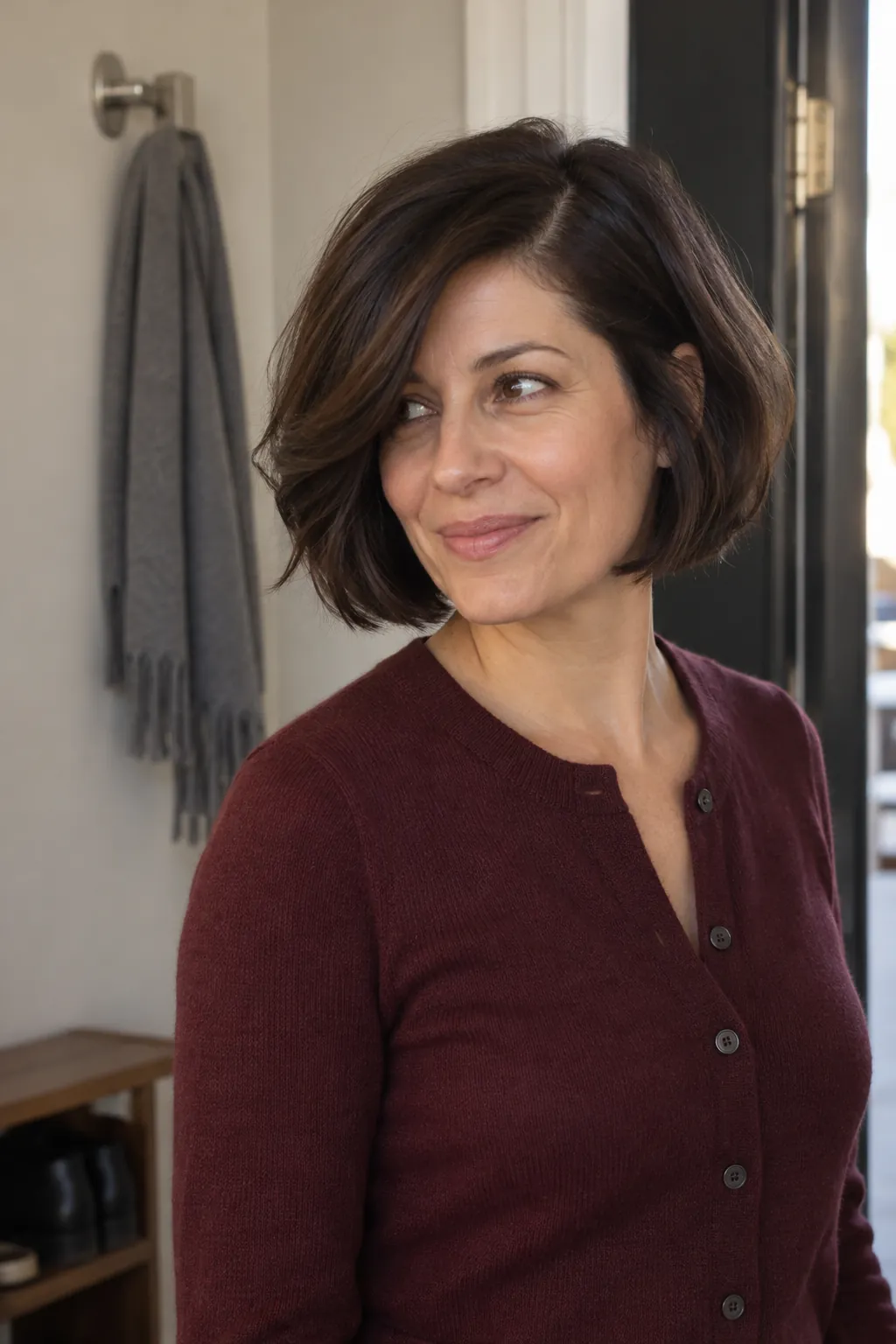
Jaw Skimming With Softly Beveled Ends
A small bevel makes the lower edge turn inward without building a tall stack at the back. This suits someone who likes a rounded bob haircut but does not want a very sculpted silhouette. Ask to see the nape and both sides before the finish is styled, since the blowout can disguise uneven corners. Direct the final brush pass downward so the ends tuck slightly instead of ballooning outward.
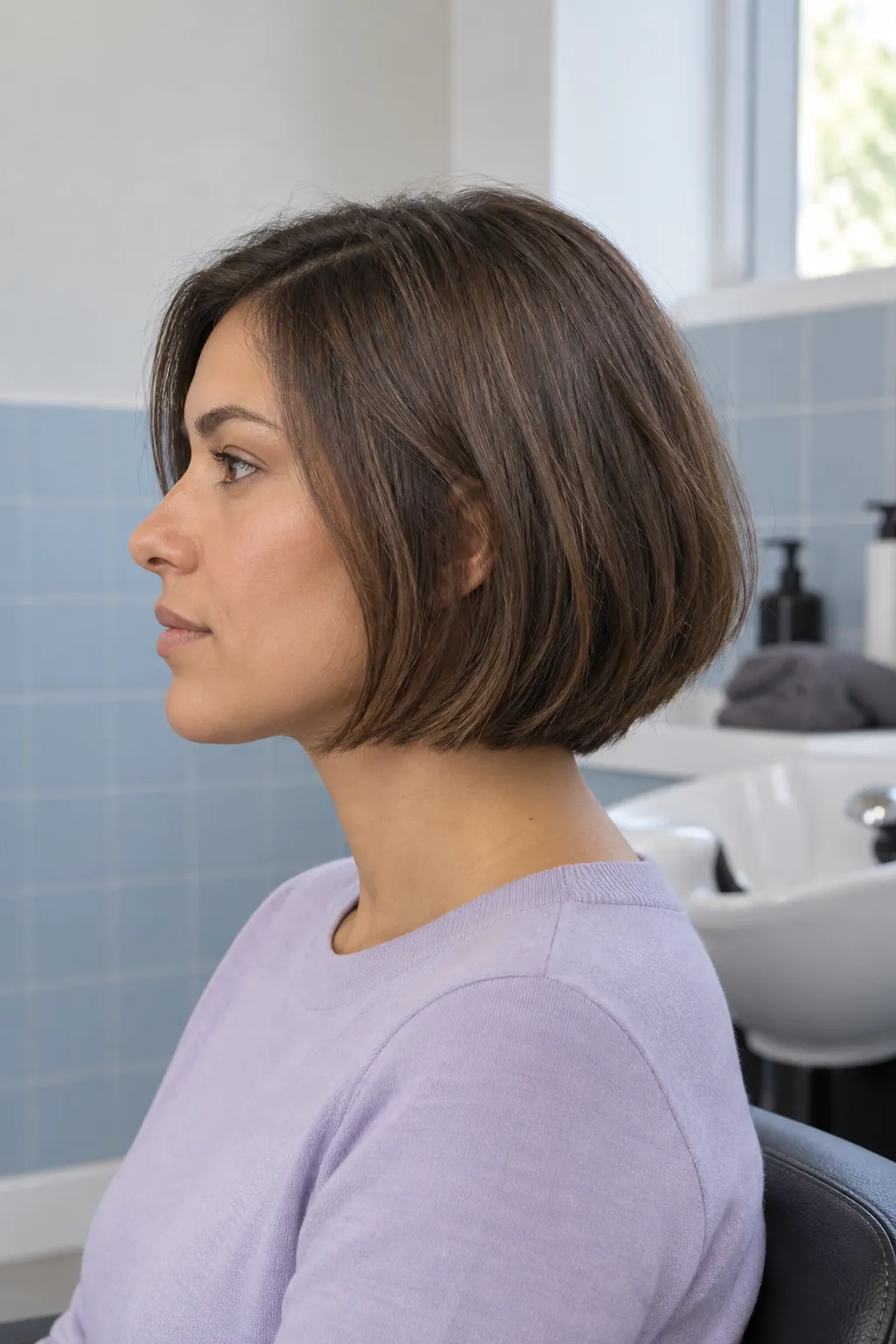
Cheekbone Curtain Pieces With a Dense Hem
Long curtain pieces can open the face while the main outline remains full. Keep the shortest pieces near the cheekbones if you want them to blend into the side rather than behave like short bangs. Styling those sections away from the face gives separation without cutting layers throughout the whole bob. Tell your stylist if you regularly tuck your hair, because the front pieces must be long enough for that habit.

A Longer Shape Just Below the Jaw
Taking the perimeter a little below the jaw leaves more movement through the ends and more room for a loose bend. It can be a useful starting point if cutting directly to the chin feels too abrupt. Ask for the finished dry length, not just the length of a wet section held straight. Check any ponytail or clip requirement separately, since this length will not reliably gather every strand.
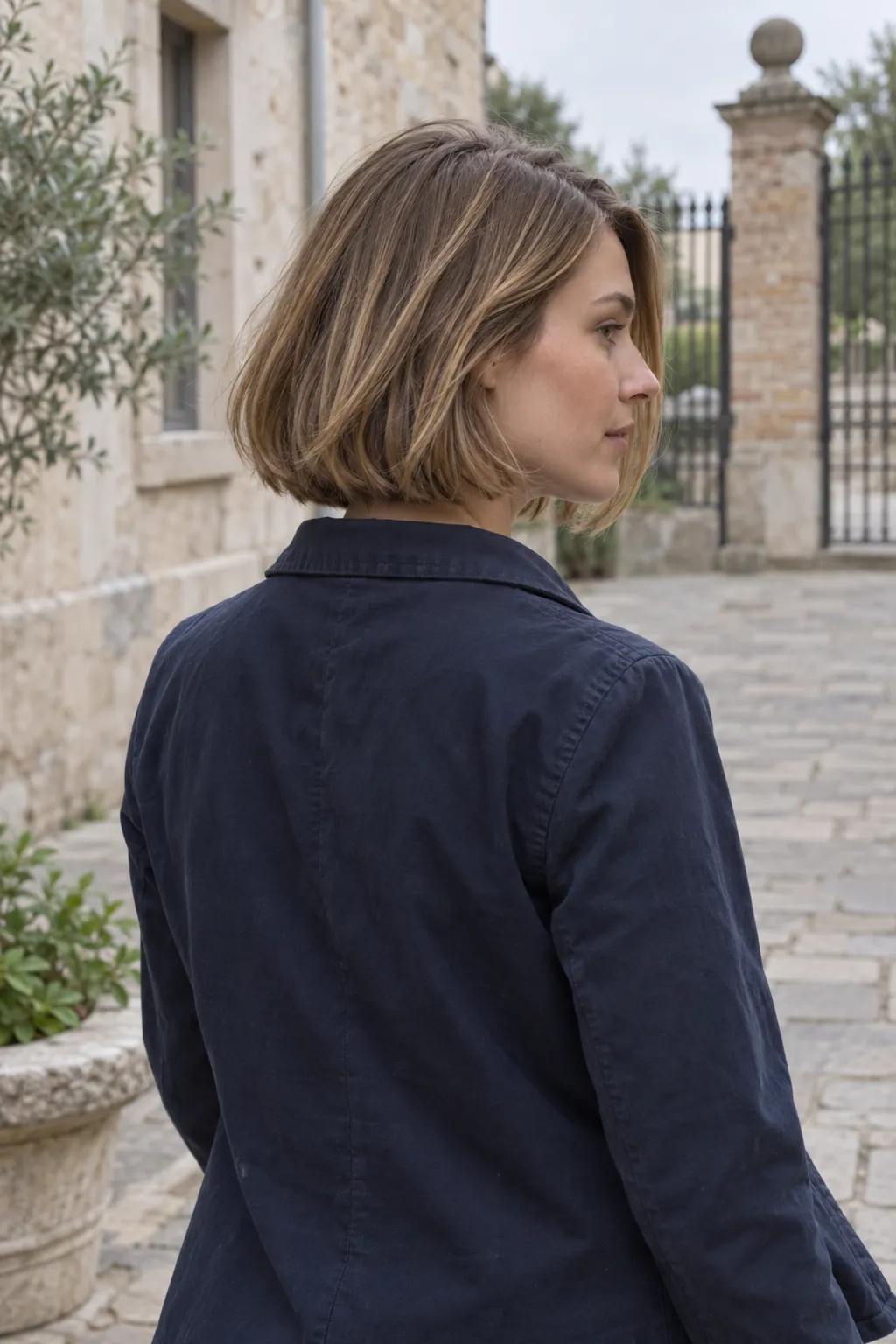
A Center Part With Broad Rounded Sides
A center part emphasizes a balanced outline, with volume distributed across both sides instead of concentrated in a sweeping front. Lift each side at the root during drying and let the tips turn inward only slightly. Very straight hair may need deliberate styling to keep this shape from lying close to the head. If one side grows forward more strongly, a slightly offset part can preserve the effect without fighting the growth pattern.

Loose S Waves Through the Midlengths
Broad waves give the bob movement while leaving the bottom edge recognizable. Bend a few sections in alternating directions and leave the last small portion straighter, rather than curling every strand into a ringlet. Separate the cooled sections gently so the finish looks soft instead of uniformly curled. On naturally wavy hair, work with the existing pattern and ask the stylist to assess the shape after it dries.

Fine Hair With Minimal Internal Layers
For fine hair, a dense perimeter often matters more than the amount of lift visible in a reference photograph. Keep internal layers restrained so the ends do not become transparent. A small amount of light mousse near the roots may support the blowout, while heavy oils through the lengths can flatten it. Show your stylist an unstyled photo of your own hair as well as the look you want.

Thick Hair With Hidden Weight Removal
Dense hair may need controlled weight removal inside the shape so the sides move instead of forming a rigid triangle. Ask the stylist to explain where the bulk will be reduced and which outer sections will stay long. The goal is a soft surface over a workable interior, rather than a visibly shredded hem. Review the natural dry shape too, because a sleek salon finish can hide how much the sides expand at home.
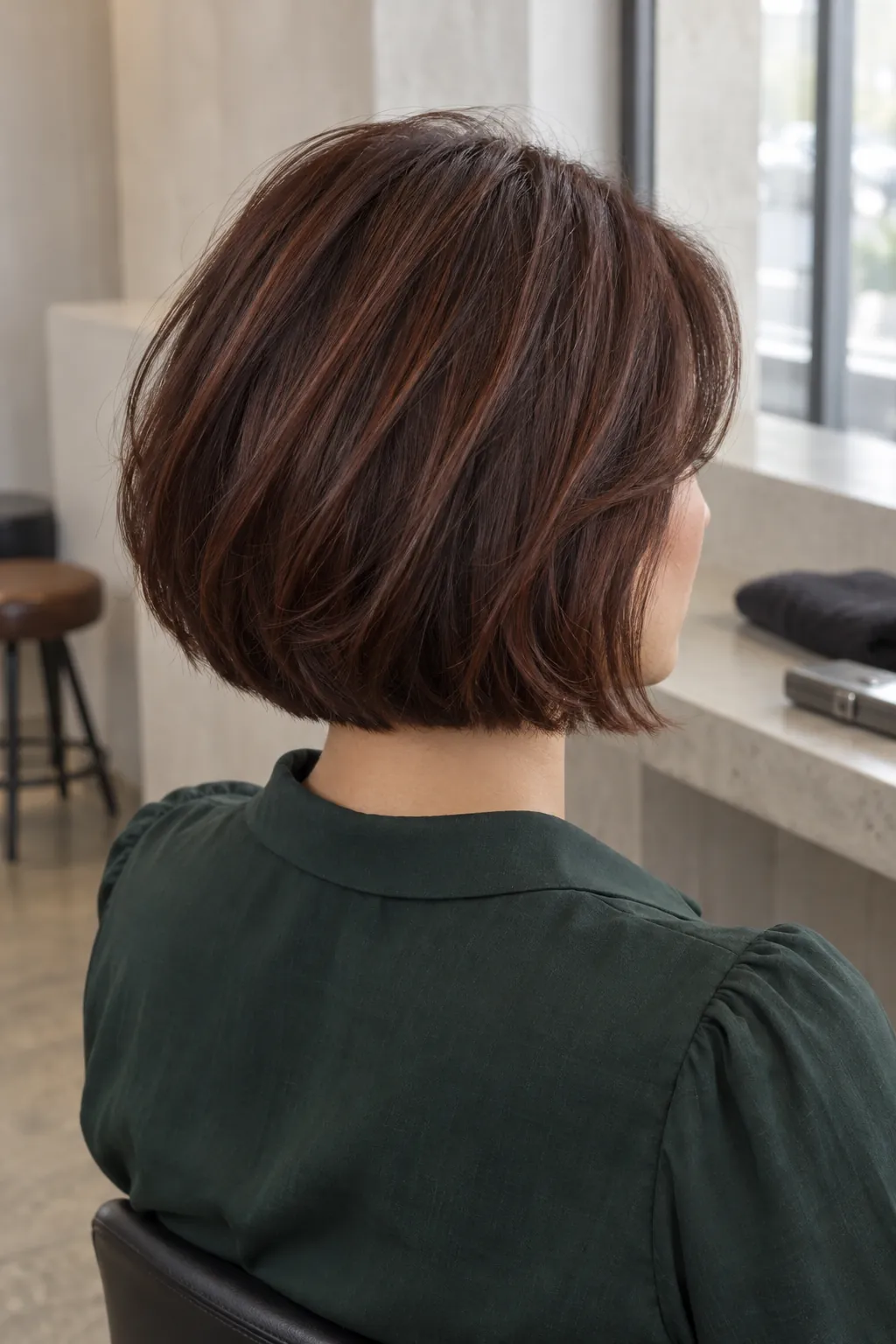
A Rounded Outline With Long Side Bangs
A long side fringe adds a directional line across the face without making the whole cut shorter. Keep enough length for the fringe to sweep into the opposite side of the bob. Blow dry it across the forehead before guiding it back, which can soften a stubborn root bend. If bangs separate easily on your hair, discuss a lighter section rather than committing to a heavy panel.

An Ear Tuck That Leaves One Side Full
An ear tuck changes the silhouette without requiring a different haircut. Keep one side loose so the rounded ends remain visible, and tuck only the section that comfortably reaches behind the other ear. A front piece that is cut too short may spring out immediately. Use this as a practical consultation check if you wear glasses or need hair away from your face during work.

Natural Waves With a Soft Outer Line
An Italian inspired shape can follow natural waves instead of depending on a smooth blowout. Have the stylist account for shrinkage and uneven wave strength when choosing the perimeter. Scrunch a modest amount of styling product into damp hair and let it dry before breaking up any cast. The finished edge may look softer than a straight bob, but it should still read as an intentional outline.

A Gentle Front Bend Away From the Face
Turning the front sections outward lets the sides look open while the rest of the bob stays rounded. Make the bend mainly beside the cheek instead of flipping every end in the same direction. This can refresh a familiar cut without asking for extra face framing layers. Use heat protection and the lowest effective tool setting, especially when those front pieces already receive frequent styling.

A Full Fringe With a Softly Rounded Bob
A full fringe puts a separate horizontal line above the rounded sides. Decide how dense you want the fringe before cutting, because borrowing too much hair from the sides can reduce their fullness. Dry the bangs first if they set quickly into an unwanted direction. Allow for fringe trims between larger appointments if you want to keep the line out of your eyes.

A Light Wispy Fringe With Intact Corners
A wispy fringe keeps more forehead visible and creates a lighter interruption in a substantial bob. The side corners should remain long enough to connect with the perimeter instead of being cut into a wide arc. Ask how the fringe will behave on an ordinary day without a fresh blowout. A small round brush can overcurl a short fringe, so use a gentler bend if it tends to puff outward.
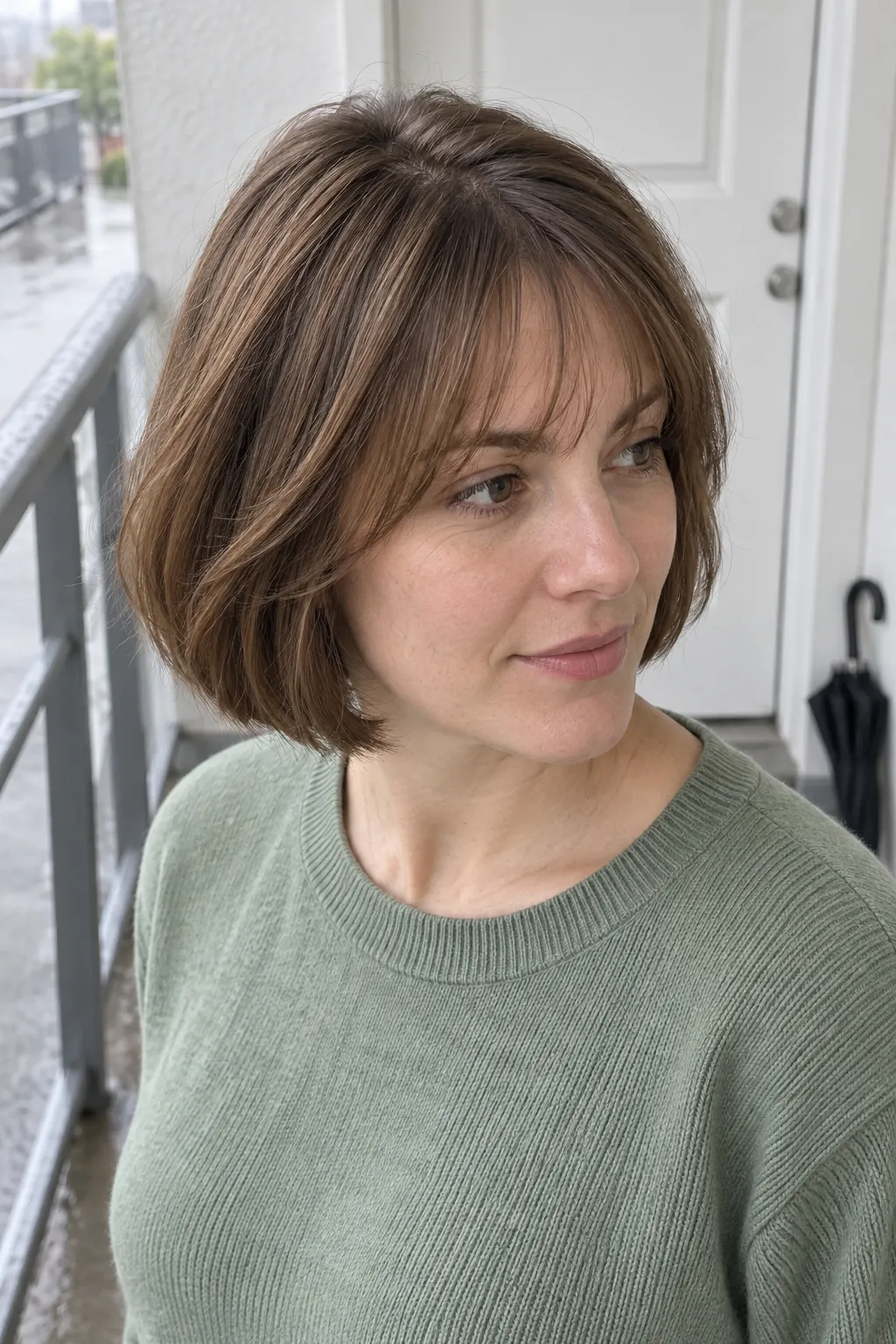
Silver Hair With a Smooth Curved Edge
A curved outline can make naturally silver hair look deliberate while preserving its own texture. Keep the styling focused on the edge rather than forcing every strand into an identical smooth sheet. If the front is more wiry than the back, ask for a finish that works with both areas. A restrained amount of smoothing product on the ends is easier to adjust than coating the roots.

A Nape View With a Low Rounded Shape
The back view reveals whether the cut has the quiet fullness you want or a stronger graduated stack. Ask for a low rounded shape with a substantial bottom line if your preference is closer to an Italian bob than a stacked bob. Show the stylist a rear reference, since a front photograph cannot explain the nape. Keep the neck comfortable and relaxed while the line is checked so posture does not distort the assessment.
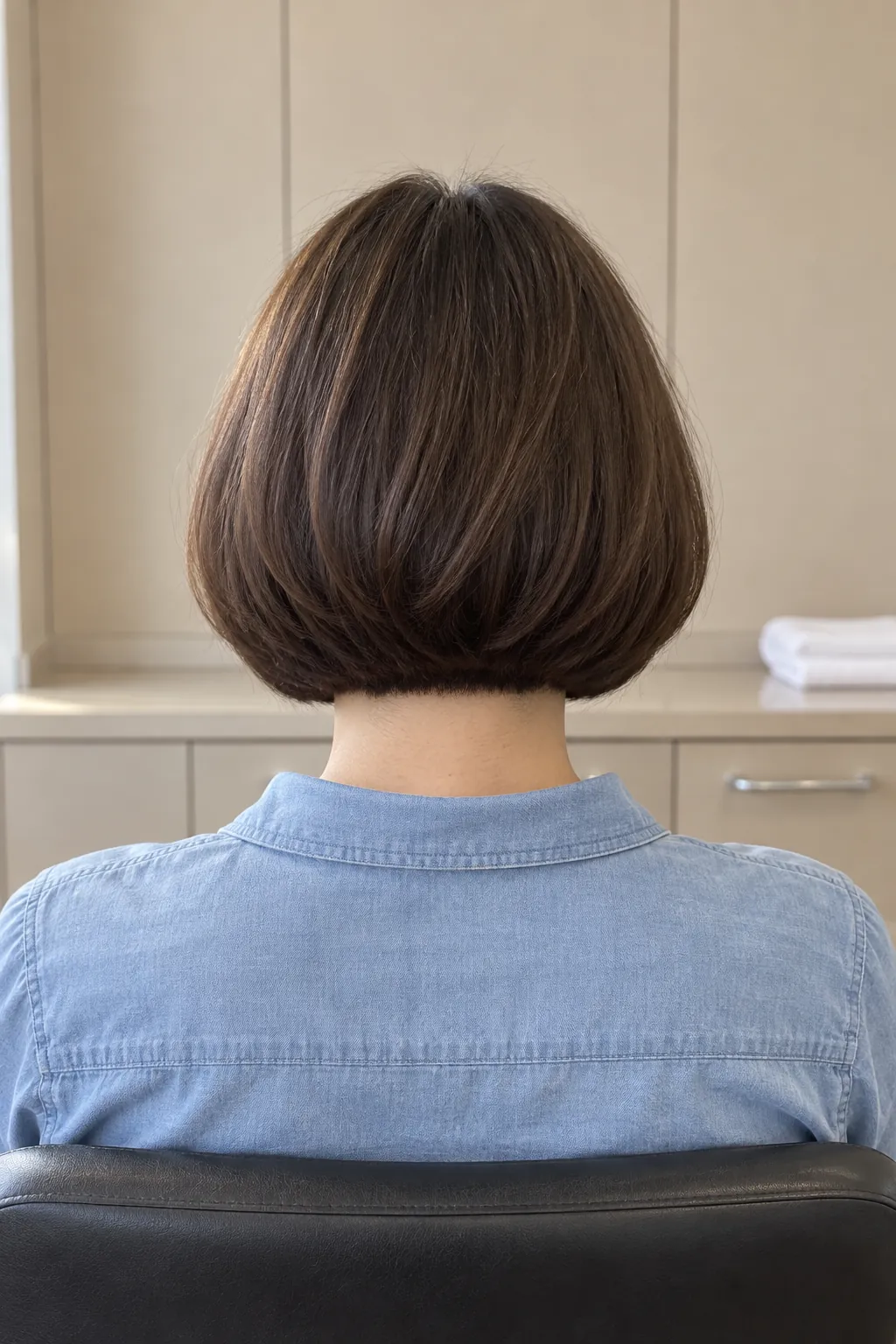
Airy Crown Lift Without Short Top Layers
Root lift and short layers are different ways of changing the silhouette. If you like a full crown but want a dense bob edge, try lifting the roots during drying before asking for a shorter top. Direct sections upward briefly, then let them cool where they can retain a soft curve. On hair that falls flat quickly, discuss realistic styling effort rather than assuming the cut will hold salon volume by itself.
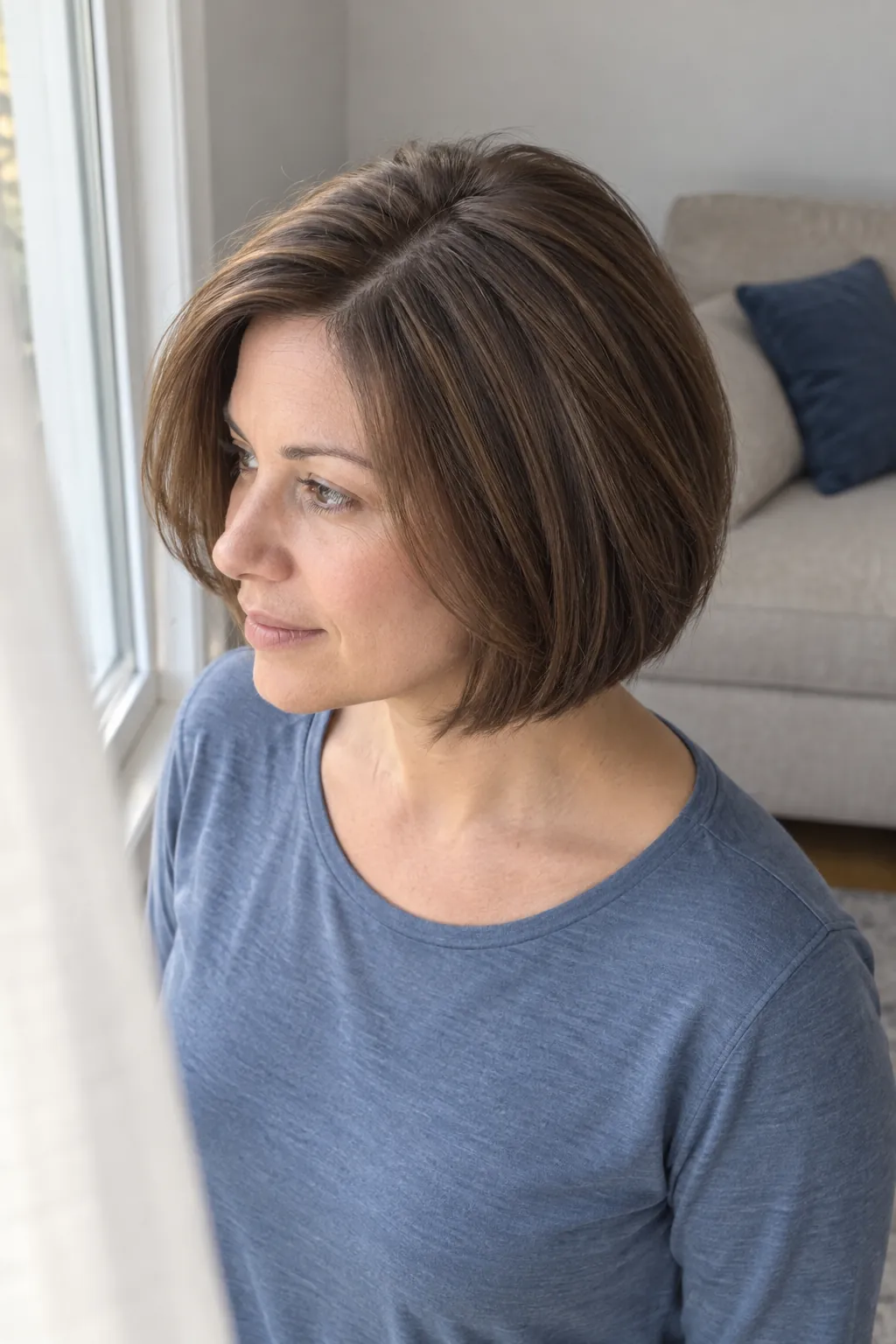
A Soft Blowout With Broad Brush Sections
Broad brush sections produce a looser rounded finish than wrapping many small sections tightly. Work in manageable portions so each section dries through instead of remaining damp beneath a smooth surface. Let the hair cool before brushing it together, which helps preserve the shape you have made. Keep the brush moving and avoid holding concentrated heat against the same ends.
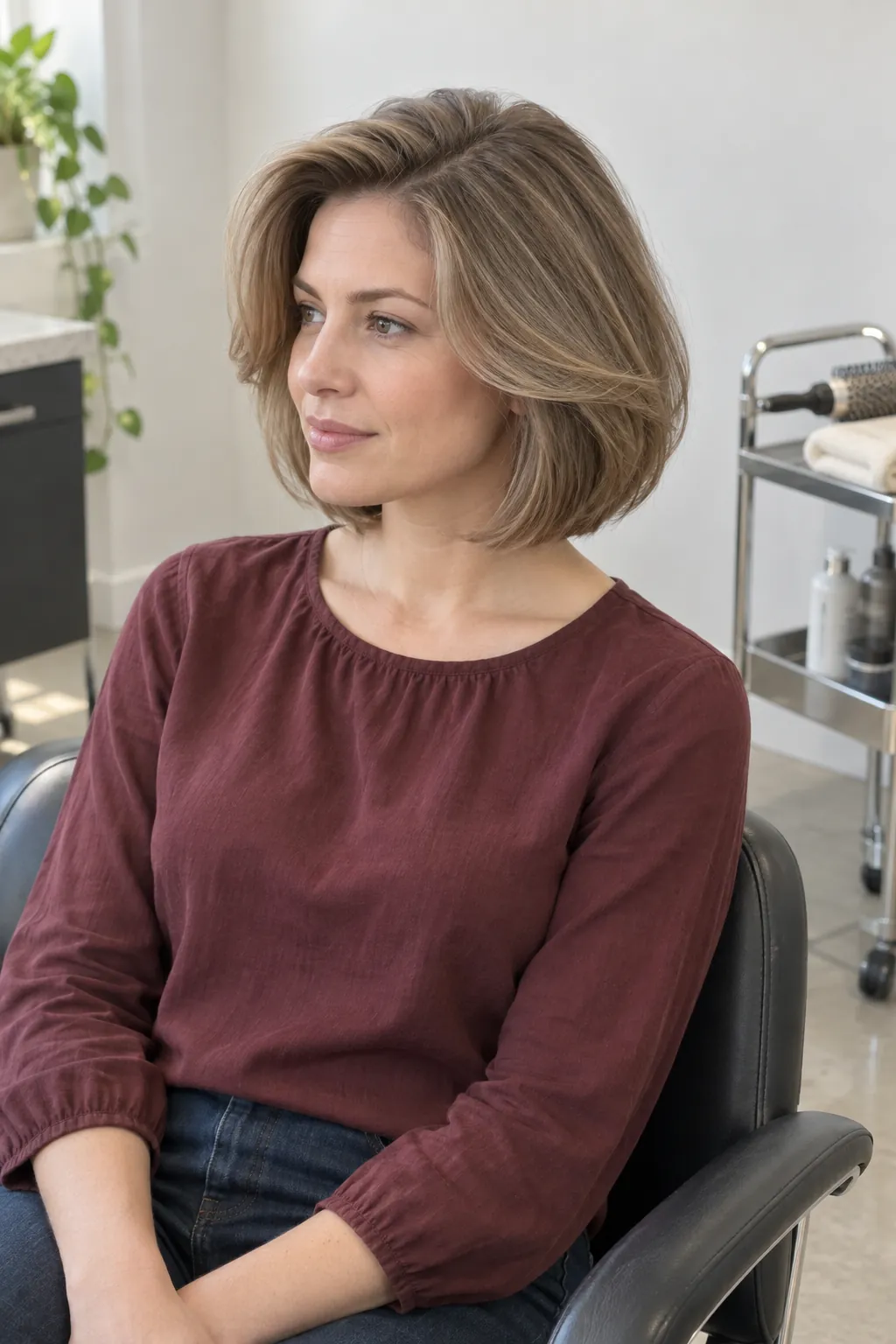
A Nearly Straight Bob With Slight End Movement
Soft volume does not require waves throughout the entire length. A nearly straight finish with a small inward bend can show the cut clearly and feel more practical for someone who dislikes a curled look. Concentrate the styling at the root and final edge while leaving the middle relatively relaxed. This is also a useful reference for asking what the haircut will look like with less elaborate daily styling.

A Relaxed Side Sweep With a Natural Finish
A relaxed sweep is a good final test of whether the shape works beyond the salon chair. Let the part sit where it falls comfortably and keep the ends loose enough to move when you turn your head. Choose the reference for its cut line and density, rather than expecting your own hair to reproduce someone else’s exact texture. Bring front, side, and back examples to the consultation, then agree on the length, layering, and styling you can maintain.