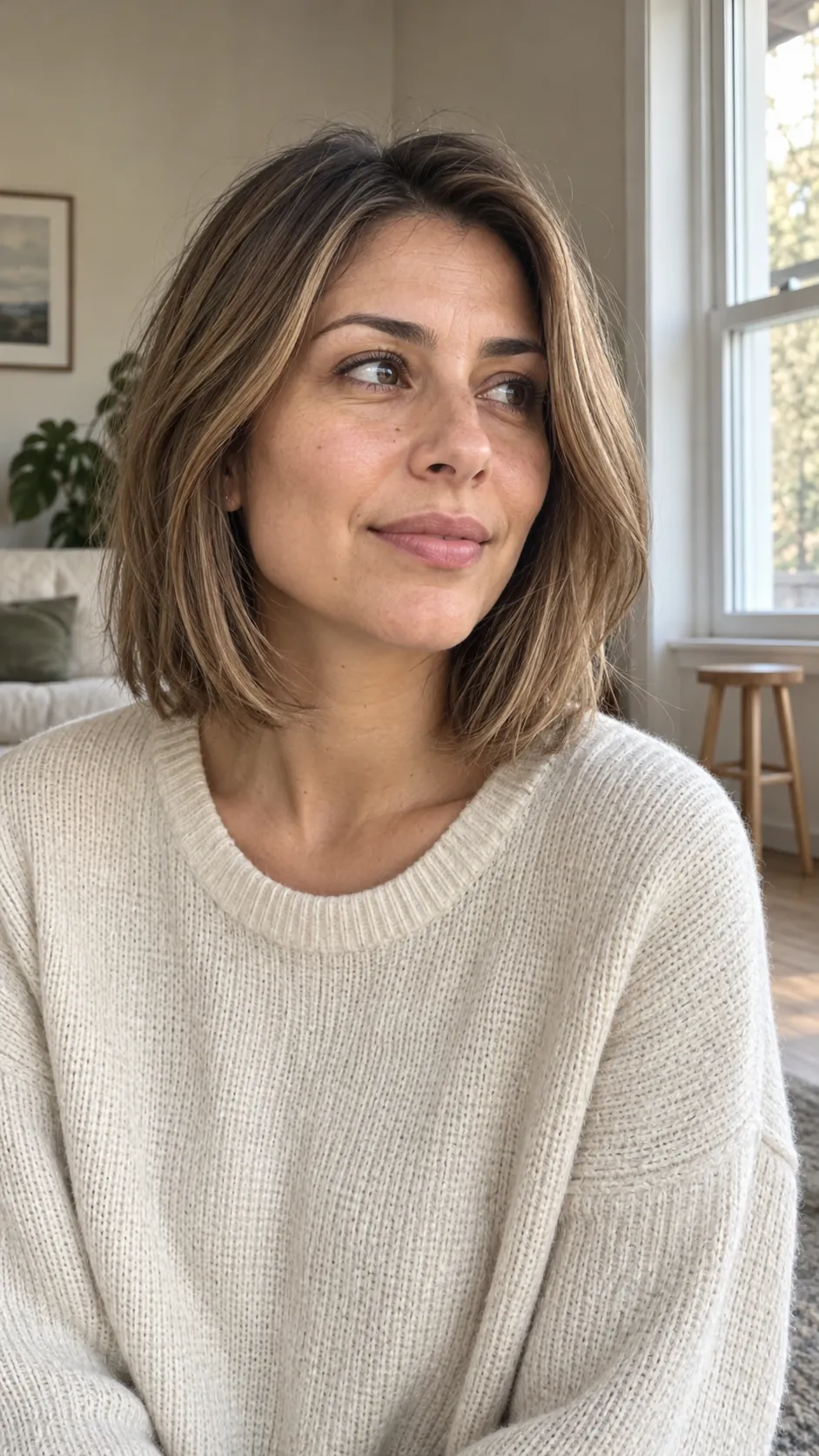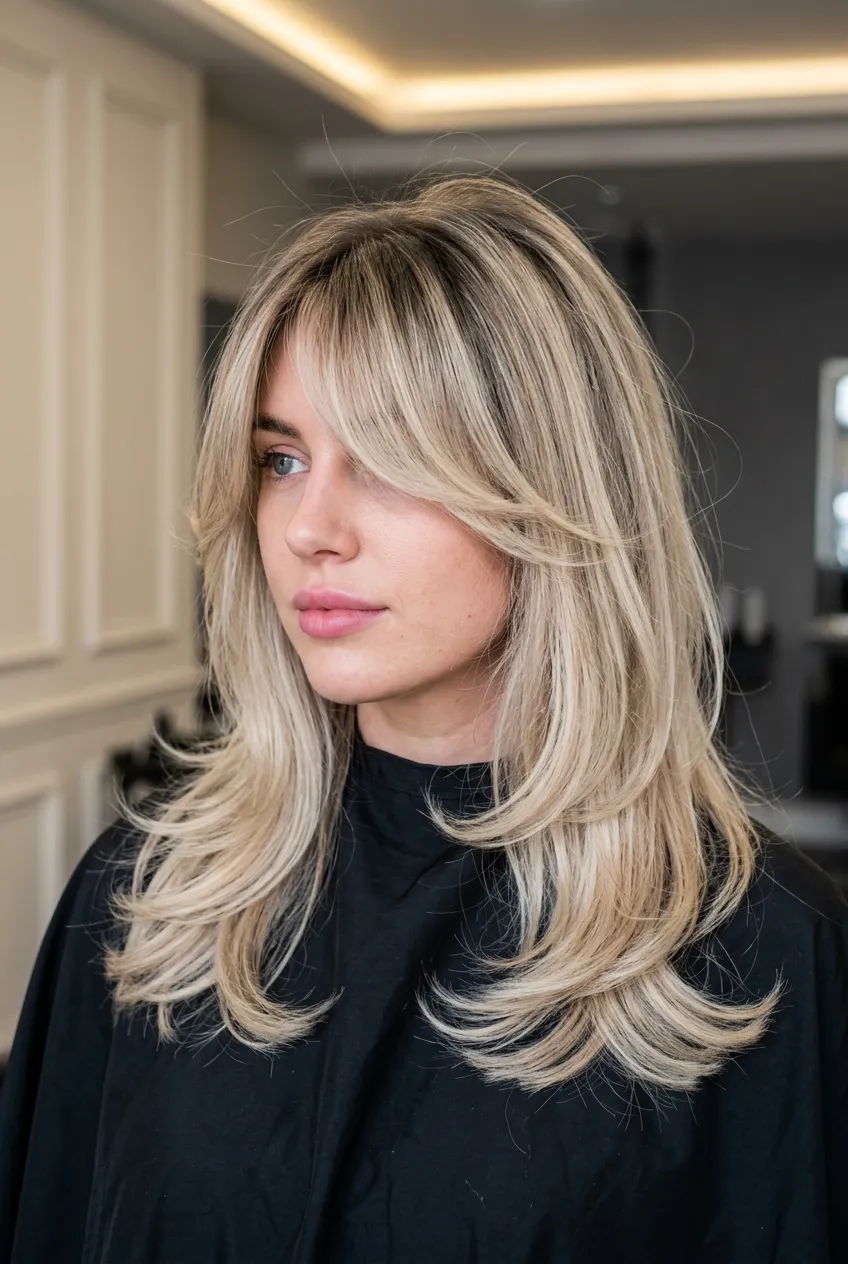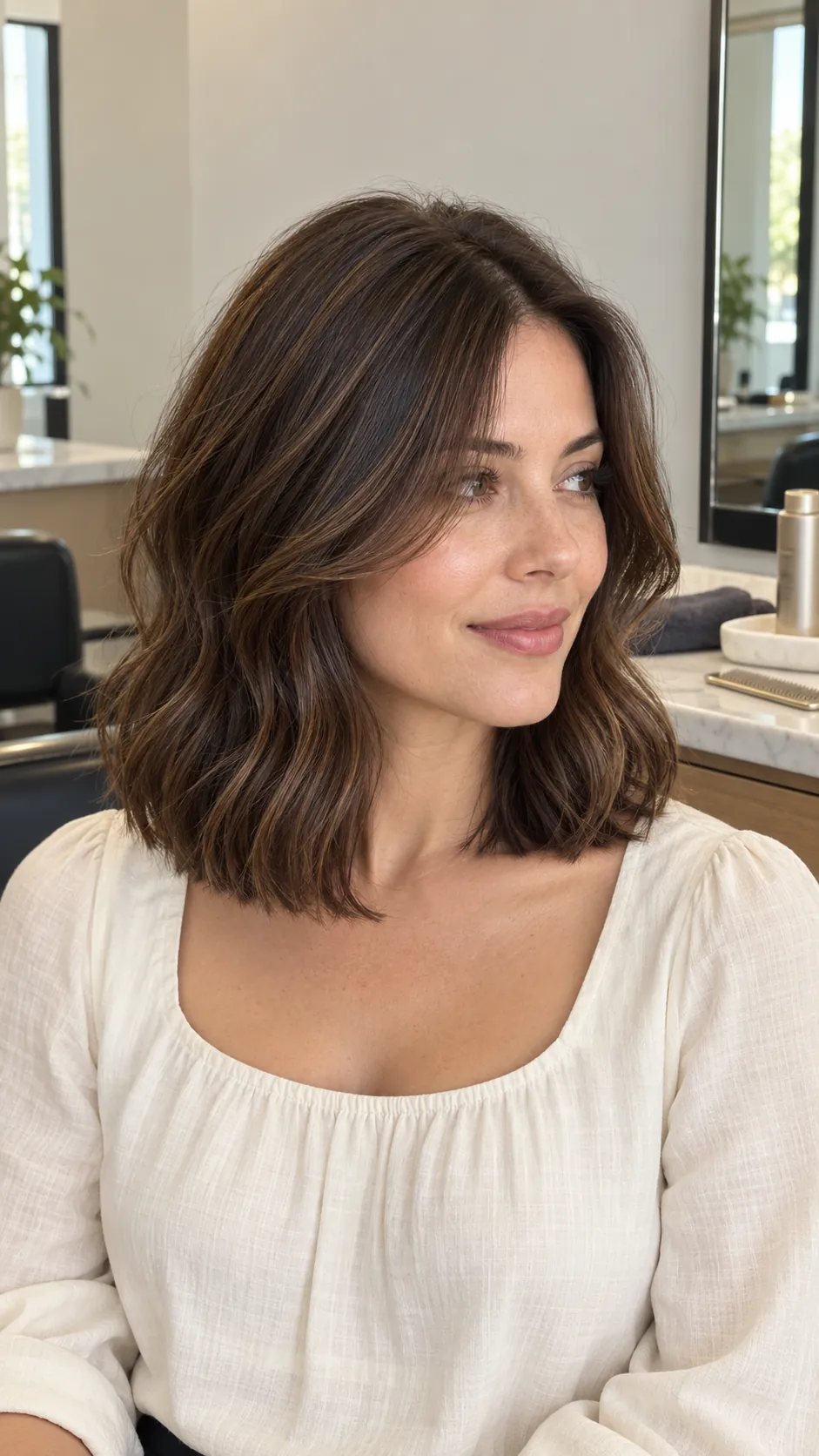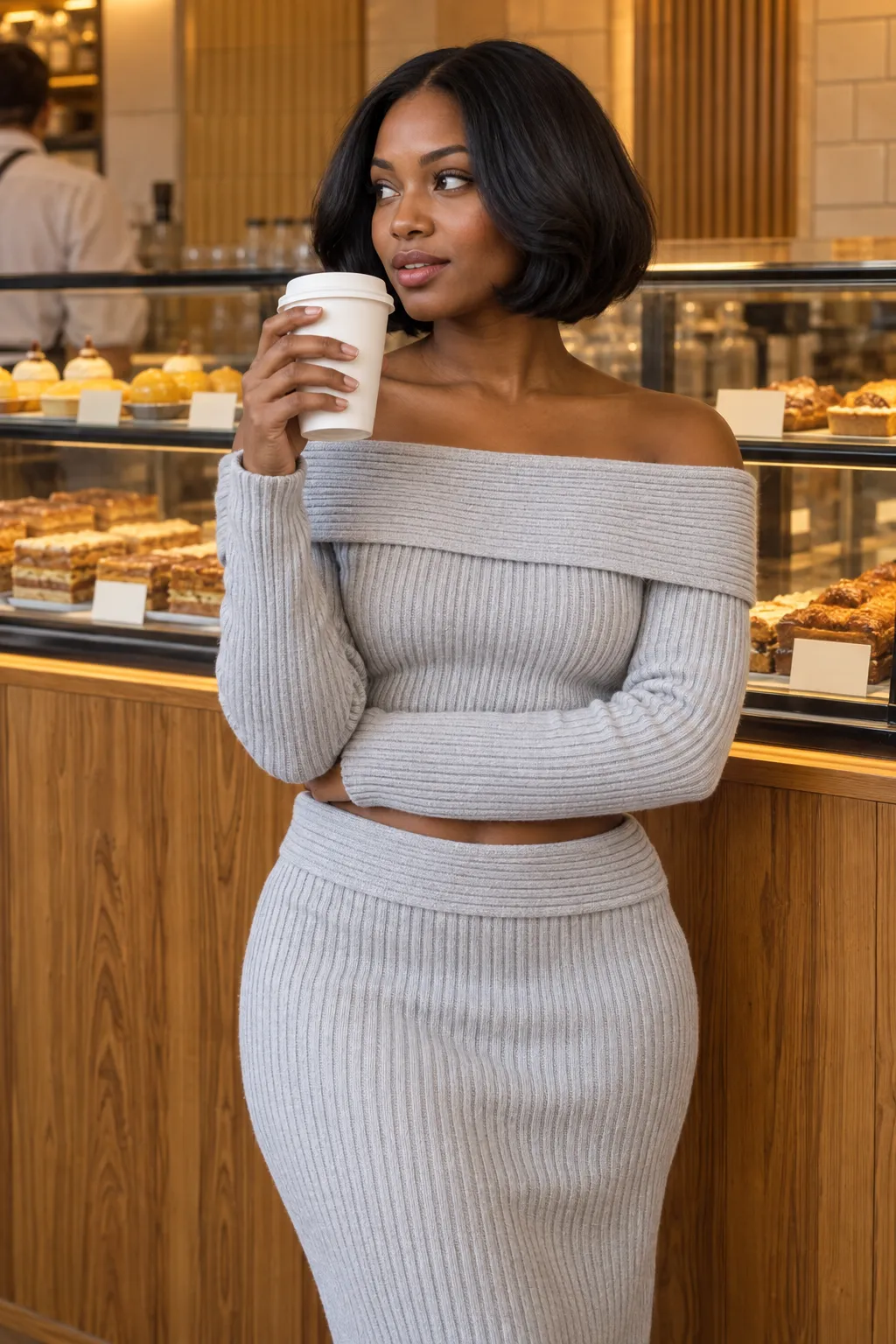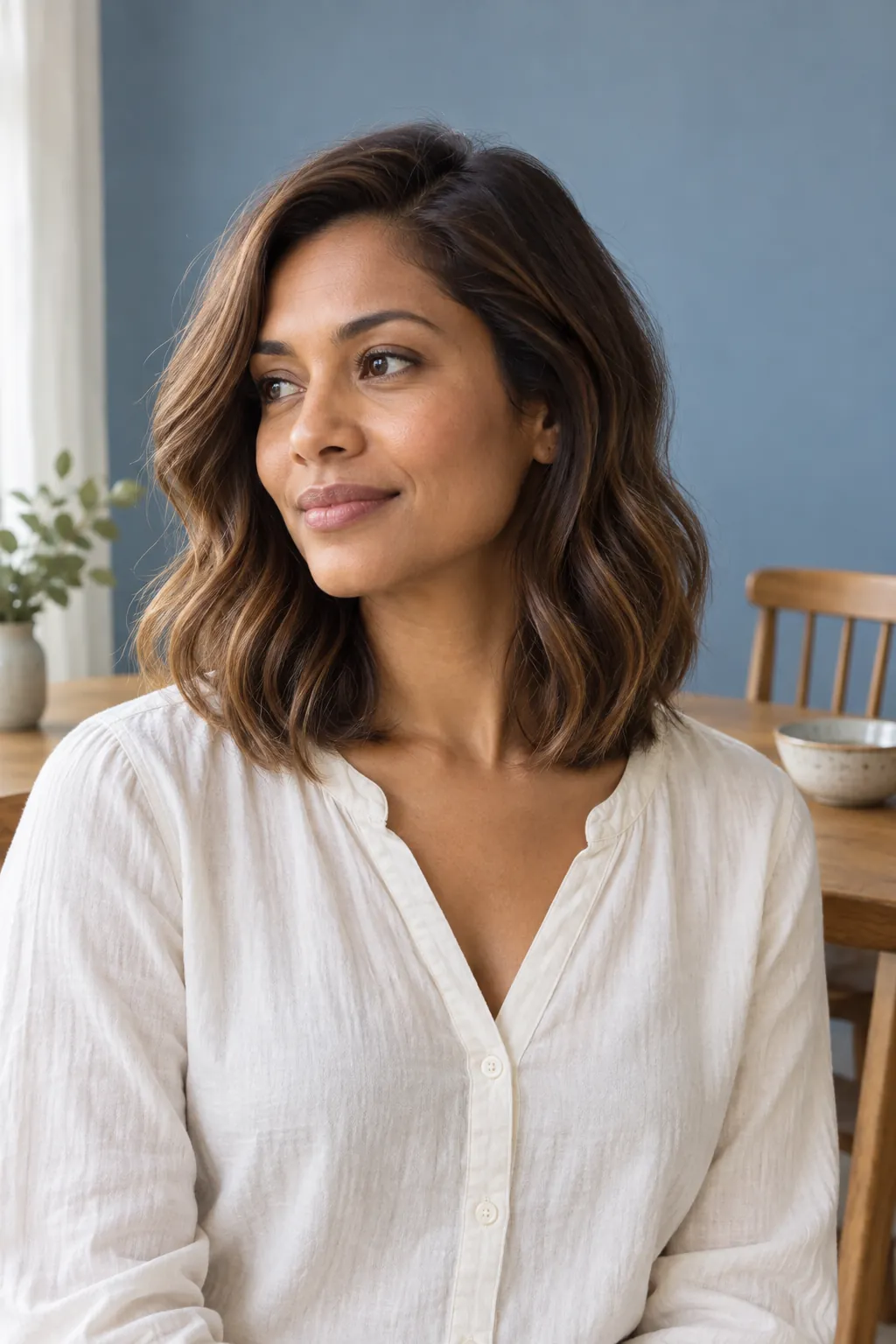
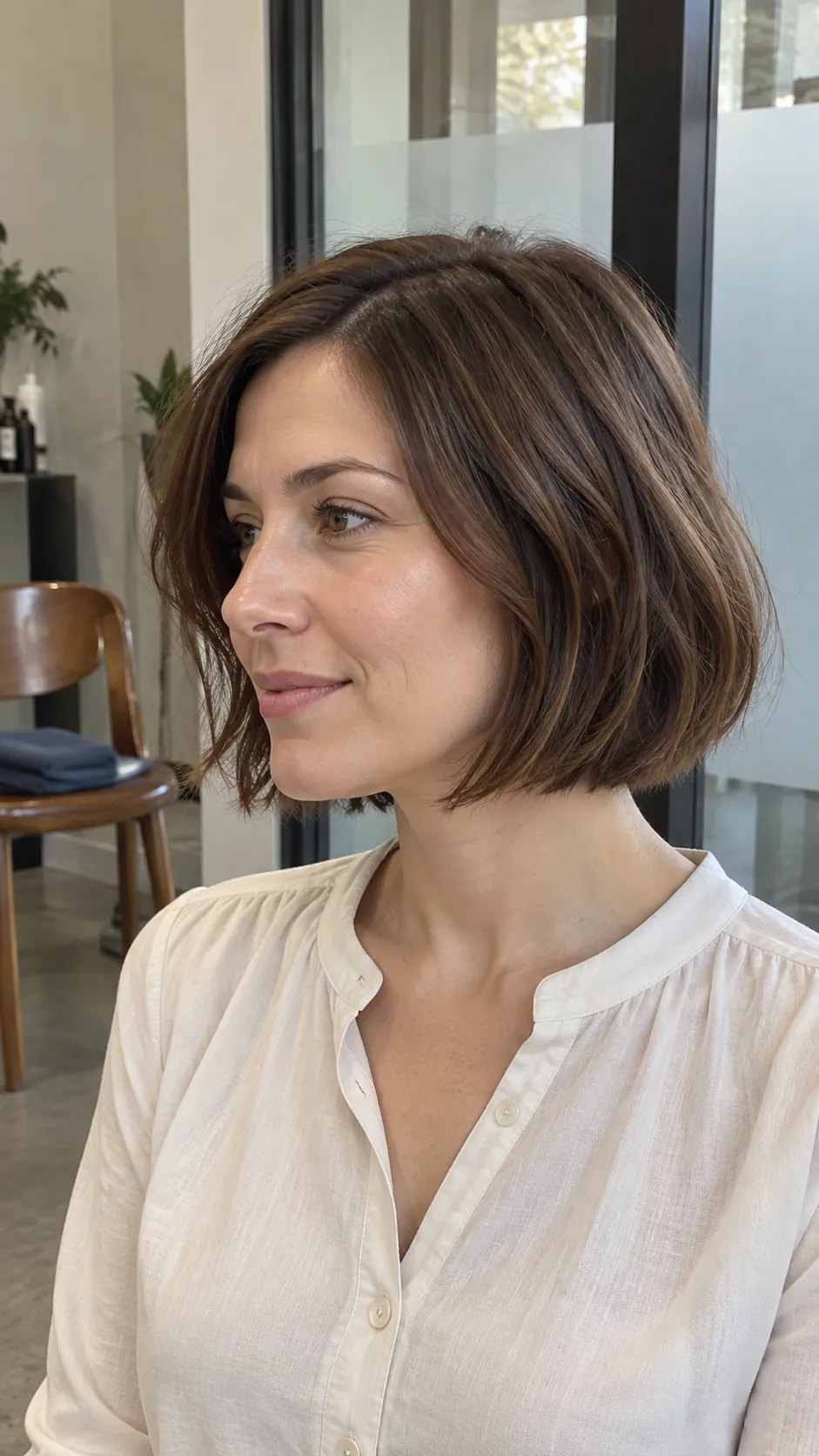
A haircut photo can hide the detail that matters most at home: how the ends settle without salon styling. Decide how much length you want to keep, whether you need to tie your hair back, and how often you are willing to use heat. Then compare the perimeter, layers, and fringe separately instead of asking for a look by name alone.
Use the images as visual illustrations of each shape, not proof that your hair will behave identically. They are AI generated examples rather than photographs of salon clients. A stylist should adapt the length and weight to your density, growth patterns, and usual texture.
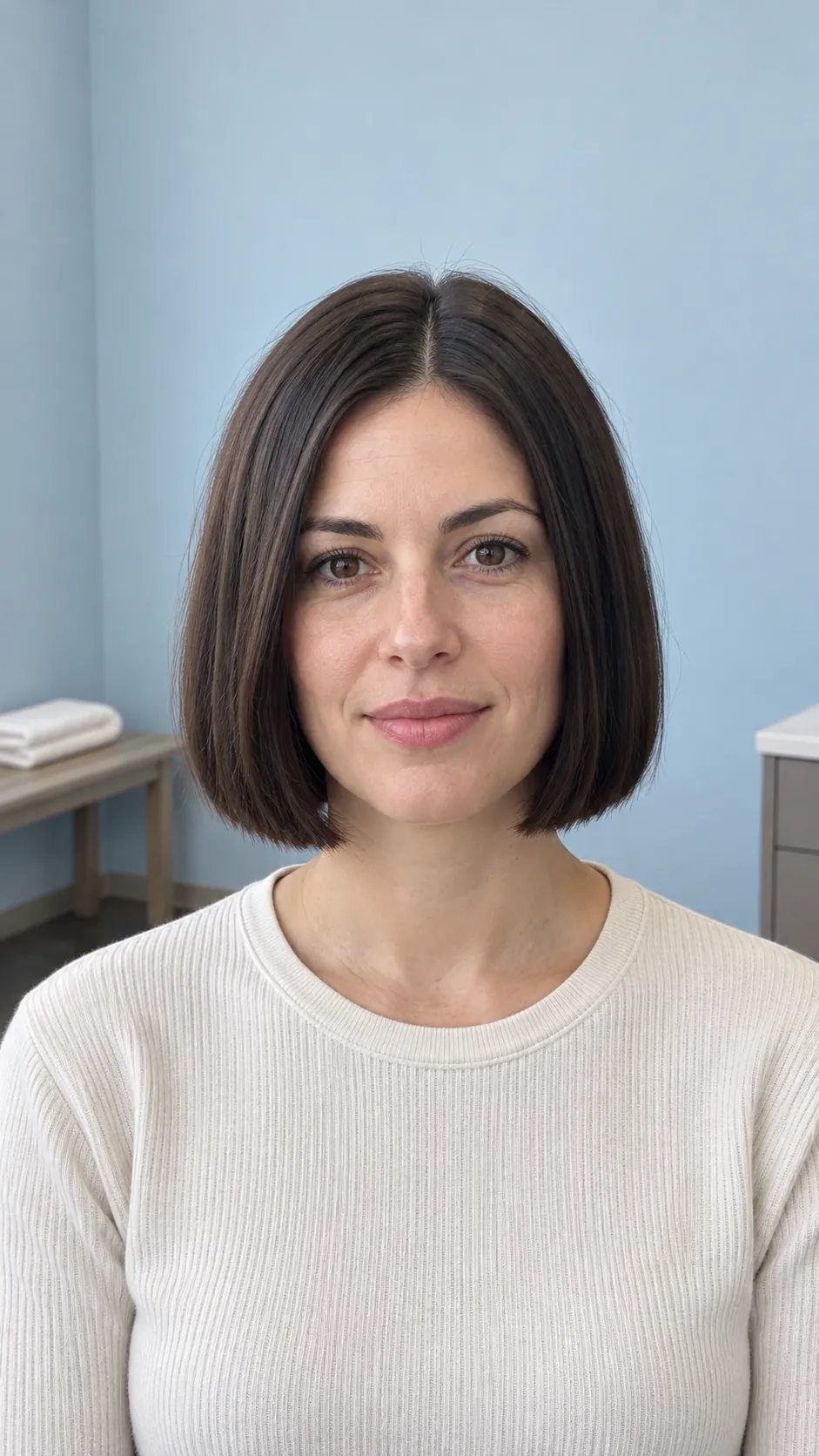
Chin Length Blunt Bob
A straight perimeter at the chin makes the outline of a blunt bob easy to see. Keeping most of the hair at one length can help fine ends appear fuller, although density and growth patterns still affect the result. Ask your stylist to check the length with your head upright so the front does not finish shorter than you intended.
Jaw Length Bob With a Soft Edge
Stopping near the jaw gives a short cut a clear shape without requiring a razor sharp finish. A lightly softened edge can move more naturally than a heavy straight line, especially when the ends bend on their own. Discuss how much texture to add before cutting because extensive thinning can make sparse ends look less substantial. A small amount of styling cream on the ends may be enough to separate the outline.
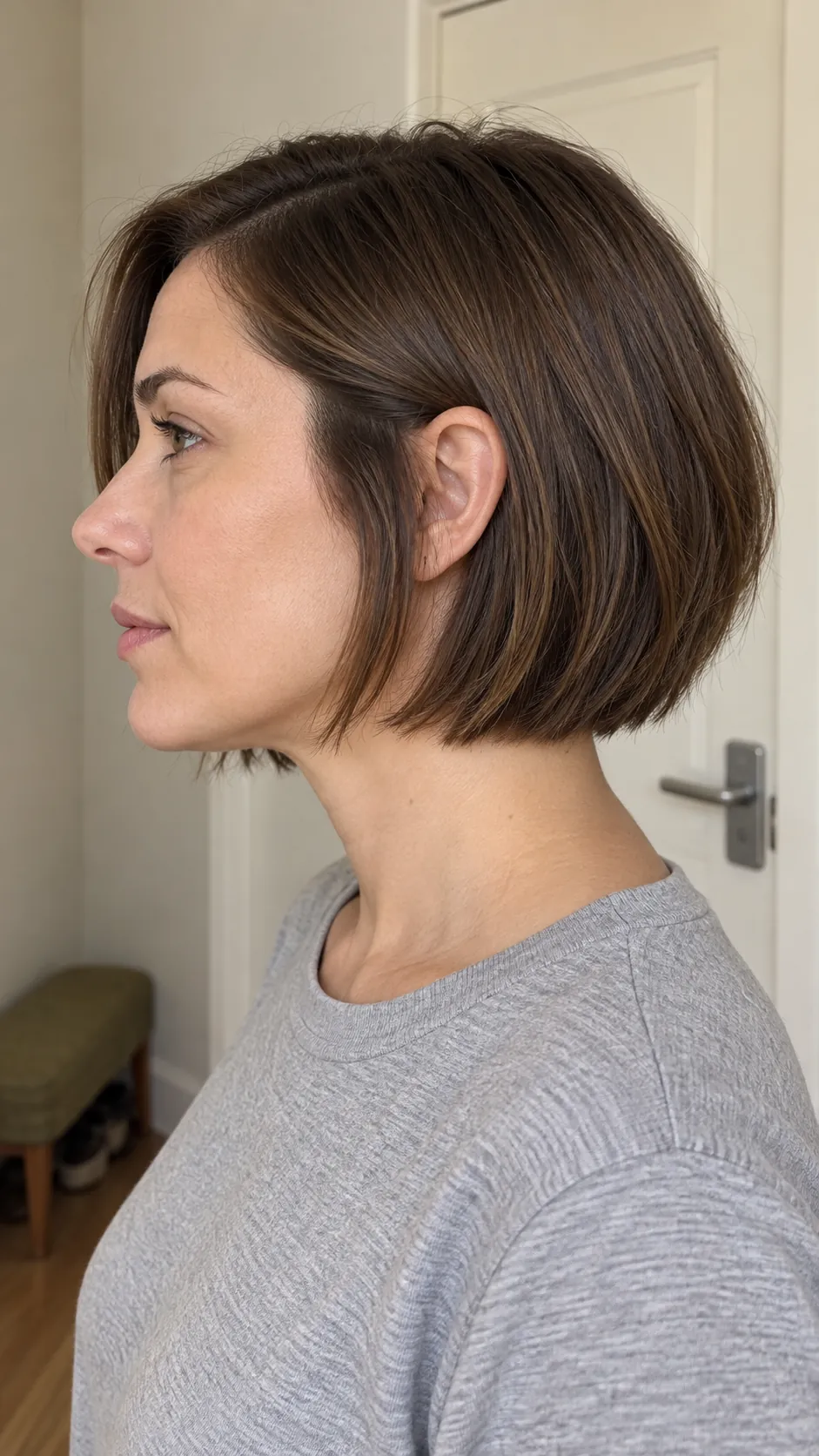
Cheekbone Length Micro Bob
A micro bob leaves little length below the cheekbones, so both the face and the nape become part of the silhouette. This is a substantial change if you normally tuck all your hair behind your ears or tie it back. Bring a side reference as well as a front view to agree on ear coverage. Check where a cowlick lifts the front before committing to the shortest line.
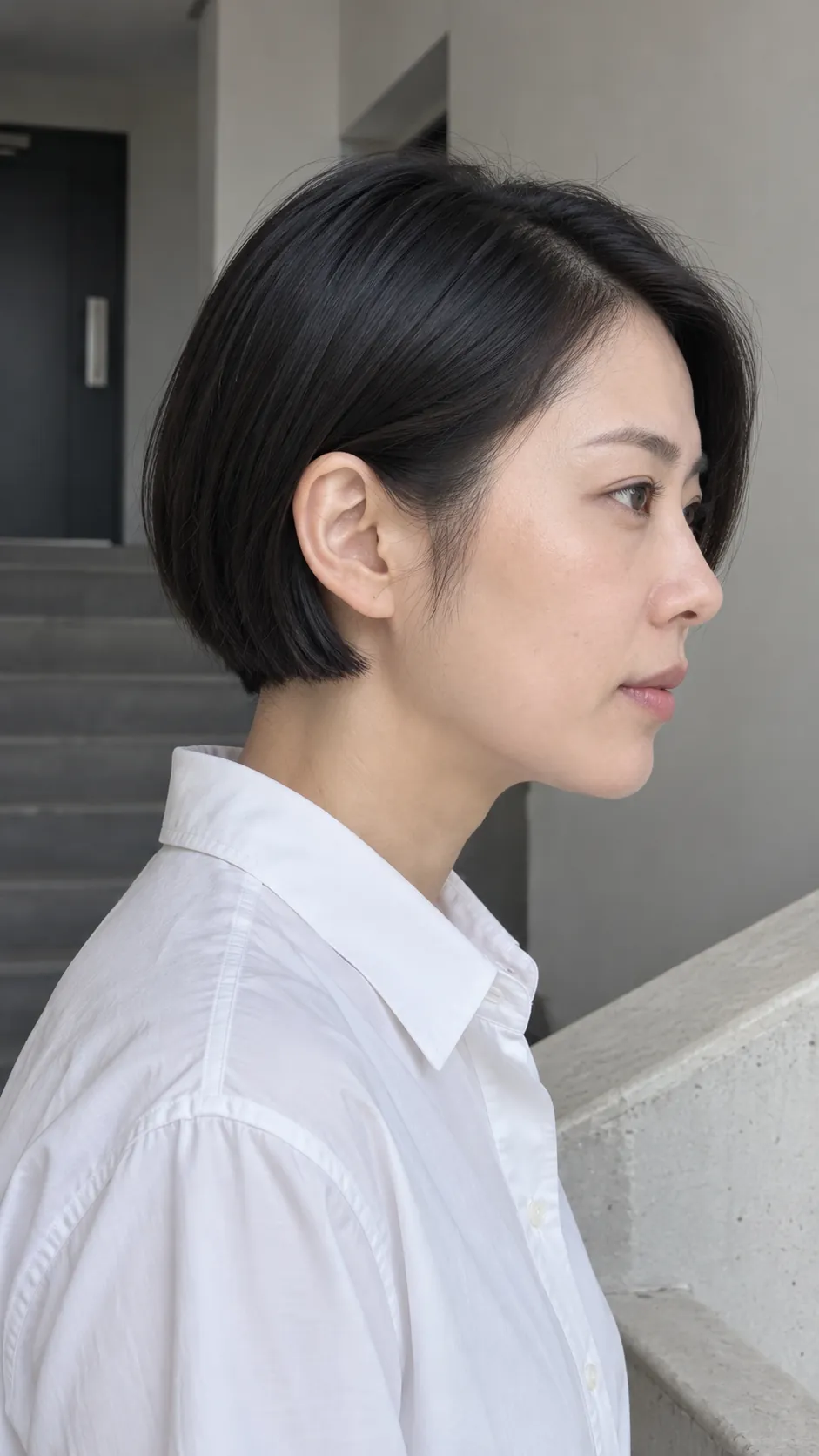
Neck Length Bob With a Rounded Finish
A neck length bob places the edge between the jaw and shoulders, offering more coverage than a compact crop. Turning the ends gently inward creates a rounded outline without changing the actual perimeter. Ask whether your natural texture will hold that curve or need a brush and dryer. Too much inward curling can hide the cut line, so judge the length before the final styling.
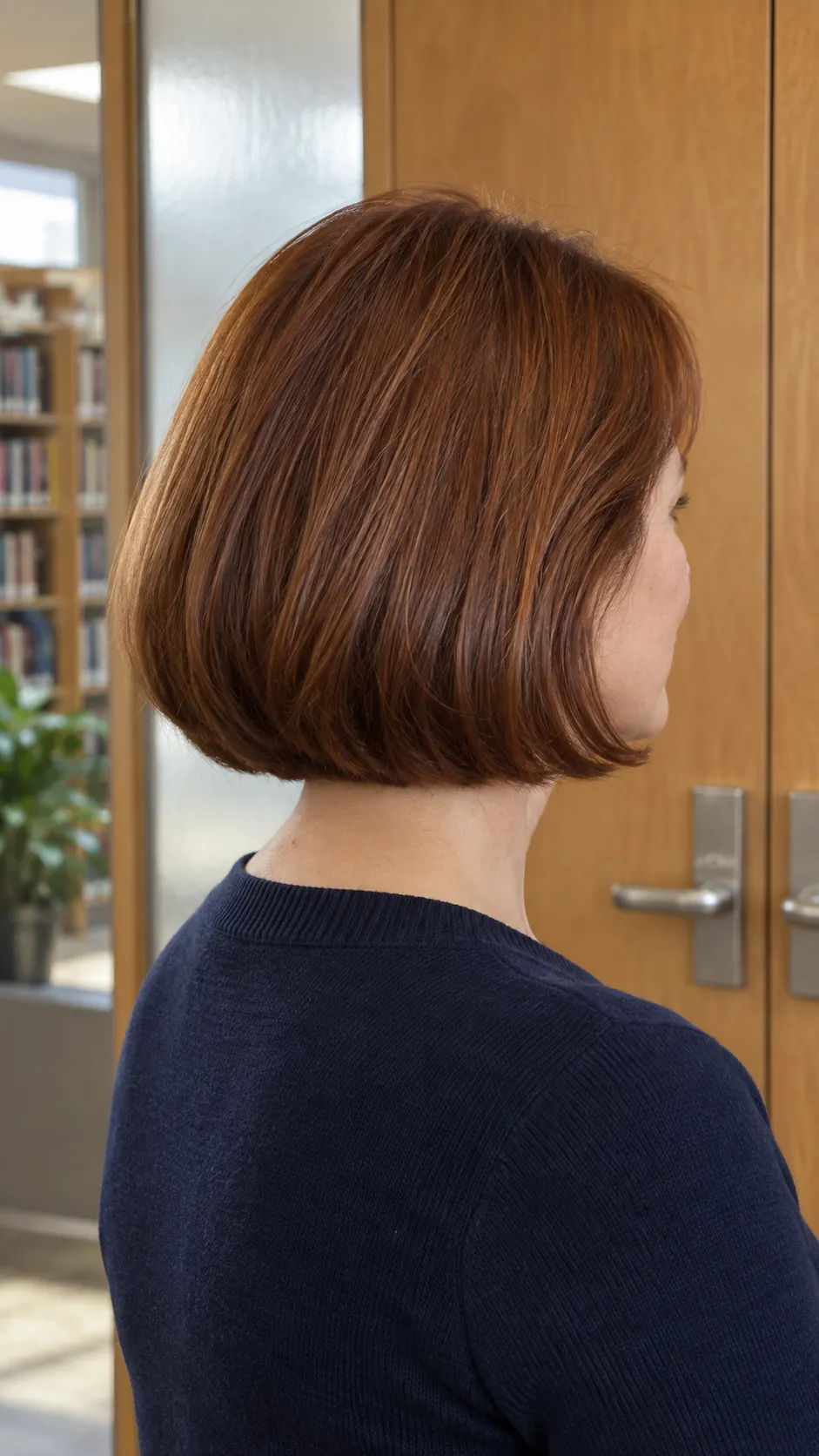
Collarbone Skimming Lob
The lob keeps the bob shape while leaving more length around the neck. Ends that touch clothing or shoulders may flick outward instead of hanging straight. Show your stylist where your usual neckline sits and explain whether that bend bothers you. Some of the hair may reach a small ponytail, but check the shortest front pieces rather than assuming the entire cut will tie back.
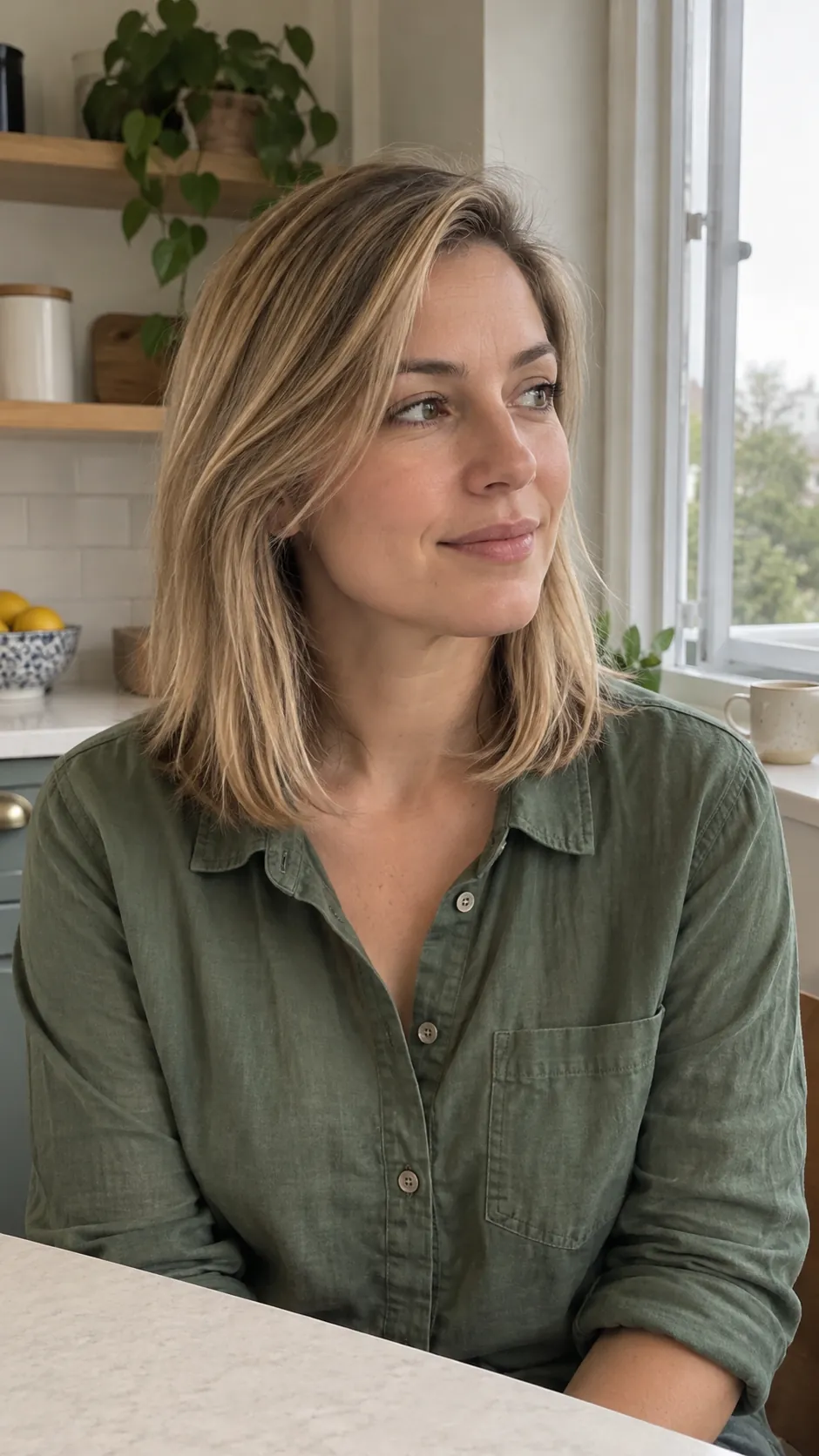
Angled Bob With Longer Front Pieces
An angled bob runs from a shorter back to longer pieces around the face. The slope can be subtle or pronounced, and those versions require different reference pictures. Ask to see the proposed back length before agreeing to the front. Longer corners can frame the face nicely but may fall into your eyes during work.
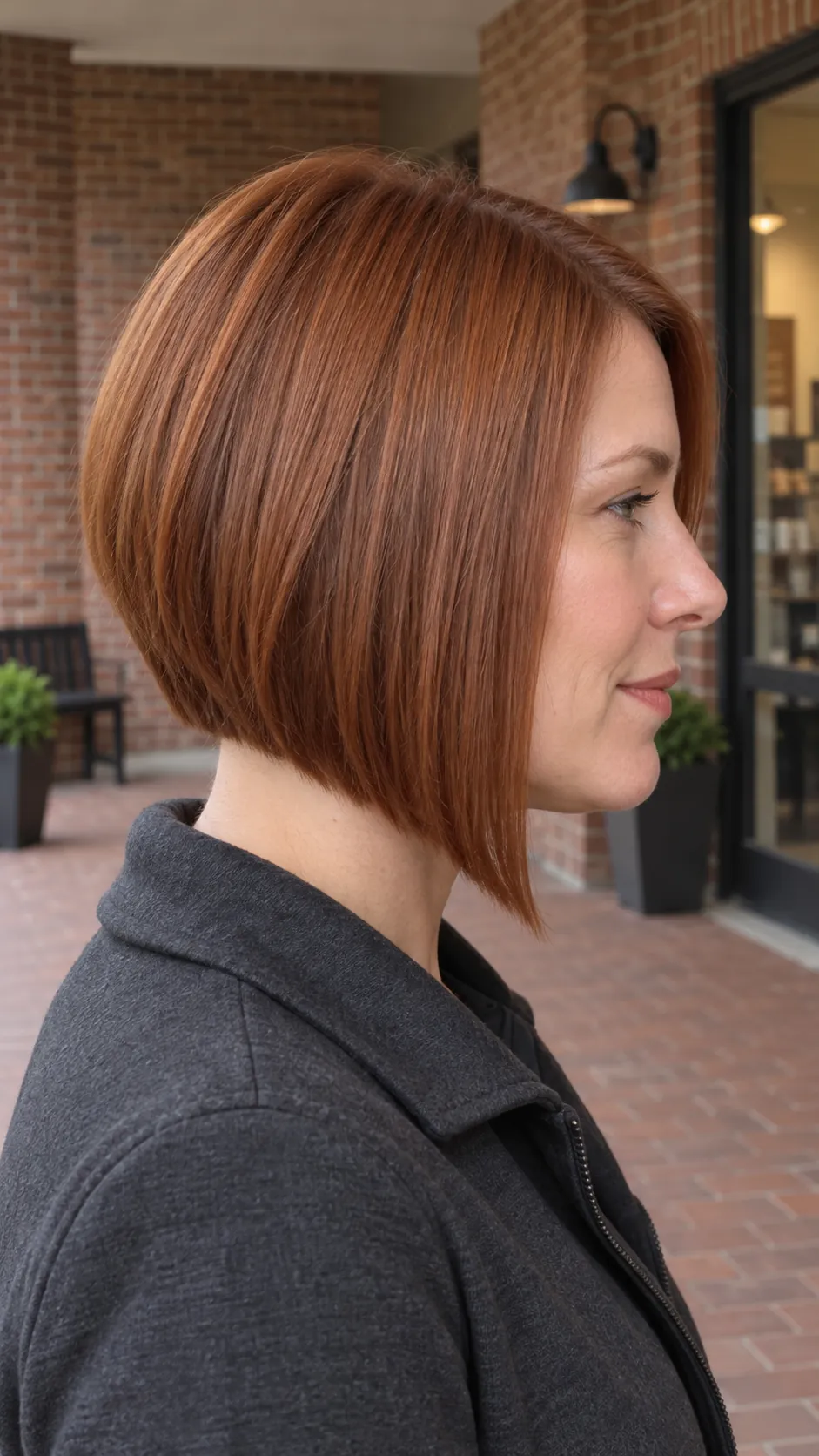
Graduated Bob With Nape Shape
Graduation uses stacked lengths to build a shaped curve at the back. It can give a straighter head profile more fullness, though thick hair may need careful weight management. Request a clear rear view so you can judge how high the graduation starts.
The nape is a precise part of this cut and can lose its outline as it grows. Ask your stylist when that area will need a refresh based on your own growth rate. Keep heavy product away from the shorter layers if they flatten easily.
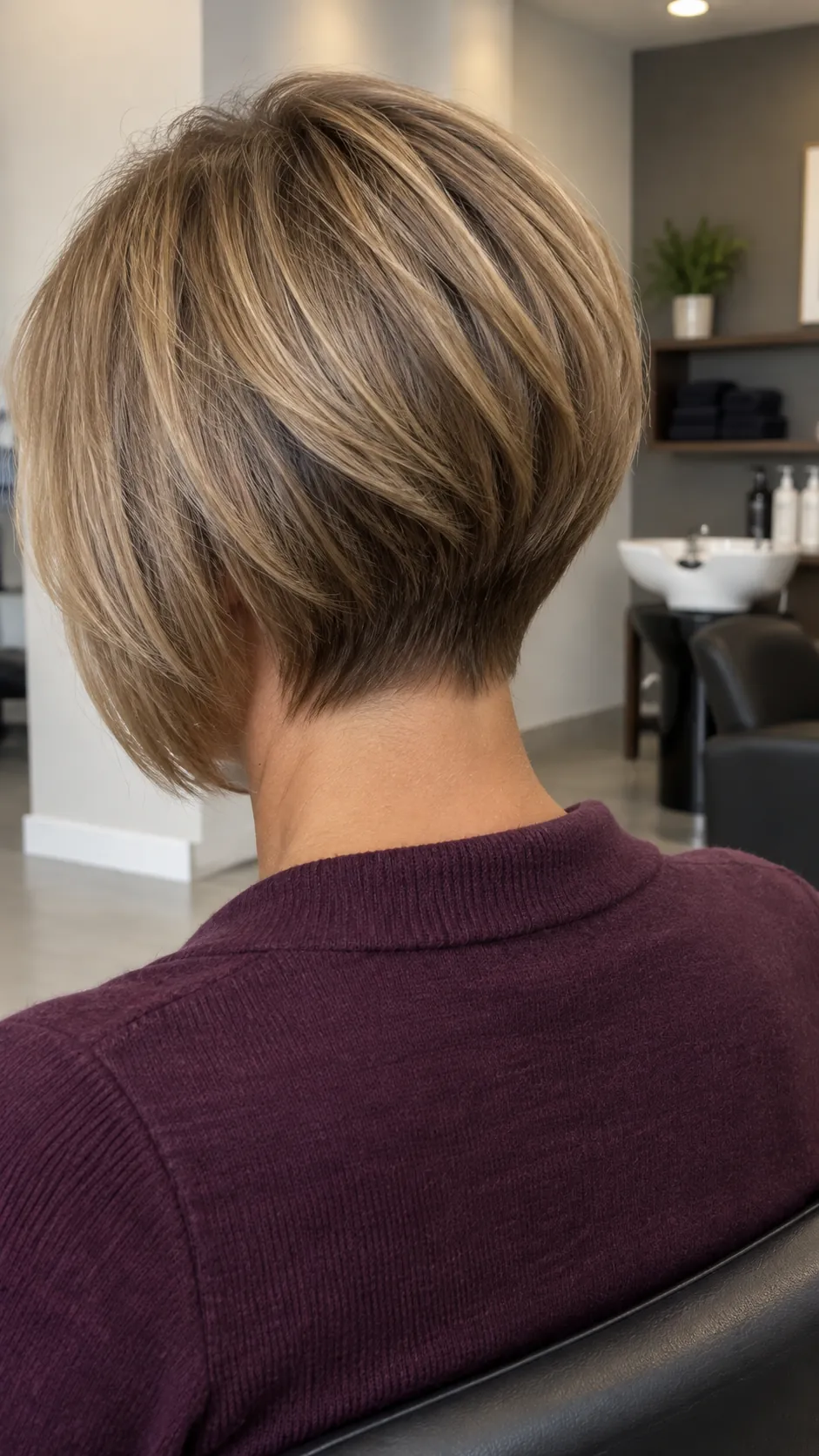
Asymmetrical Bob With One Longer Side
Unequal side lengths create the main distinction in an asymmetrical bob. A modest difference is easier to wear quietly, while a larger contrast makes the cut a visible design choice. Decide which side you usually part on before the stylist establishes the shape. Switching that part later can change how the longer section falls.
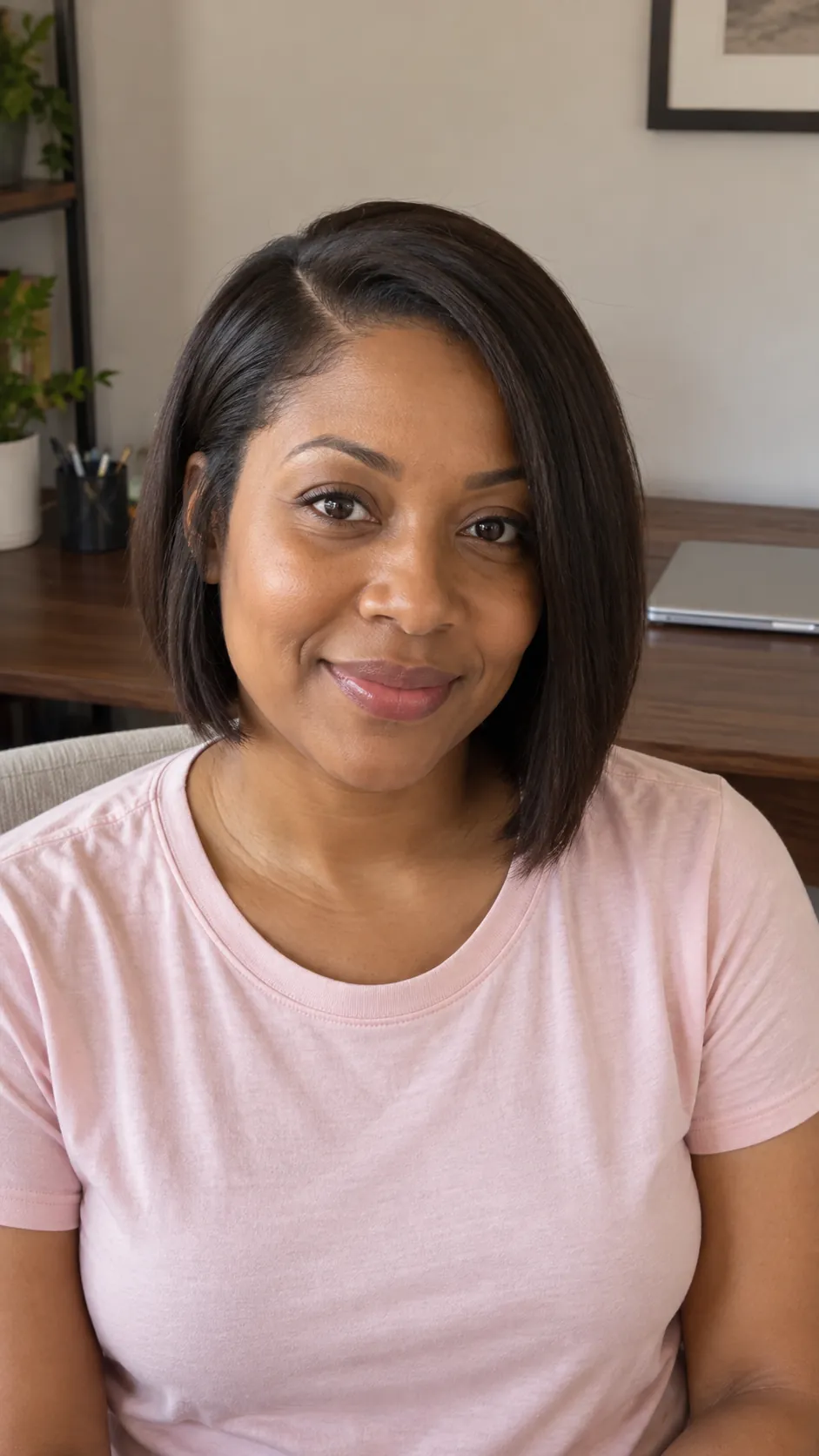
Fine Hair Bob With a Solid Perimeter
For fine hair, a visible lower edge can be more useful than adding layers everywhere. The goal is to preserve enough hair at the bottom for the ends to look connected. Ask for a density assessment rather than requesting thinning simply because the photo looks airy. Apply any volumizing product mainly near the roots so the lengths do not become coated.
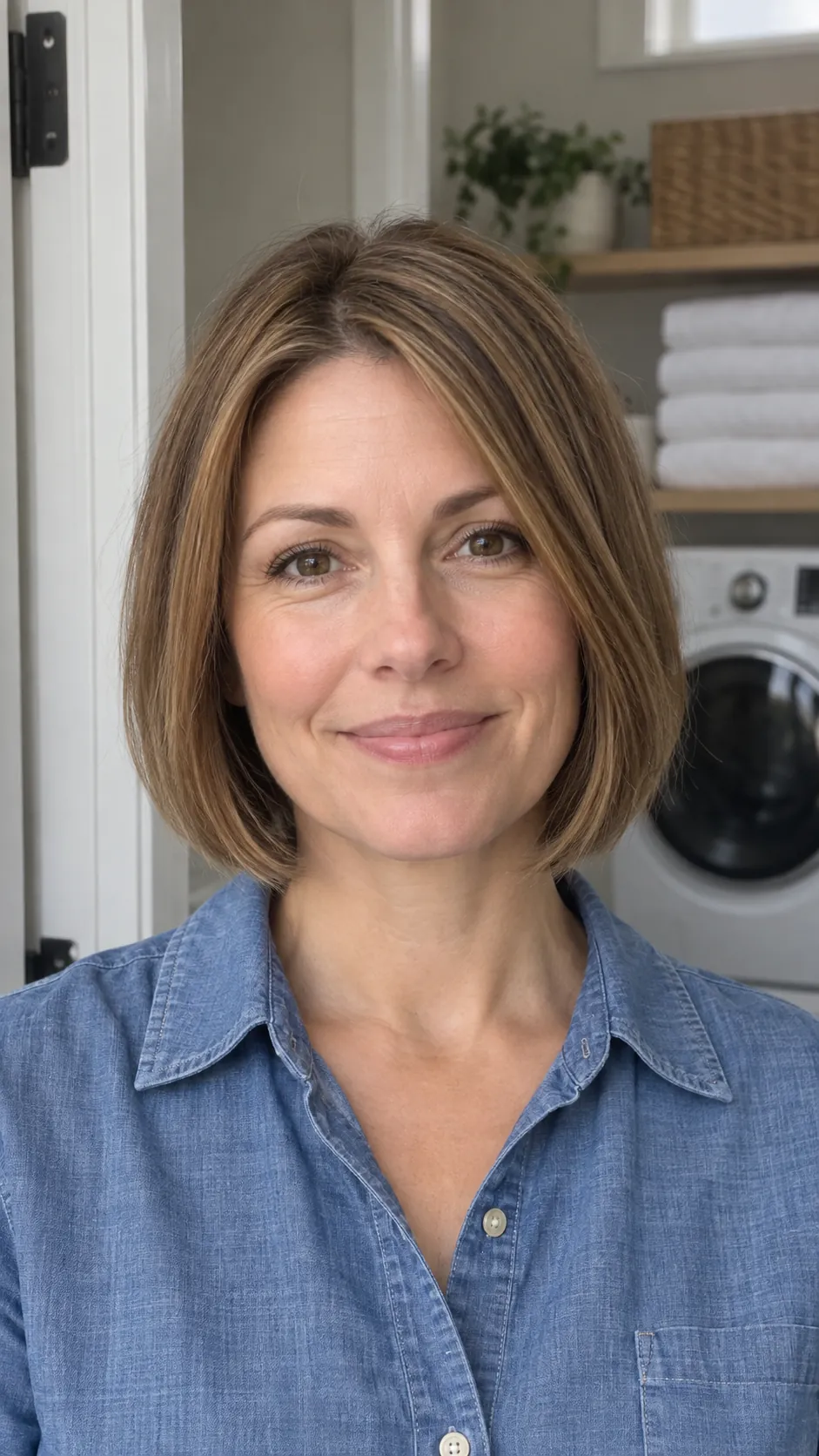
Thick Hair Bob With Hidden Weight Removal
Dense hair can expand at the sides even when the perimeter is beautifully cut. Selective internal weight removal may reduce that bulk while keeping the outer shape intact. Tell the stylist how your hair behaves after washing because coarse, wavy, and fine dense hair respond differently to thinning. Avoid treating a thinning razor or shear as a universal solution.
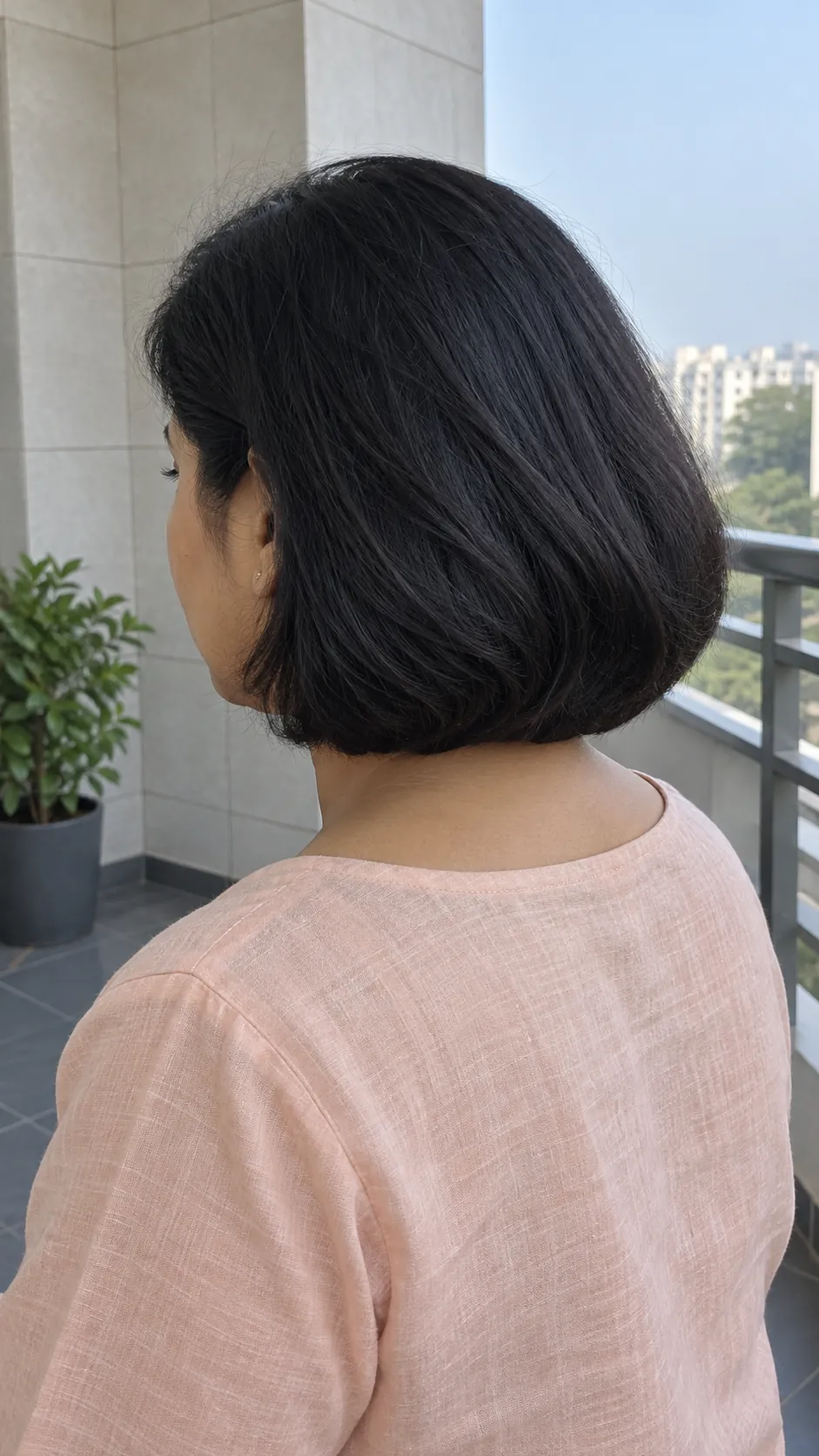
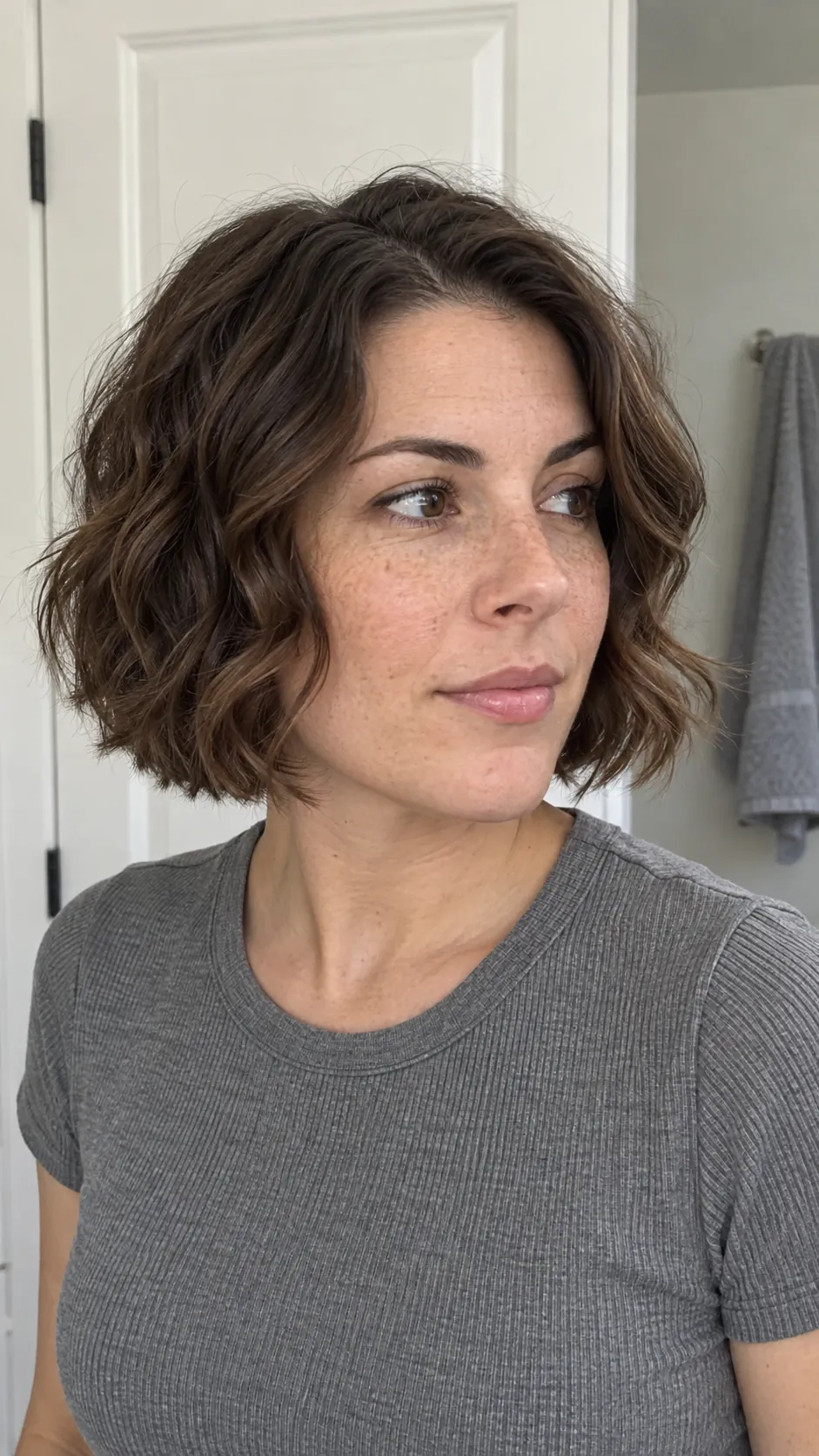
Wavy Bob With a Dry Length Check
Waves can make a bob finish noticeably higher after it dries. A dry length check helps confirm where the edge sits in the texture you actually wear. Bring a photo of your own hair on an ordinary wash day so the stylist can see the pattern. Leave enough room for uneven spring rather than judging the cut only while it is stretched straight.
Curly Bob With a Balanced Outline
A curly bob needs a shape that accounts for different curl spring around the head. Removing identical amounts everywhere does not always produce an even visible edge. A stylist familiar with your curl pattern can assess the balance in a dry or appropriately prepared state.
Compare the side volume with the length at the neck before choosing a reference. Explain whether you usually diffuse, air dry, or stretch your curls. The finished silhouette should suit that routine rather than depend on a completely different styling method.
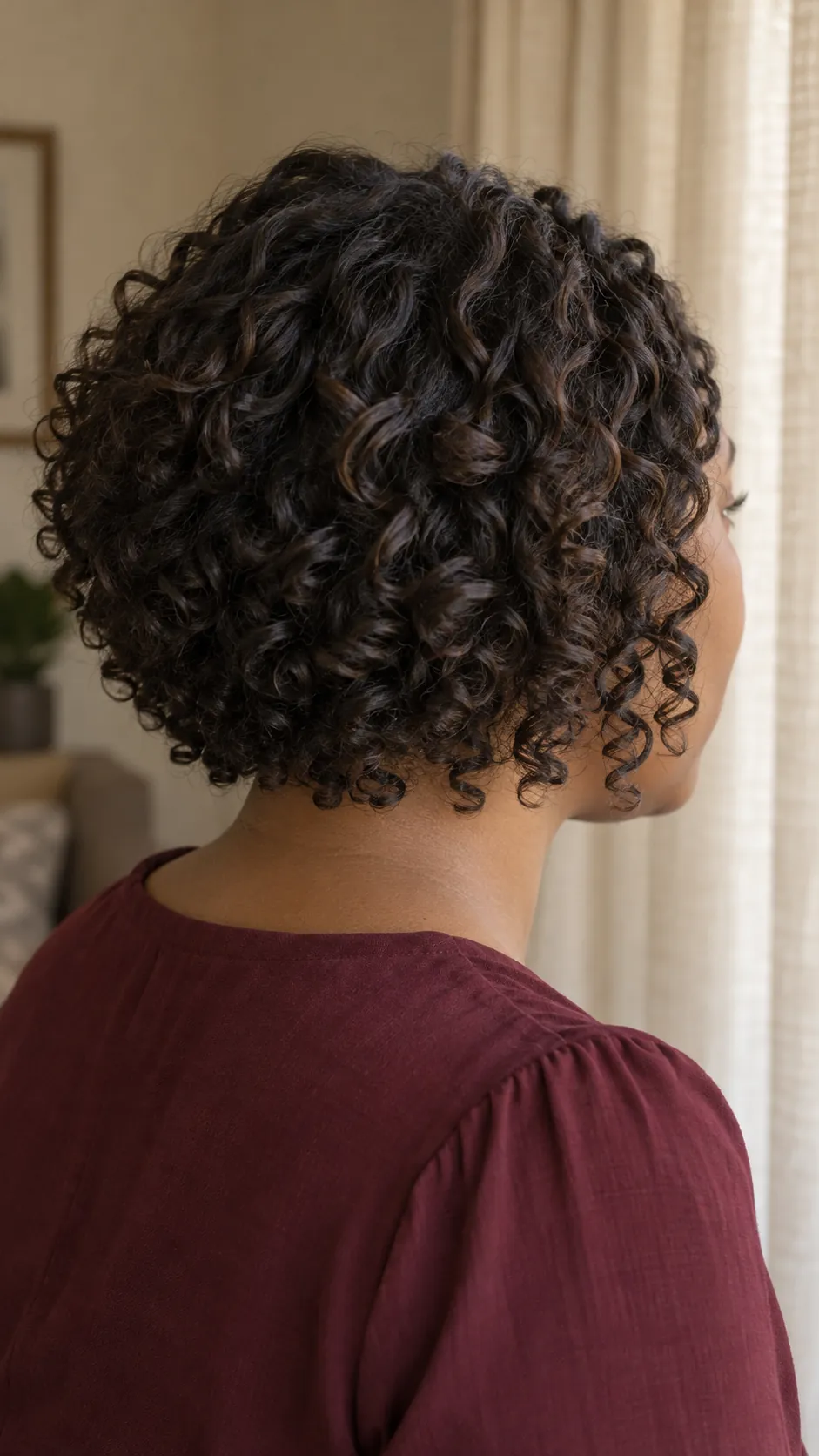
Coily Bob With a Rounded Silhouette
A rounded coily bob uses the overall outline, rather than a ruler straight edge, to establish its shape. Shrinkage can vary between areas, making the dry silhouette especially important. Discuss the difference between your stretched length and the length visible in your normal routine. Preserve the fullness you want at the sides when shaping the nape.
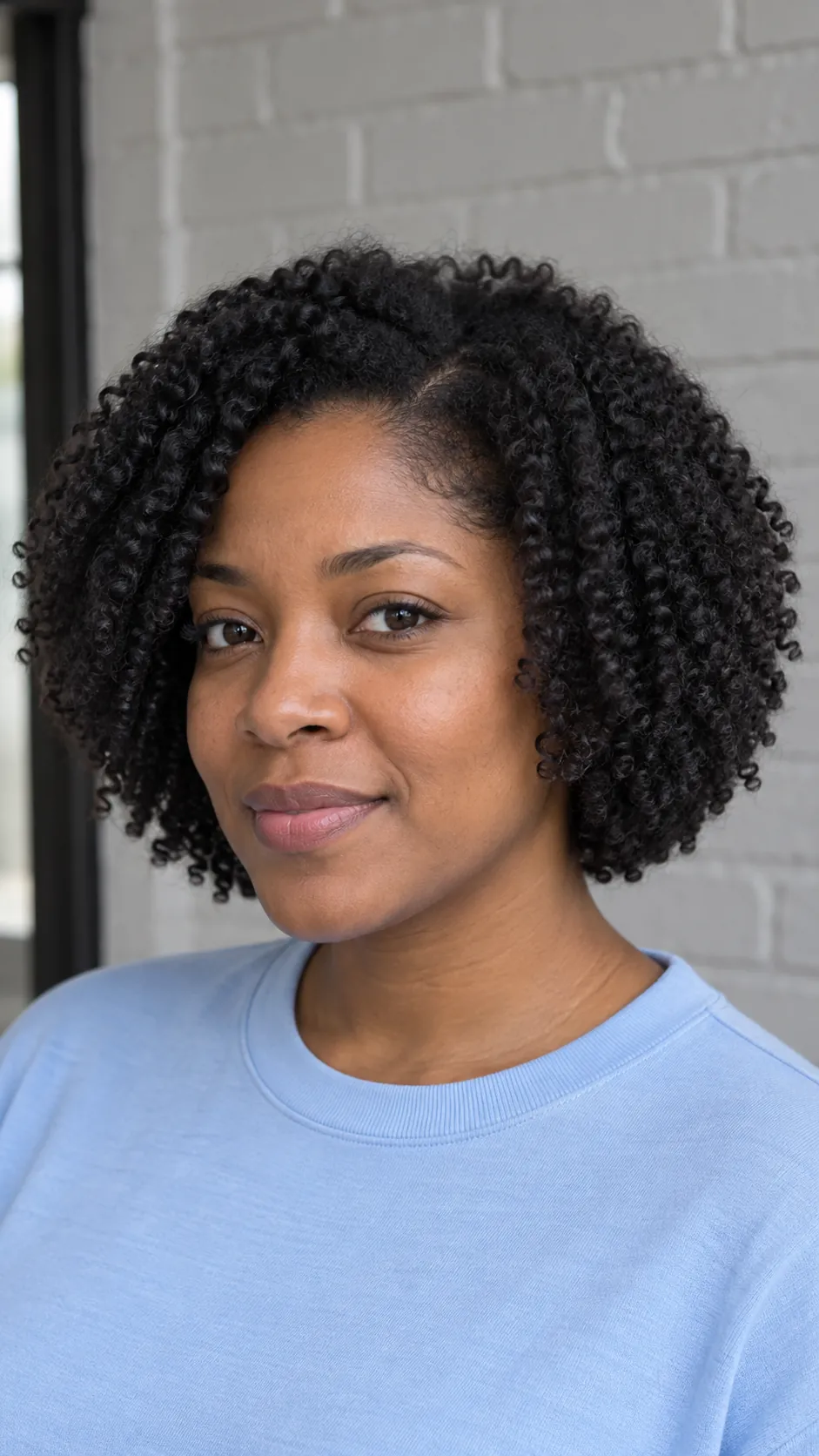
French Bob With Brow Grazing Bangs
A compact French bob often combines a jaw or chin length outline with a fringe. Brow grazing bangs give it a defined front, but the exact fringe length should account for cowlicks and shrinkage. Ask your stylist to leave a little room for the bangs to settle after drying. Do not assume the tousled reference means the fringe will need no styling.
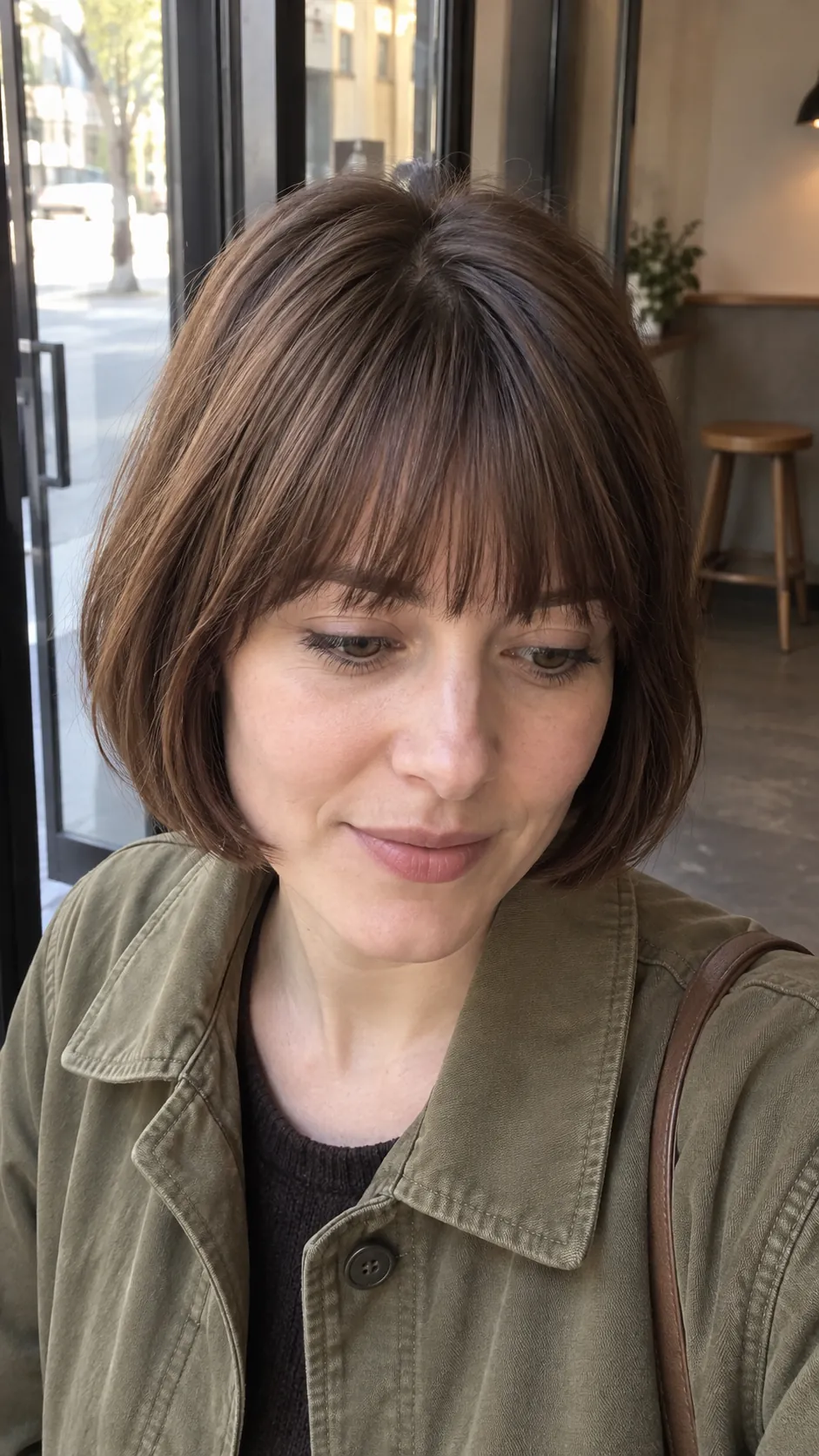
Short Bob With a Wispy Fringe
A wispy fringe leaves small gaps between lighter front sections instead of making a solid curtain. That can soften the front without committing as much hair to bangs. The tradeoff is that sparse sections may separate further when oily or humid. Agree on the fringe width as well as its length so too much hair is not taken from the sides.
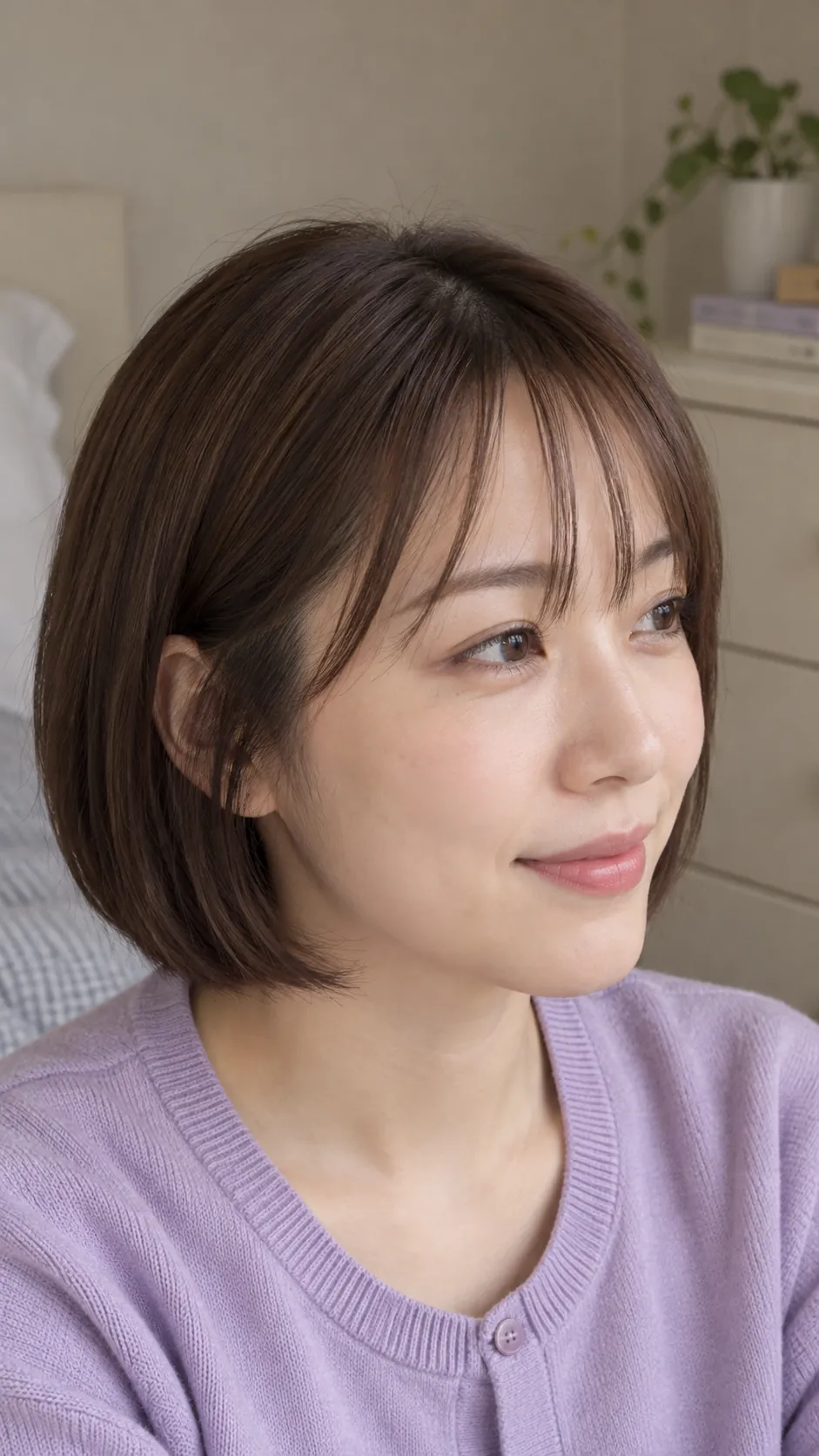
Bob With Curtain Bangs
Curtain bangs open around a central part and blend toward the sides of the bob. Longer outer pieces can connect the fringe to the perimeter without an abrupt step. Tell your stylist where you want the shortest part to sit when dry. A quick directional blow dry at the roots can help the two sides open instead of falling straight forward.

Bob With a Long Side Fringe
A long fringe swept across the forehead works with a side part rather than a central opening. It offers face coverage while leaving fewer short pieces directly above the brows. Check whether the fringe can tuck behind your ear if you need it out of the way. A strong front cowlick may determine which direction is easiest to maintain.
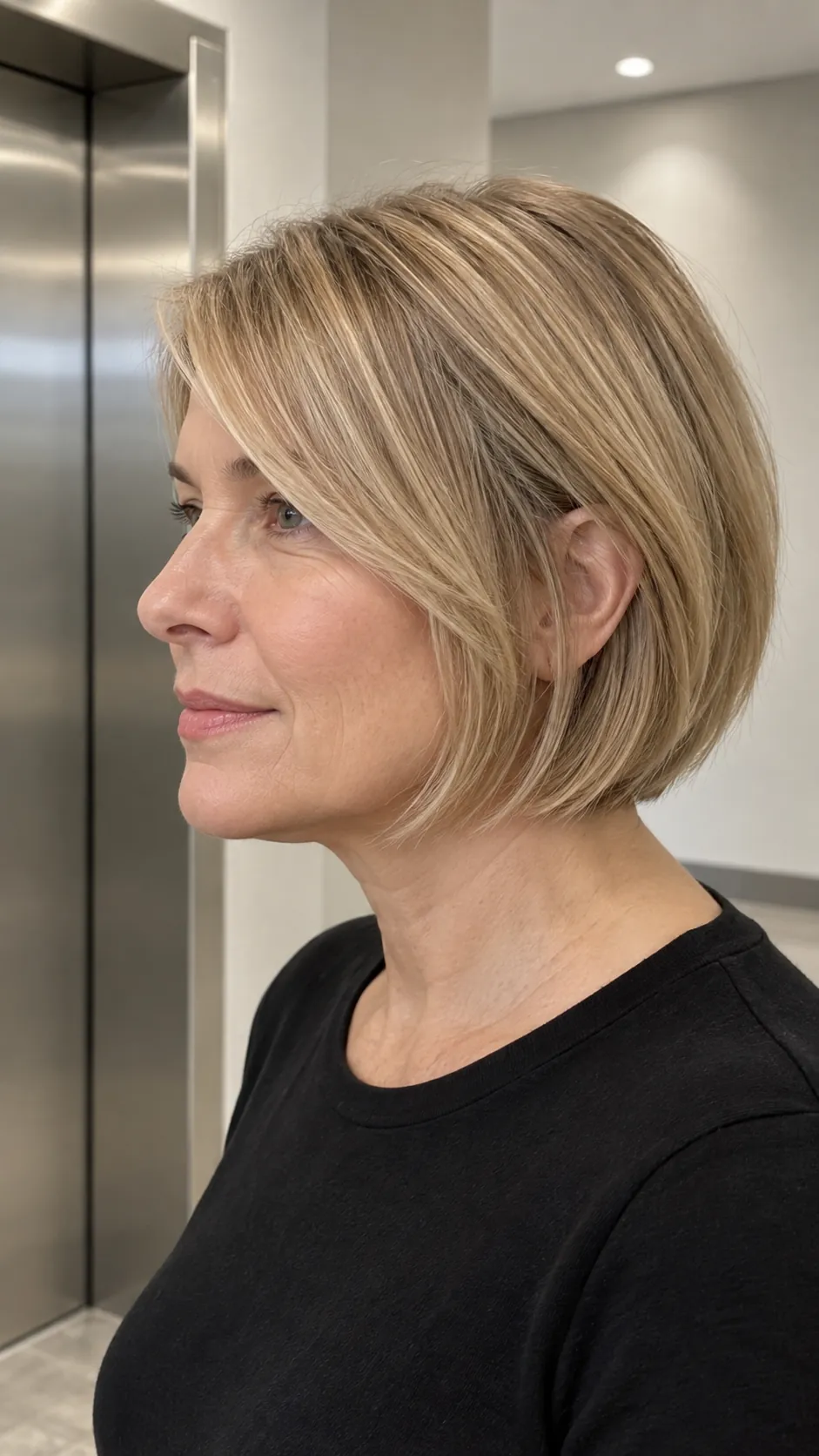
Shaggy Bob With Visible Layers
A shaggy bob makes the layers part of the look, with shorter sections breaking up the outline. It differs from a blunt bob that has only a small amount of internal texture. Show the stylist how much separation you want at the ends, not just a picture of messy styling.
Fine hair may need a lighter approach to preserve its lower edge. Dense waves can support more visible movement but still require a balanced perimeter. Let the shorter layers dry in their natural direction before deciding whether they need additional product.
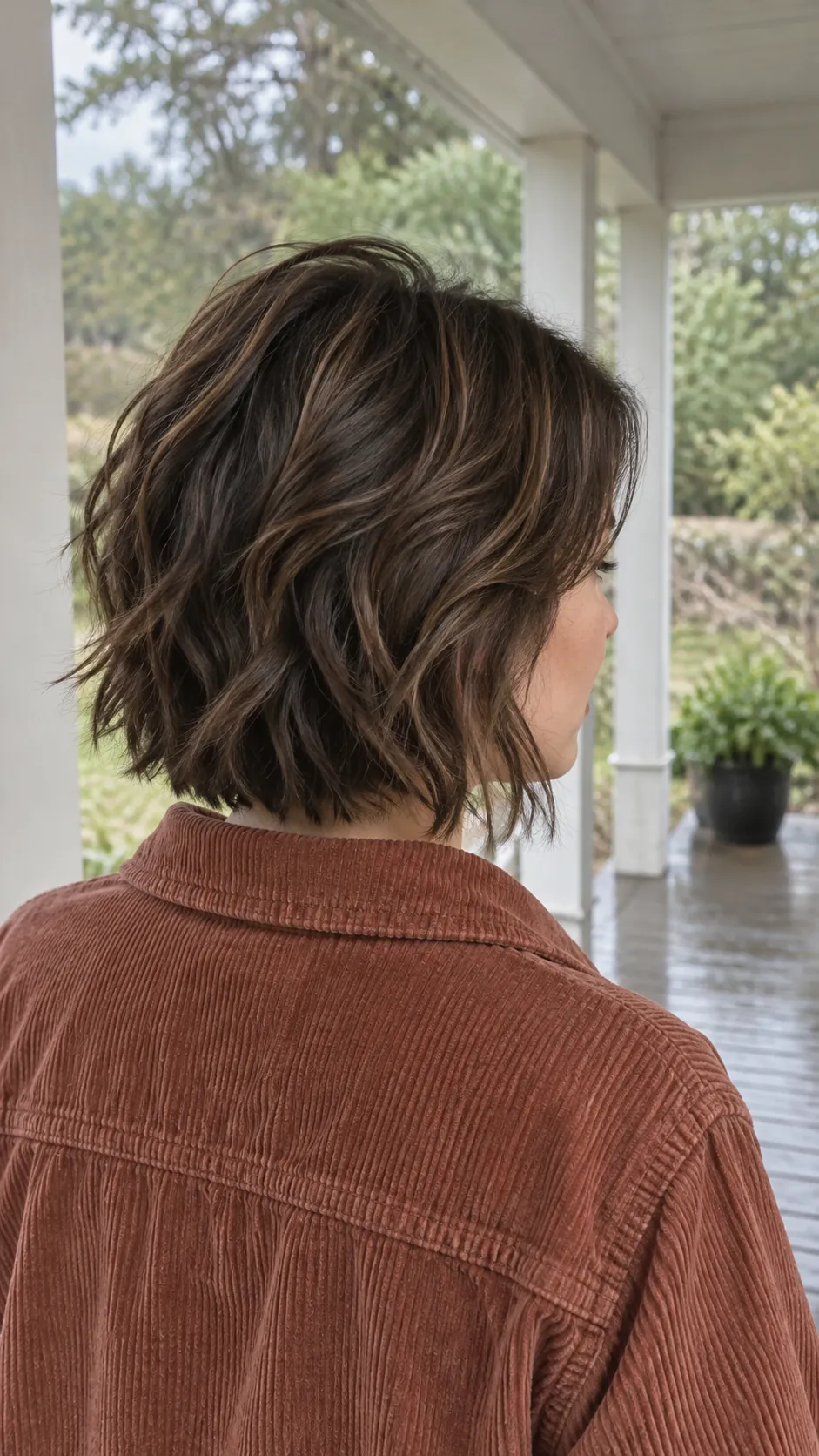
Softly Layered Bob With a Gentle Crown
Soft crown layers can add movement while leaving much of the bottom edge connected. They are useful when a completely solid shape feels too flat at the top. Ask how short the highest layer will be and whether it will still lie down on your texture. This detail matters if you prefer to air dry and avoid a brush finish.
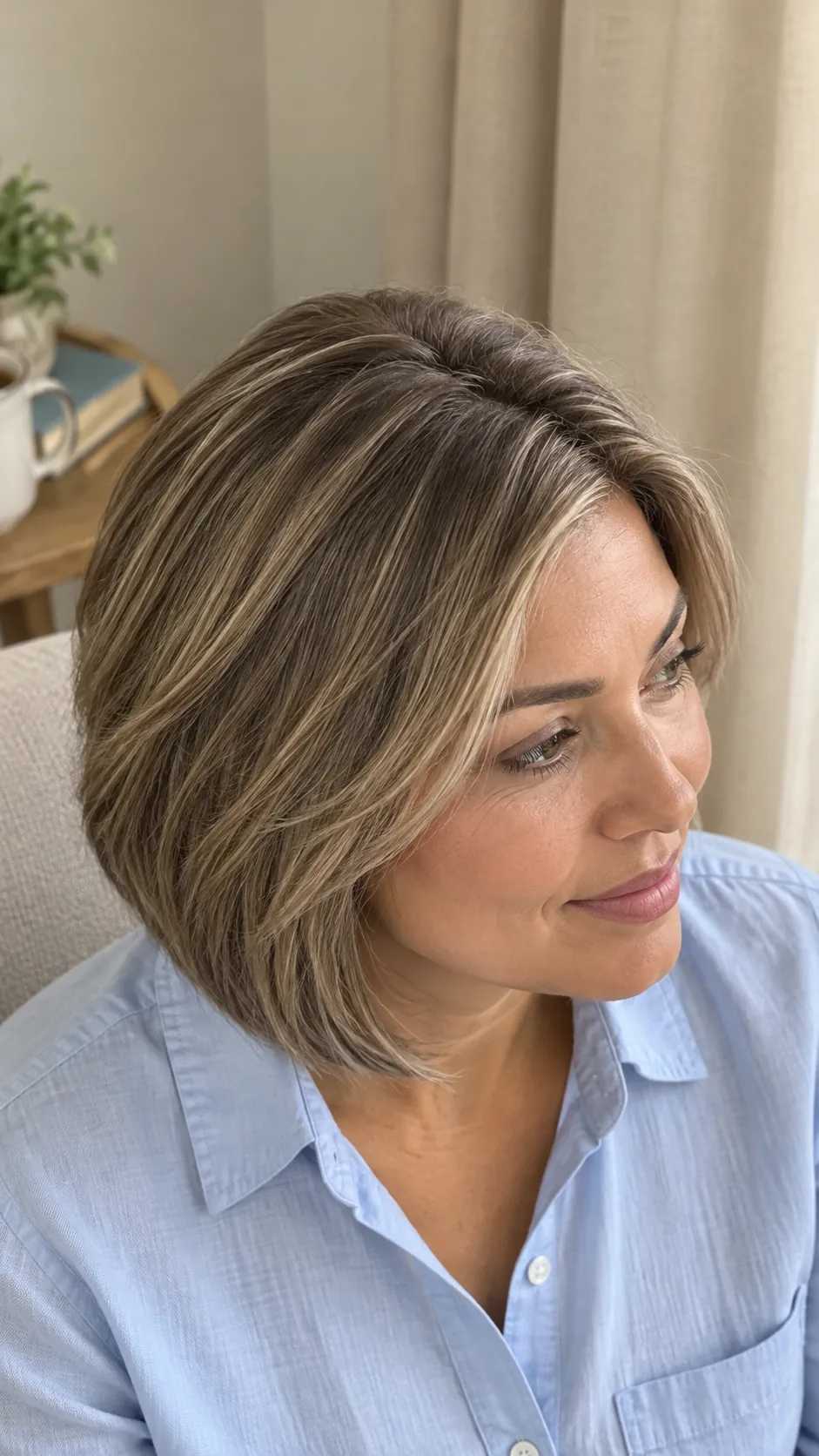
Textured Bob With Separated Ends
A textured bob shows small breaks in the finish instead of one continuous heavy edge. Texture may come from the cutting technique, styling, or both, so ask which part the reference actually shows. A little paste worked through dry fingertips can define selected ends without coating the whole head. Stop before the sections become stiff or stringy.
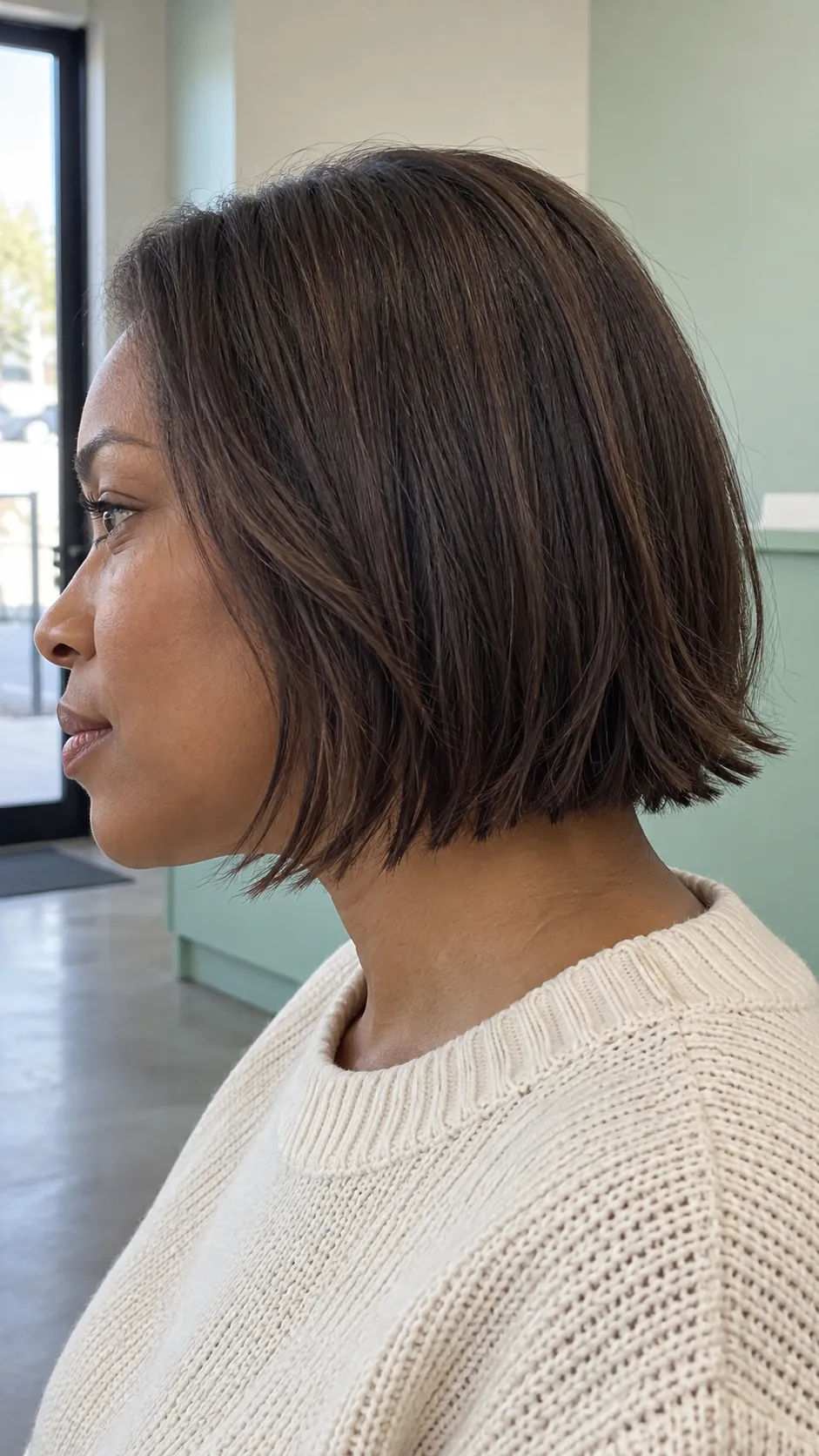
Air Dried Bob With Natural Bends
This version is planned around the way the hair settles without a smooth blowout. The useful reference is a believable pattern of bends, not perfectly repeated waves. Describe where your own hair flips or becomes flat after drying. Request a finish without heat at the appointment if you want to evaluate the cut in that routine.
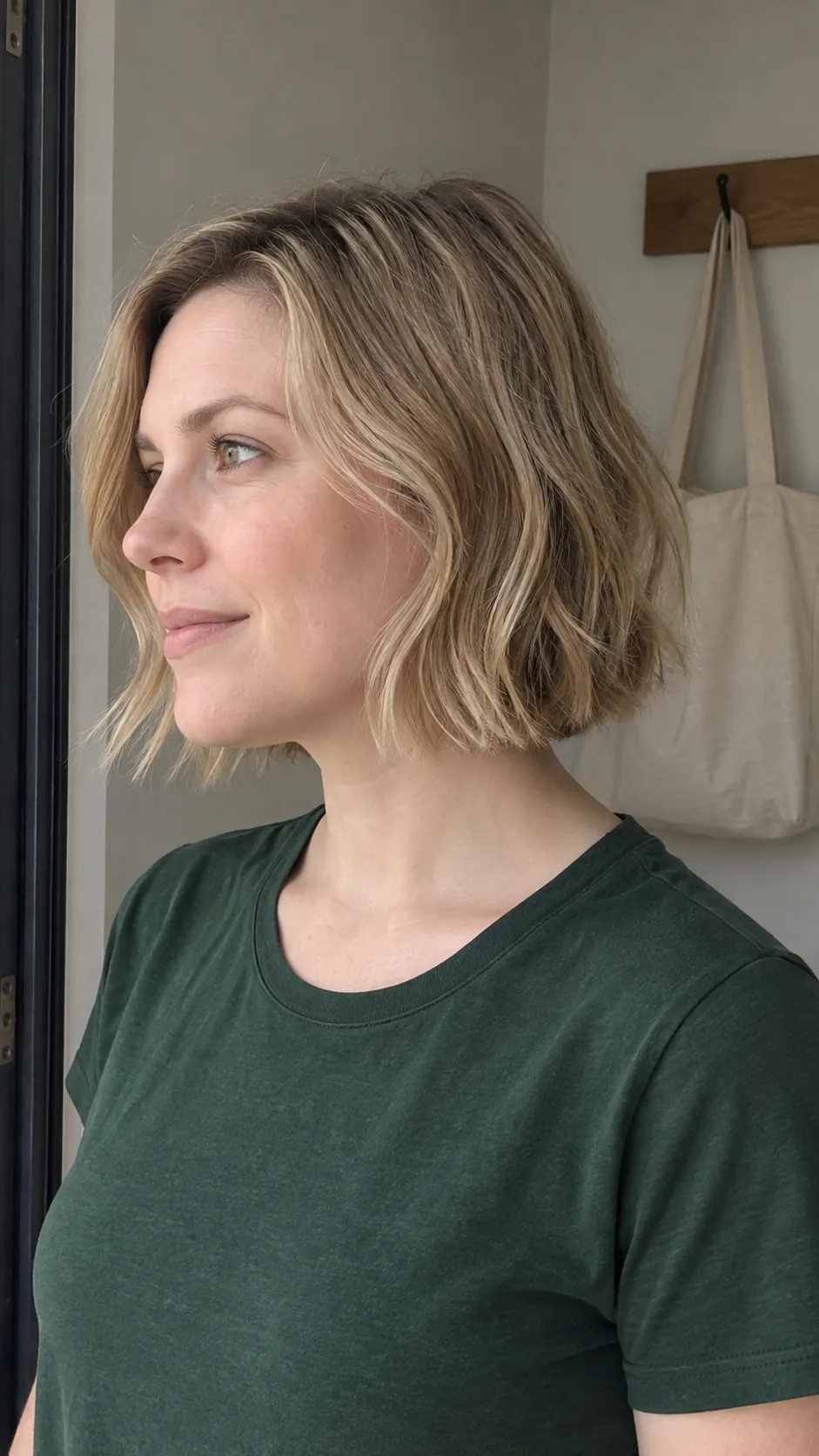
Sleek Bob With a Center Part
A center part shows both sides of a sleek bob at once and makes uneven lengths easier to notice. The finish depends on root direction as well as smooth ends. Use heat protection if you need a dryer or iron, and choose a temperature suitable for your hair condition. Keep the tools moving rather than repeatedly pressing the same small area.
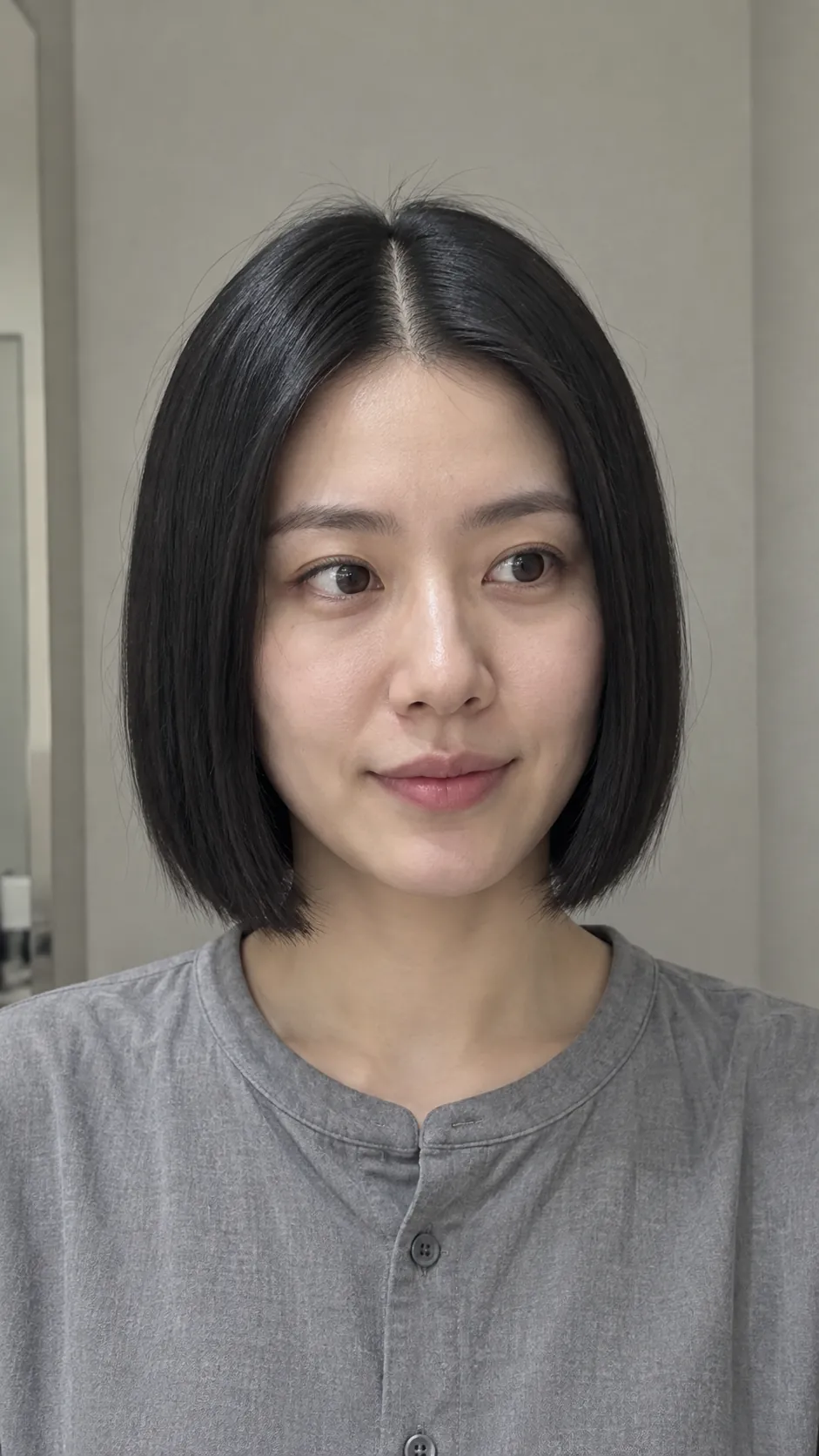
Side Part Bob With Root Lift
Moving the part to one side changes the distribution of hair across the crown. The heavier side can appear fuller without adding a new layer to the cut. Set the roots in the chosen direction while damp if your hair naturally falls back to the middle. Check that the lighter side still has enough coverage for your preferred outline.
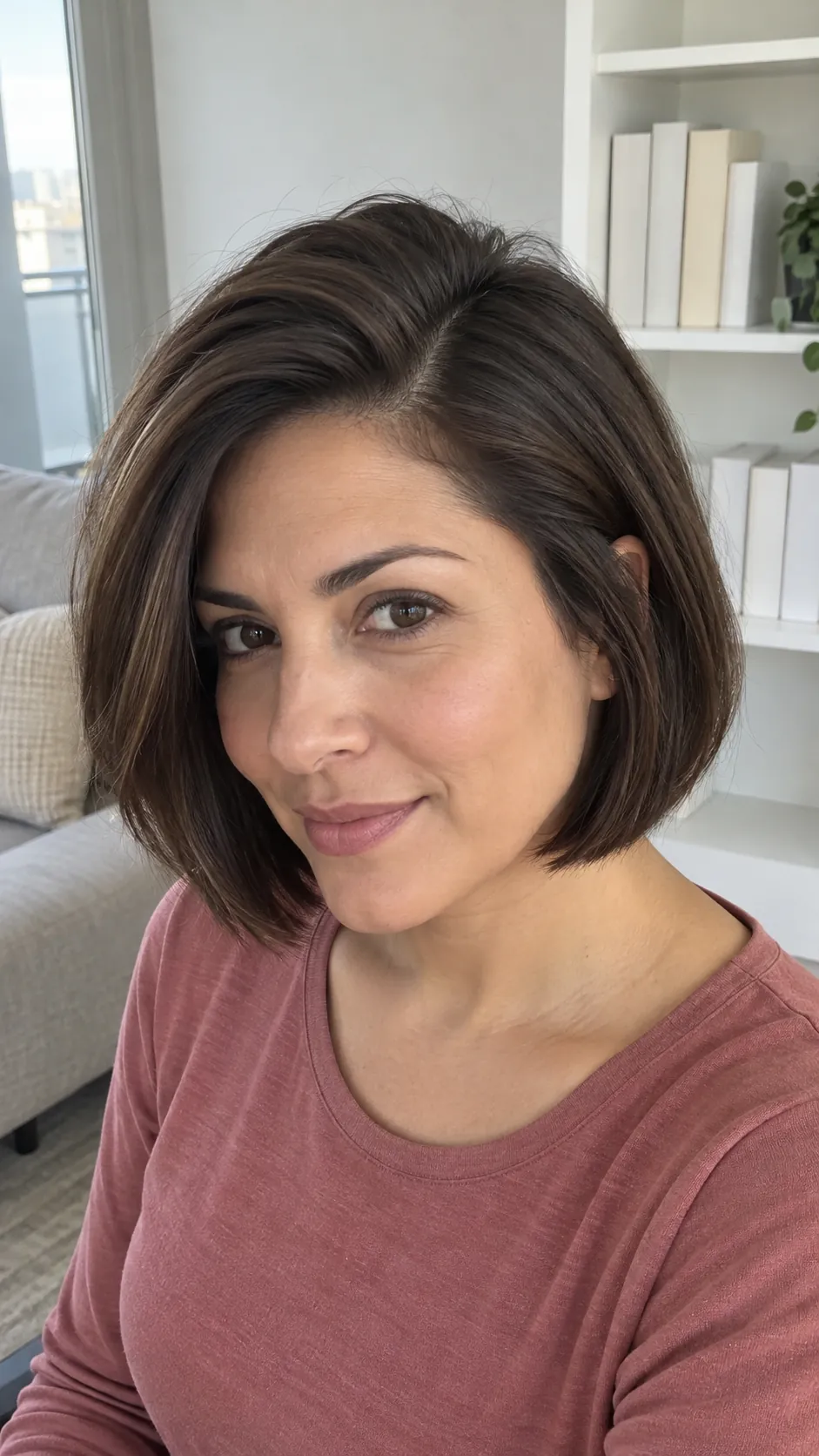
Bob With a Tucked Ear Finish
An ear tuck exposes one side of the face while leaving the opposite side loose. It is a styling choice that can make a familiar bob feel different without another haircut. The front section must have enough length to stay behind the ear comfortably. Leave the hair slightly relaxed around the ear rather than pulling the entire side tight.

Bob With a Gentle Outward Flip
An outward flip changes the lower silhouette from rounded to open. A shoulder skimming length may develop that direction naturally, while a shorter bob may need a brush or tool. Turn only the final part of the section so the upper lengths do not become overly curled. Check the back in a mirror because uneven flips can make a level perimeter look lopsided.
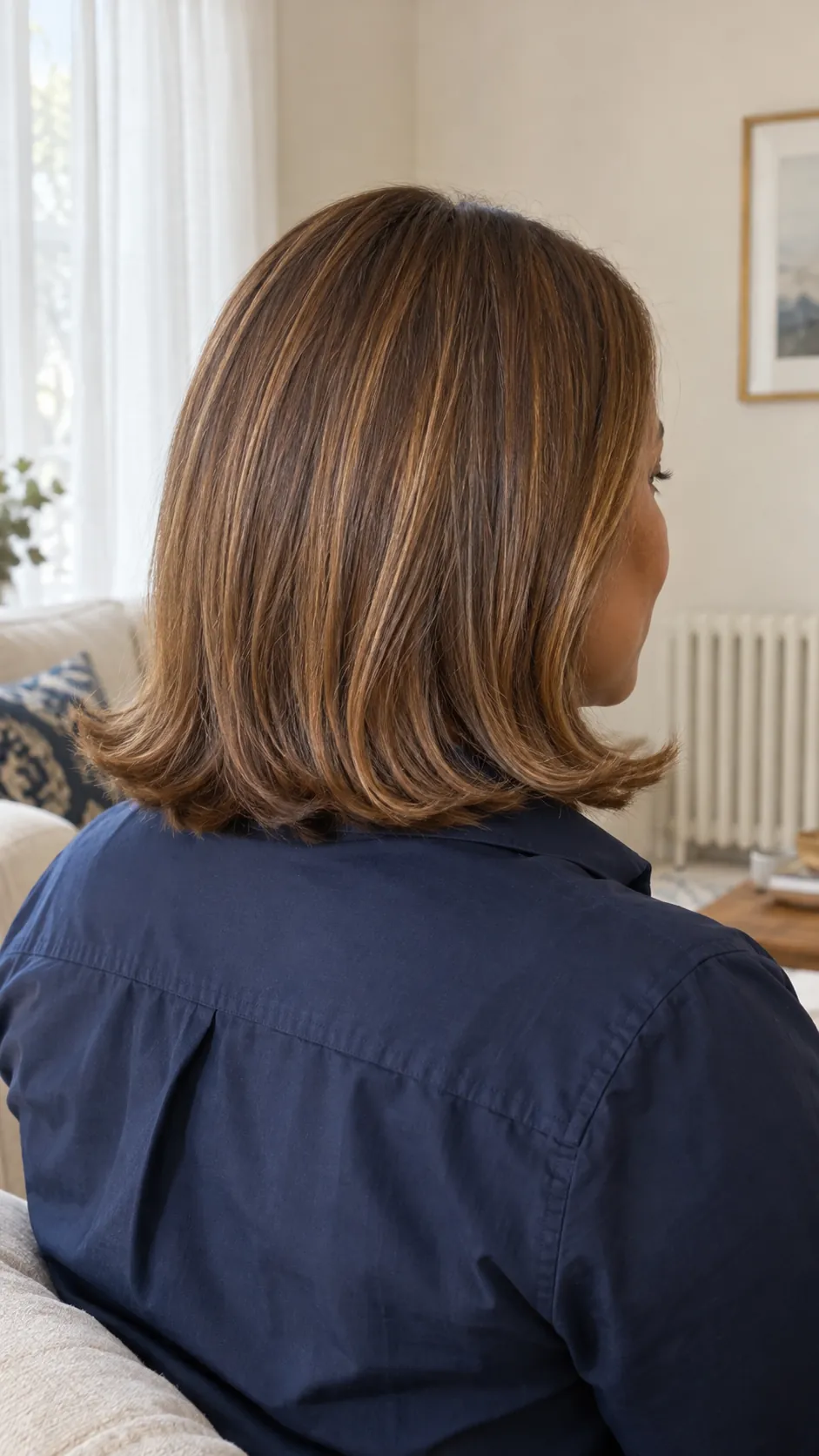
Bob Styled With Loose S Waves
Loose S waves add bends through the lengths while keeping the ends relatively straight. They show more movement than a sleek finish without turning the bob into a set of ringlets. Alternate a few bend directions and leave space between them for a relaxed result.
Use a tool only if the length is safe to handle without bringing hot plates too close to the skin. Let the hair cool before separating the bends with your fingers. If your natural waves already create this shape, define them instead of rebuilding every section with heat.
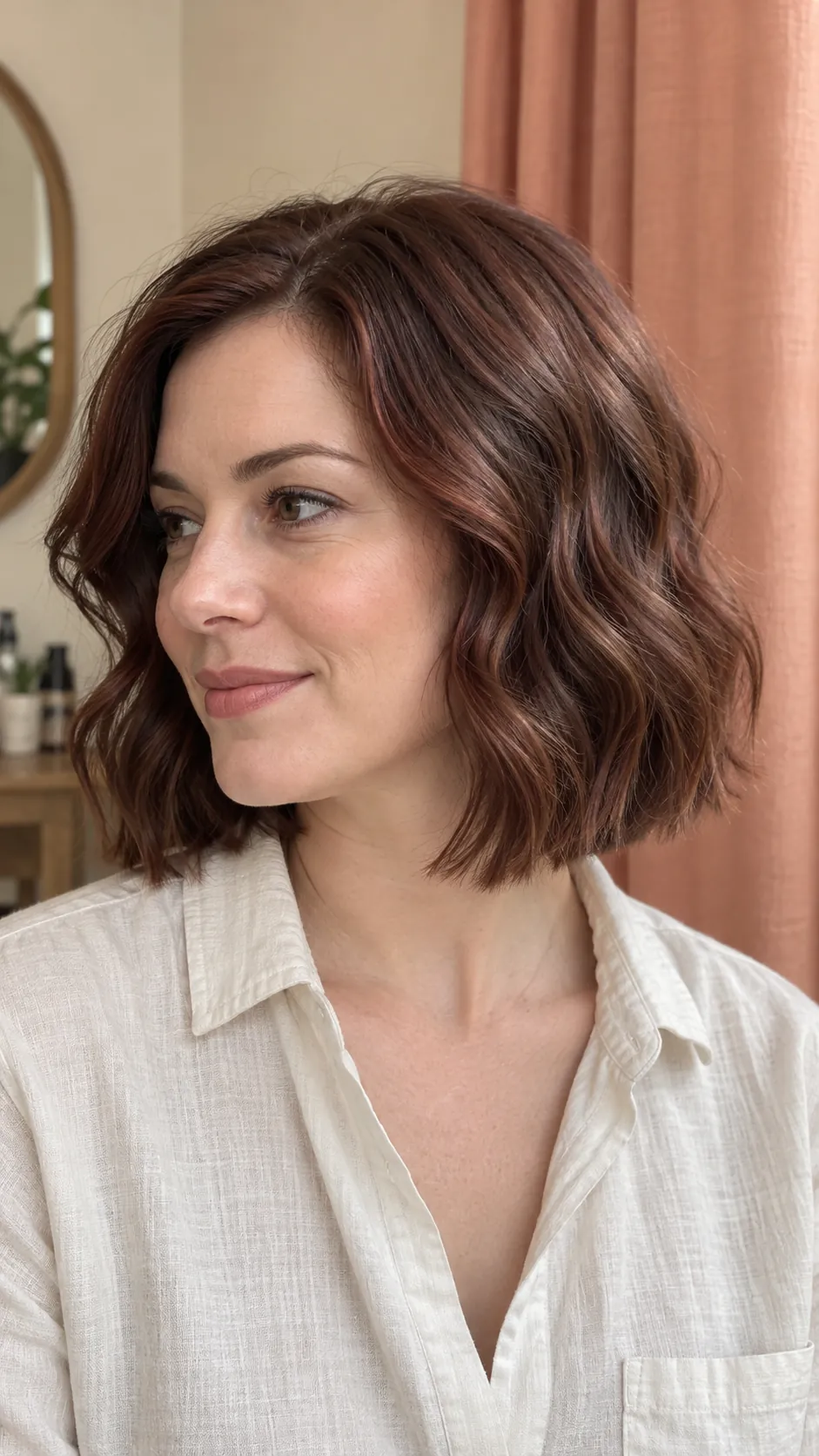
Silver Bob With a Clean Outline
A clear perimeter can make silver hair look deliberate while letting its natural color variation remain visible. The cut does not require all strands to match or the roots to be perfectly uniform. Tell the stylist which areas feel coarse or resistant because texture can vary through gray hair. Adjust conditioning to the hair itself rather than choosing products only by color.
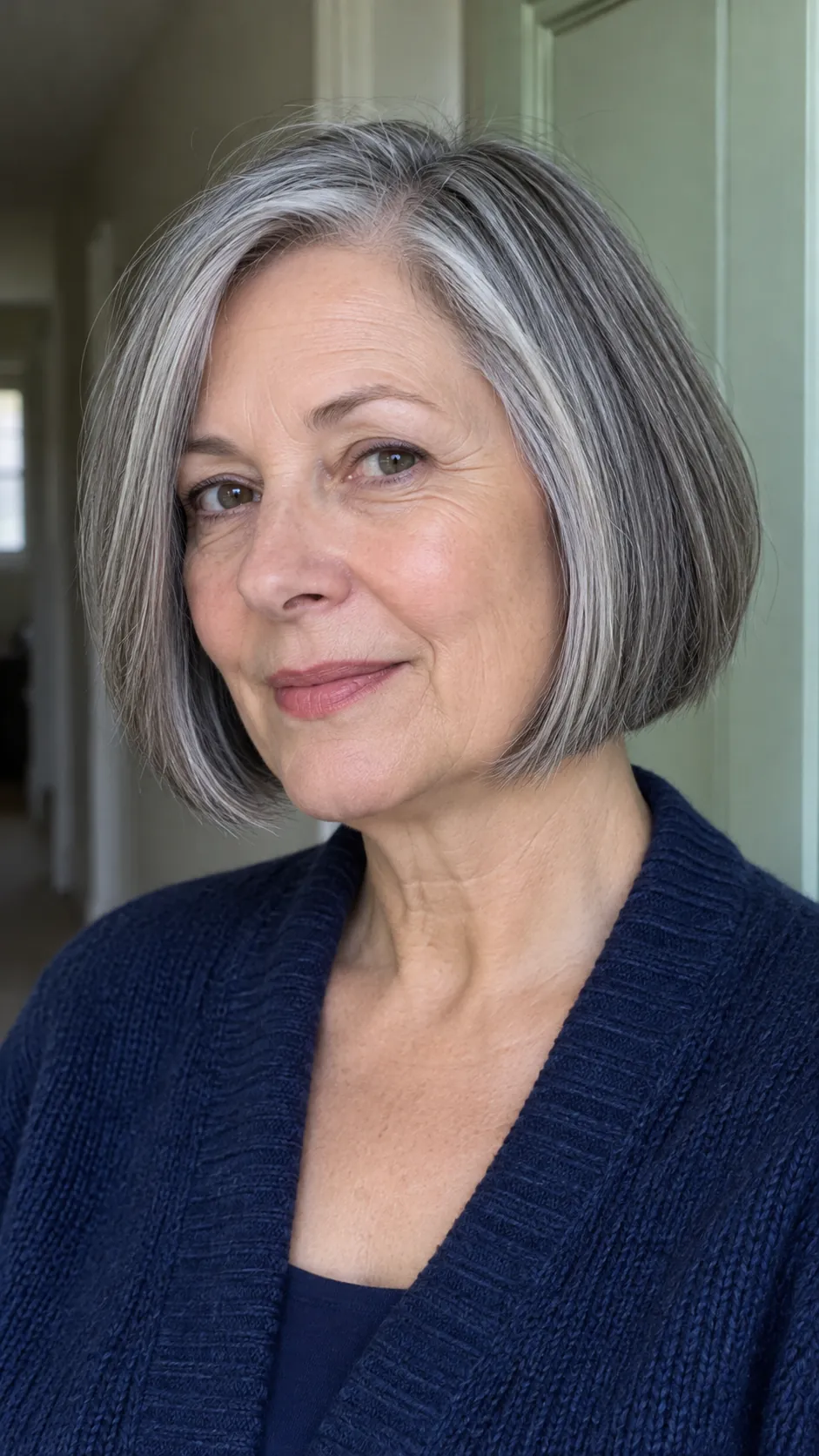
Bob With Subtle Face Framing Pieces
A few shorter front pieces can soften a bob without changing the back. Their shortest point determines whether they behave like a fringe or remain part of the side. Agree on that point while your hair is parted where you normally wear it. If you rely on tying your hair back, check whether those front pieces will escape.
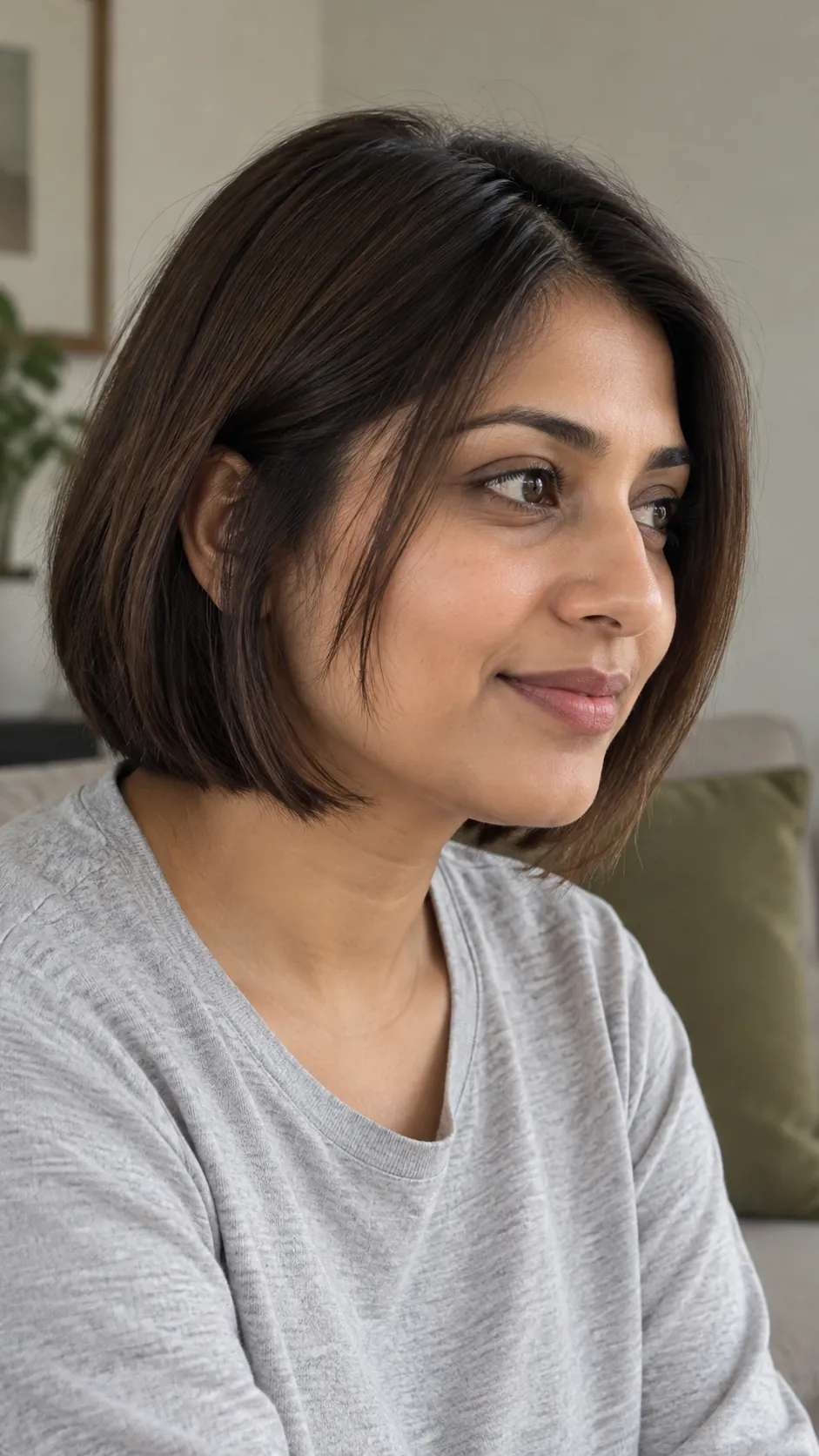
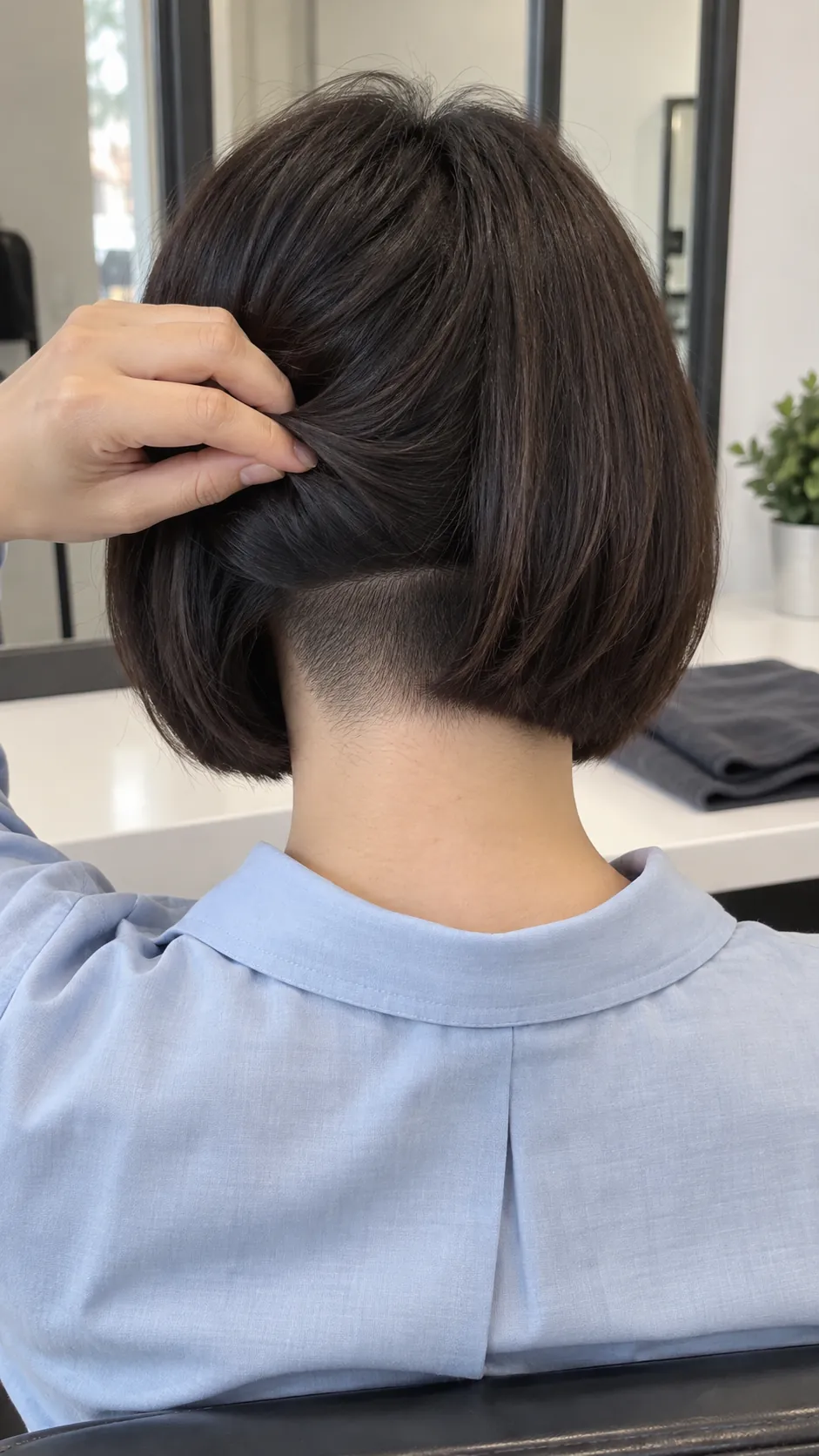
Bob With a Discreet Nape Undercut
A small nape undercut removes hair beneath the outer layer of the bob. It can reduce weight at the neck, but its size and visibility should be discussed before clipping begins. Ask what it will look like when the outer hair is lifted and how it will grow back. This is a different commitment from ordinary internal layering because the shortest hair cannot blend immediately.
Longer Bob With Room to Grow
Starting below the chin leaves more length to work with if you are unsure about going short. A simple perimeter can also make the next shape change easier to discuss as it grows. Check how the ends sit against your shoulders so you can decide whether to keep their natural bend or smooth it. Bring your favorite reference and explain the shortest length you would still feel comfortable wearing.