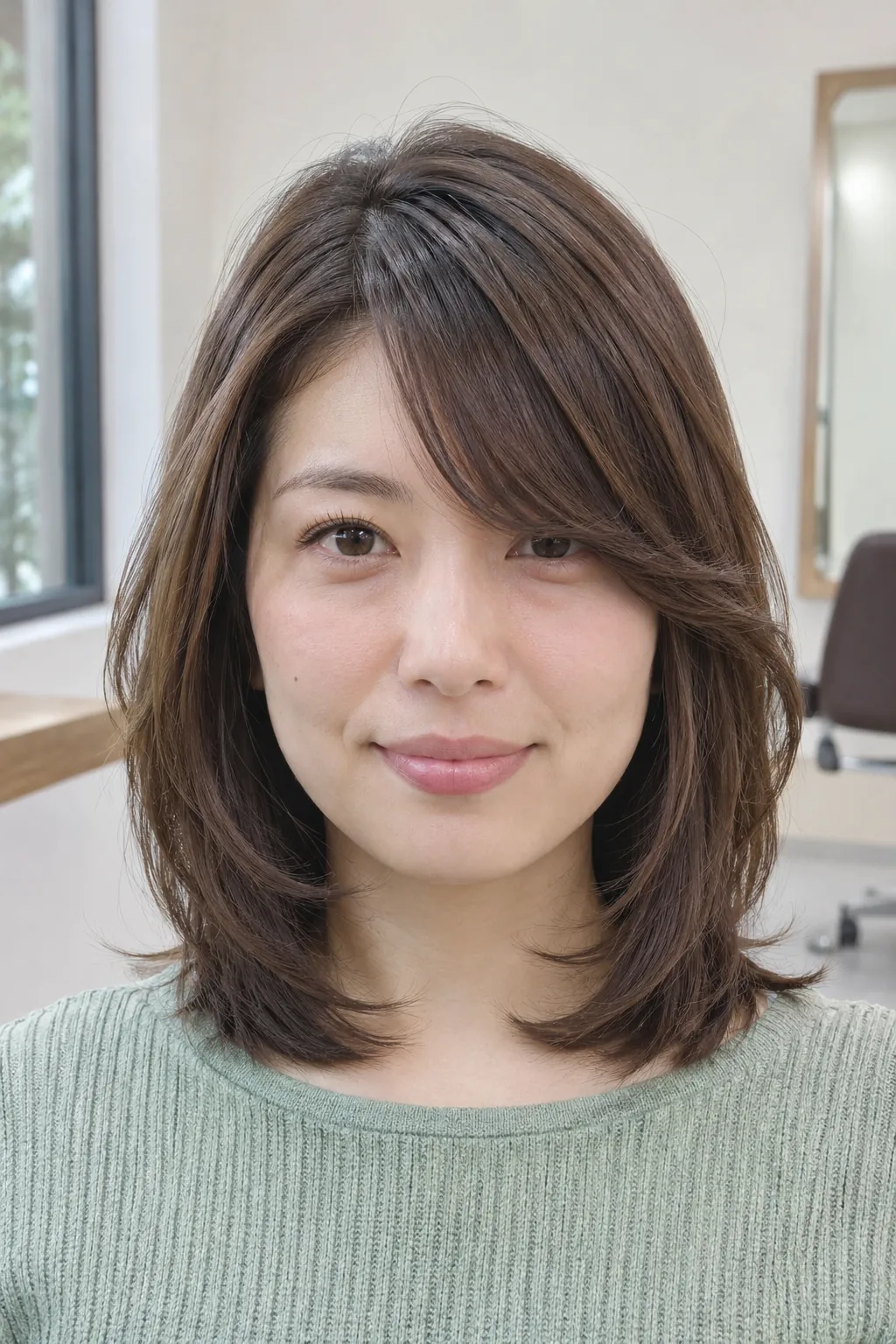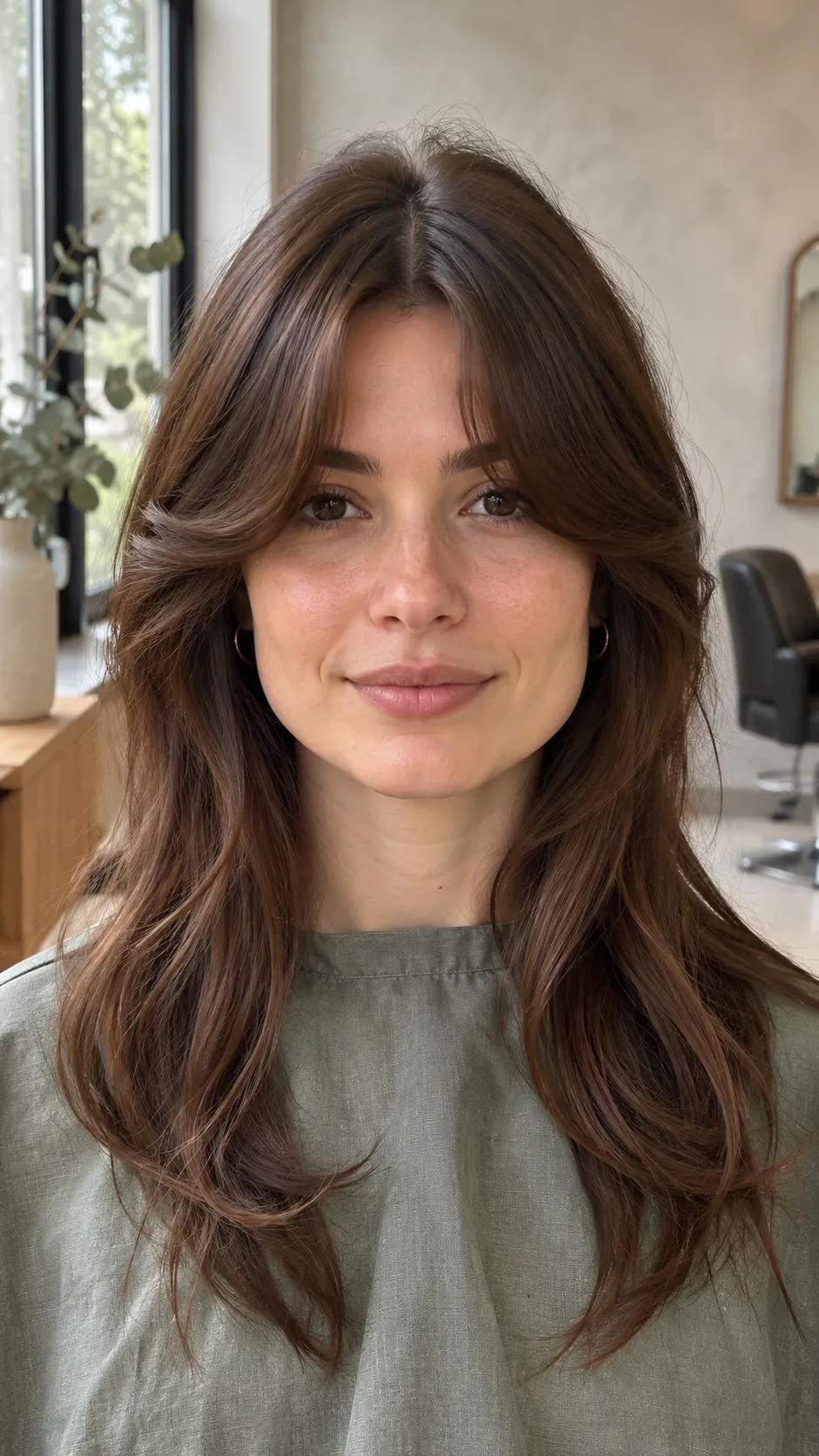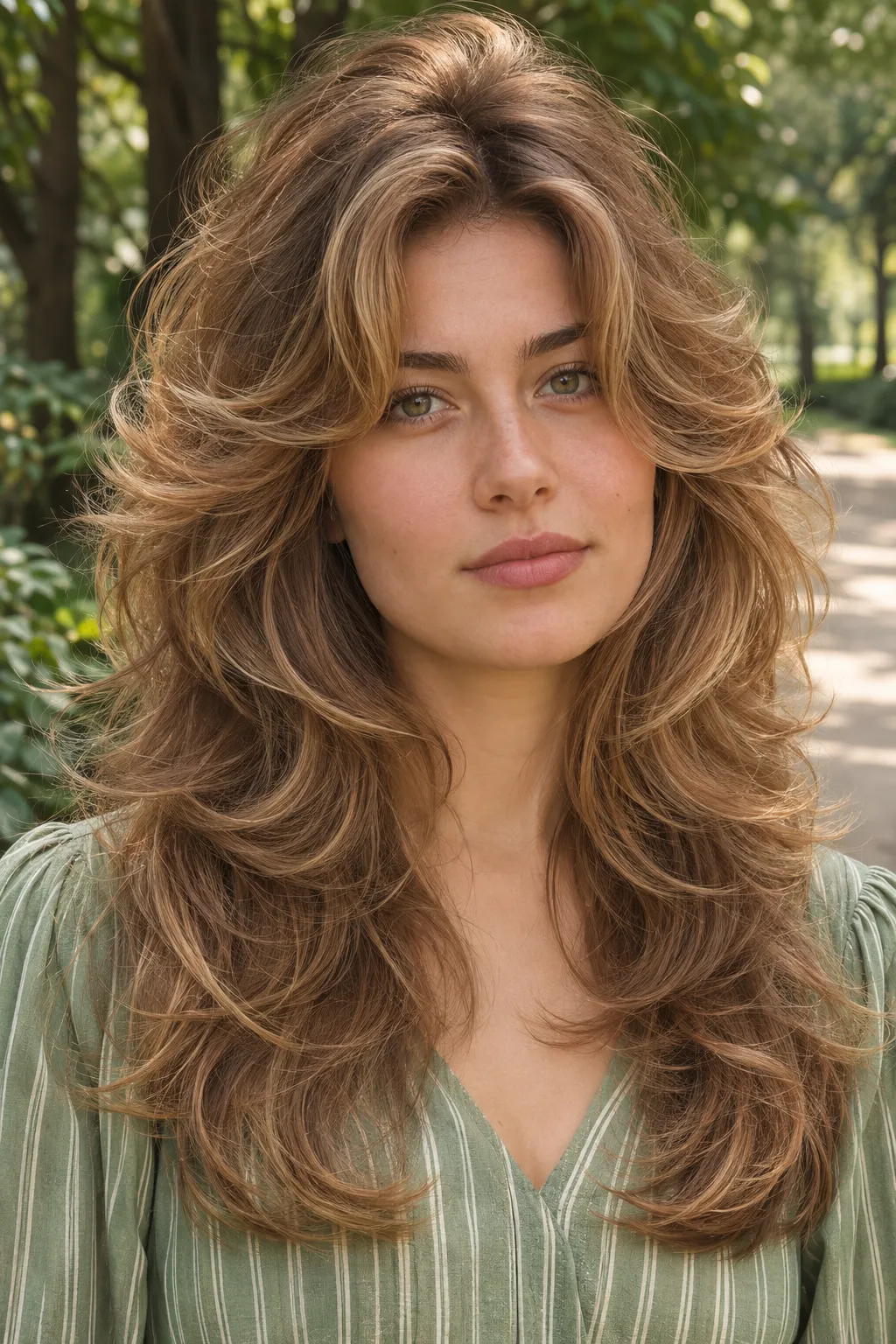
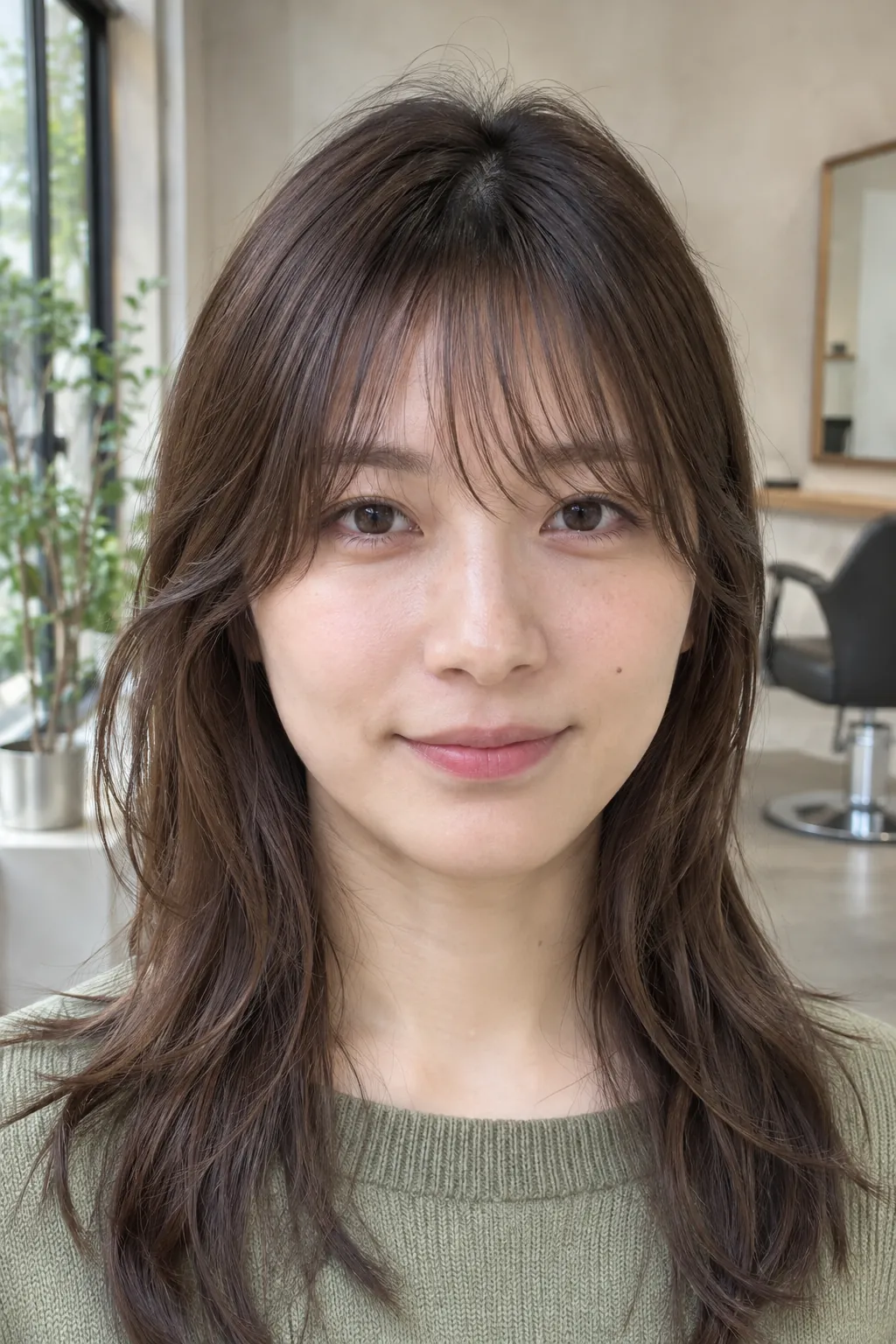
Wispy bangs can look light in a reference photo and still feel heavy once they are cut from the wrong amount of hair. The most useful decision is how much forehead you want to see when the fringe is dry. Length, section width, natural density, and root direction all change that result.
Search discussions show that readers worry about daily styling, oil, pieces falling into the eyes, and losing fullness from fine hair. Bring photos that match your texture and point to the exact gaps and coverage you like. Ask the stylist to check the fringe dry, because wet strands can hide cowlicks, shrinkage, and the true amount of separation.
Barely There Center Wisps

A few fine center pieces change the face without creating a full fringe line. This option keeps most forehead visible and works best when the section begins narrow at the hairline. Ask the stylist to leave enough length for the strands to sit softly instead of springing upward.
Light See Through Brow Fringe
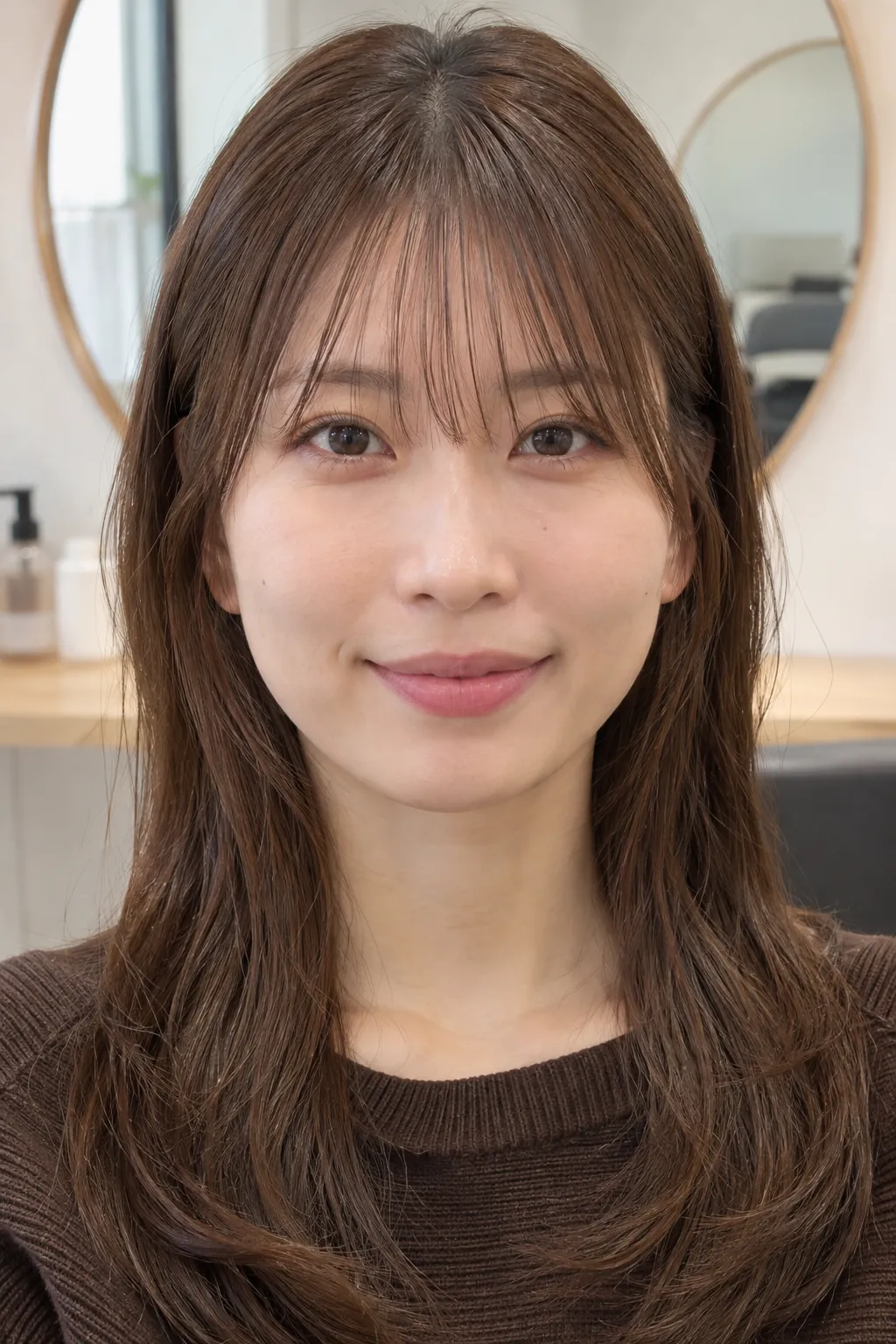
A light brow fringe creates coverage while leaving small windows of skin between strand groups. The ends should look separated by design, not thin because too much hair was removed. Dry the roots forward first and use fingers to place the gaps where they flatter your brows.
Soft Wisps Across the Full Forehead

A wider fringe section can still feel airy when the internal density stays controlled. Distributing the pieces across the forehead gives even coverage without the weight of a blunt edge. Keep the outer corners slightly longer so the fringe connects to the temples rather than ending abruptly.
Long Wispy Bangs That Brush the Eyes

Eye brushing wisps create a relaxed mood, but the exact resting point matters for comfort. A gentle bend can lift the ends just clear of the lashes while keeping the visual length. If the pieces fall into your eyes when straight, ask for a tiny trim rather than relying on product every day.
Short Airy Fringe Above the Brows
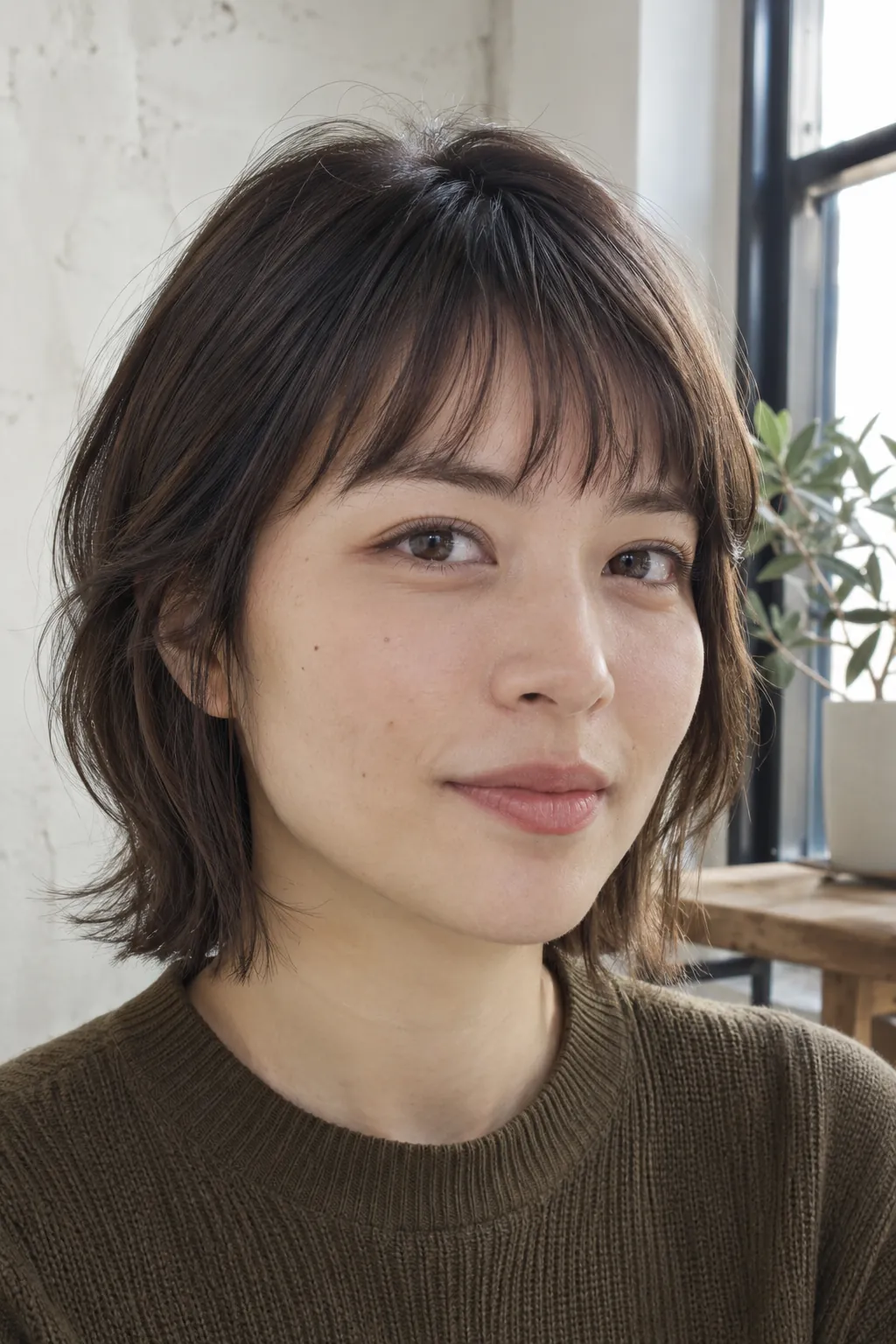
Short wispy bangs open the eye area and make a light fringe look deliberate. The edge needs varied but controlled lengths so it does not resemble a broken blunt cut. This version exposes growth quickly, which makes regular small trims part of the commitment.
Feathered Wispy Bangs for Fine Hair
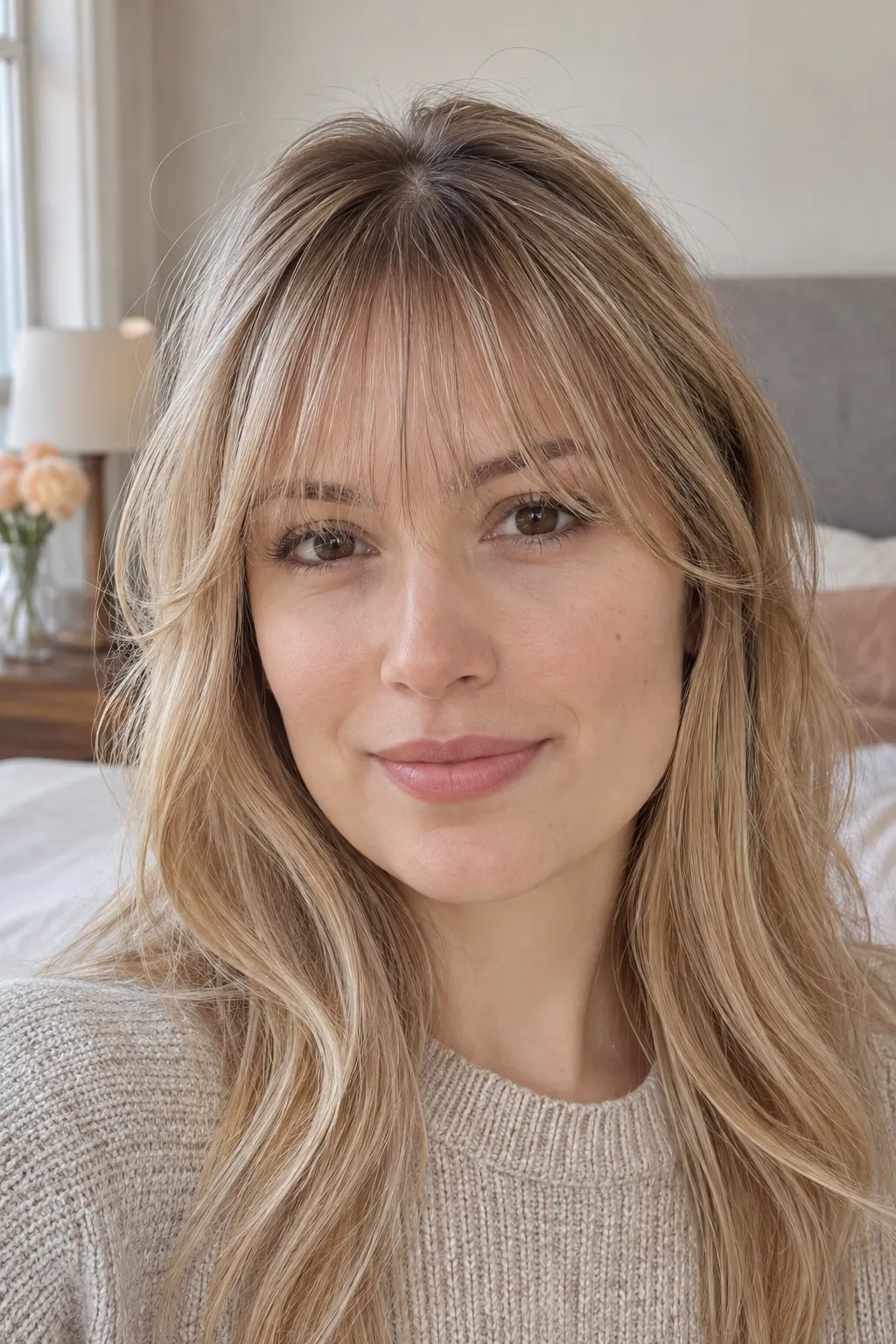
Fine hair needs a conservative fringe section so the lengths behind it keep their fullness. Gentle feathering at the ends supplies movement without thinning the roots or temples. Use a light dry shampoo before the fringe looks oily, because heavy buildup can collapse the spaces that make it airy.
Airy Bangs With Thick Hair
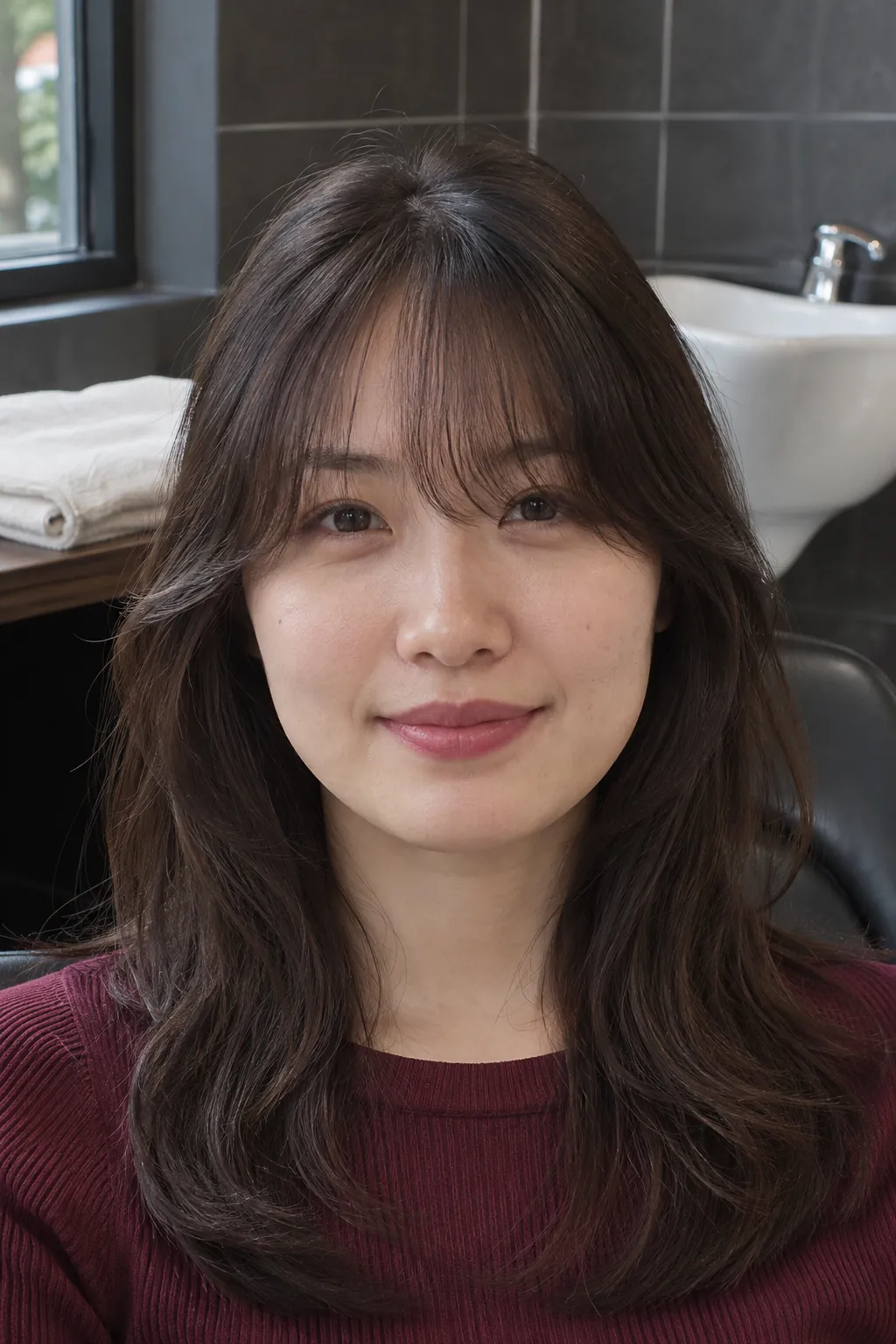
Thick hair can produce a light fringe when the stylist controls the depth of the section and removes weight internally. The surface should retain enough length to settle smoothly over the shorter support pieces. Avoid aggressive thinning near the roots, which can create upright regrowth and unwanted bulk later.
Wispy Curtain Fringe With an Open Center

An open center combines light forehead coverage with the sweep of curtain bangs. Shorter inner strands soften the middle while longer outer pieces bend toward the cheekbones. This shape offers an easy route for growth because the sides already behave like face framing layers.
Offset Wispy Fringe for a Cowlick

A small offset can make a wispy fringe cooperate with natural root lift. The part should follow the growth pattern while the lengths create visual balance from side to side. Have the fringe checked dry so the cowlick is visible and the shorter pieces are not cut under misleading tension.
Wispy Bangs With a Blunt Bob

A blunt bob gains softness when a fine fringe breaks the strong horizontal perimeter. The bang edge can stay airy while the bob remains dense and precise below the jaw. Keep the temple pieces connected to the bob so the two shapes feel intentional together.
Side Swept Wispy Bangs

Side swept wisps offer partial coverage and can be easier to move away from the eyes. The shortest point should begin near the chosen part and lengthen gradually toward the opposite temple. Dry the roots across the forehead, then allow the ends to settle instead of spraying them into one solid piece.
Curly Wispy Fringe With Separated Tendrils

Curly wispy bangs depend on a few carefully selected curl groups rather than a brushed sheet of hair. Each tendril needs enough dry length to spring above the eyes without becoming too short. Apply the same curl product used on the rest of the hair, then leave the fringe untouched until dry.
Wavy Wispy Bangs With Natural Gaps

Loose waves create shifting gaps that make a fringe look soft throughout the day. Cutting with the natural bend in view prevents one section from appearing much shorter after drying. Refresh only the root direction with water or warm air, because soaking the ends can change the pattern completely.
Straight See Through Fringe
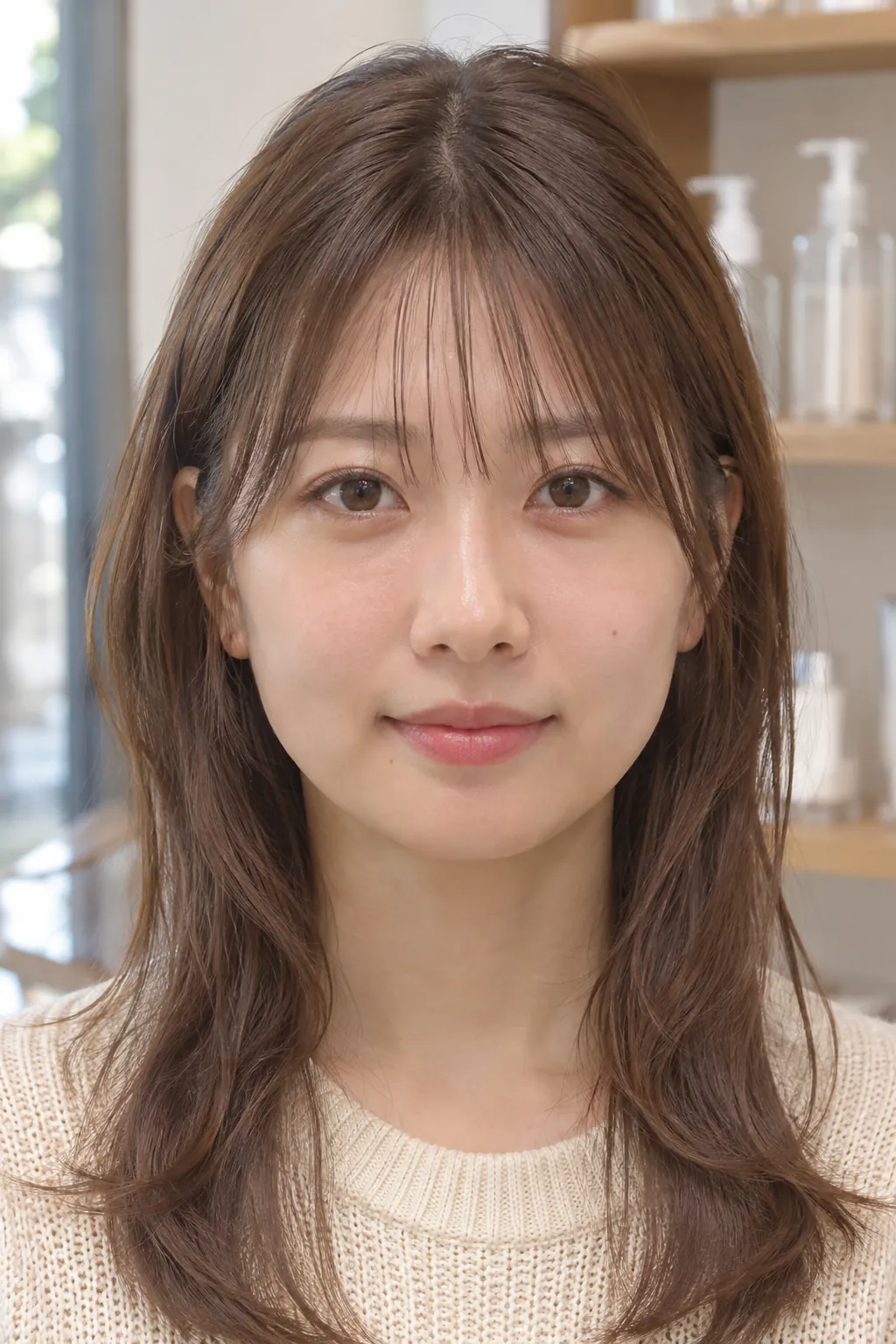
Straight hair shows the spacing of a see through fringe clearly, which makes section control important. A narrow triangle and softly textured ends provide transparency without a sparse hairline effect. Keep the roots clean and mobile, since oil can pull separate pieces into one narrow strand.
Wispy Bangs With Glasses

Glasses occupy the same visual area as many wispy fringes, so the cut should avoid constant contact with the frames. Brow length pieces with longer corners can clear the lenses while still softening the forehead. Wear your regular glasses during the cut to reveal where the strands catch at the temples.
Rounded Wispy Fringe With a Lob

A gentle rounded edge mirrors the curved movement of a shoulder length lob. Lightness at the tips keeps the fringe soft, while a little density near the roots prevents it from disappearing. Turn the ends under only slightly so the result does not become a heavy rolled bang.
Choppy Wispy Bangs With a Shag

A shag can support uneven wispy pieces because texture already runs through the whole haircut. The fringe should contain deliberate changes in length, with enough connection at the sides to avoid a random broken edge. A trace of dry texture product can define the ends without making the forehead look oily.
Long Wispy Pieces for Growing Out Bangs
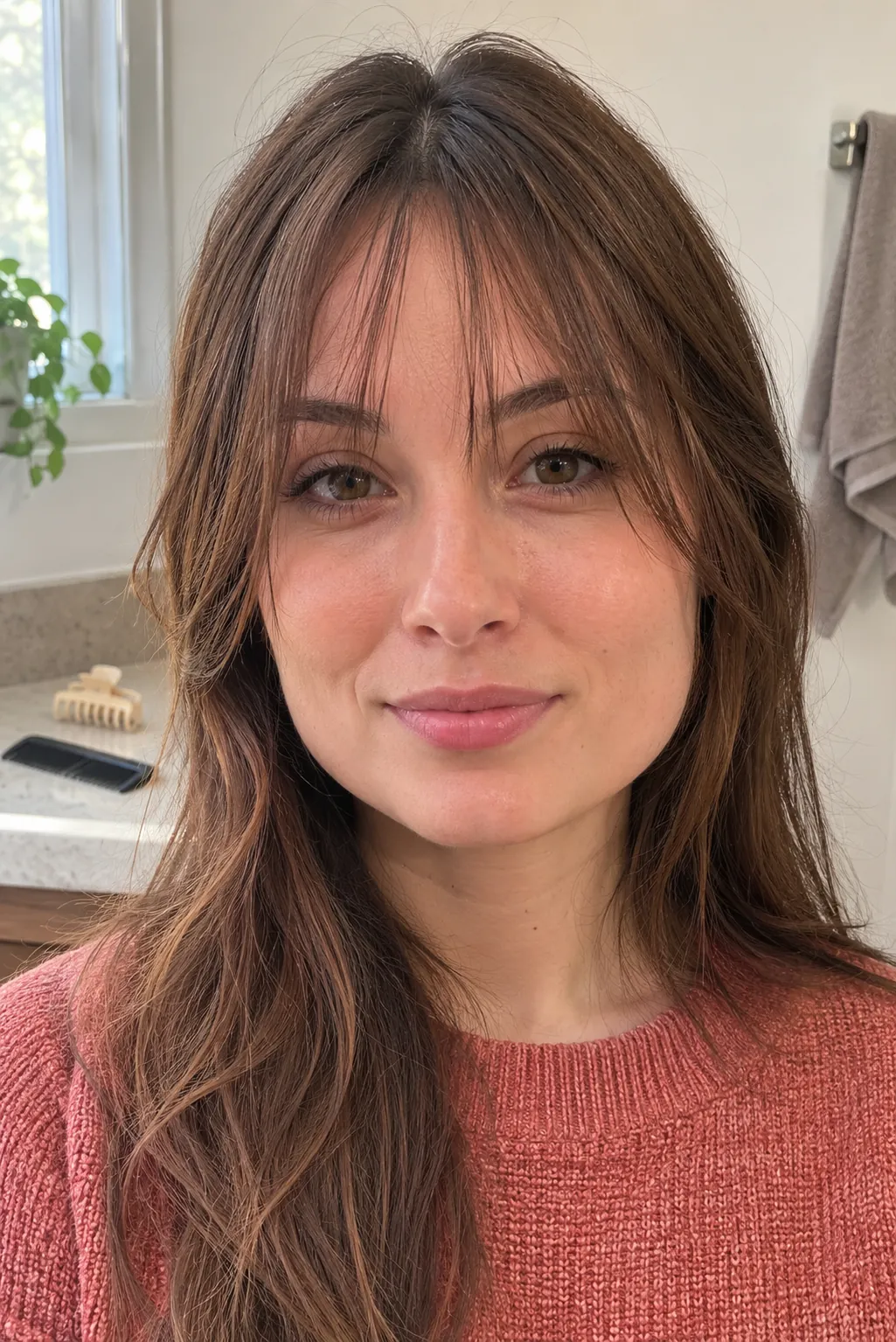
An old fringe can become long wispy bangs once the center reaches the eyes and the sides approach the cheekbones. Removing only bulky corners preserves progress while giving the shape a clear direction. Clips or a soft side part can manage stubborn pieces on days when the center will not stay open.
Wispy Fringe With a Low Ponytail
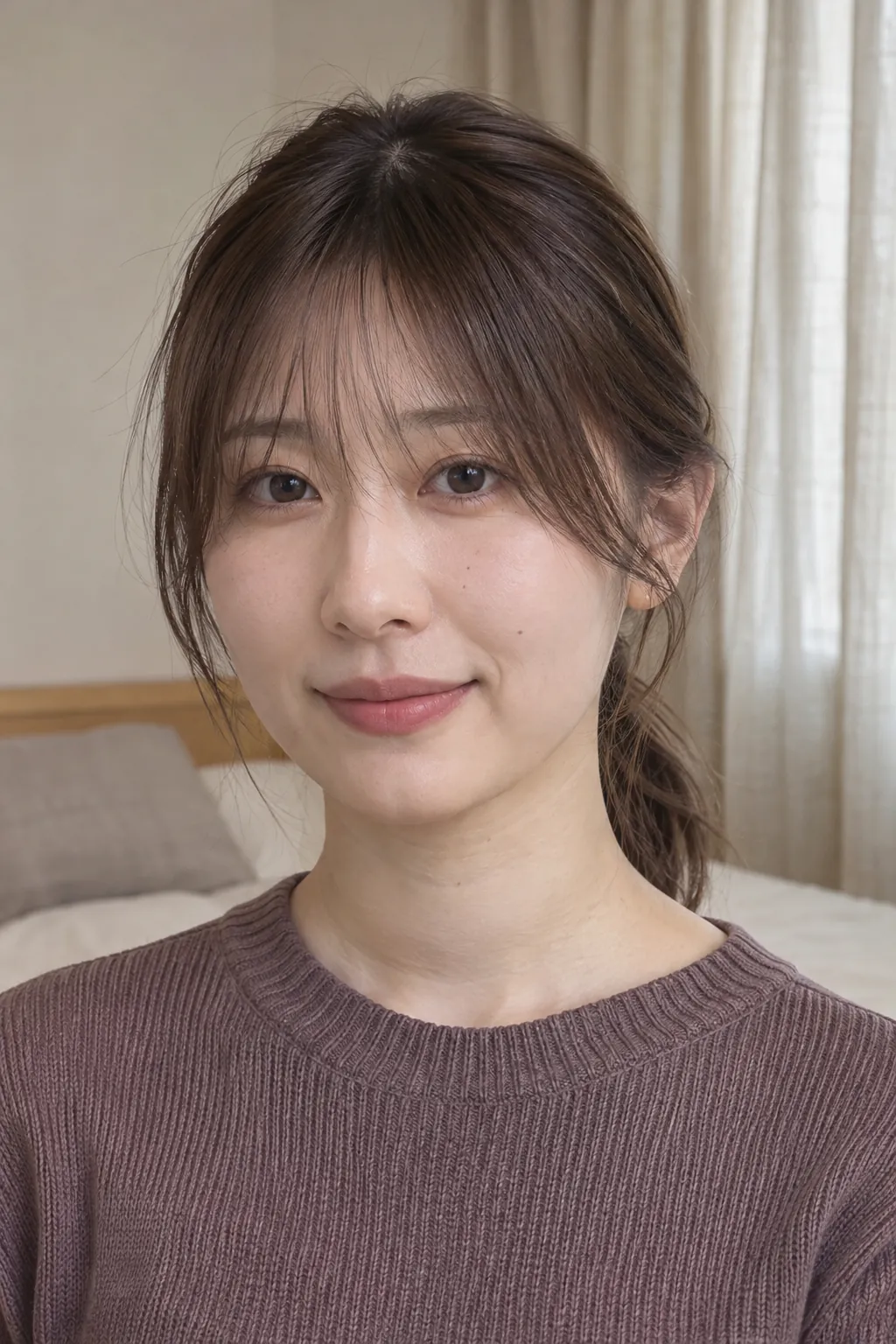
A low ponytail highlights how much hair was assigned to the fringe. A narrow, airy section leaves the temples full while a few longer pieces bridge the forehead and tied lengths. Pull forward only the strands that naturally belong to the bangs rather than borrowing extra hair from the sides.
Polished Wispy Bangs With Root Lift
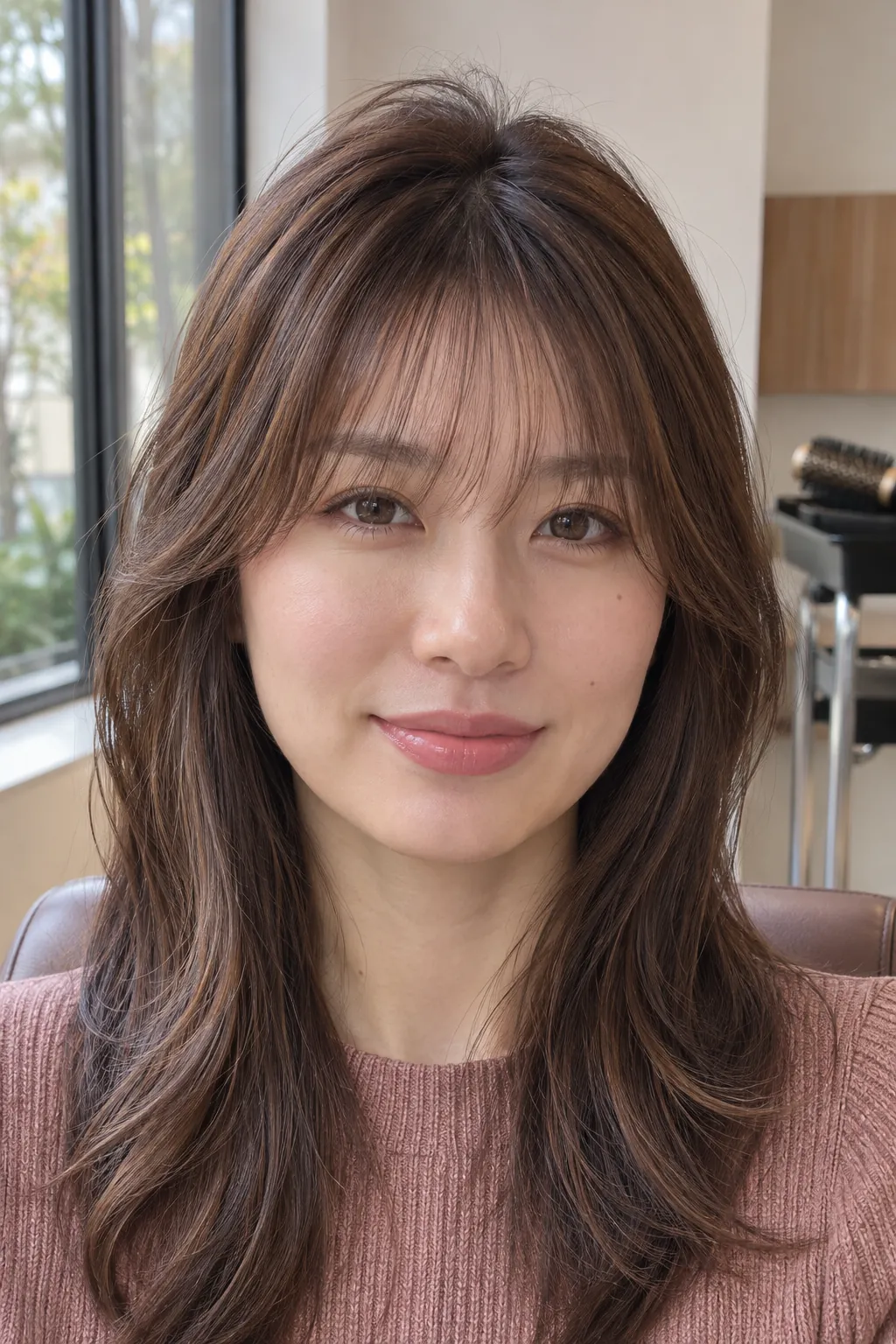
Subtle root lift keeps wispy bangs from sticking to the forehead without turning them into a high rounded fringe. Direct the damp roots from side to side, then forward, before shaping the ends with a small brush. Let the fringe cool in place and use minimal product so the separated coverage remains visible.