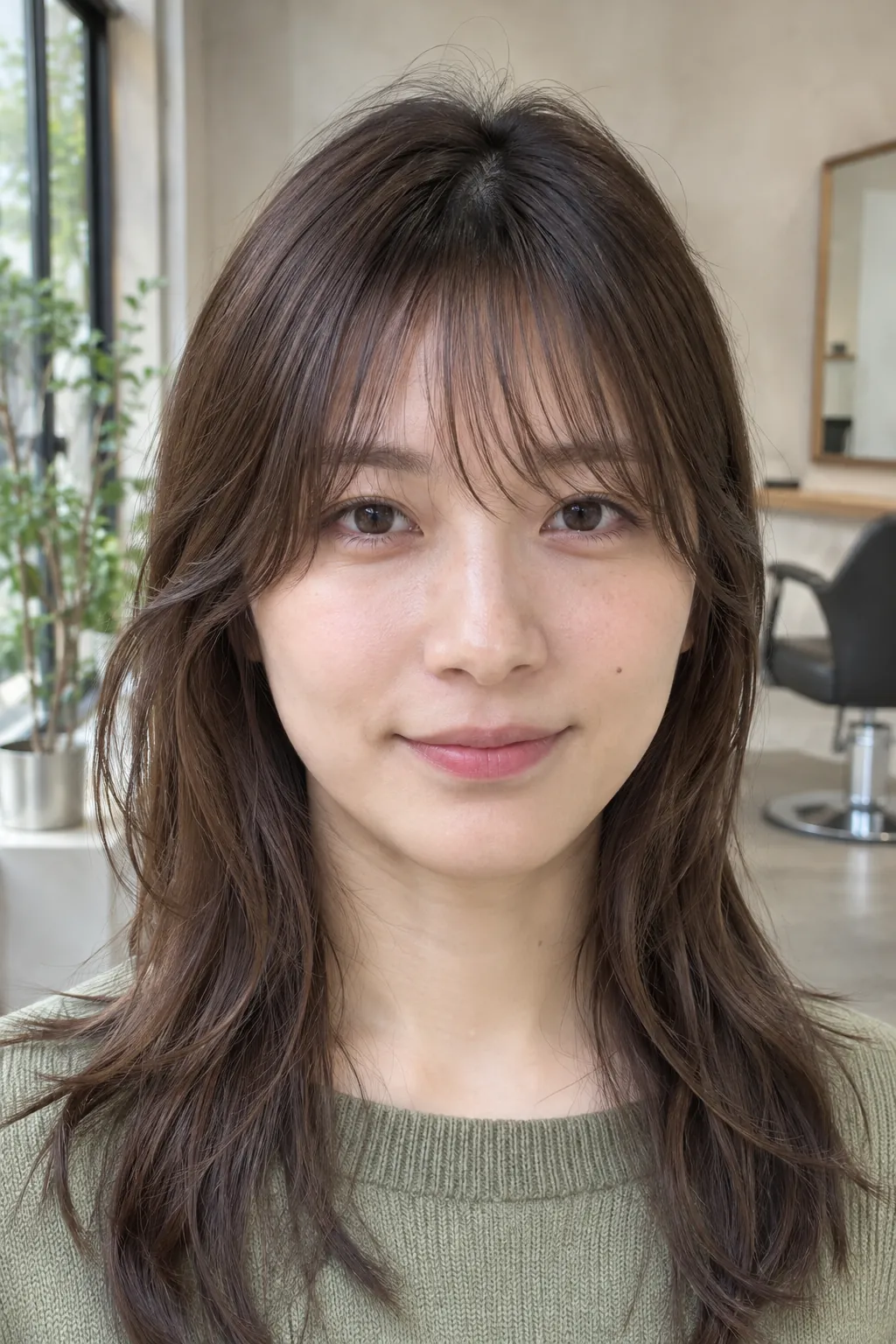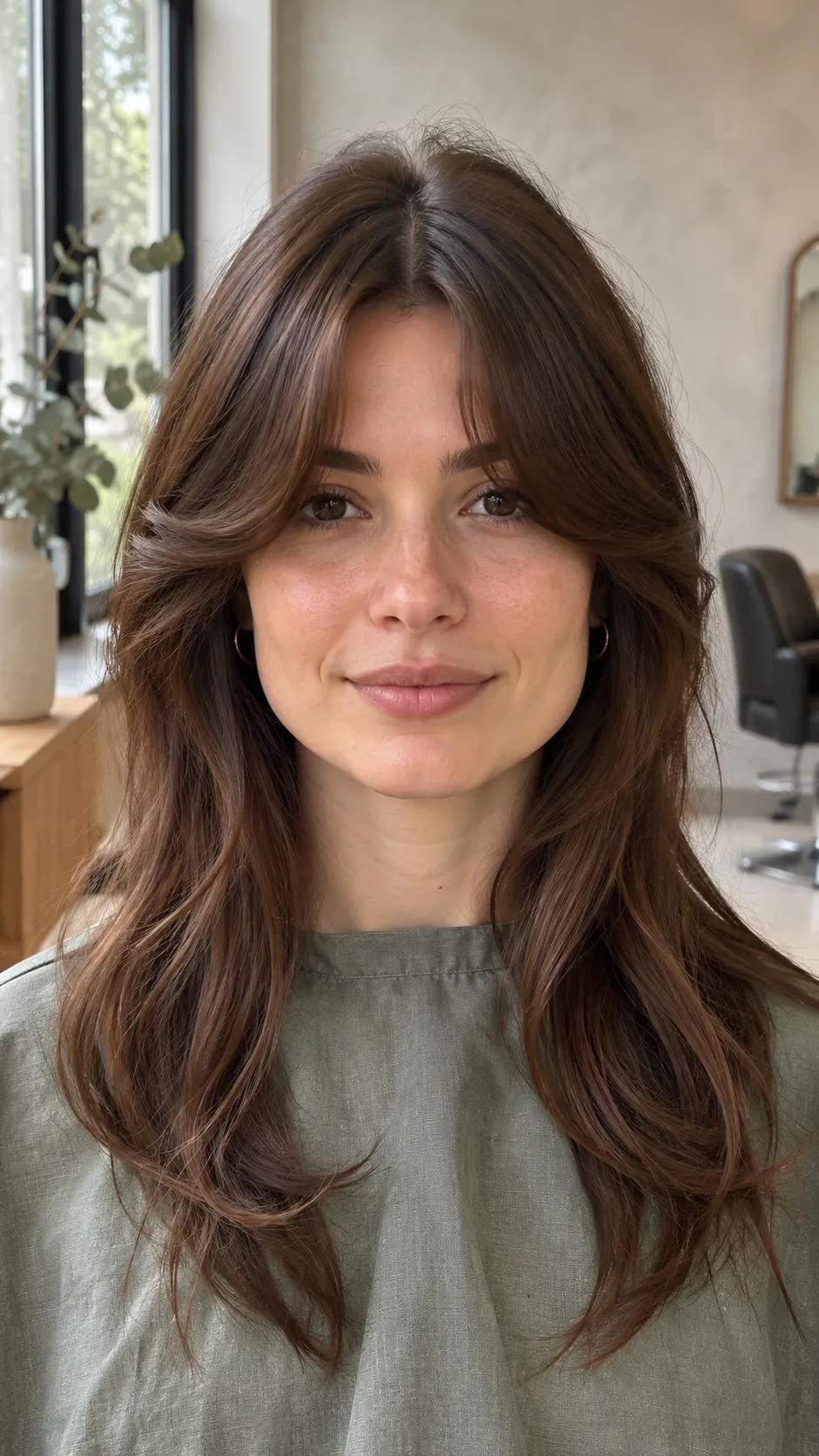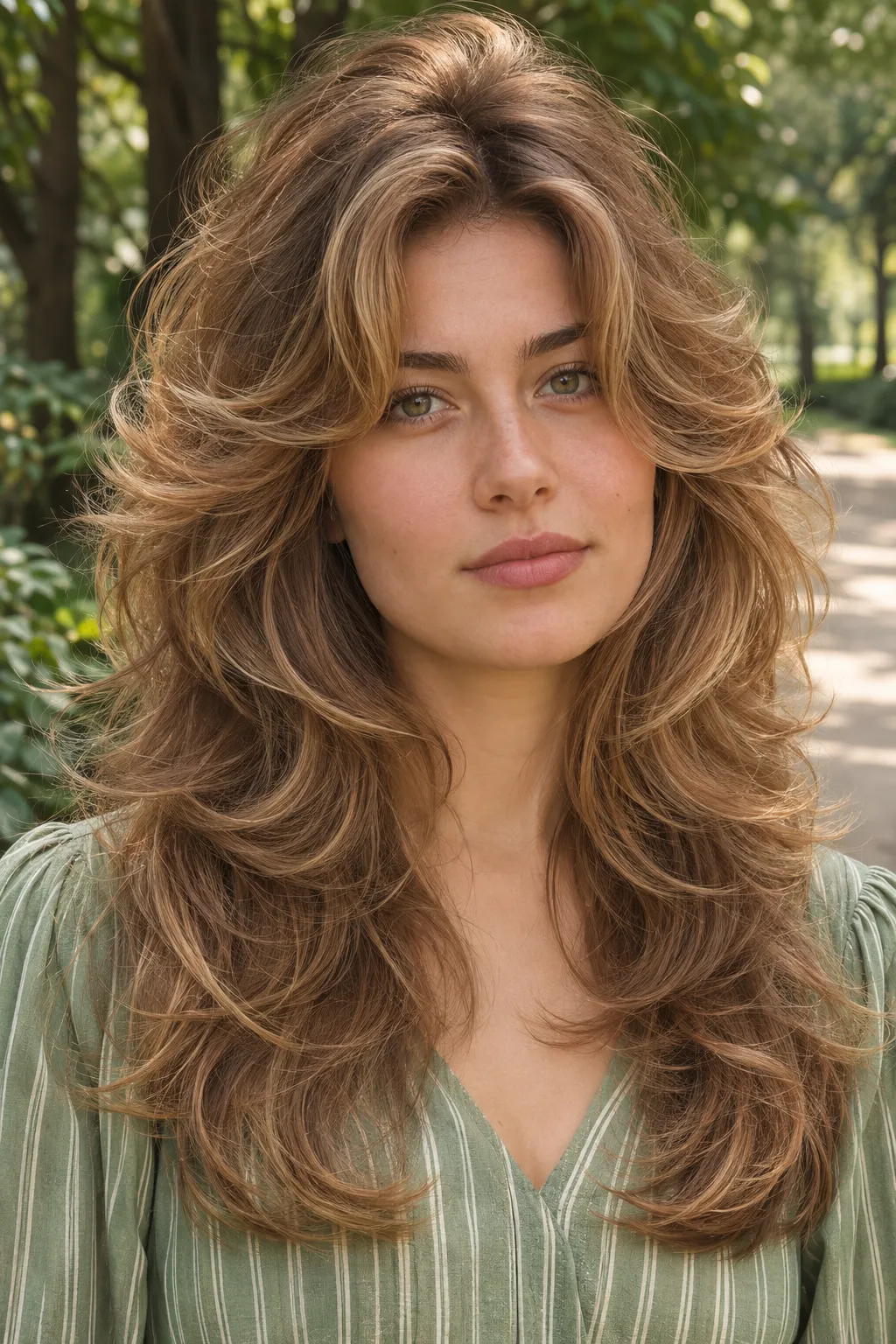
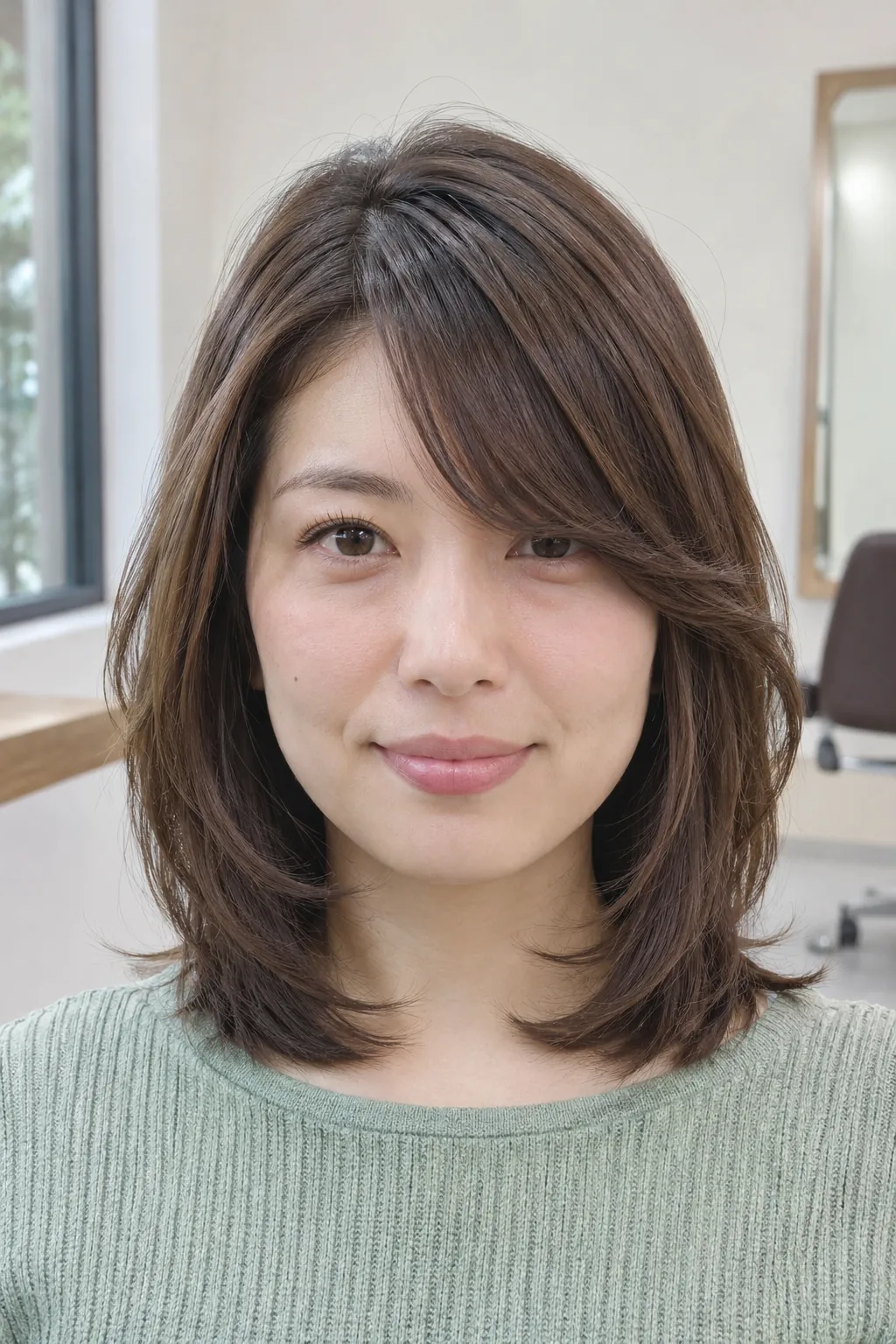
Side swept bangs can cooperate with a front cowlick, but only when the length and direction respect the way the roots grow. A reference photo cannot show how the same fringe behaves after sleep, humidity, or an air dry. The useful question is where the shortest piece lands when the hair is dry and how it connects to the rest of your haircut.
Search discussions show repeated frustration with bangs that look good only after styling, sections that are too long to hold a sweep, and roots that split against the chosen side. Start longer if you are uncertain, and ask the stylist to inspect the fringe without tension. These ideas cover pixies, bobs, medium cuts, long layers, curls, fine hair, thick hair, glasses, updos, and growing lengths.
Short Side Fringe With a Pixie
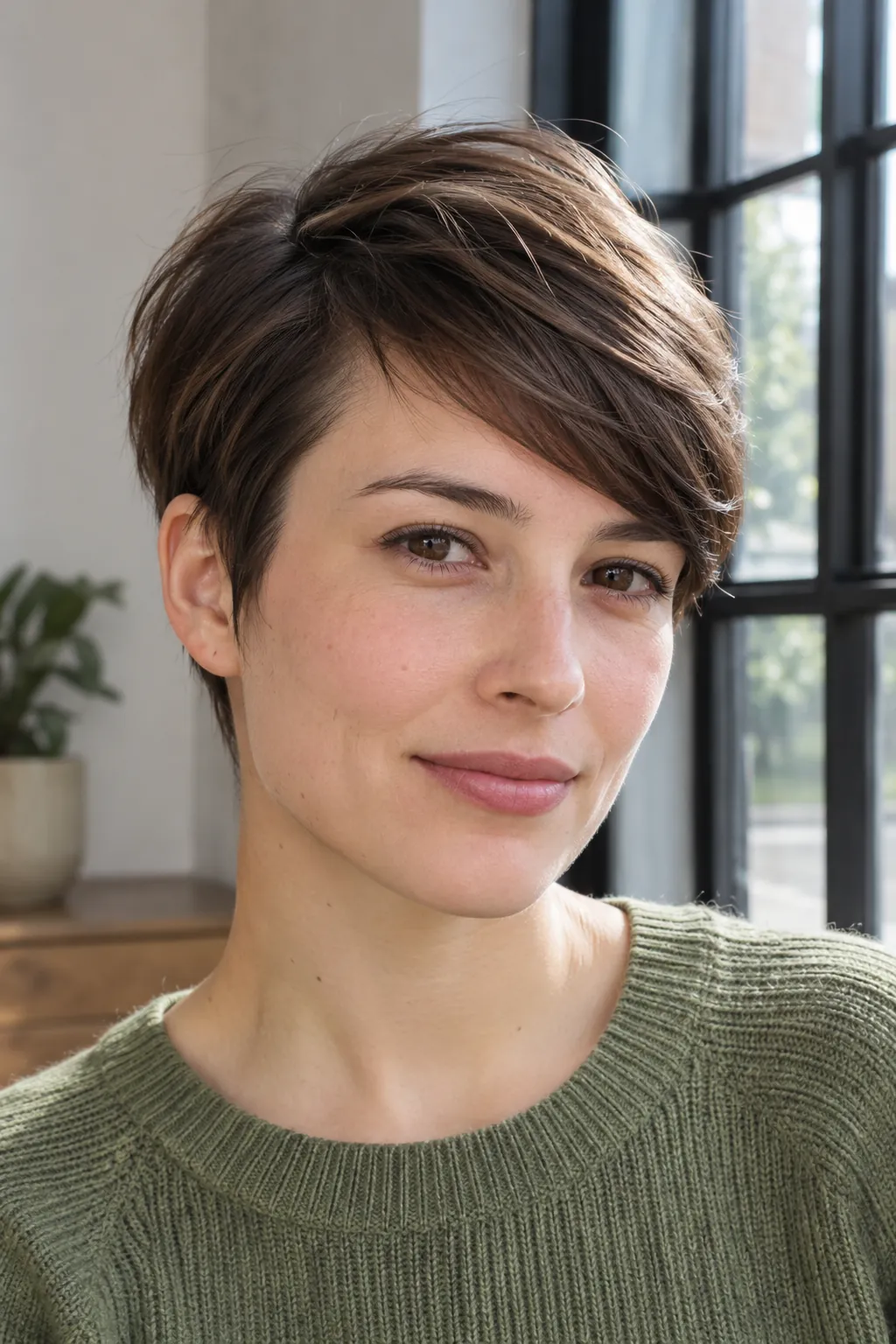
A short side fringe can soften a pixie without hiding the haircut structure. The sweep should follow the crown direction and finish above the outer brow for a crisp shape. Use a small amount of flexible paste at the ends while keeping the roots light.
Long Side Bangs With a Pixie
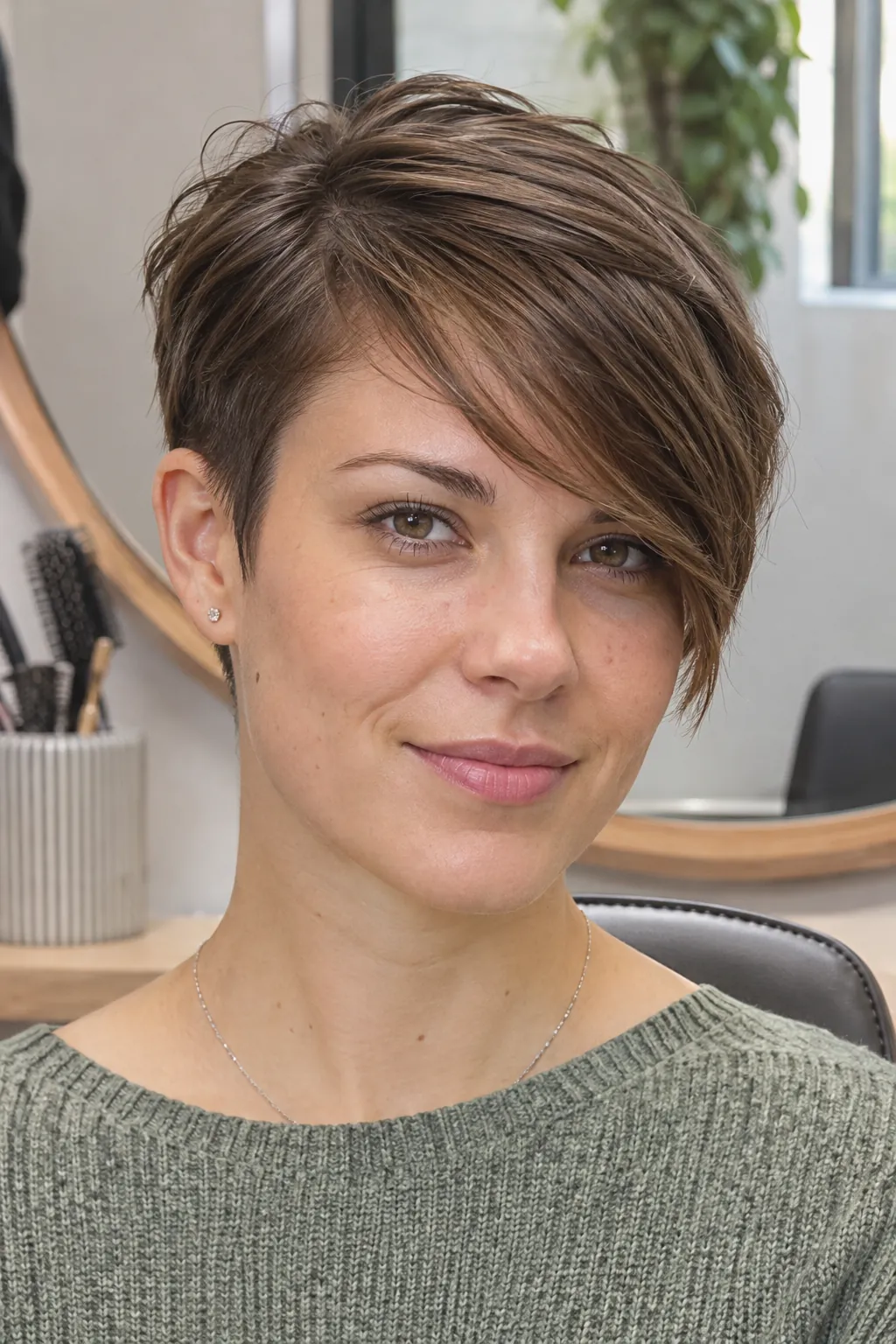
Long side bangs add contrast to a close pixie and can skim the cheekbone on the fuller side. The shorter side needs enough connection to prevent the front from looking detached from the crop. Dry the fringe forward before guiding it sideways so the root does not split too early.
Curved Side Fringe With a Bixie
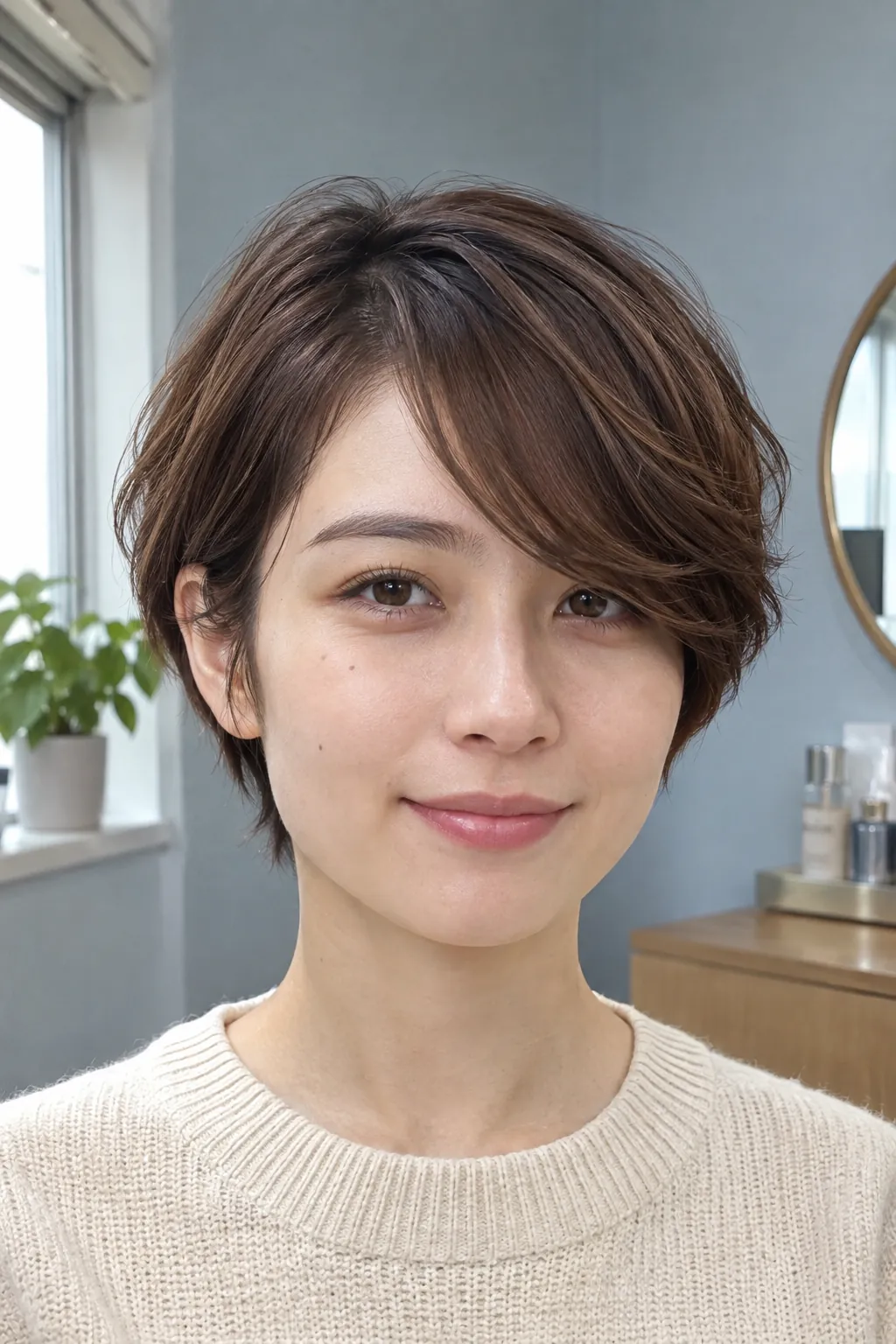
A bixie supports a curved side fringe that moves into the longer ear and nape pieces. The arc should look continuous from the part through the outer corner of the eye. A small round brush can shape the bend, but cooling the hair in place supplies most of the hold.
Side Swept Bangs With a Chin Bob

A chin bob gains movement when the side fringe meets the perimeter near the cheek or jaw. Keeping that connection visible makes the front feel integrated instead of layered on top. Choose the meeting point based on how much cheek coverage you want when the hair is tucked.
Deep Side Fringe With a Blunt Bob

A deep side part creates a broad sweep that contrasts with a blunt bob edge. The fringe needs enough density to cross the forehead without breaking into a thin diagonal line. Keep the ends soft so they merge into the solid bob rather than forming a second harsh perimeter.
Wispy Side Bangs With a Lob
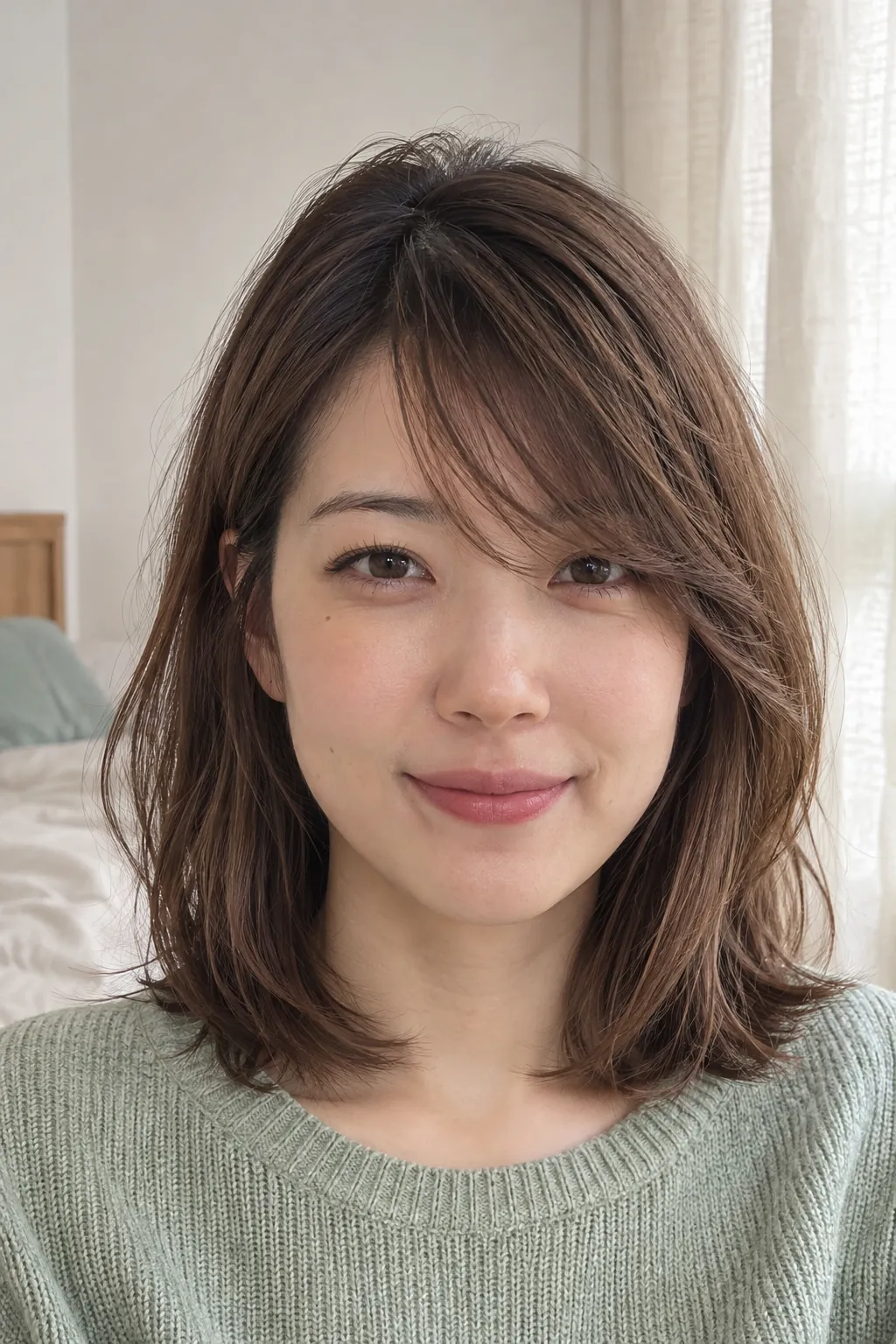
Wispy side bangs bring light movement to a shoulder length lob. A narrow section preserves density through the sides and leaves small spaces across the forehead. This option is useful for fine hair, but heavy product can collapse the airy separation.
Long Side Fringe With a Layered Lob

A layered lob gives long side fringe a natural path into the cheek and collarbone layers. The shortest point can sit near the eye while the outer pieces reach the mouth. Ask for a gradual blend so the sweep still looks intentional when it is tucked behind the ear.
Side Bangs With Collarbone Layers
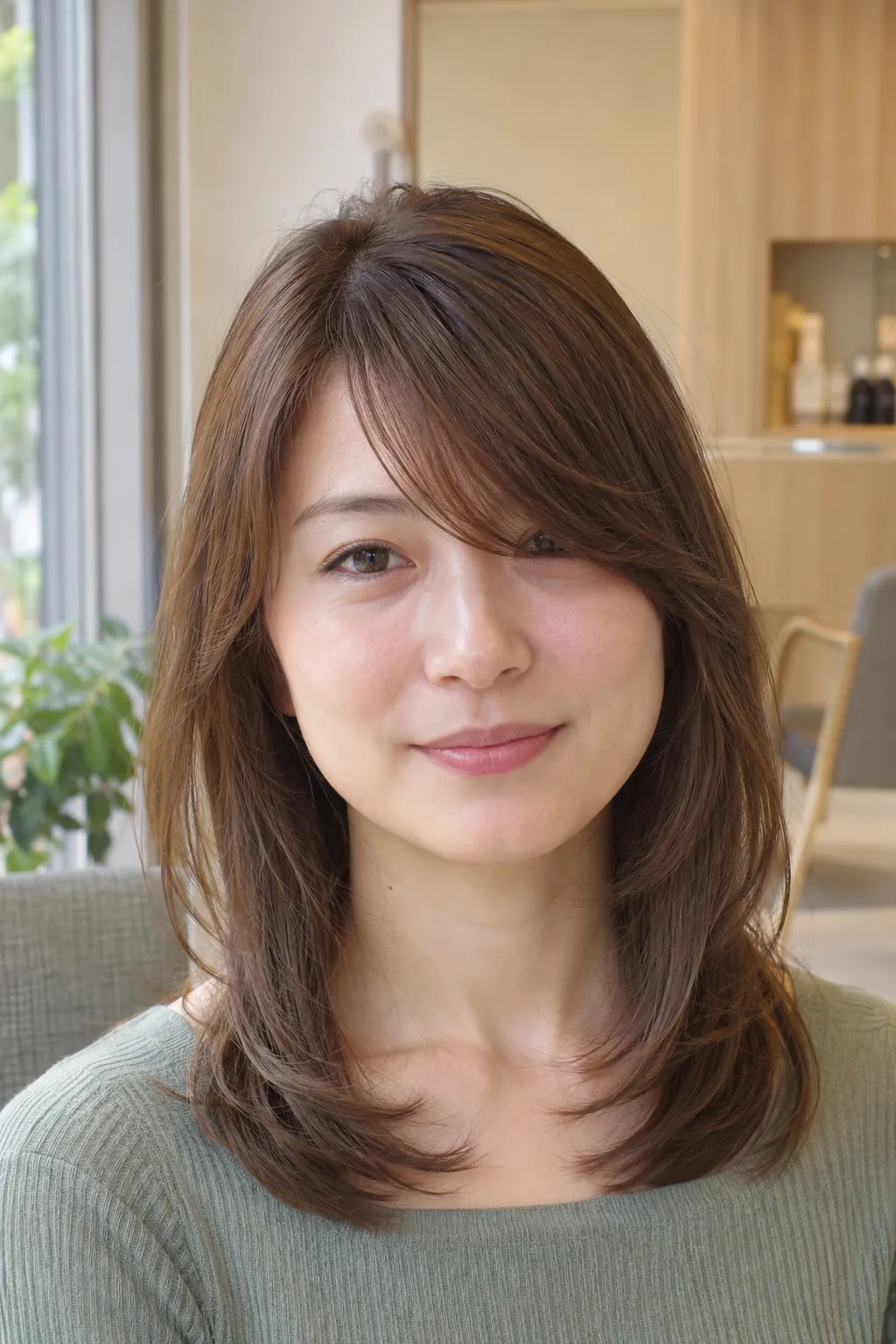
Collarbone layers balance side bangs that travel from the brow toward the cheekbone. The front can feel light while the lower layers carry movement around the shoulders. Dry the fringe separately from the lengths to control its root direction before the rest of the hair is finished.
Cheekbone Side Bangs on Medium Hair
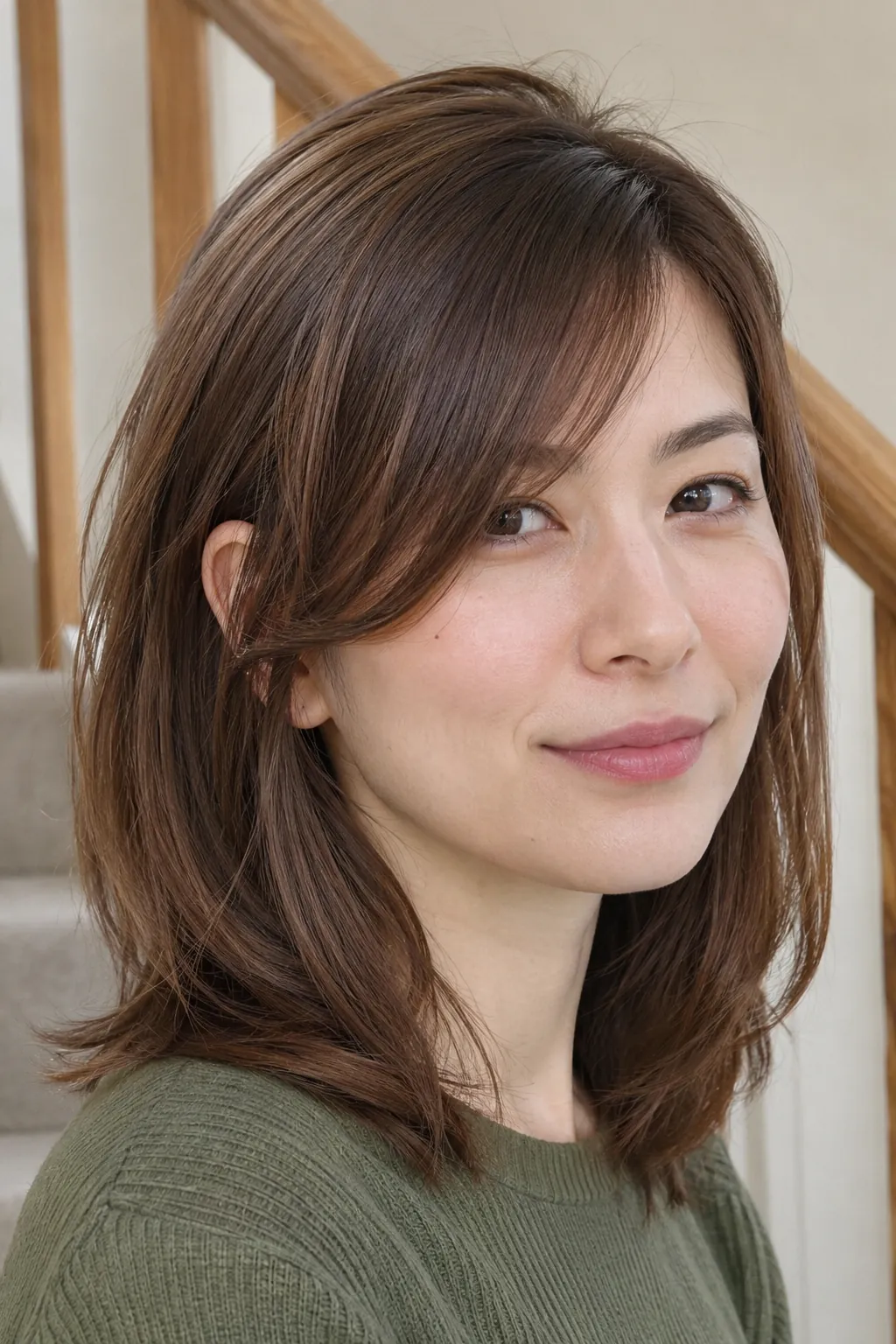
Cheekbone side bangs offer a forgiving length for medium hair and uncertain growth patterns. The sweep stays visible, yet the pieces can move into a ponytail or tuck behind the ear. Start here if a strong cowlick makes shorter bangs feel risky.
Eye Skimming Side Fringe on Medium Hair

An eye skimming side fringe creates a stronger diagonal line and more forehead coverage. The dry endpoint should clear the lashes once the root and bend settle. If it falls into the eye when straight, trim the shortest area slightly instead of adding stiff spray every morning.
Soft Side Fringe With Shoulder Waves
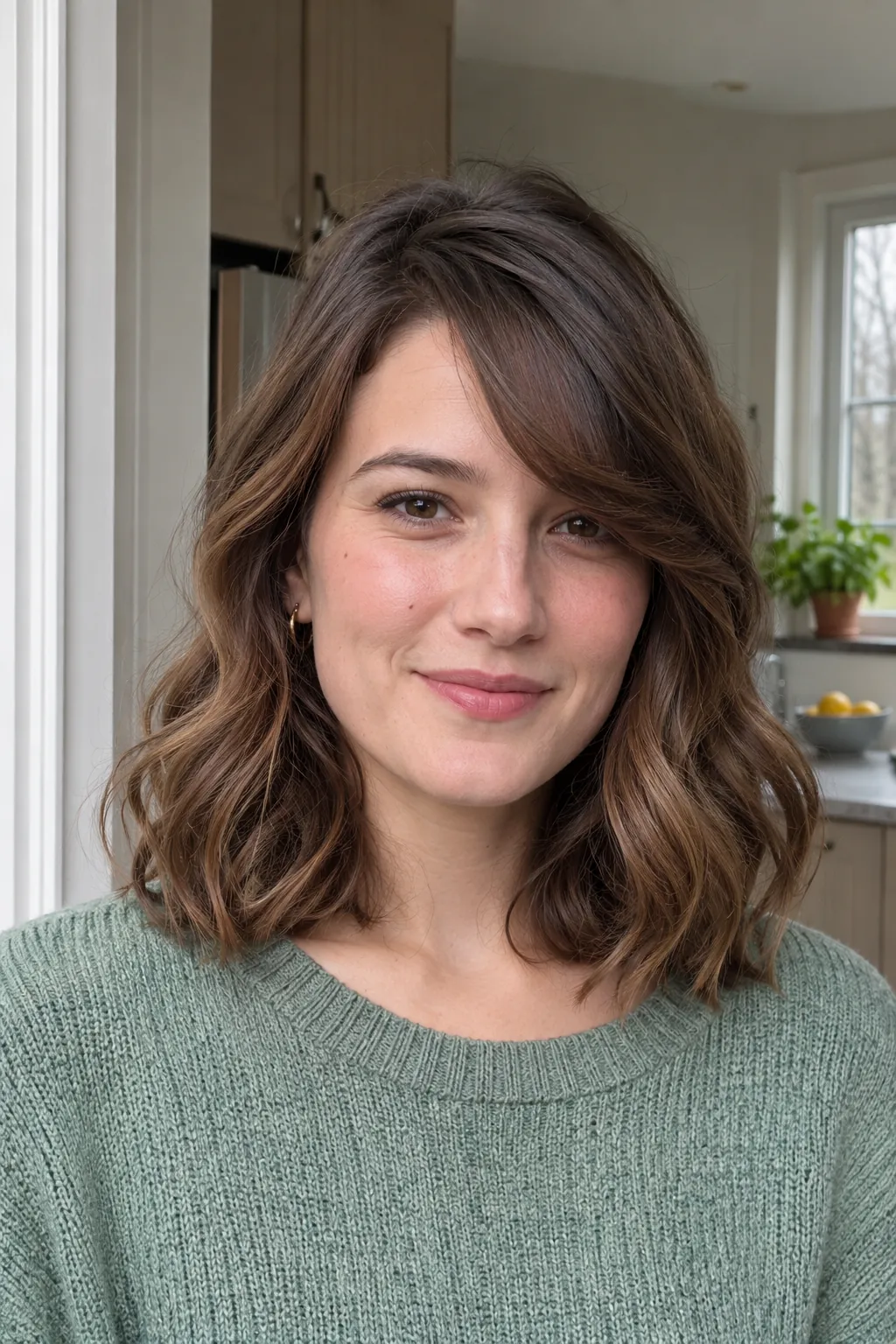
Shoulder length waves suit a side fringe with a relaxed, irregular bend. Cutting around the natural wave prevents the bang from springing shorter or separating in an unexpected spot. Twist only the outer end away from the face and let the root follow its normal movement.
Side Swept Bangs With Long Layers

Long layers make side swept bangs feel connected across the full haircut. The fringe can begin near the brow and travel through the cheek to the first front layer. A broad, gentle blend is easier to grow than a short section with an abrupt outer corner.
Extra Long Side Bangs for Straight Hair
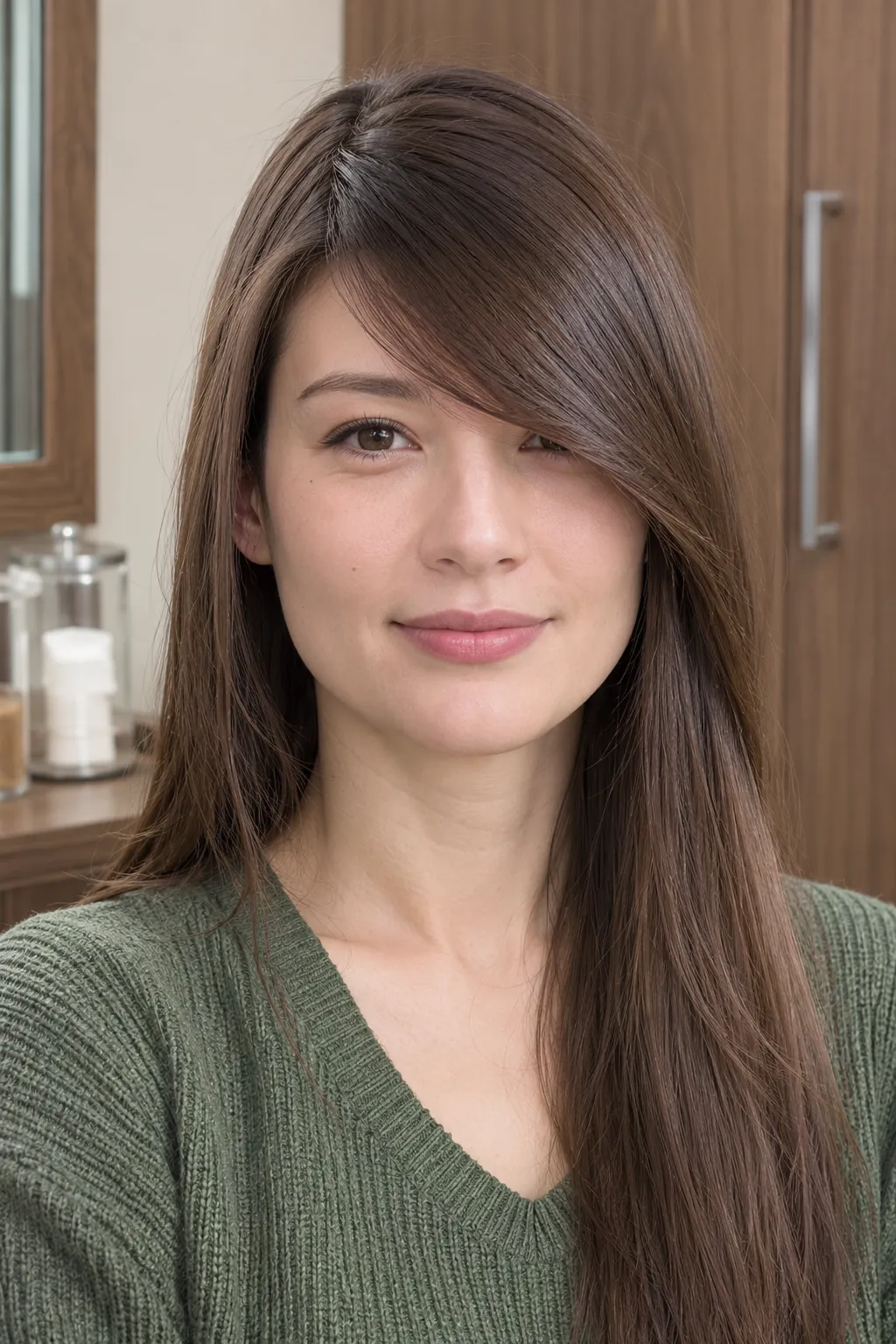
Extra long side bangs bring face framing movement to straight hair without creating a short fringe. The smooth surface makes the cutting line visible, so the graduation needs to be clean and gradual. Keep enough weight at the ends to stop the sweep from looking stringy.
Feathered Side Fringe on Long Hair
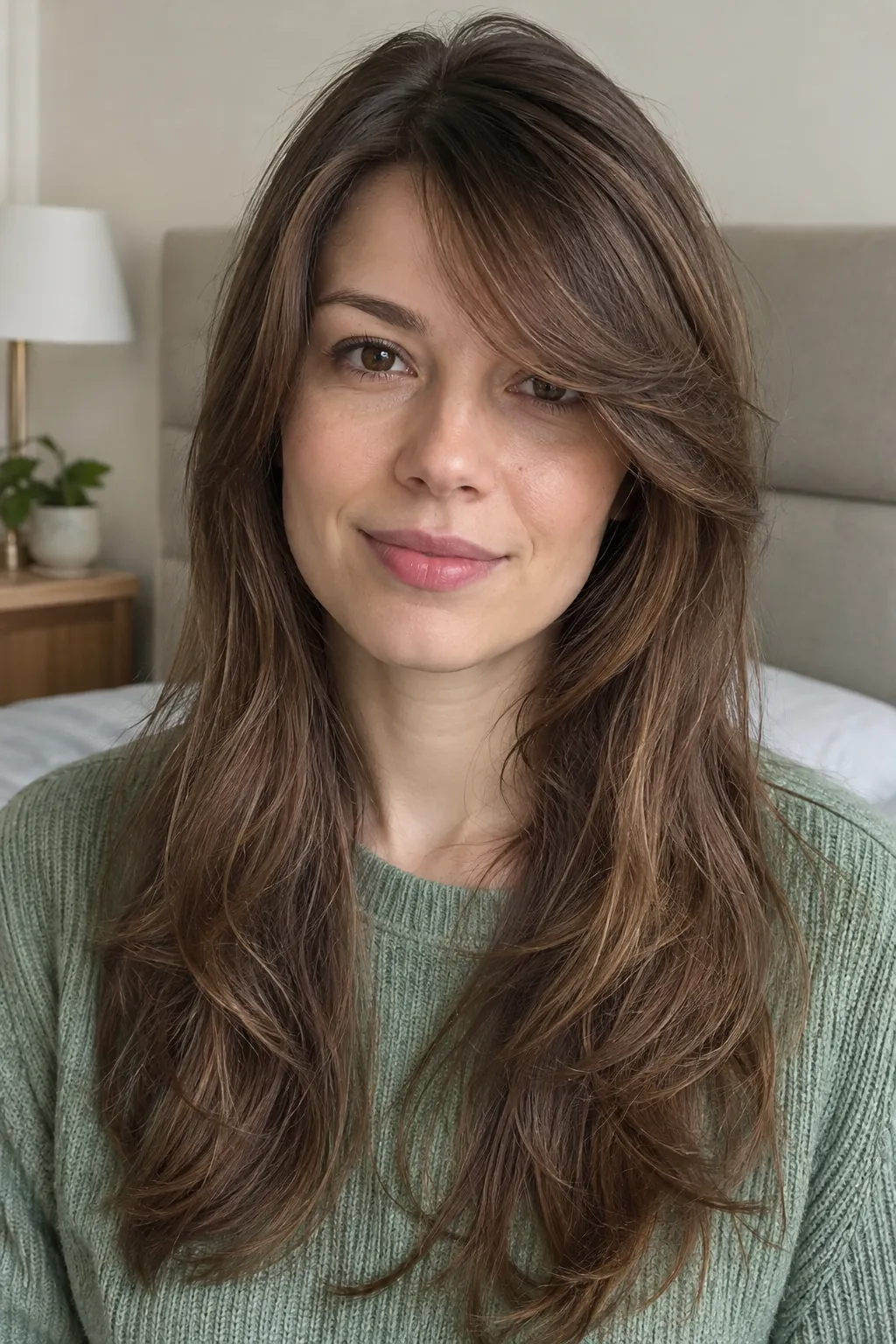
Feathered side fringe breaks up the front of long hair while retaining an airy edge. Light point cutting can create movement without sacrificing the density of the longer lengths. A medium brush and downward air direction help the pieces overlap smoothly.
Side Fringe With a High Ponytail
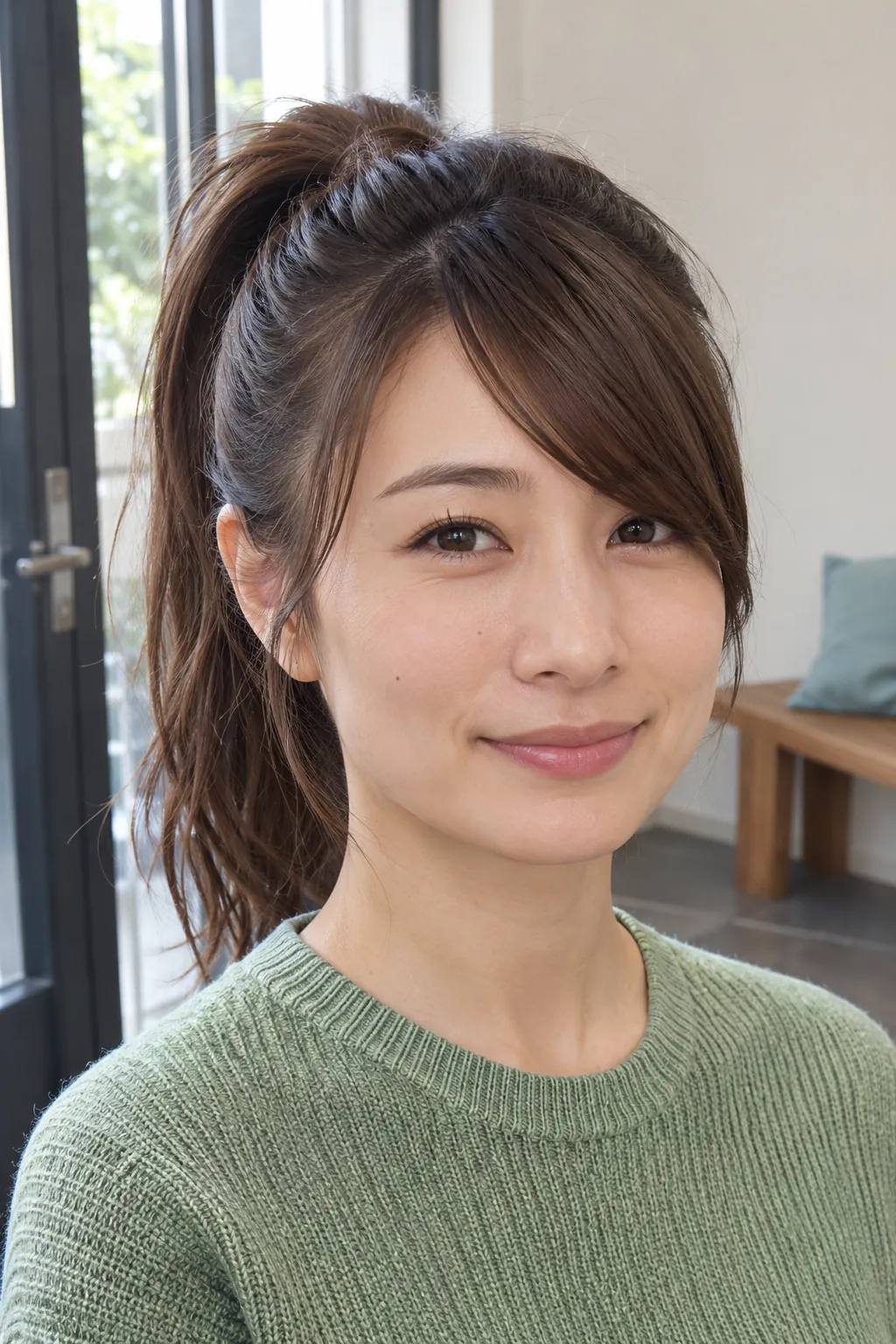
A high ponytail makes the side fringe the main softness around the face. The bang section should end before the temple density is depleted, with longer pieces bridging into the tied hair. Pull out only the strands that belong to the fringe rather than thinning the hairline.
Side Bangs With a Low Bun

A low bun pairs well with side bangs that reach the cheek or jaw. The long sweep adds movement while the rest of the style stays quiet at the nape. Shape the fringe with a soft bend and avoid hard spray so the finish remains touchable.
Fine Hair With a Narrow Side Fringe
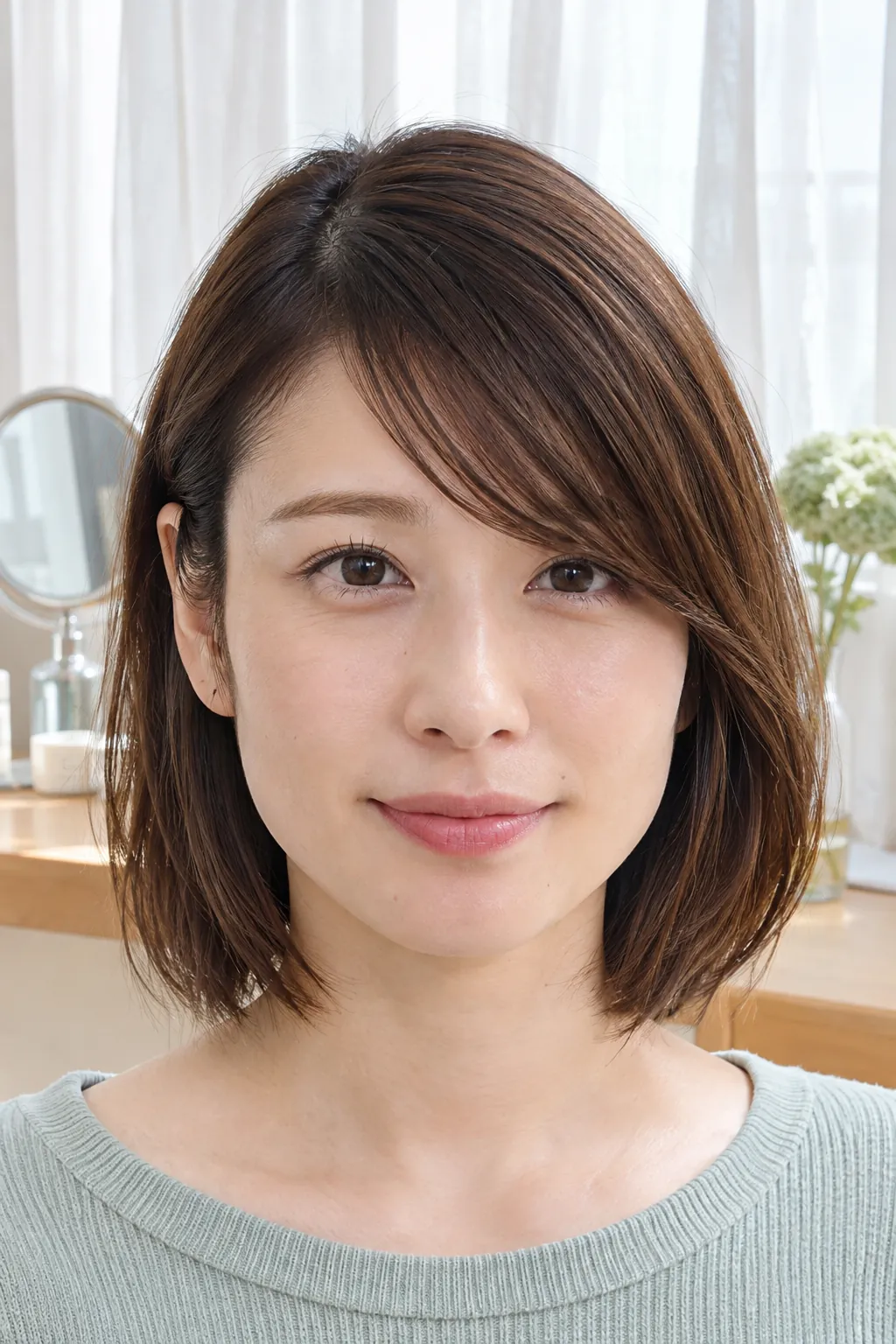
Fine hair benefits from a narrow side fringe that protects fullness at the temples. The section can still cross the forehead when the root is directed well and the ends remain light. Use airy mousse near the root rather than cream through the fragile lengths.
Thick Hair With a Full Side Sweep
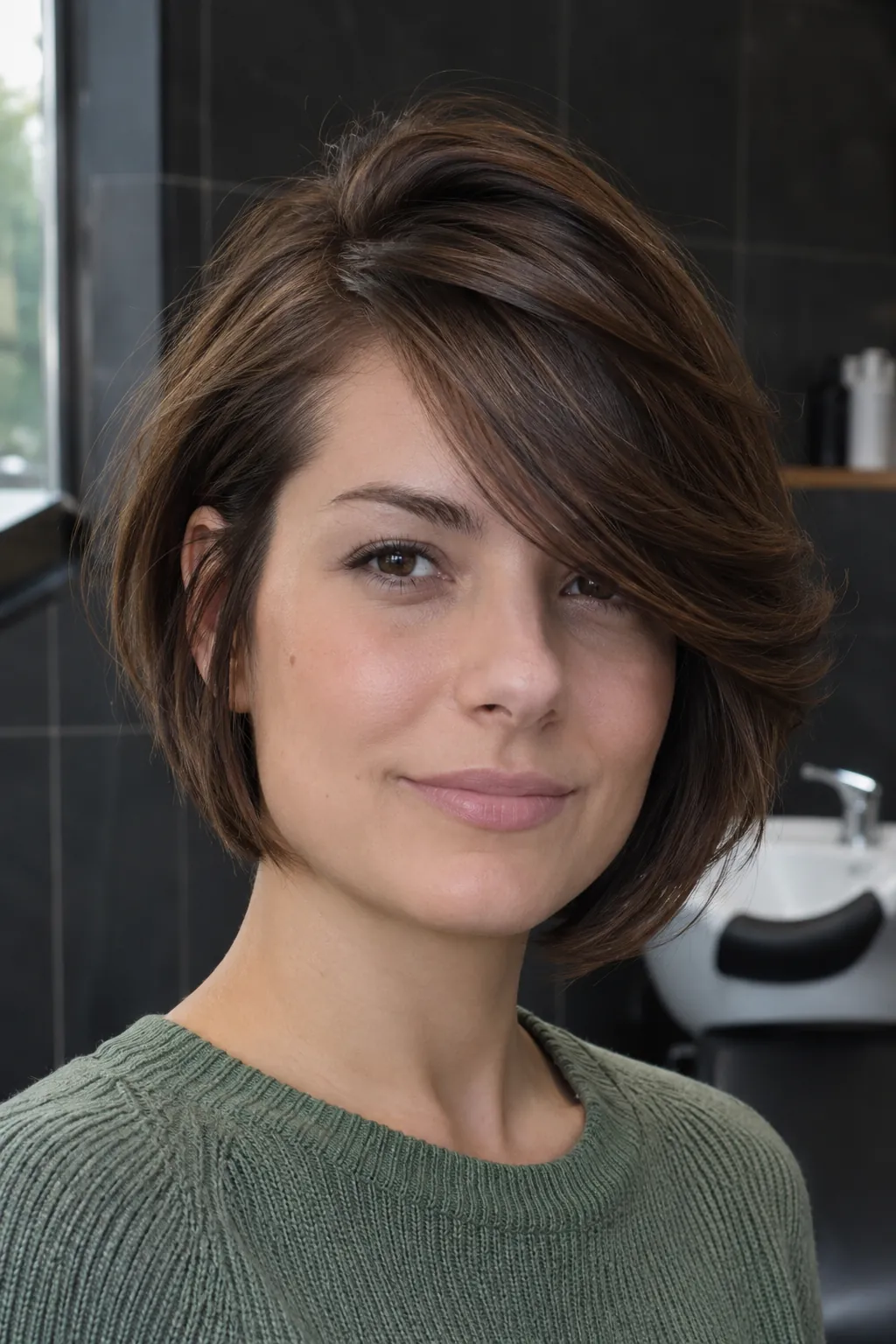
Thick hair can support a full side sweep with a broad, polished arc. Internal weight removal helps the fringe move without leaving short surface pieces that stand up. Preserve enough density at the outer edge to connect smoothly into the rest of the haircut.
Curly Side Bangs With Defined Tendrils
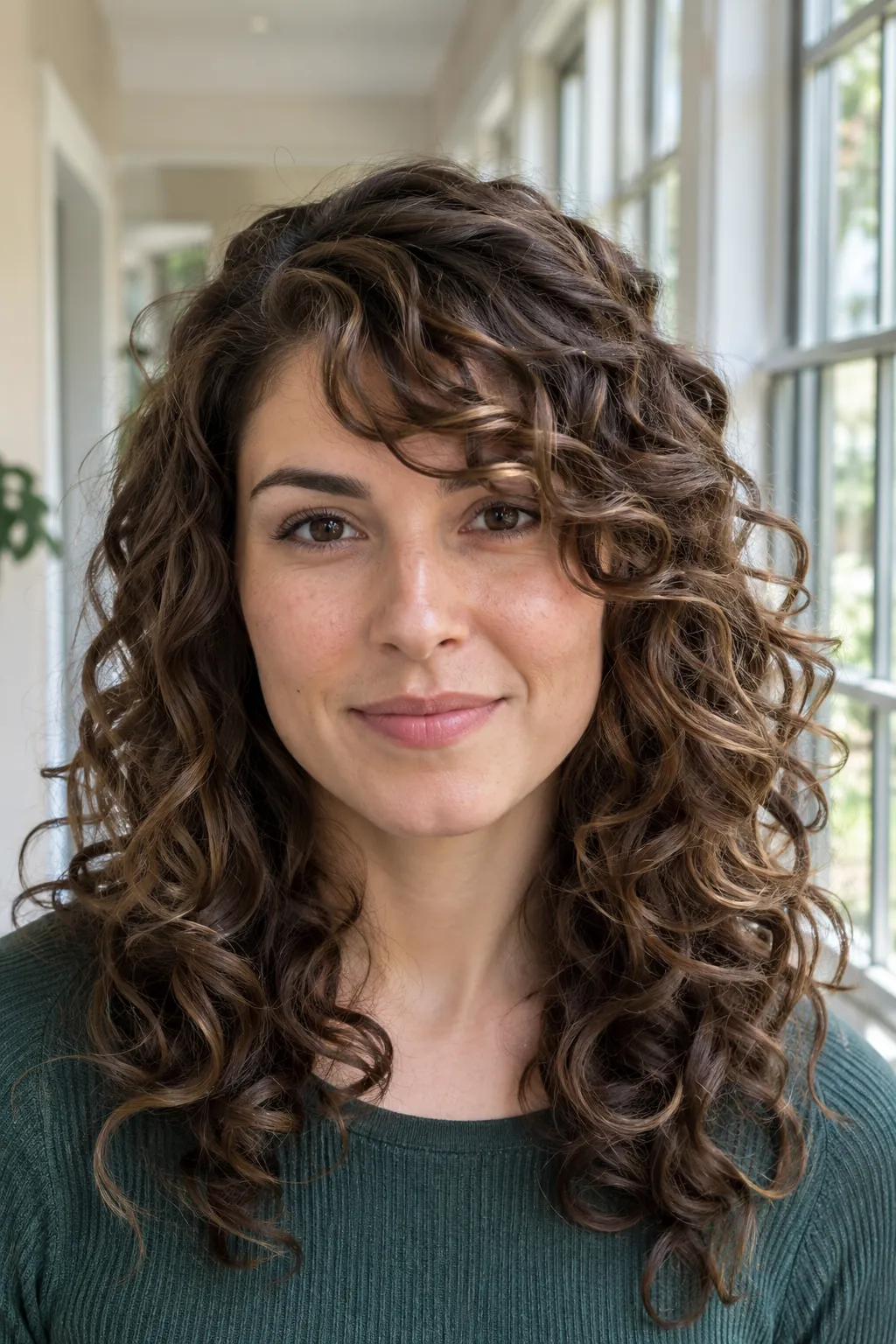
Curly side bangs should be planned around the curl groups that naturally travel toward the chosen side. Dry cutting shows the true spring and keeps the shortest tendrils above the eyes. Apply curl product with the part already in place, then avoid moving the fringe until it dries.
Wavy Side Fringe With Air Dried Texture

A wavy side fringe can look relaxed without a round brush when the length respects shrinkage. Slightly longer pieces allow irregular bends to settle without exposing a sharp gap at the part. Refresh the roots with a little water and directional air instead of soaking the entire fringe.
Side Swept Bangs for a Strong Cowlick

A strong cowlick should influence the side, length, and depth of the fringe section. Longer pieces often hold a sweep more reliably because their weight counters the lift at the root. Have the stylist inspect the hair dry and choose a direction that works with the growth pattern.
Offset Side Fringe for Two Cowlicks
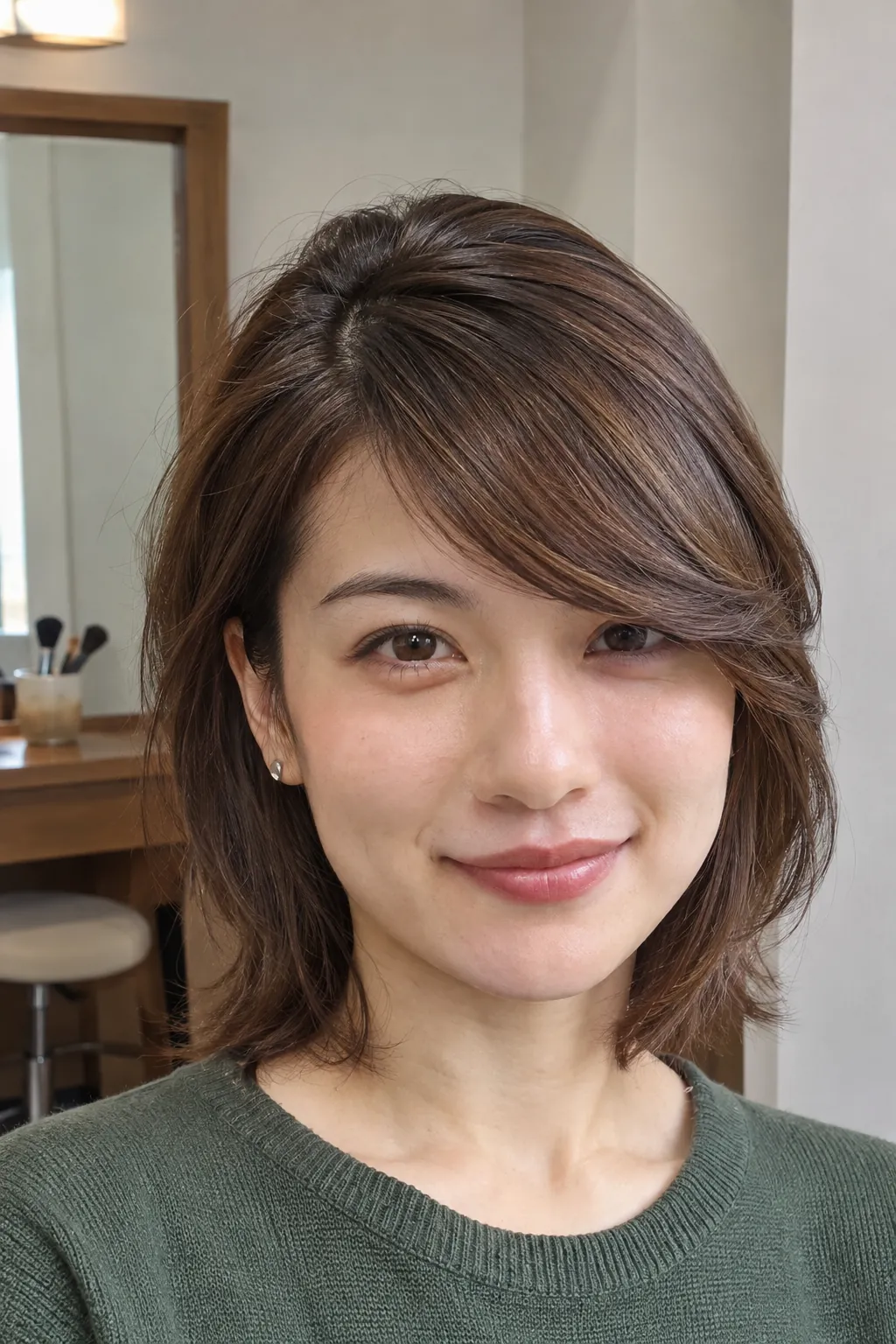
Two front cowlicks can create a natural offset that is more useful than a forced straight part. A flexible side fringe lets one lifted area become volume while the longer end crosses the forehead. Daily drying may still be needed, so test the direction before choosing a short length.
Side Fringe With Glasses

Glasses create contact points near the brow and temples that a side fringe must clear. The shortest pieces can sit above the frame while the longer end travels outside the temple. Wear your regular glasses during the cut so the sweep is tested against the actual shape.
Growing Out Bangs Into a Side Sweep
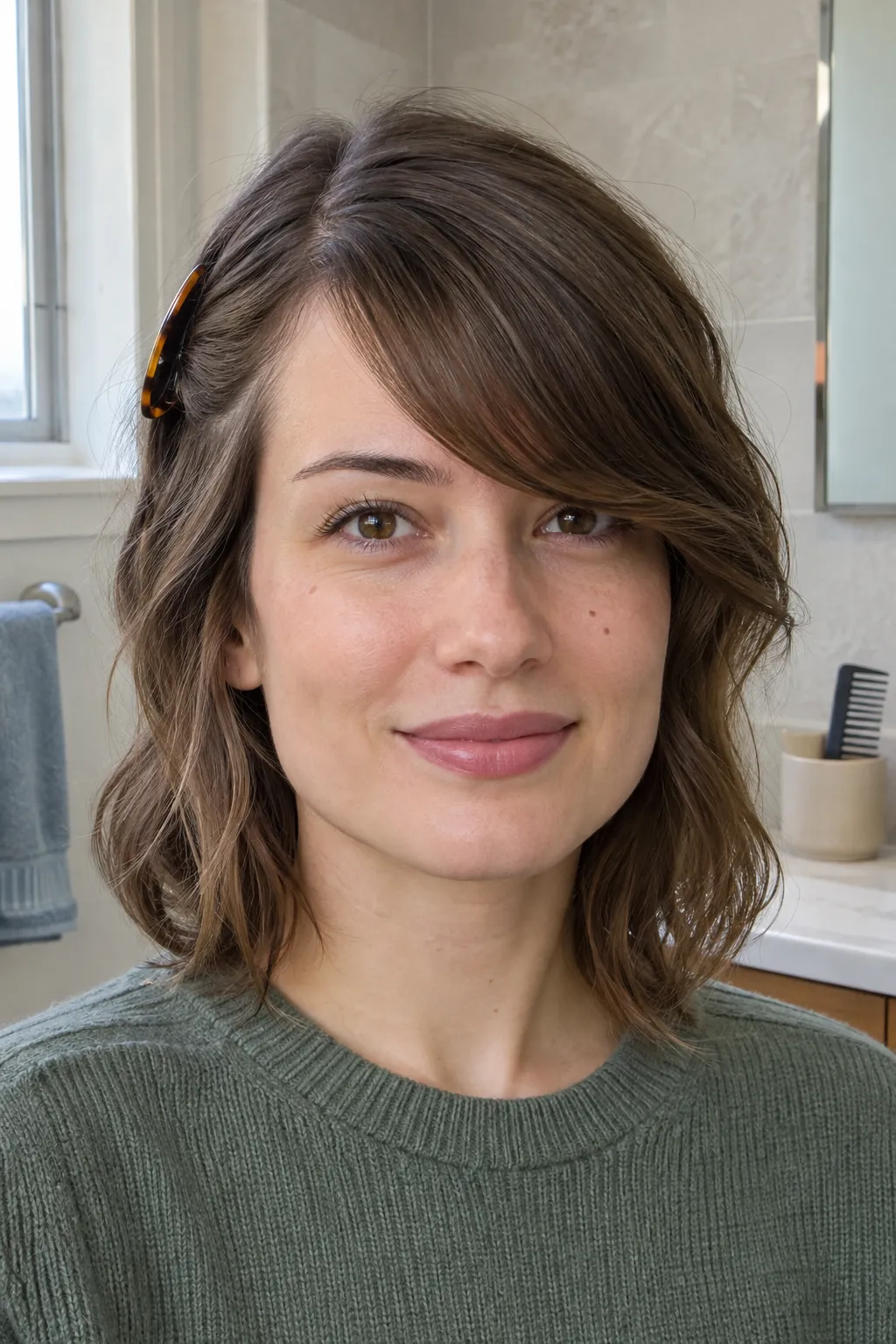
Growing bangs can become a deliberate side sweep once the center reaches the eyes. Trimming only bulky corners preserves length and helps the fringe merge toward one temple. A clip during drying can train the new route without making a permanent cut too soon.
Polished Side Fringe With a Blowout
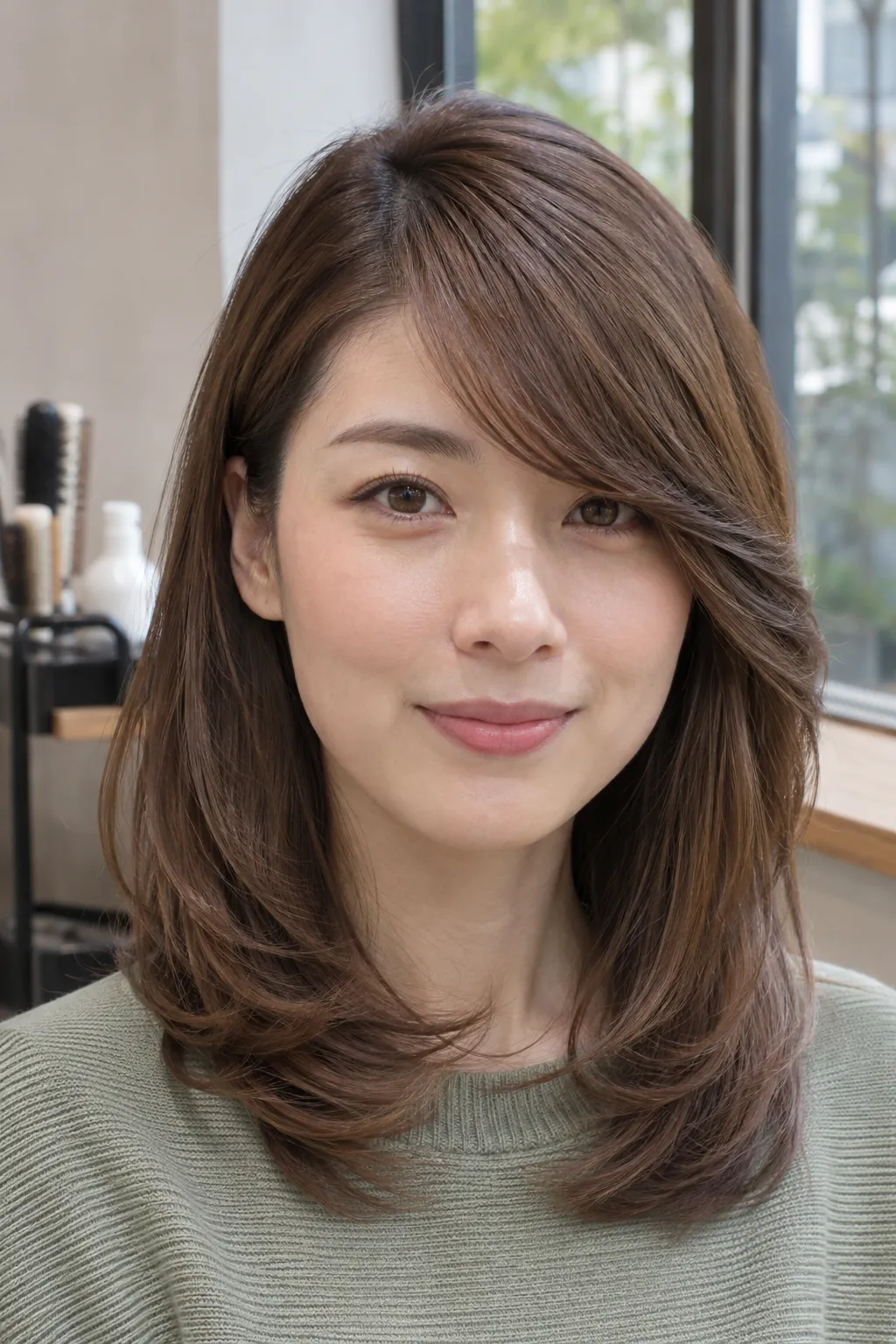
A polished blowout emphasizes the diagonal curve and shine of a side fringe. Dry the section forward and across the opposite direction first, then sweep it into place with downward air. Let the bend cool before touching it so less product is needed.
Tousled Side Bangs With Lived In Layers

Tousled layers support side bangs with broken ends and a casual sweep. The fringe should still have a clear direction even when the texture is irregular. Work a trace of dry paste through the outer ends and leave the roots free to move.