Curtain bangs can soften a haircut, but the wrong length or parting can make the fringe feel awkward before lunch. The useful choice is not simply long or short. It is the point where the shortest pieces land, how they connect to the sides, and whether the part follows your natural growth pattern.
Bring reference photos that show a similar hair texture and the amount of forehead coverage you want. Ask your stylist how the fringe will look without a round brush, because that answer reveals the daily commitment. The ideas below move from airy cheekbone pieces to fuller shapes, with practical notes for middle parts, offset parts, curls, fine hair, and growing lengths.
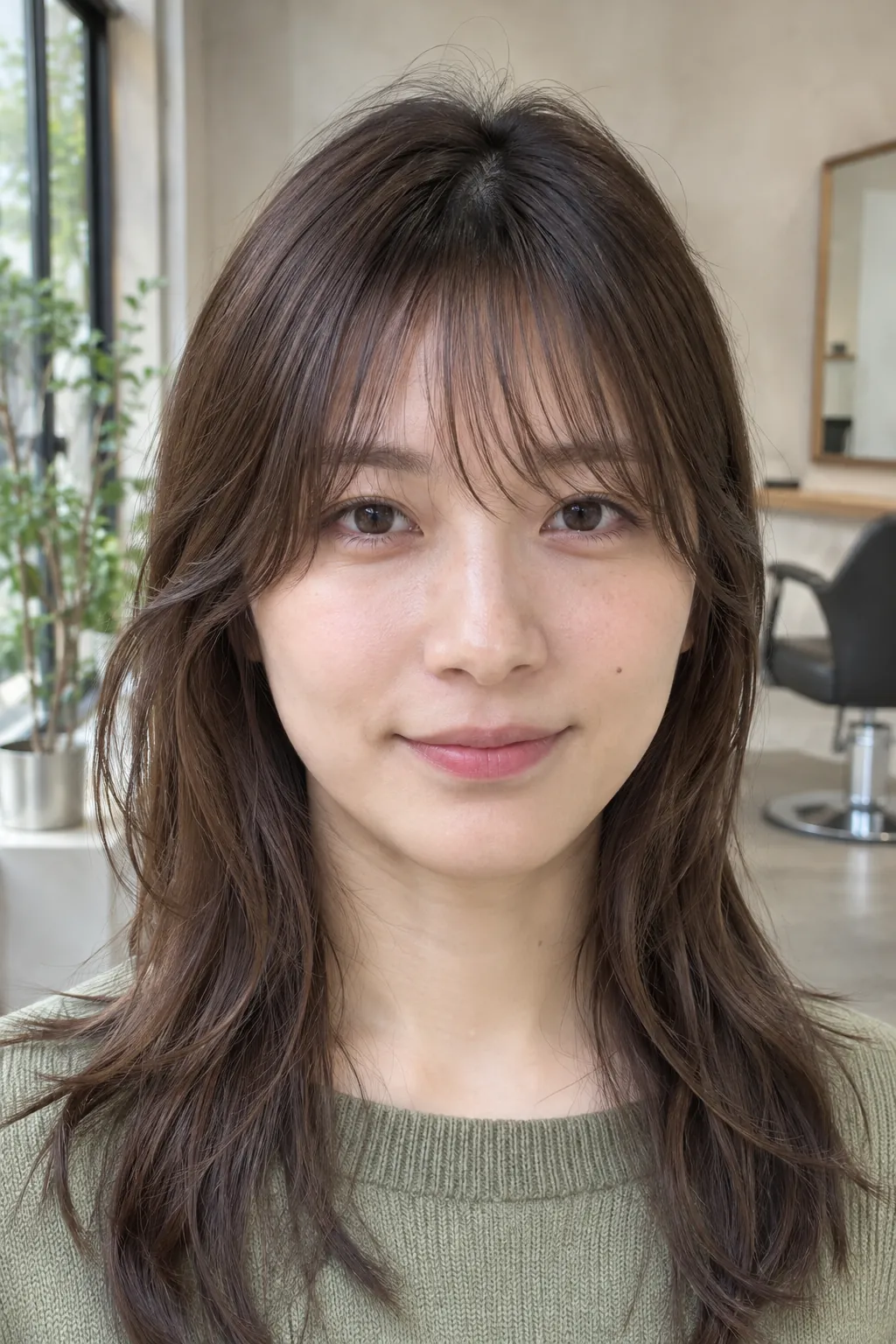
Cheekbone Length With a Soft Middle Part
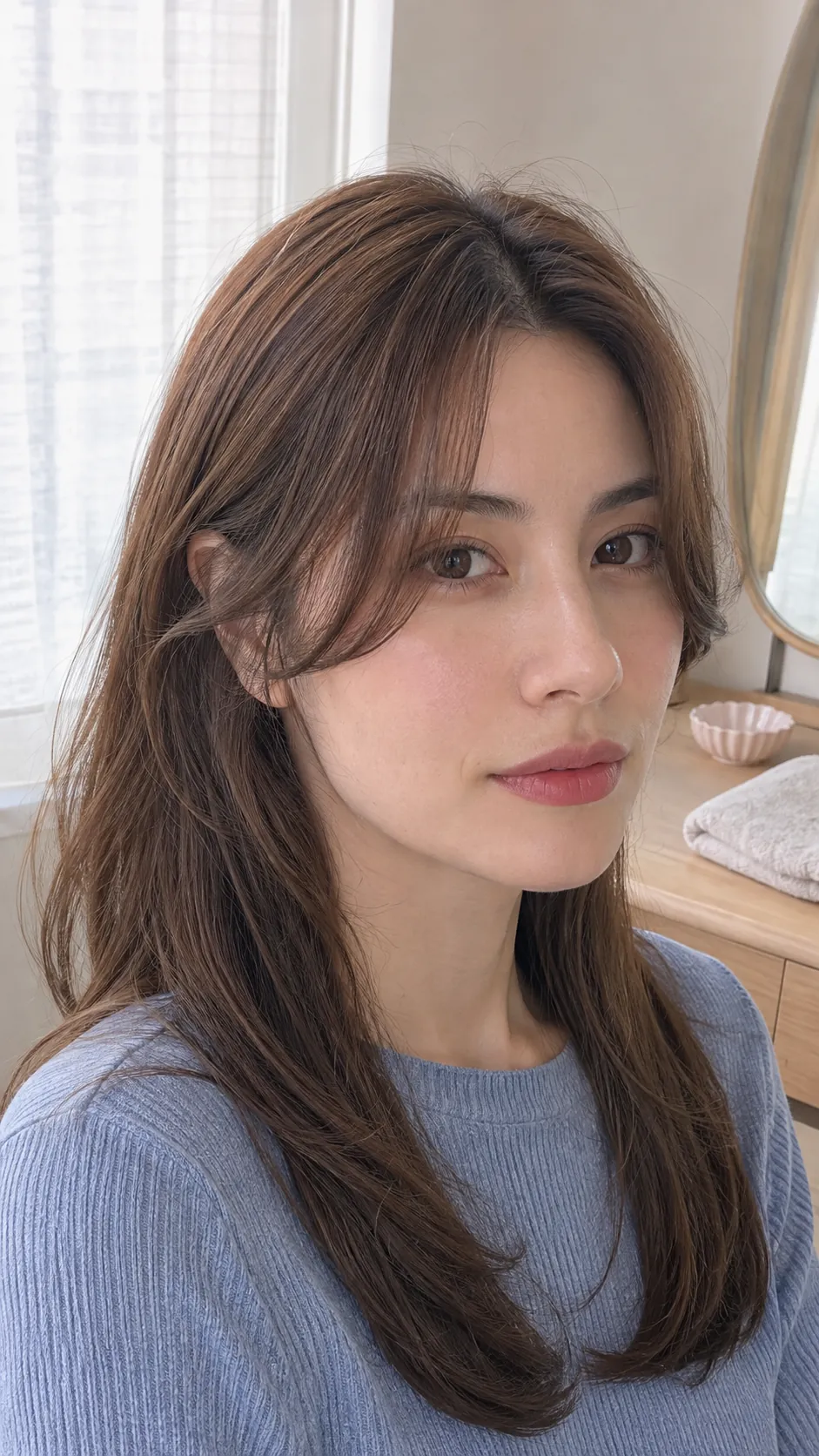
Cheekbone length pieces create a visible frame without covering much of the forehead. A soft middle part lets each side curve away from the eyes and blend into face framing layers. This shape works well for a first fringe because it can tuck behind the ears on low styling days.
Long Curtain Fringe That Meets the Jaw
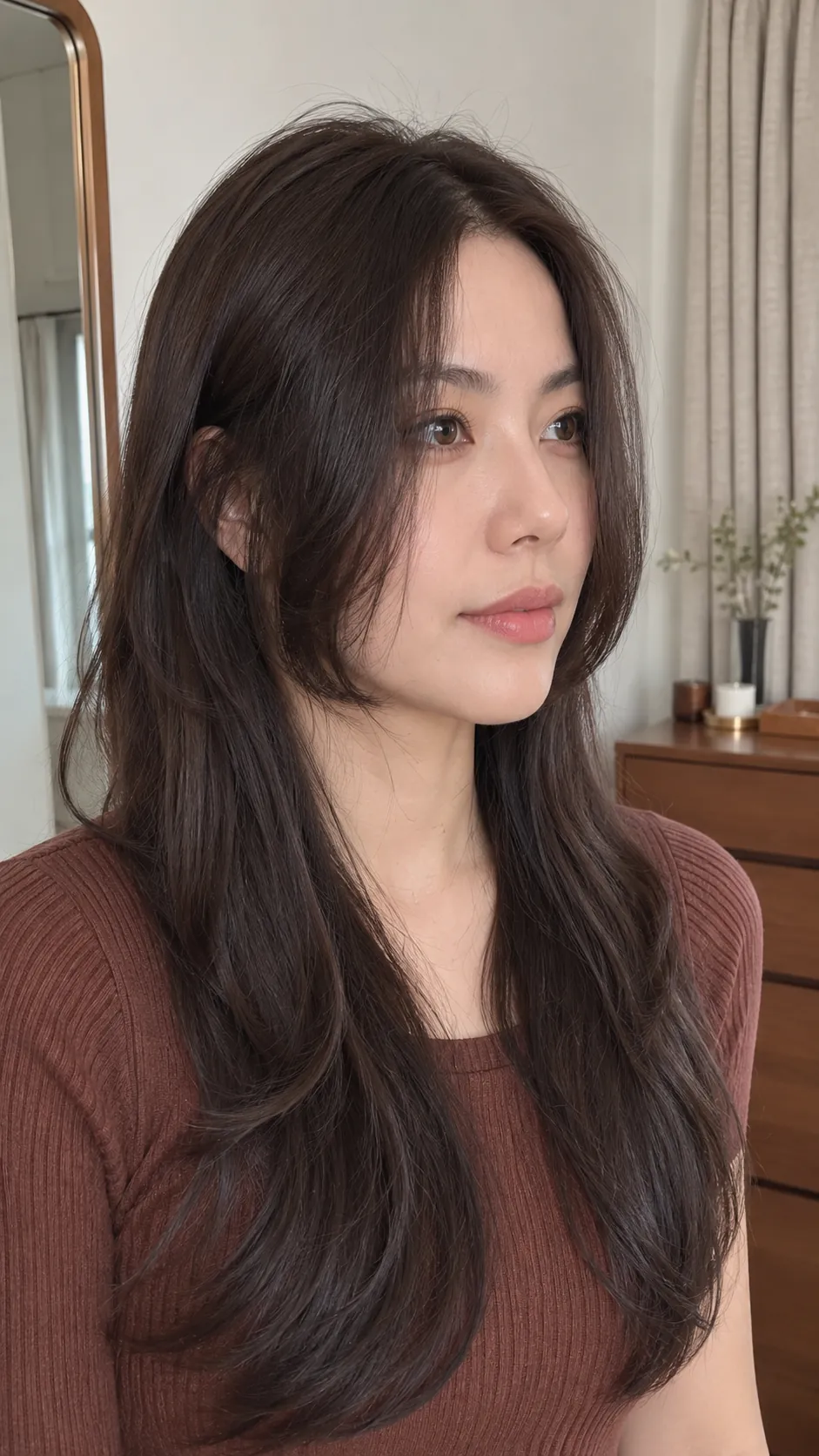
Jaw length curtain bangs behave more like short layers than a traditional fringe. They give long hair movement around the face while leaving enough weight to stay controlled in humidity. Ask for a gradual connection into the front layers so the ends do not look like two isolated pieces.
Brow Skimming Center Split Bangs
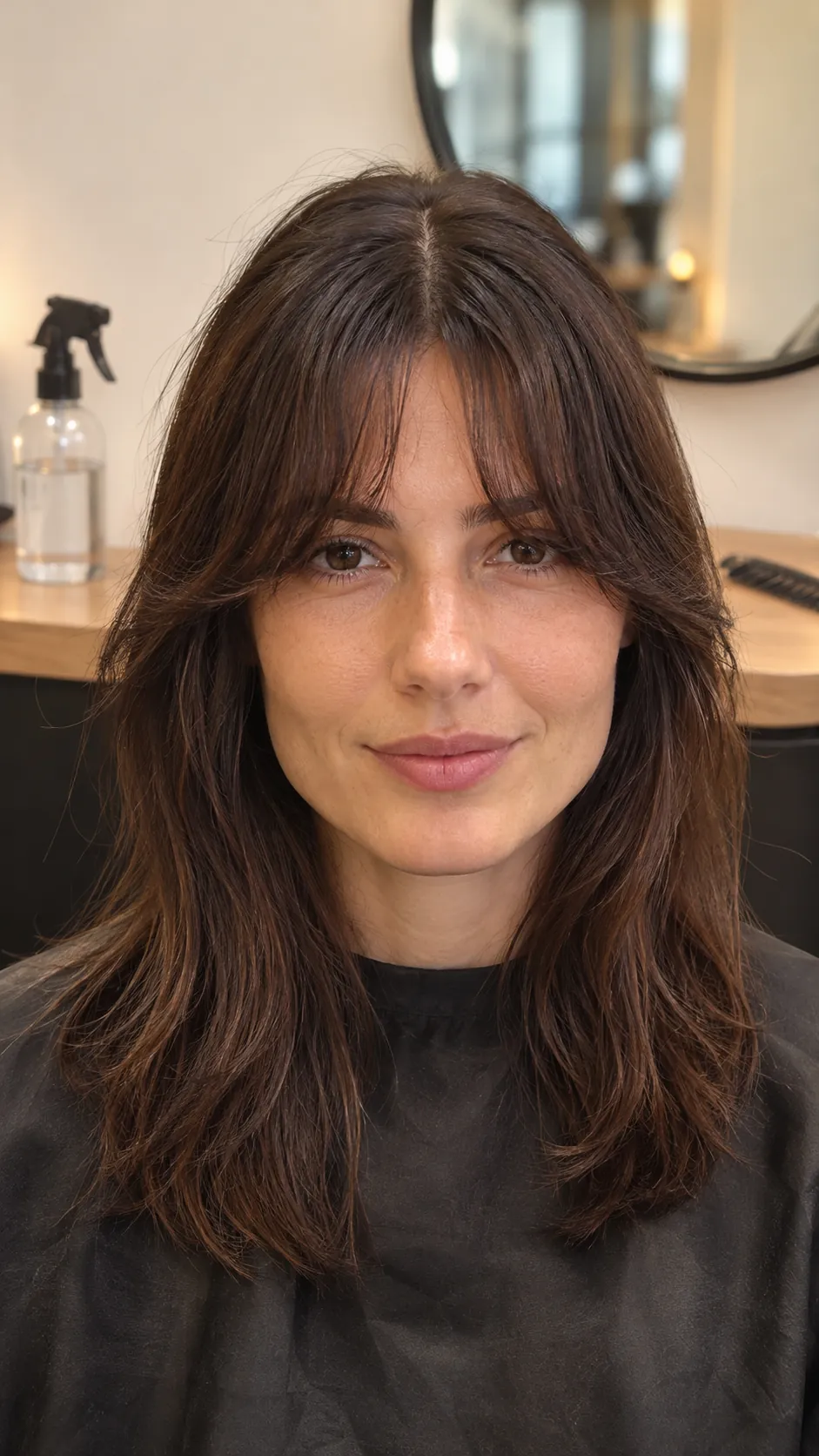
A brow skimming center split gives more coverage and a stronger fringe effect. The inner corners should feel light enough to separate cleanly instead of forming a solid line. Dry the roots in alternating directions first, then guide the ends outward to prevent a stubborn gap.
Short Curtain Bangs With Open Space
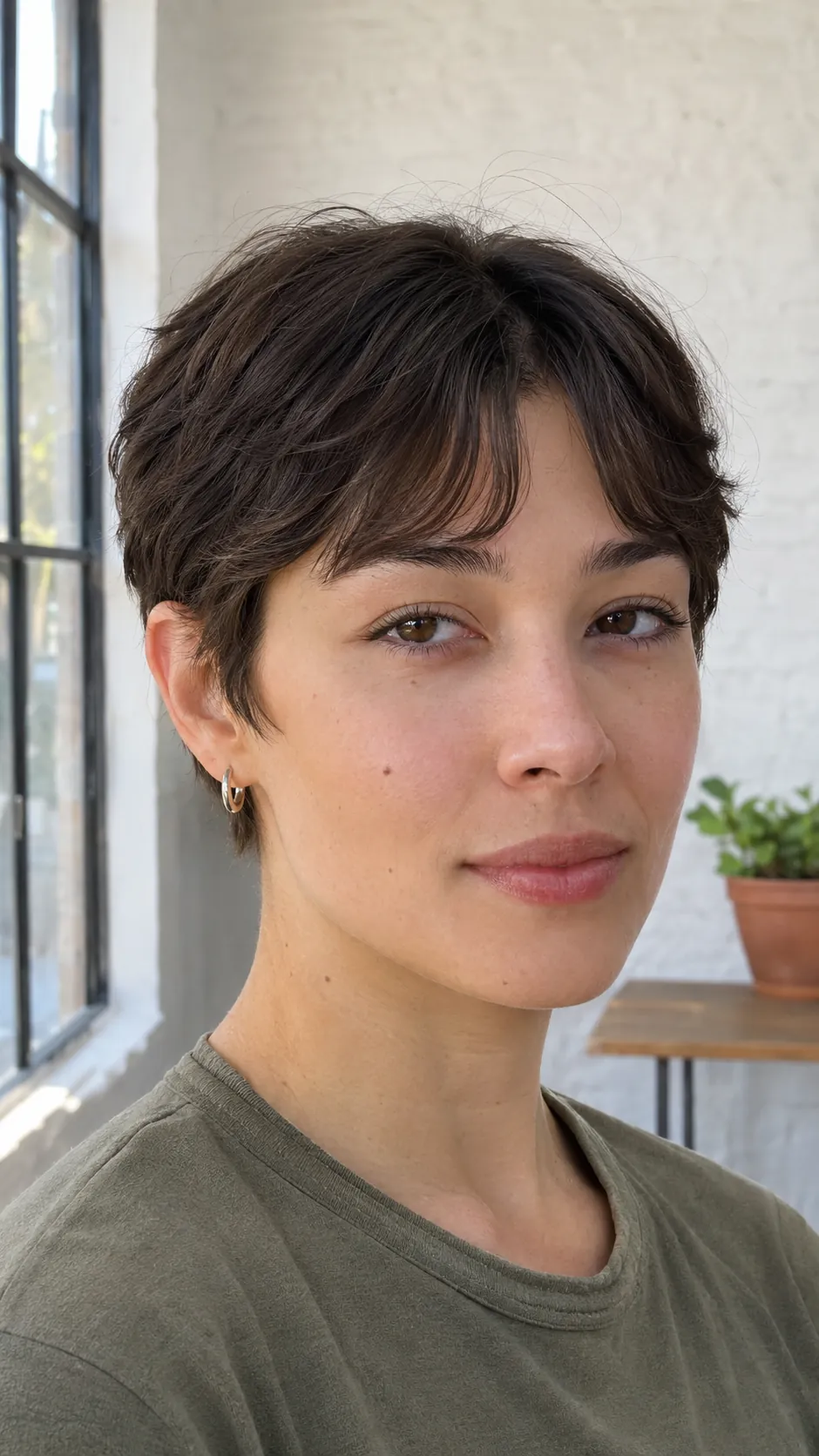
Short curtain bangs bring attention to the brows and make the haircut feel graphic. Keeping a small open space at the center preserves the curtain shape and stops the fringe from reading as blunt baby bangs. This length needs frequent trims, so confirm that maintenance fits your schedule before committing.
Off Center Part With Sweeping Ends
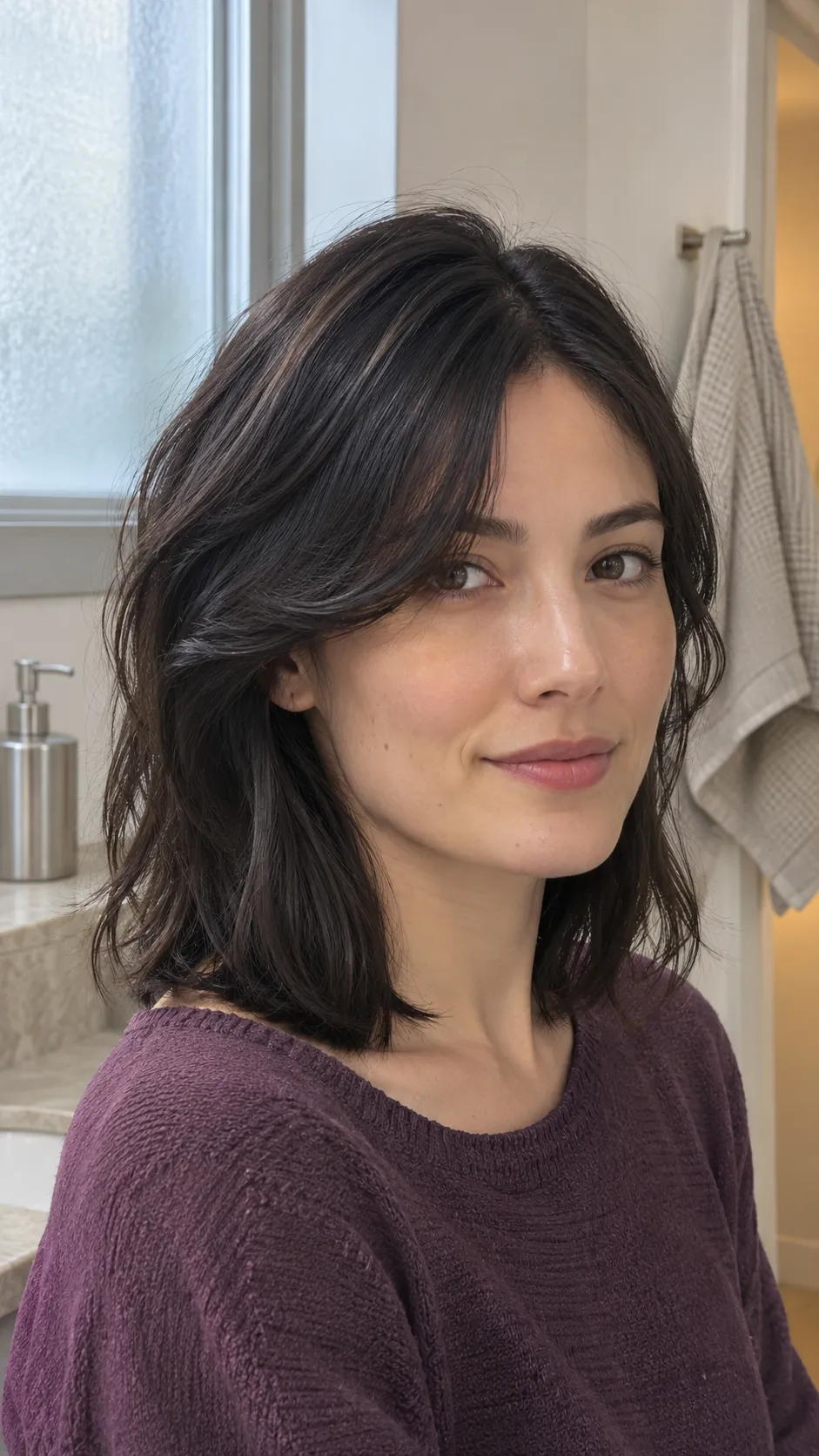
An off center part can cooperate better with a cowlick than a strict middle line. The fuller side sweeps across a little more forehead, while the lighter side opens the face. Let the natural root direction choose the offset, then balance the ends through the cut rather than forcing symmetry.
Feathered Fringe for Fine Hair
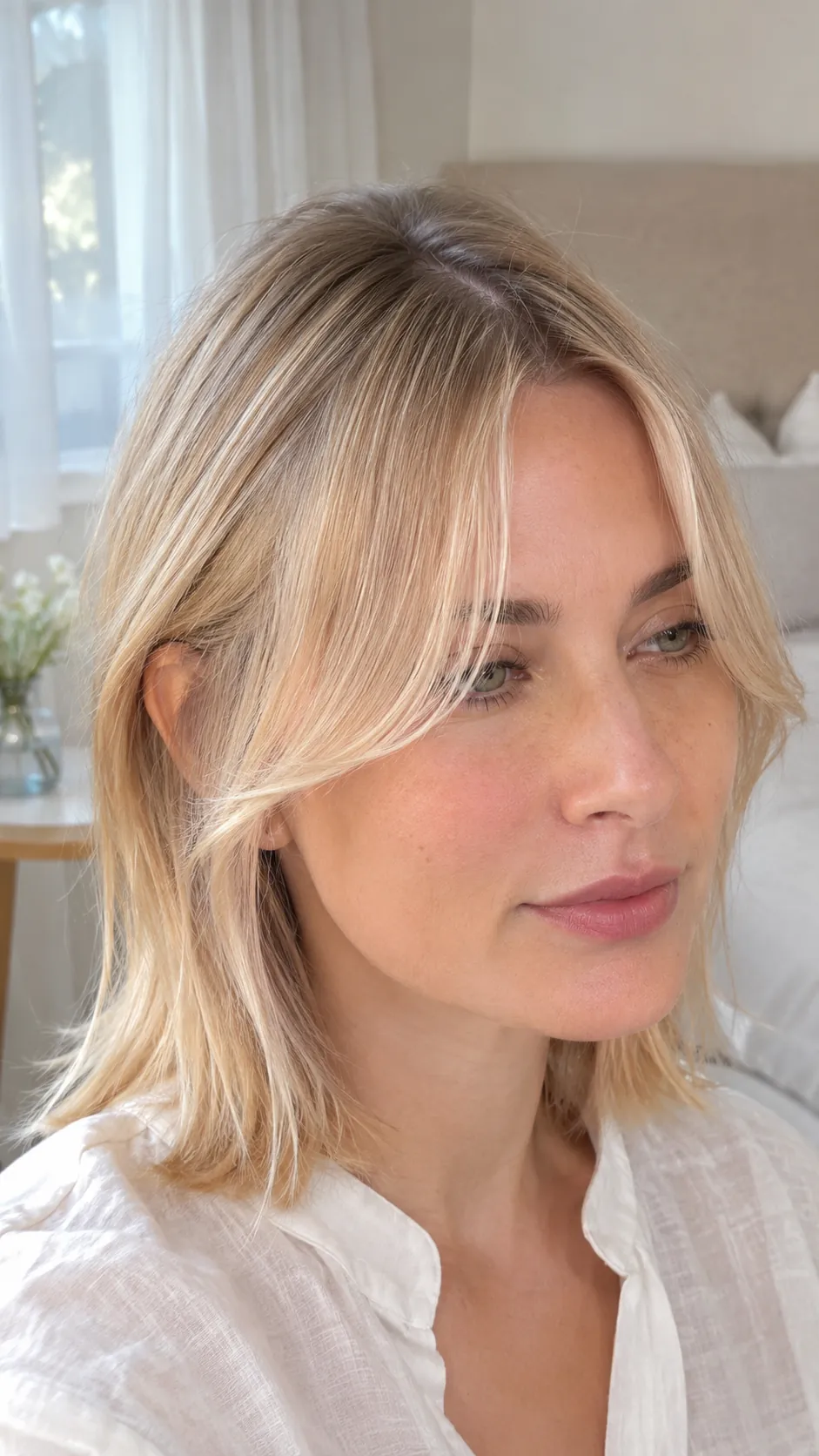
Fine hair benefits from a narrow fringe section that protects density at the temples. Light point cutting can create movement without removing so much weight that the ends look stringy. Use a small amount of airy styling foam at the roots instead of heavy cream on the fringe.
Full Curtain Bangs for Thick Hair
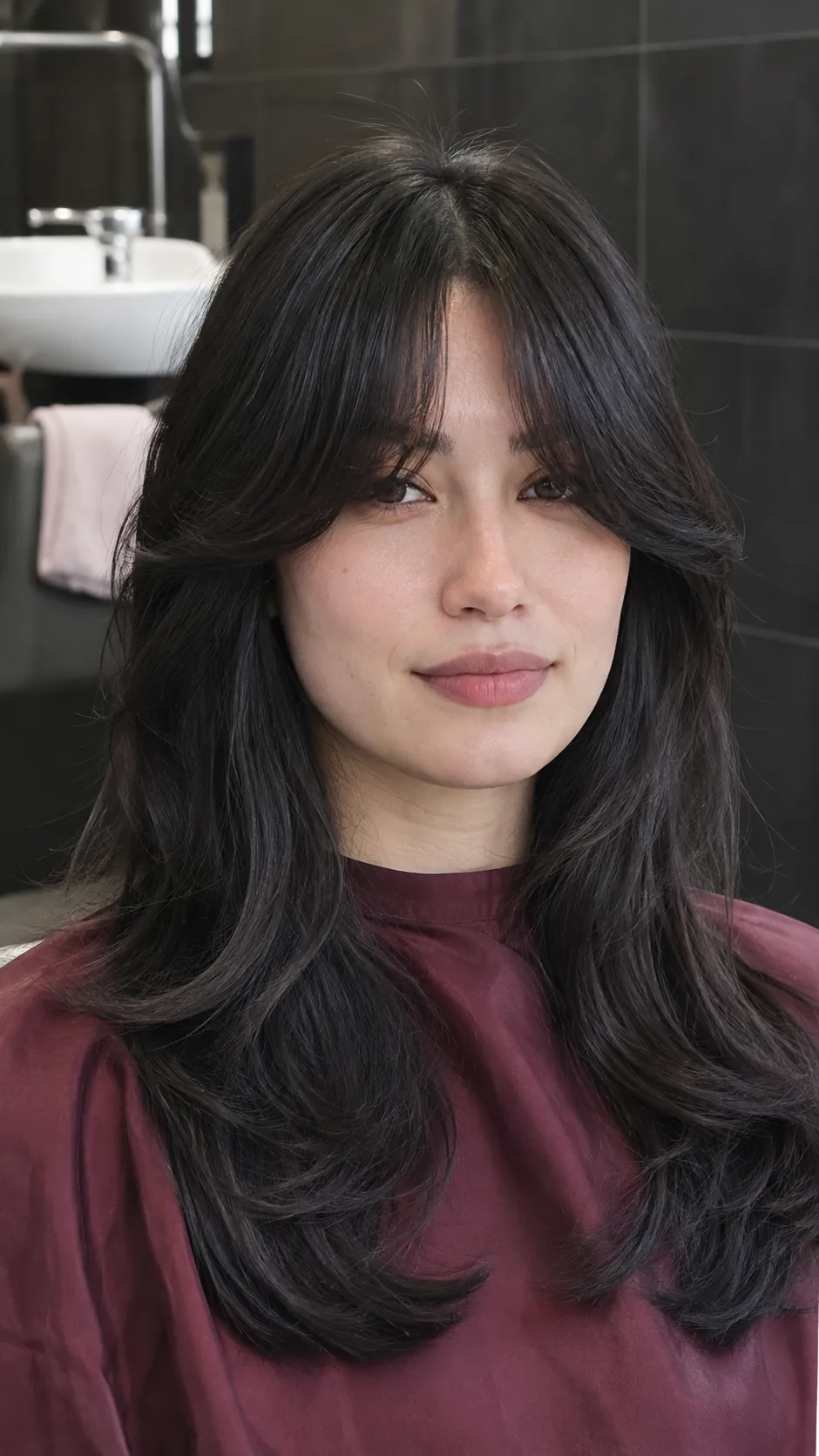
Thick hair can support a generous curtain fringe with a plush curved edge. Internal weight removal helps the sections swing away from the face without leaving obvious short layers on the surface. Keep enough density near the center so the shape still looks intentional when the hair settles.
Curly Curtain Bangs With Natural Separation
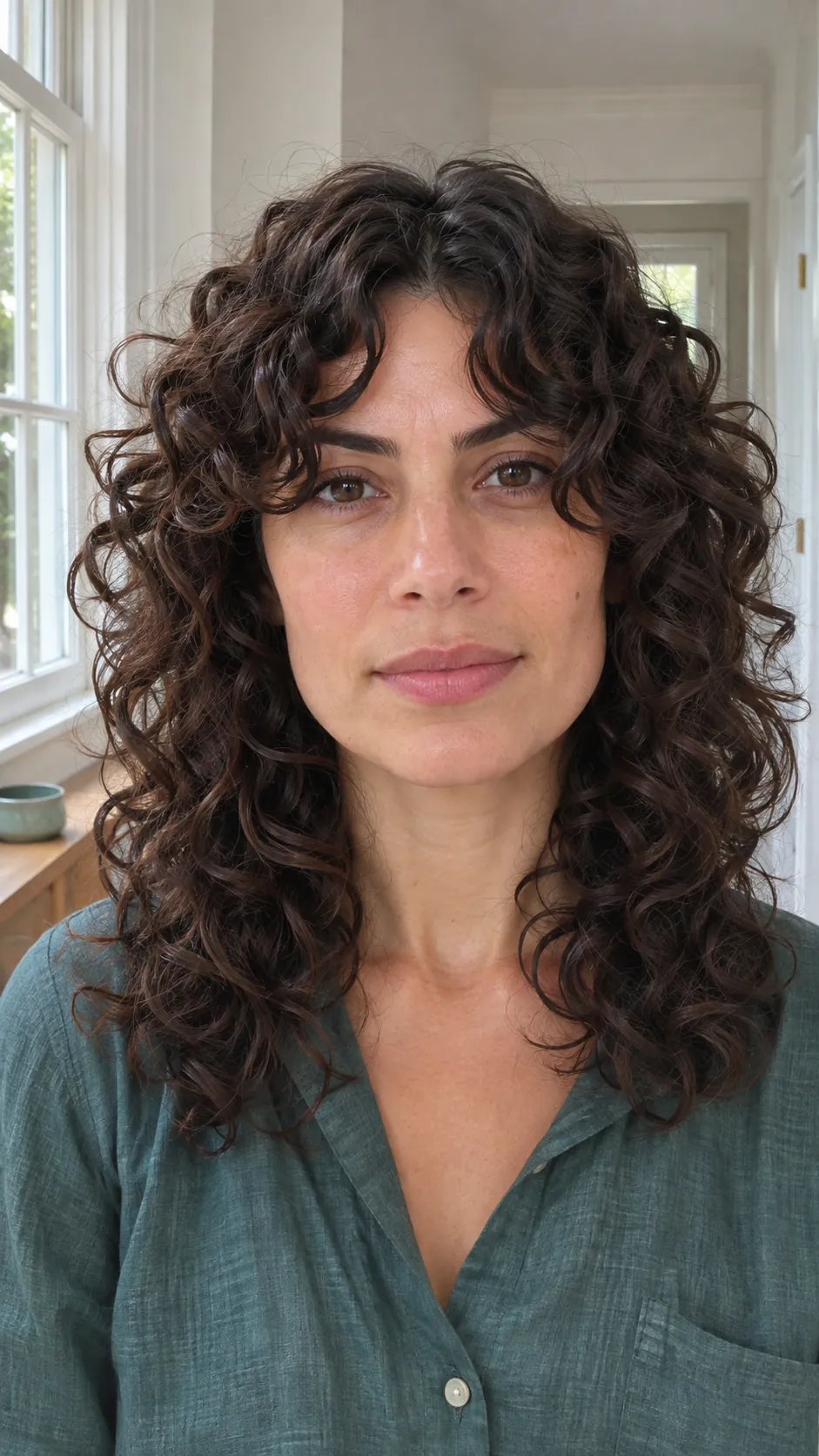
Curly curtain bangs should be planned around individual curl groups and their dry spring. Cutting each group where it naturally falls produces a softer opening than stretching the hair into a straight guide. Apply curl product with the fringe in its chosen part, then avoid separating it until fully dry.
Wavy Fringe With Air Dried Texture
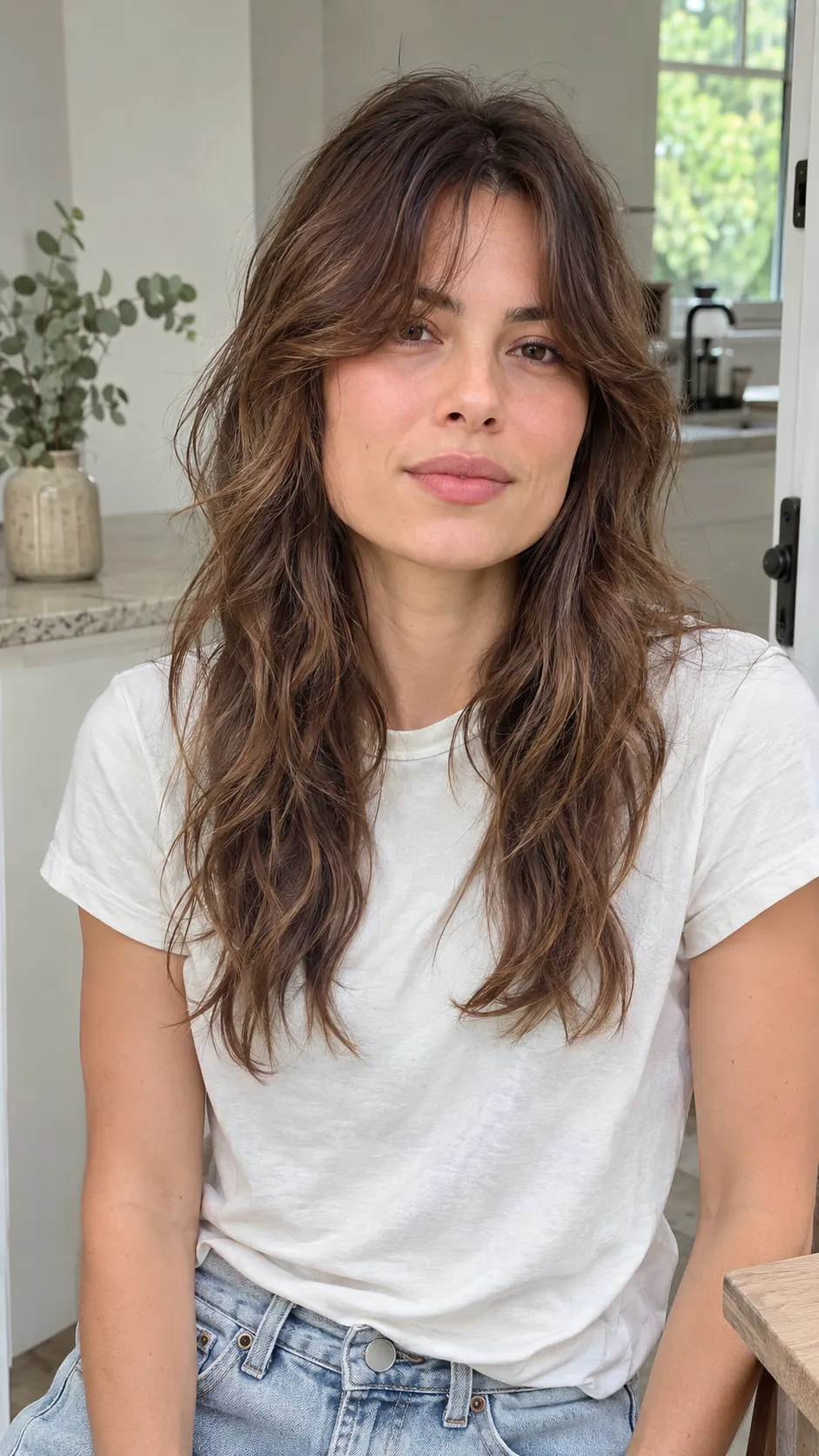
Loose waves give curtain fringe a relaxed bend without requiring a polished blowout. Slightly longer inner pieces leave room for shrinkage and irregular movement as the hair dries. Twist only the ends away from the face, because twisting the whole section can create two stiff ropes.
Straight Hair With Rounded Curtain Bangs
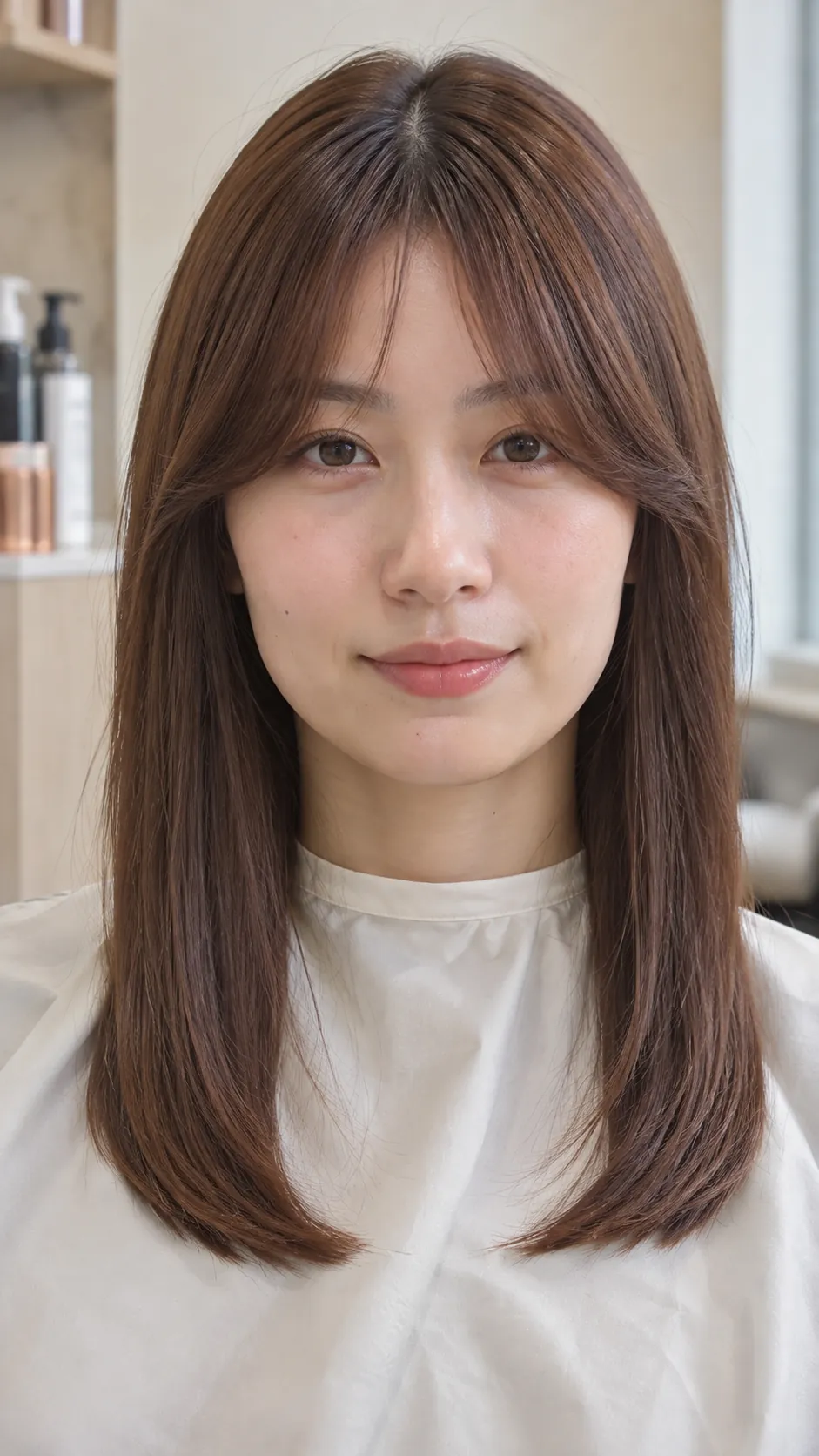
Straight hair shows every line, so the transition from short center to longer sides must be clean and gradual. A subtle rounded bevel adds movement while keeping the surface smooth. Roll the fringe forward while drying, then split it only after the roots are dry for a natural curve.
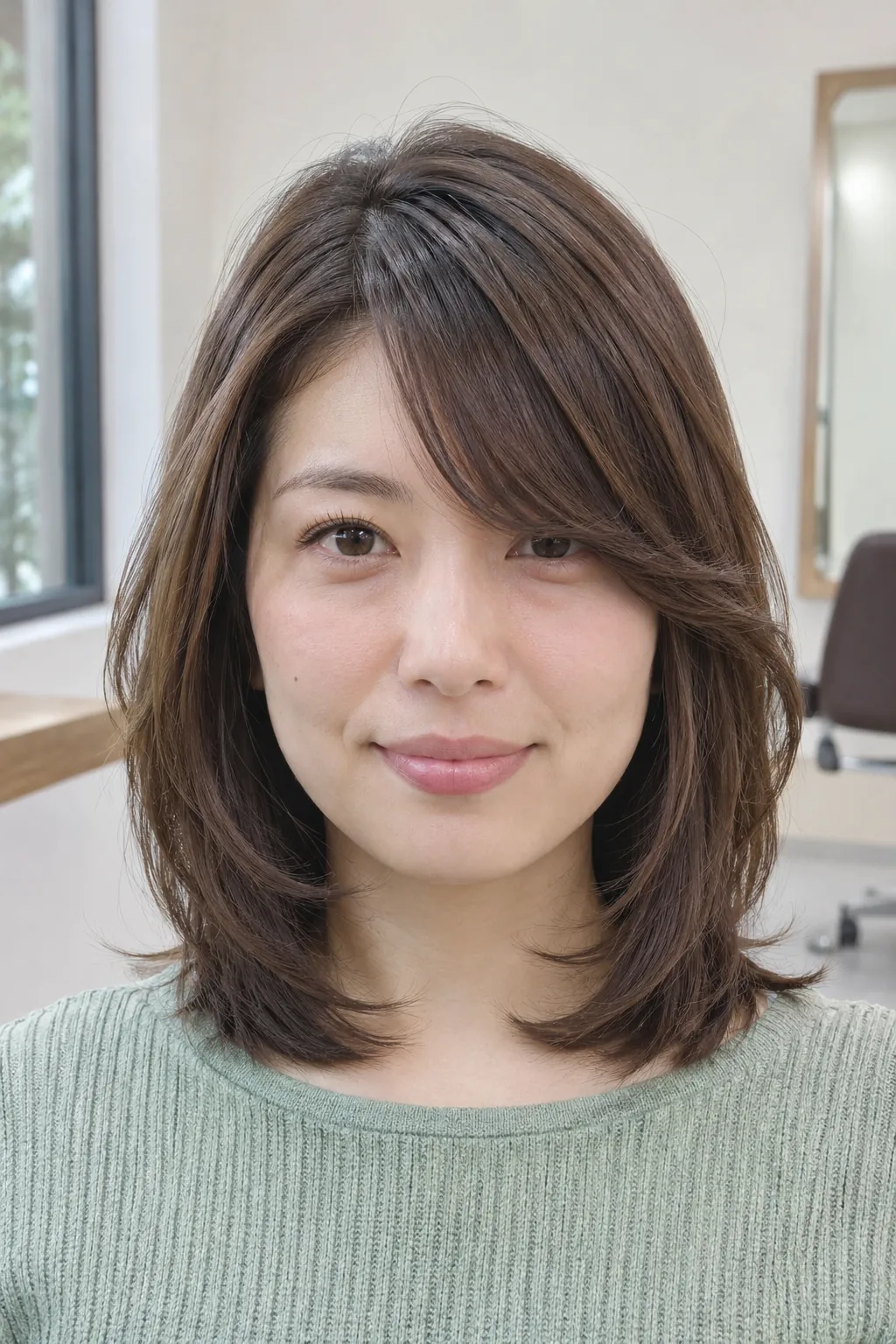
Curtain Bangs Blended Into a Bob
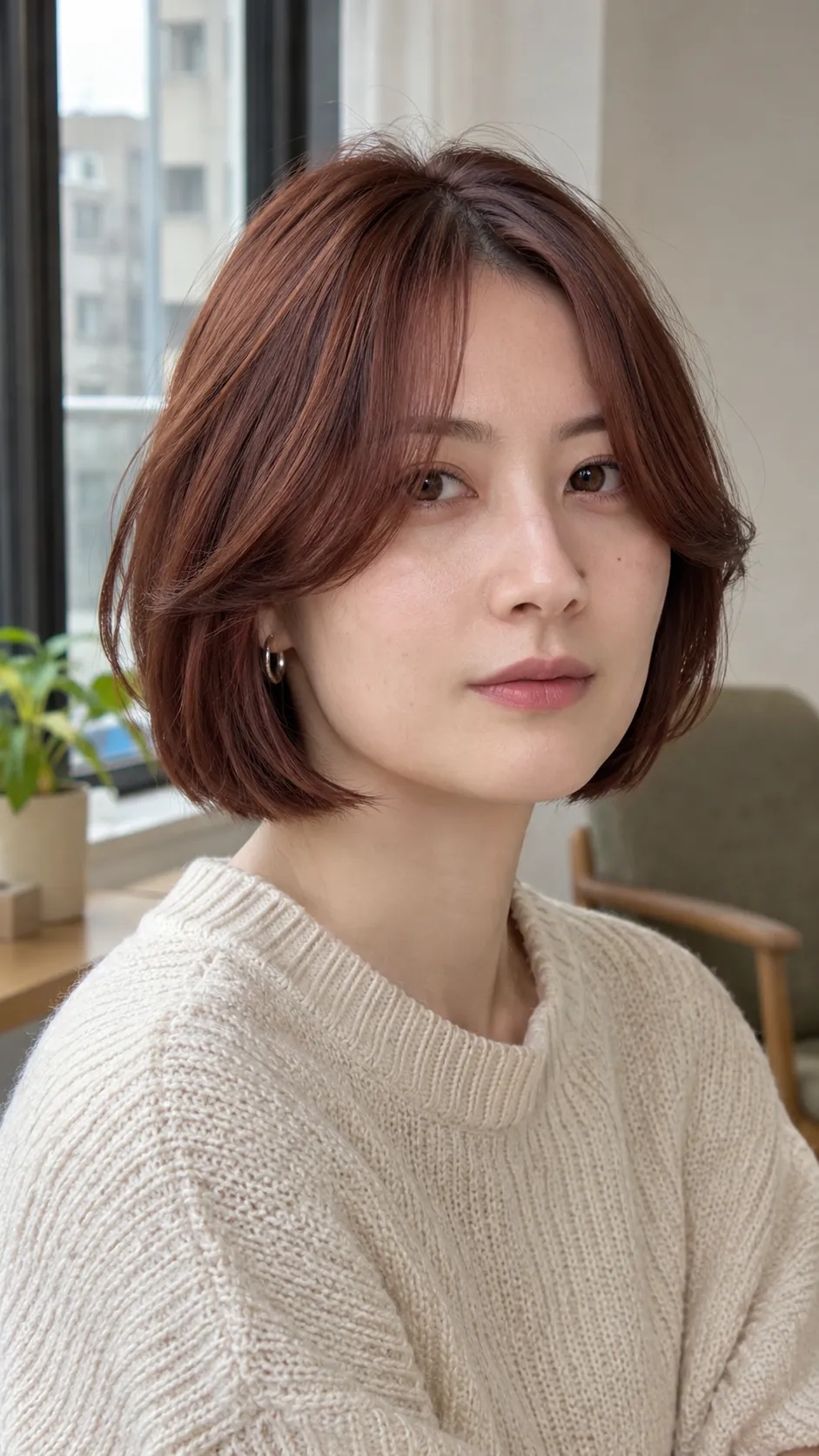
On a bob, the side pieces can meet the perimeter near the cheek or jaw for a continuous silhouette. This connection keeps the fringe from looking pasted onto a compact haircut. Choose the meeting point according to the widest area you want to soften, then keep the opposite side balanced in visual weight.
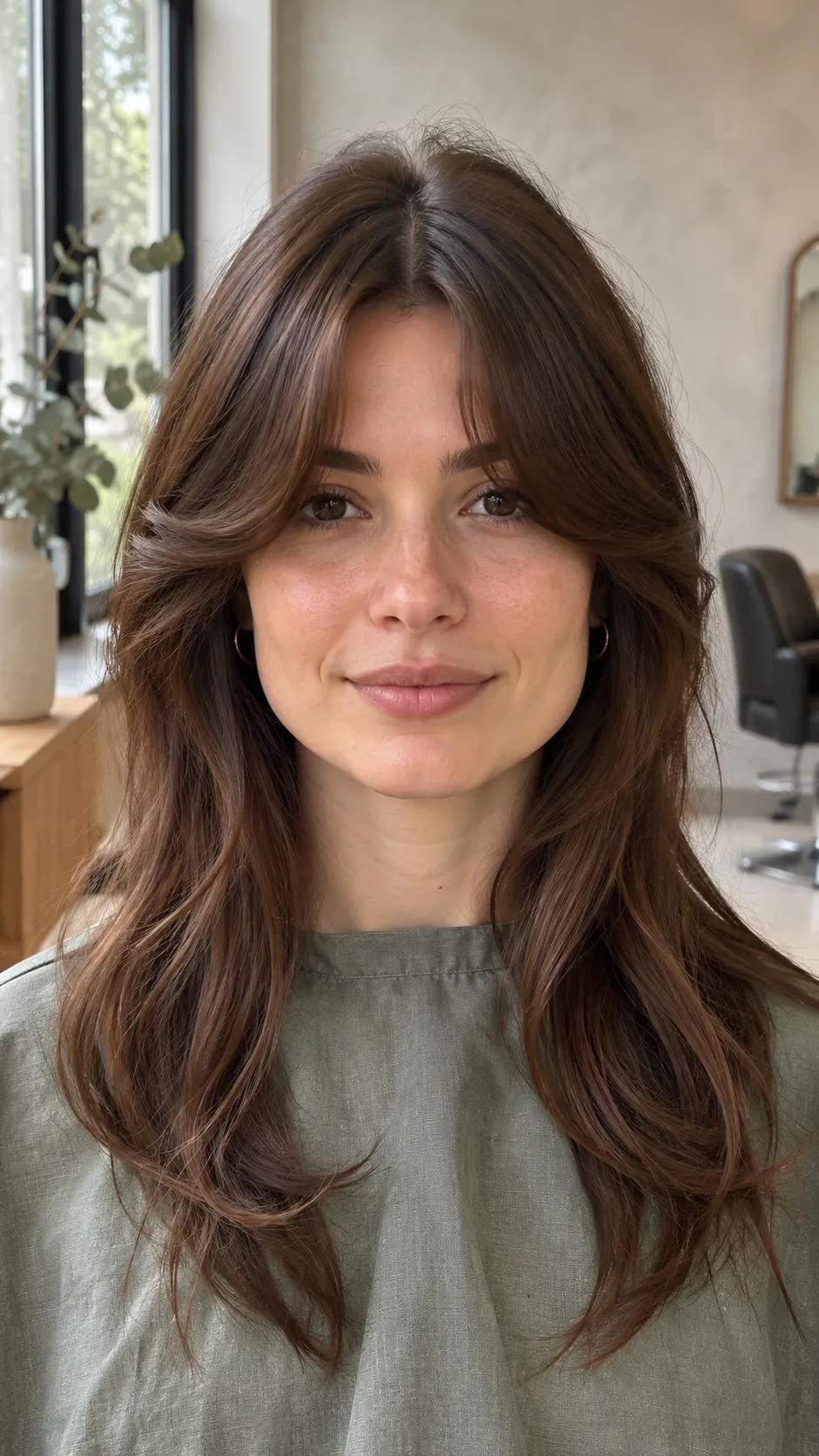
Collarbone Layers With Long Bangs
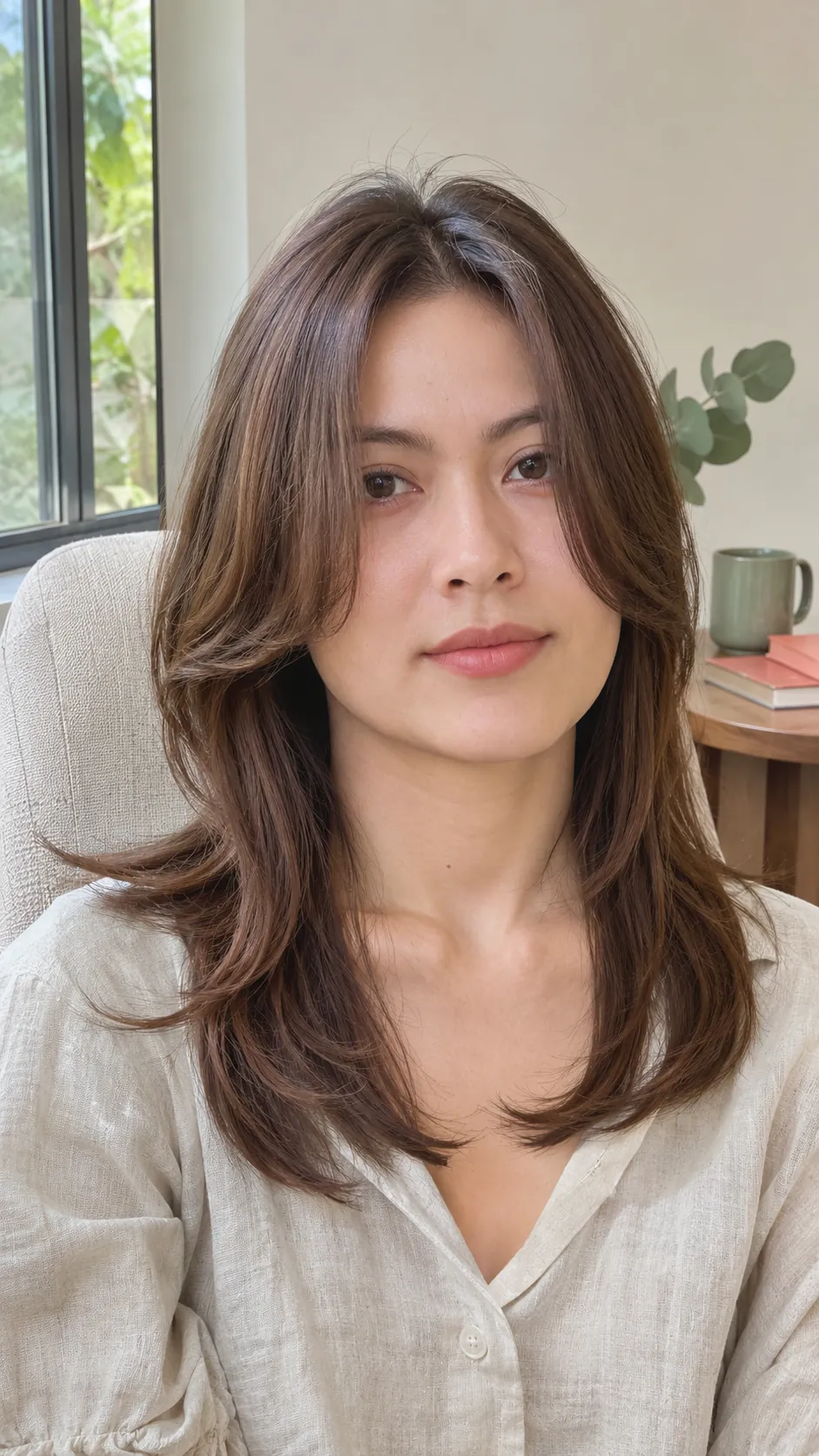
Collarbone layers give long curtain bangs a clear route into the rest of the haircut. The shortest point can sit near the mouth, which creates face framing movement without a dramatic fringe line. A medium round brush is useful here, but a large roller can set the same bend while the hair cools.
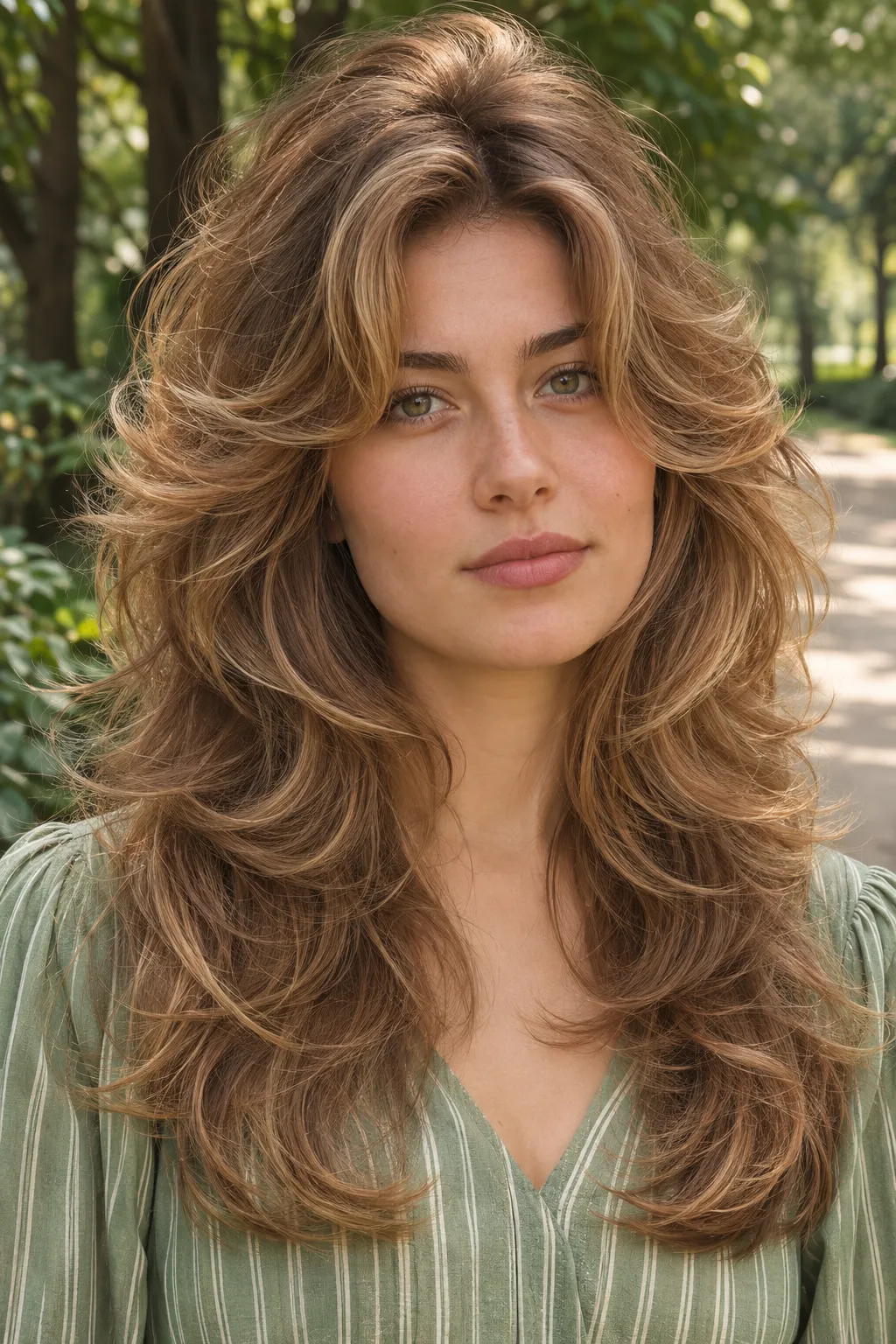
Shag Layers With Piecey Curtain Fringe
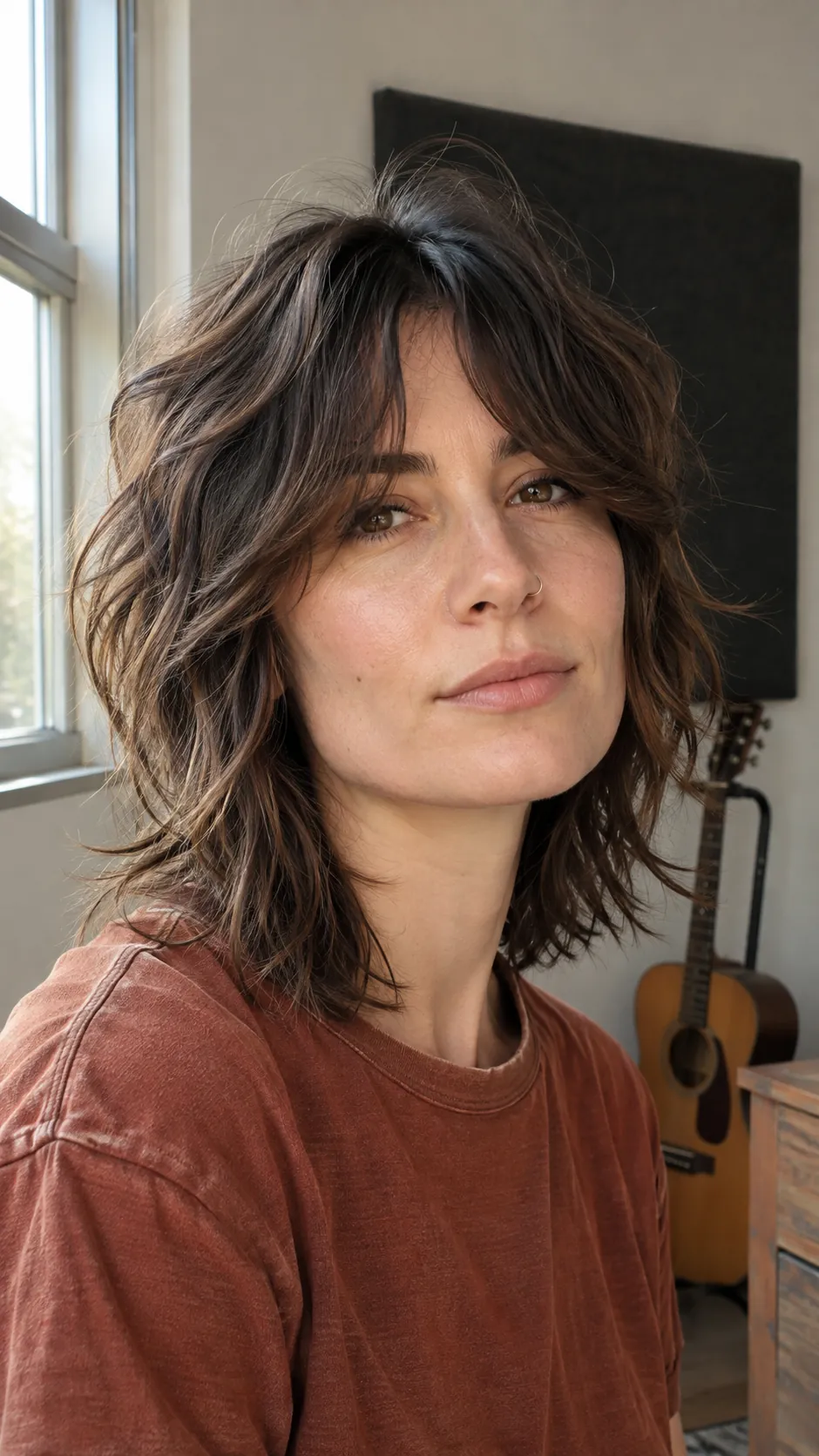
A shag supports a more separated curtain fringe because the surrounding layers already carry visible texture. Uneven but deliberate pieces make the style feel lively rather than overly groomed. Work a trace of dry paste through the ends and leave the root area light so the fringe can move.
Soft Fringe With a Rounded Lob
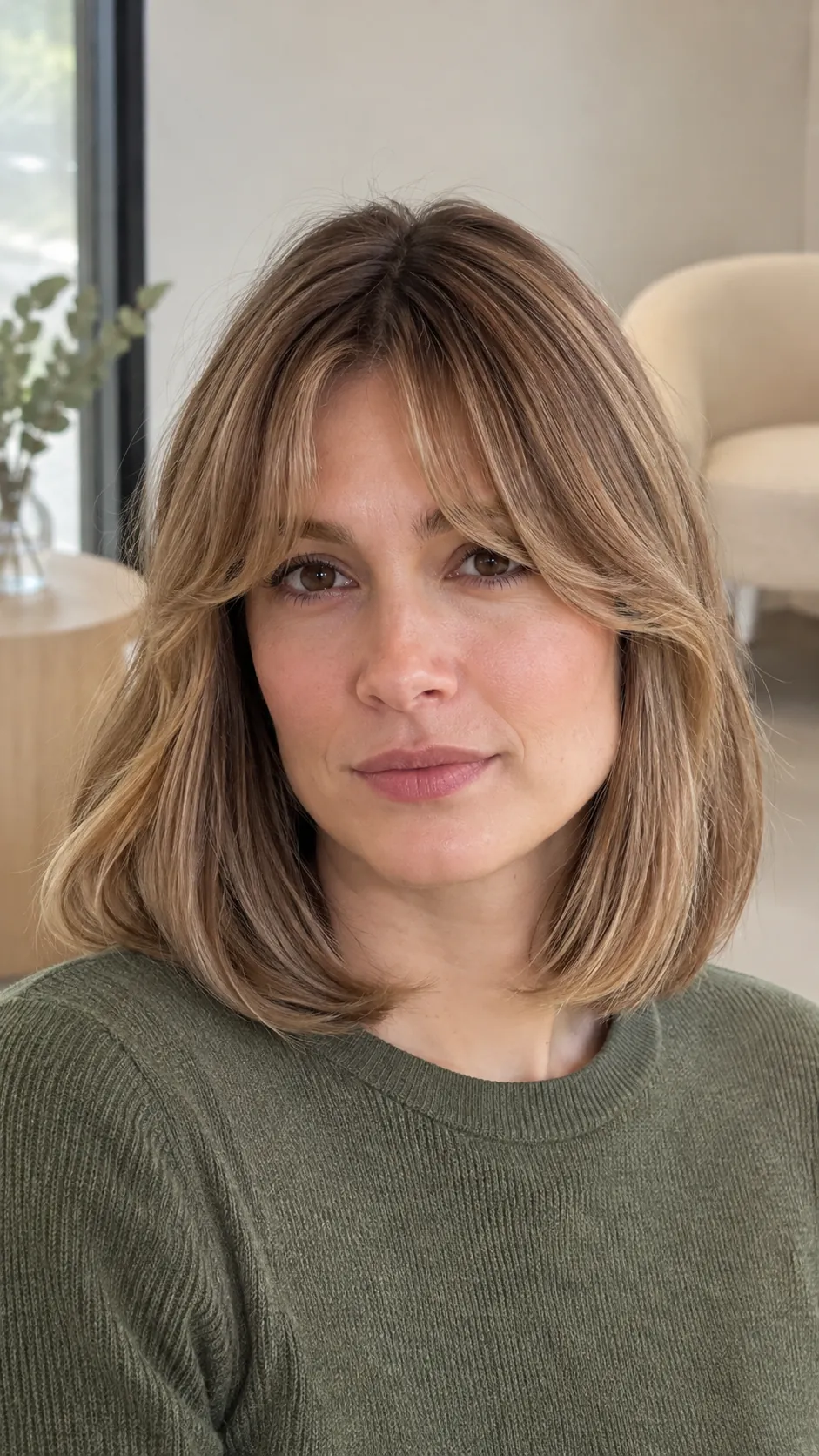
A rounded lob pairs well with curtain bangs that have smooth edges and moderate fullness. Matching the bend of the fringe to the curved perimeter makes the whole cut feel cohesive. Keep the side sections long enough to brush into the lob when you want a cleaner outline.
Deep Middle Part With Dramatic Wings
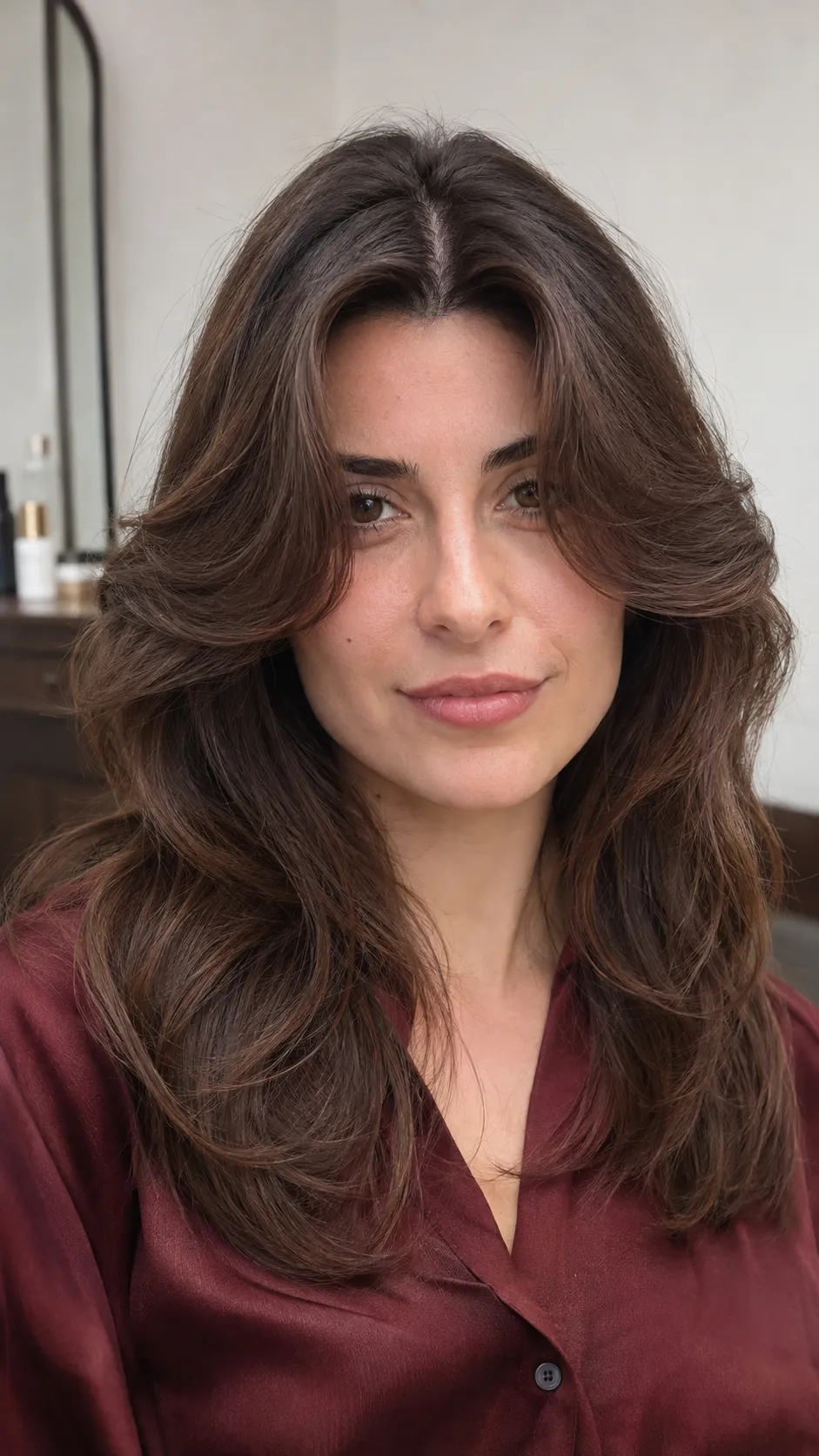
Dramatic wings use a strong root lift and a pronounced turn away from the face. The look is easiest on medium or thick hair that can hold the curved silhouette without excessive spray. Set each side in a large roller directed backward, then loosen the bend with fingers once it cools.
Narrow Center Opening for More Coverage
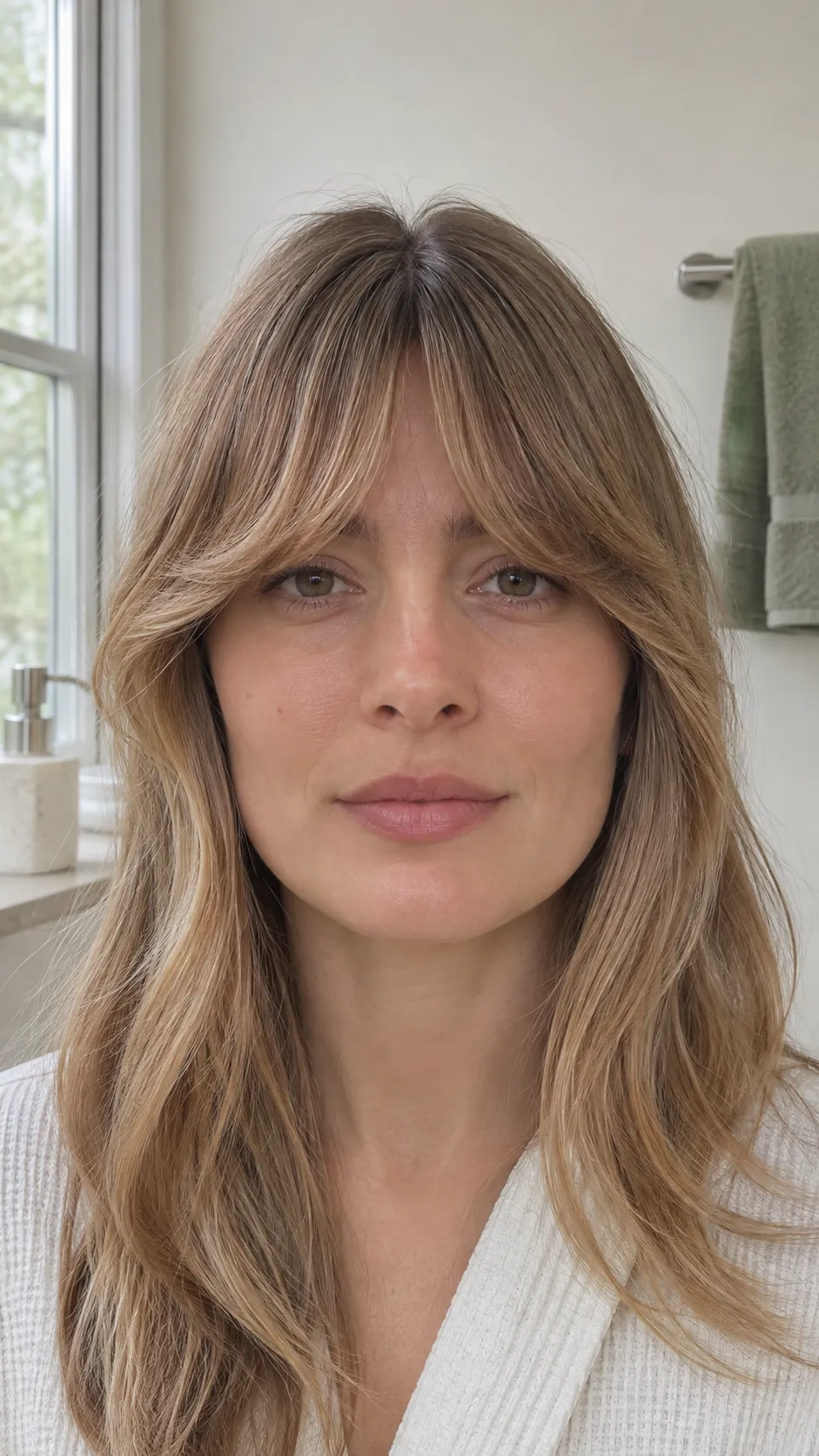
A narrow opening gives the softness of curtain bangs while covering more of the forehead. The center pieces should overlap slightly in their resting position, not form a heavy straight curtain. This option suits readers who like fuller bangs but want easier side growth than a blunt fringe provides.
Wide Center Opening With Temple Length Pieces
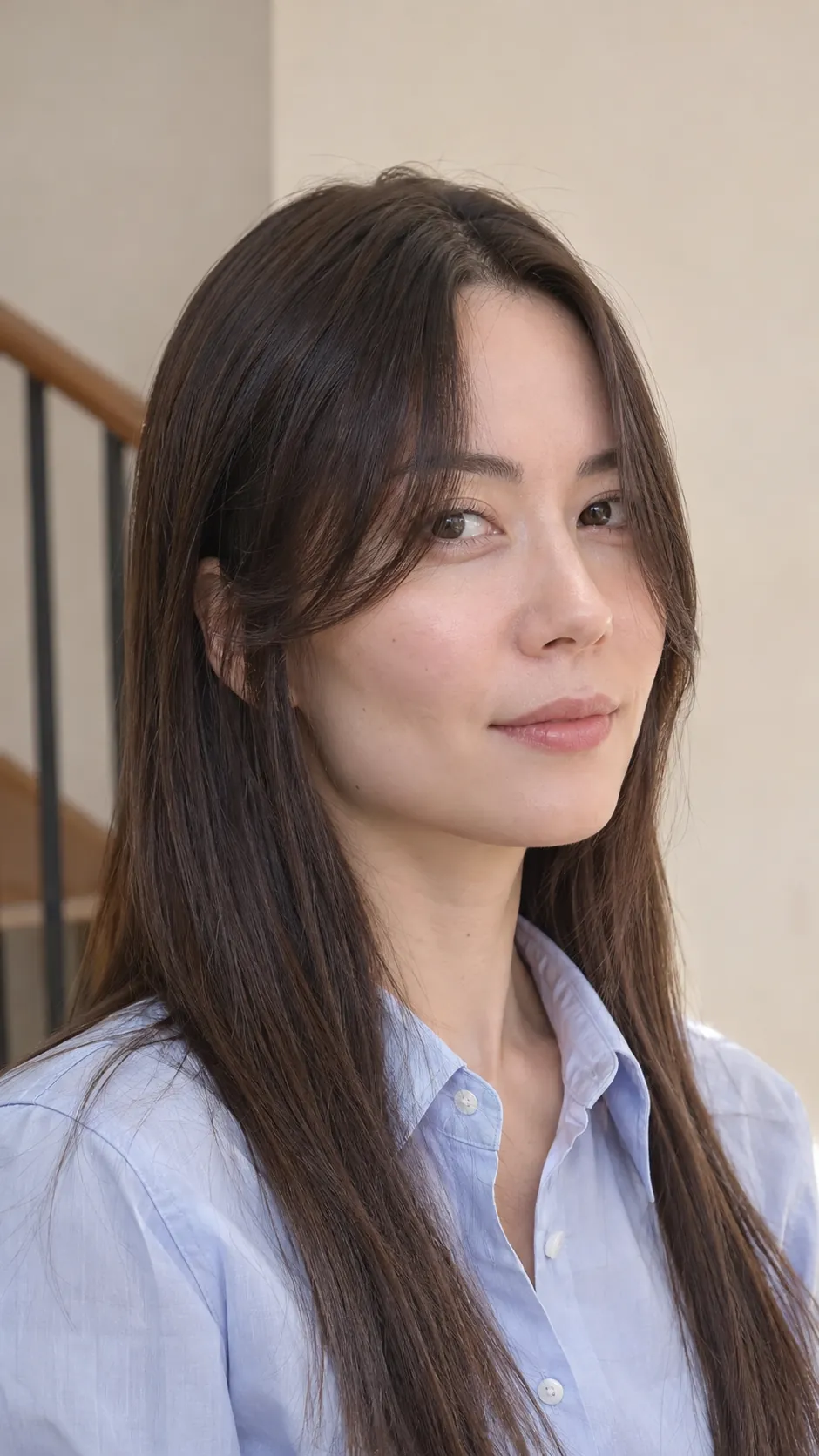
A wide center opening places the emphasis on the temples and cheekbones rather than the forehead. Longer inner pieces make the effect subtle and allow the fringe to merge with a ponytail more easily. Check the shape from the front and in profile, since the side curve does most of the visual work.
Asymmetrical Curtain Bangs for a Natural Cowlick
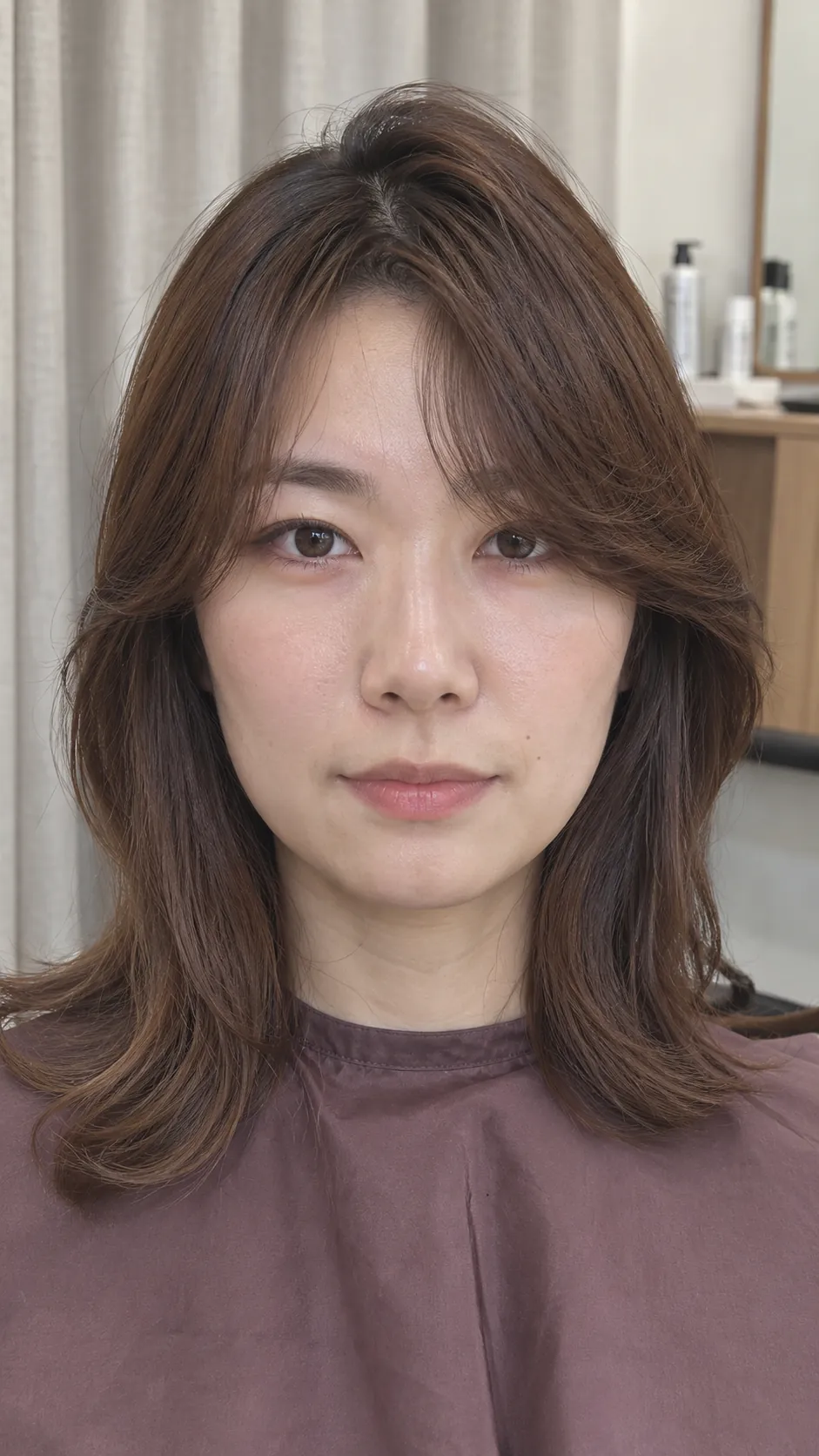
A cowlick often looks better when the cut respects its lift instead of trying to flatten it. One side can begin slightly higher or carry a little more length while the overall frame remains balanced. Ask the stylist to assess the fringe when dry, because wet tension can hide the real growth pattern.
Curtain Fringe With a High Ponytail
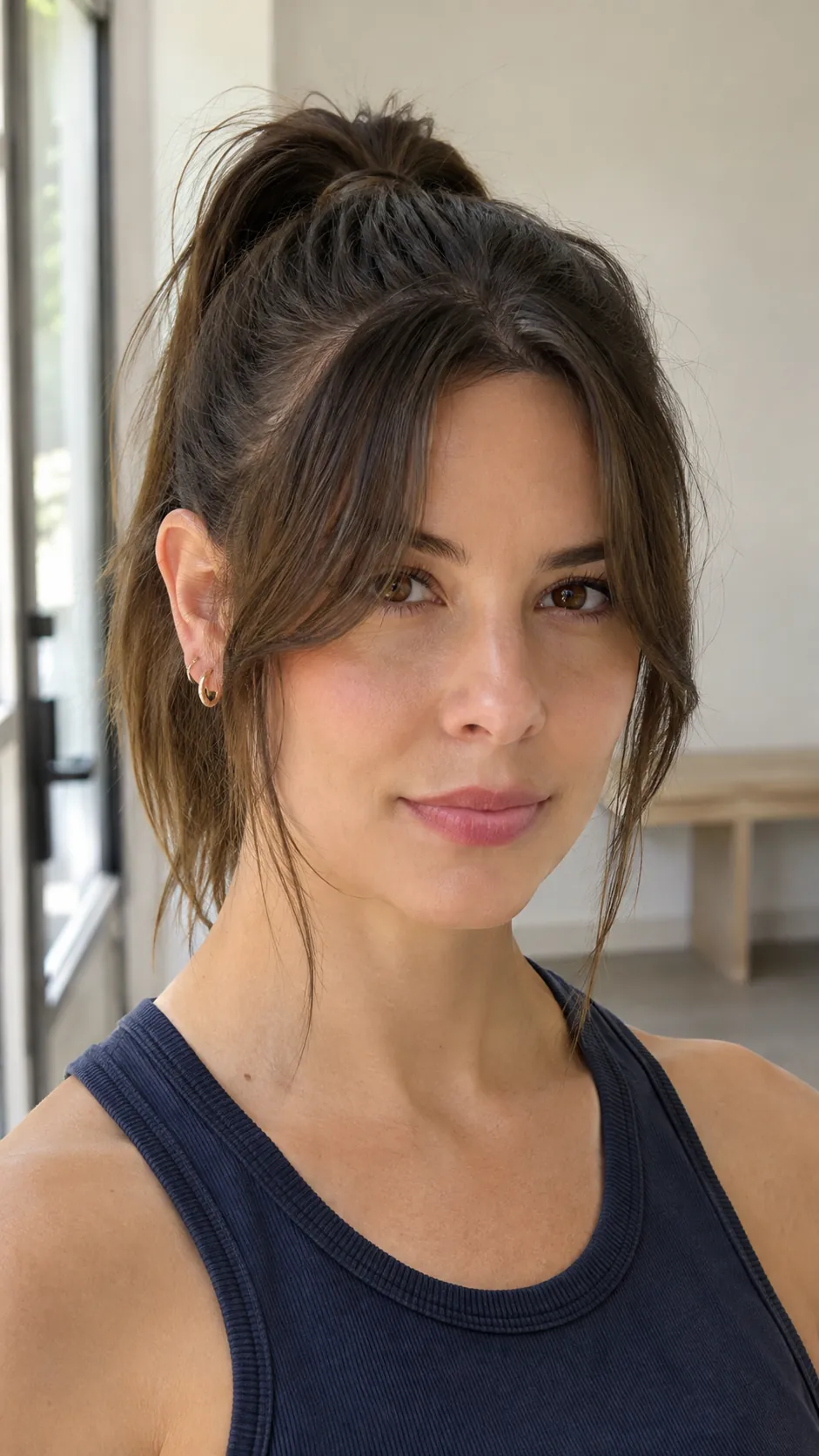
A high ponytail makes the length and density of curtain bangs especially visible. Cheekbone pieces soften the pulled back shape while longer temple strands connect the fringe to the hairline. Leave only the sections that fall naturally forward, because pulling out extra hair can make the sides look thin.
Low Bun With Loose Face Framing Bangs
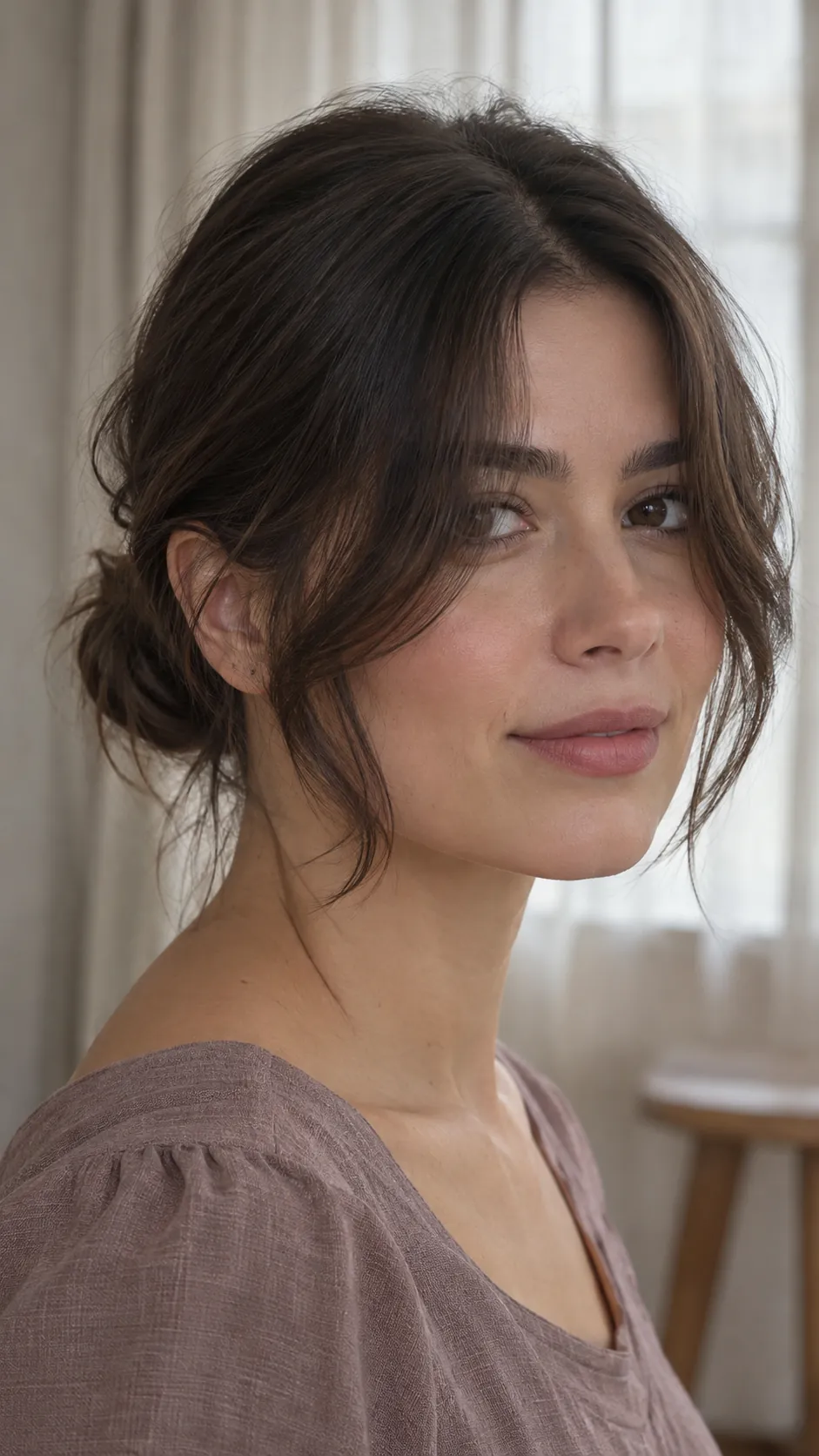
A low bun pairs naturally with longer curtain bangs that reach the lips or jaw. The loose pieces add softness near the face without competing with the quiet shape at the nape. Smooth the bun first, then bend the fringe gently so its finish remains touchable rather than stiff.
Curtain Bangs With Glasses

Glasses add a fixed horizontal line, so the fringe needs space to move without catching on the frames. A center that clears the brows and side pieces that pass outside the temples usually feel less crowded. Wear your usual glasses during the consultation so the stylist can judge the real contact points.
Long Curtain Bangs for a Growing Fringe
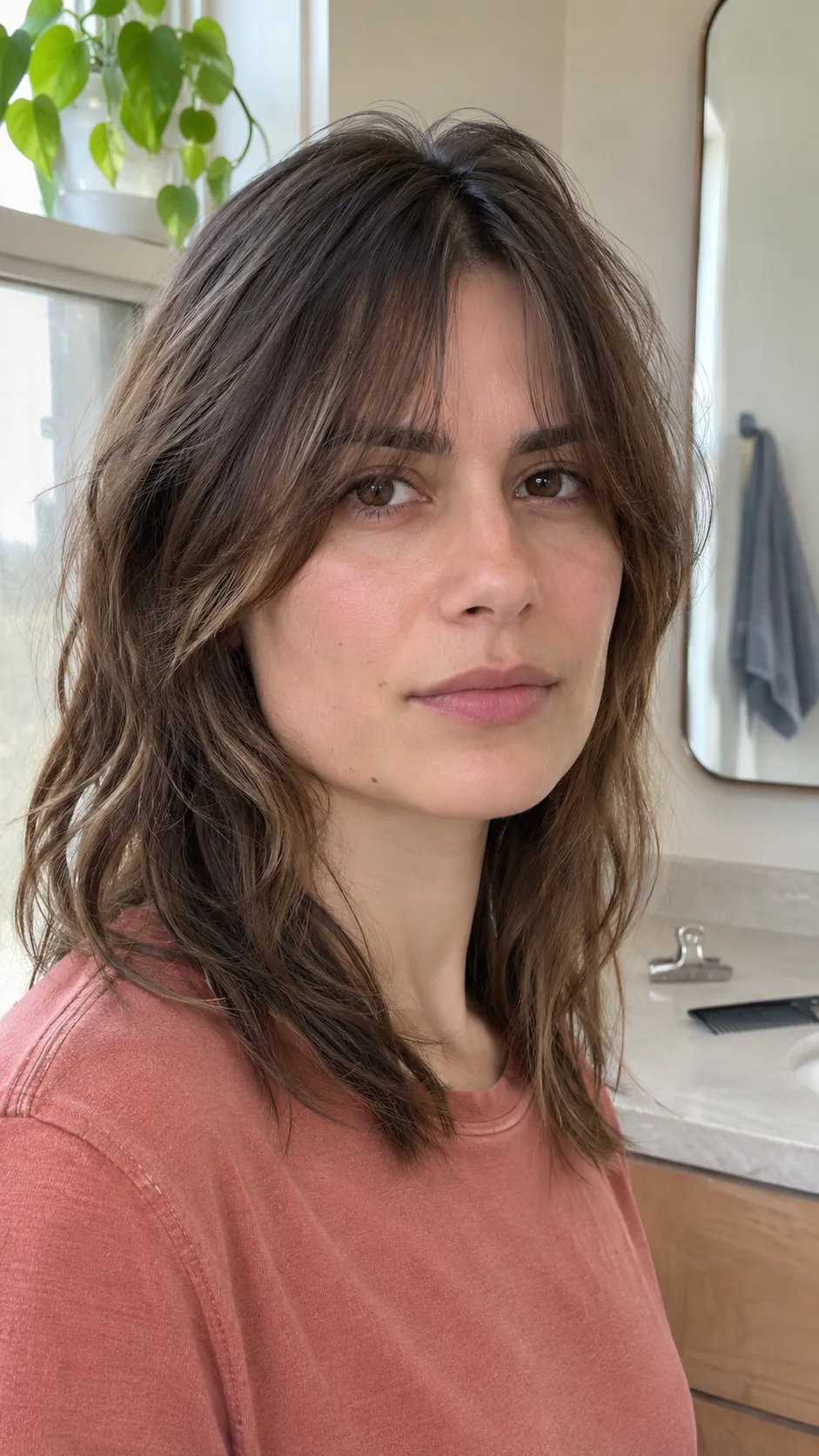
Growing bangs can become a deliberate curtain shape once the center reaches the brows and the sides reach the cheekbones. Small blending adjustments remove bulky corners while preserving as much length as possible. Change the part gradually if the roots resist, and use clips during drying to train the new direction.
Polished Curtain Fringe With a Blowout
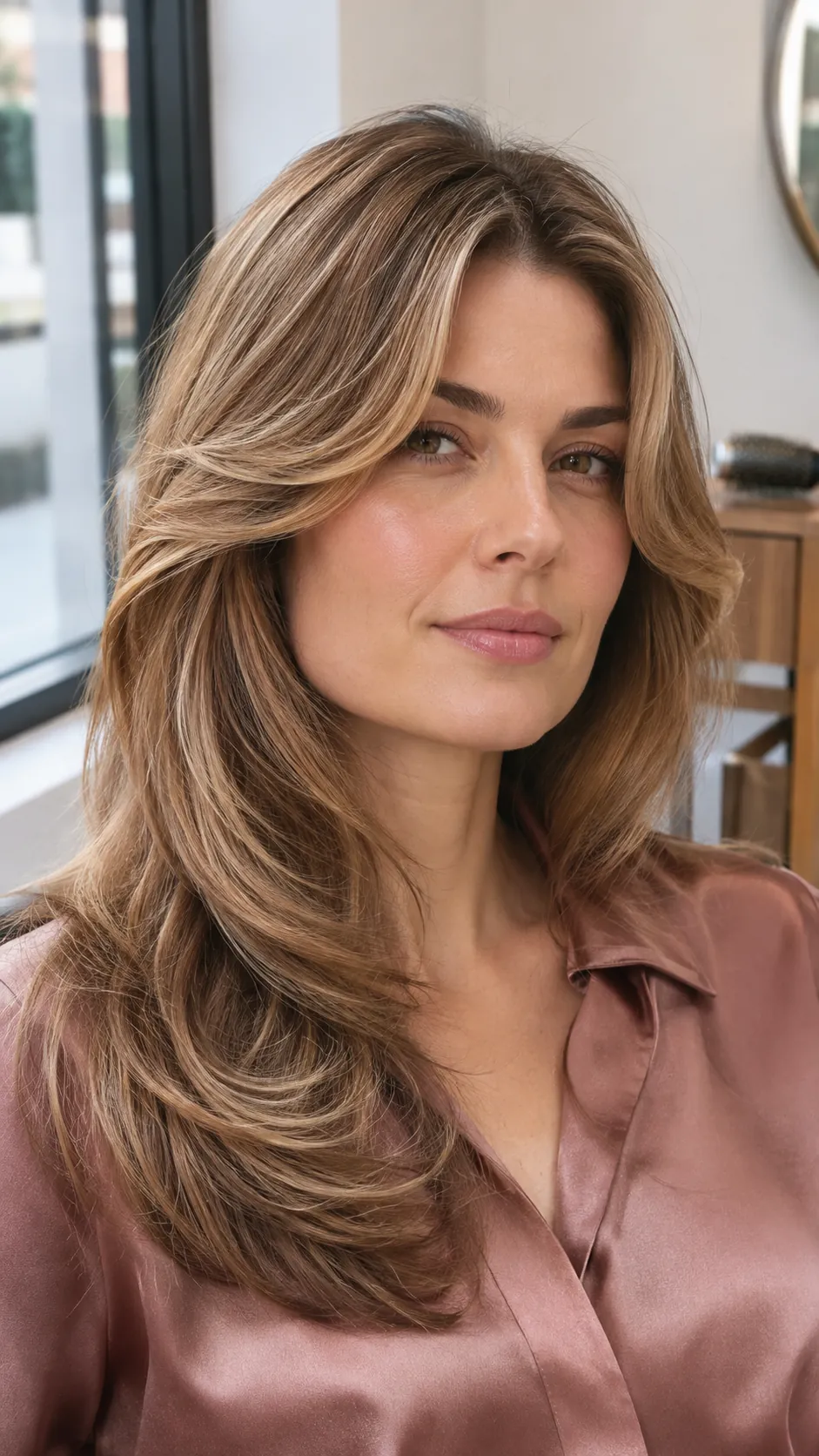
A polished blowout emphasizes the sweeping arc of curtain fringe and the shine of connected layers. Direct the whole section forward first to control the root, then divide it and roll each side away from the face. Let the bend cool before touching it so the shape lasts with less product.
Tousled Curtain Bangs With Lived In Texture
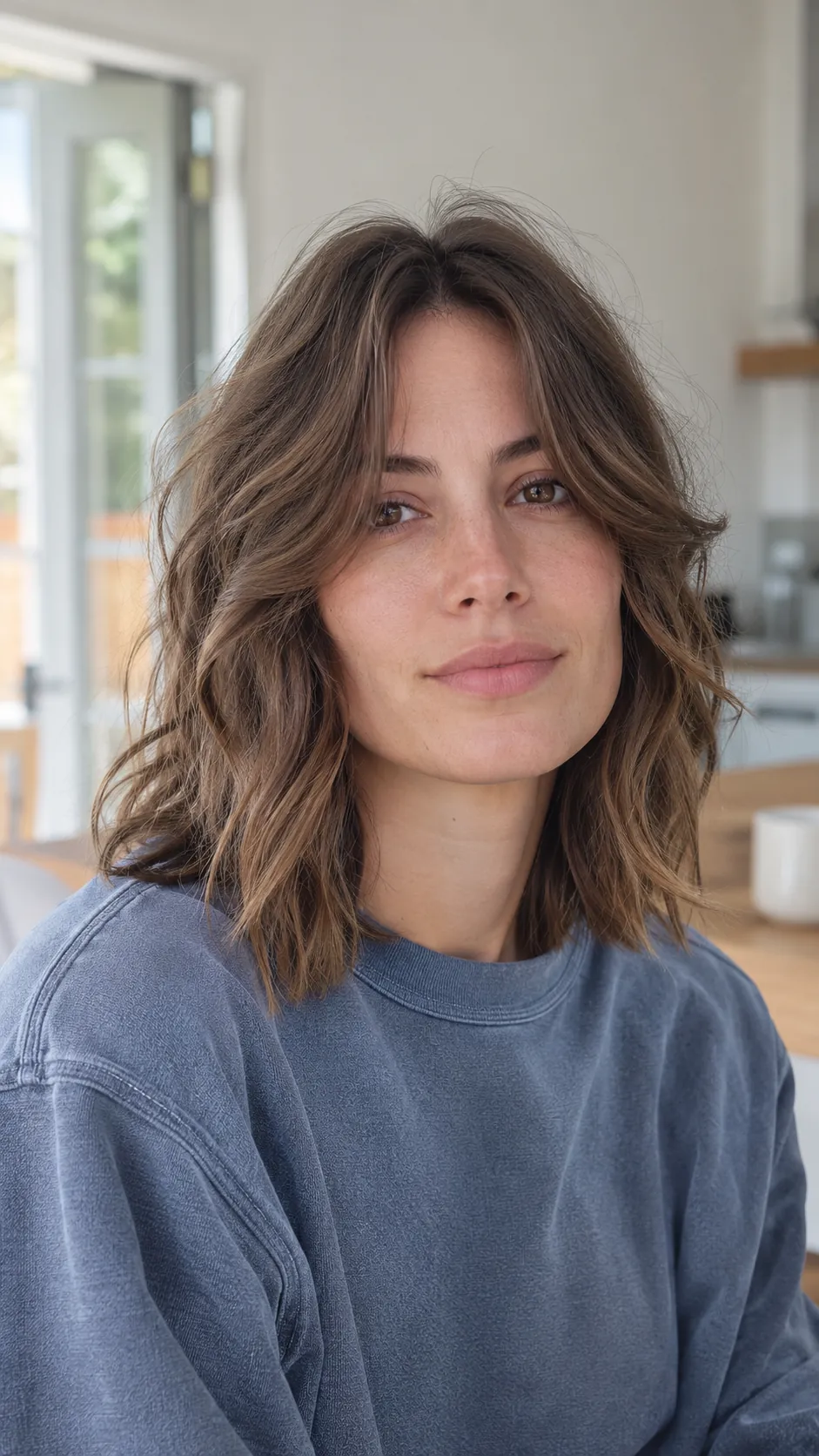
Tousled curtain bangs suit hair that already has irregular bends and a casual finish. A soft center split and broken end texture prevent the fringe from appearing too carefully arranged. Refresh flat roots with dry shampoo, then reshape only the front pieces with warm air and your fingers.
Sleek Curtain Bangs With Tucked Sides
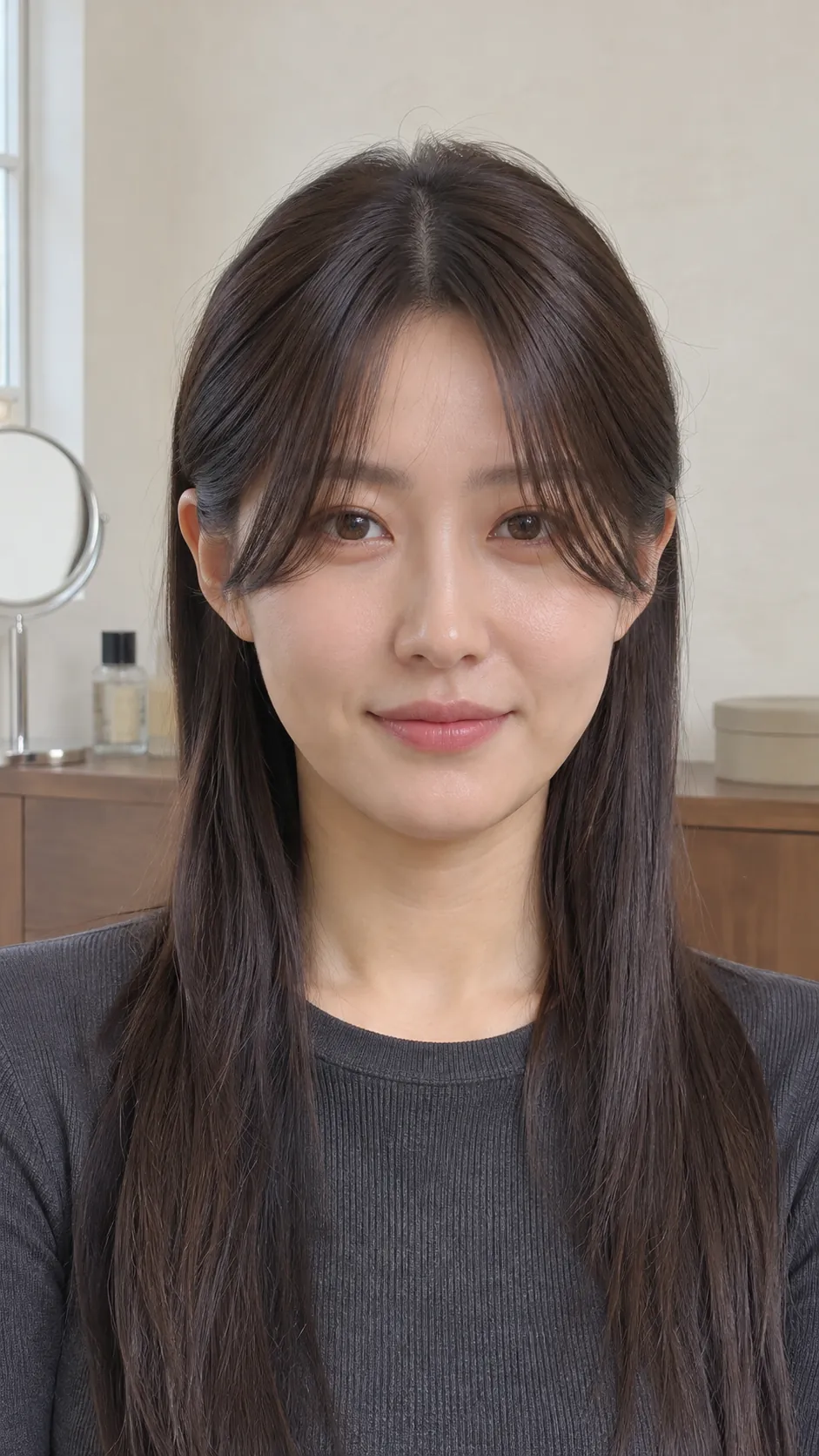
A sleek finish makes a longer curtain fringe look refined and easy to control. The inner pieces remain visible while the longer sides tuck behind the ears and reveal the cheekbones. Use heat protection and one slow pass with a curved tool, since repeated heat can make short front hair brittle.