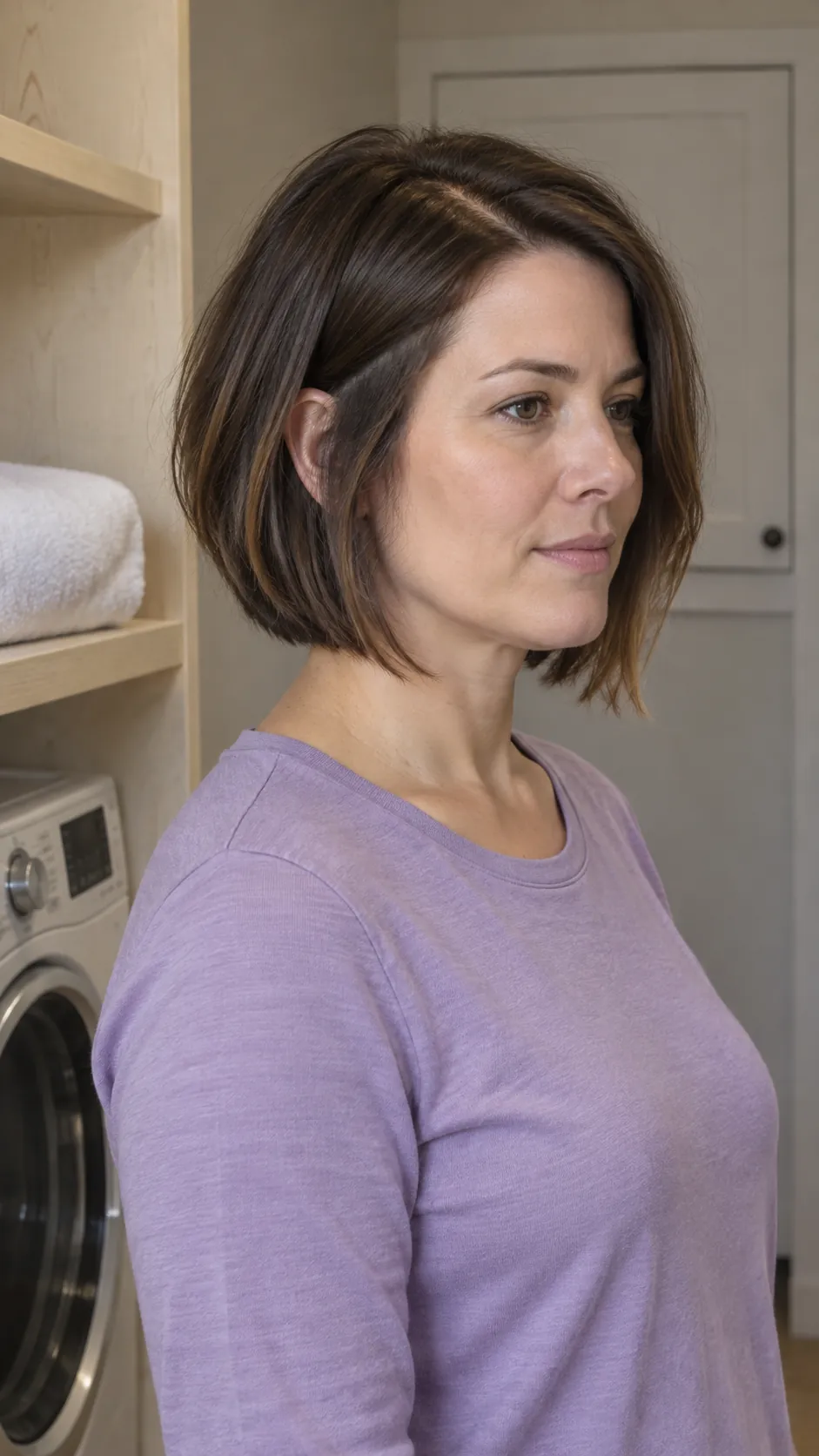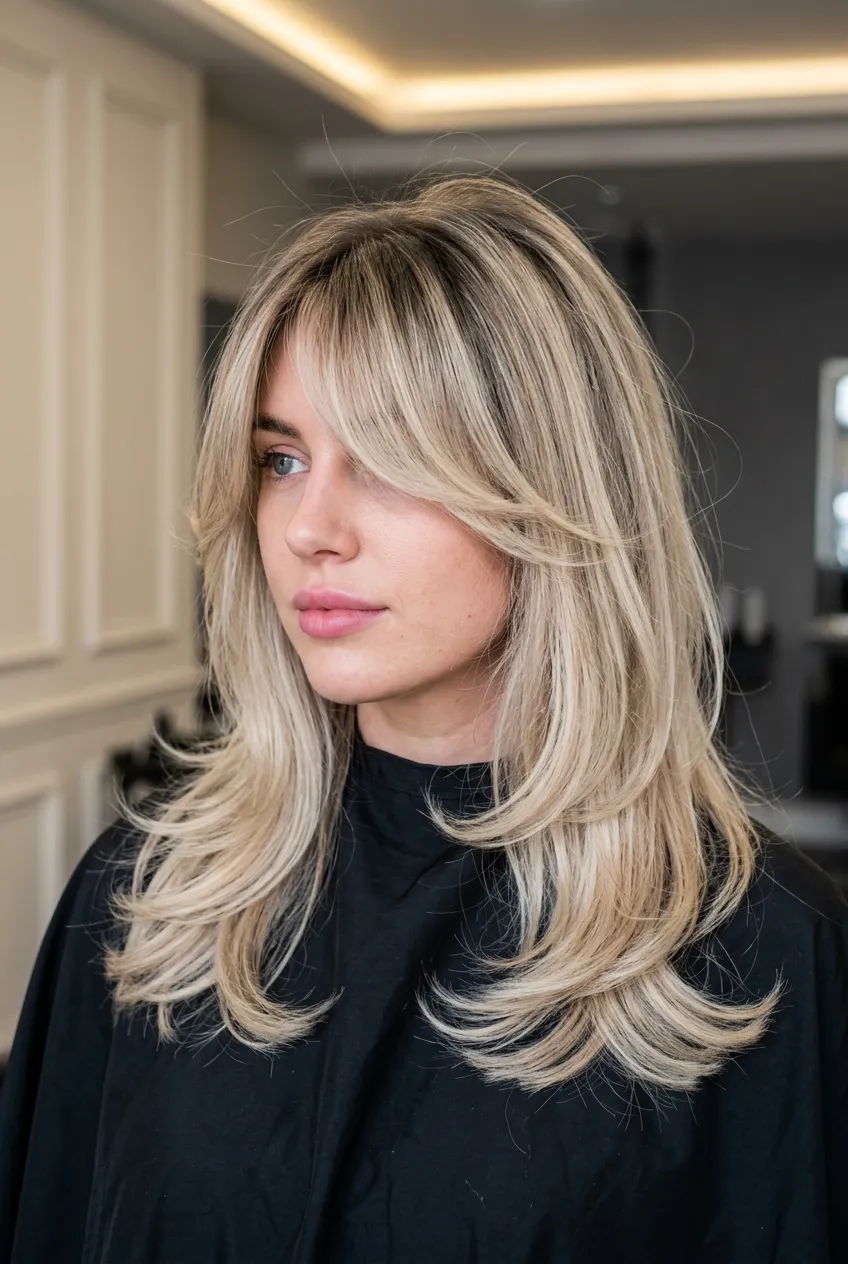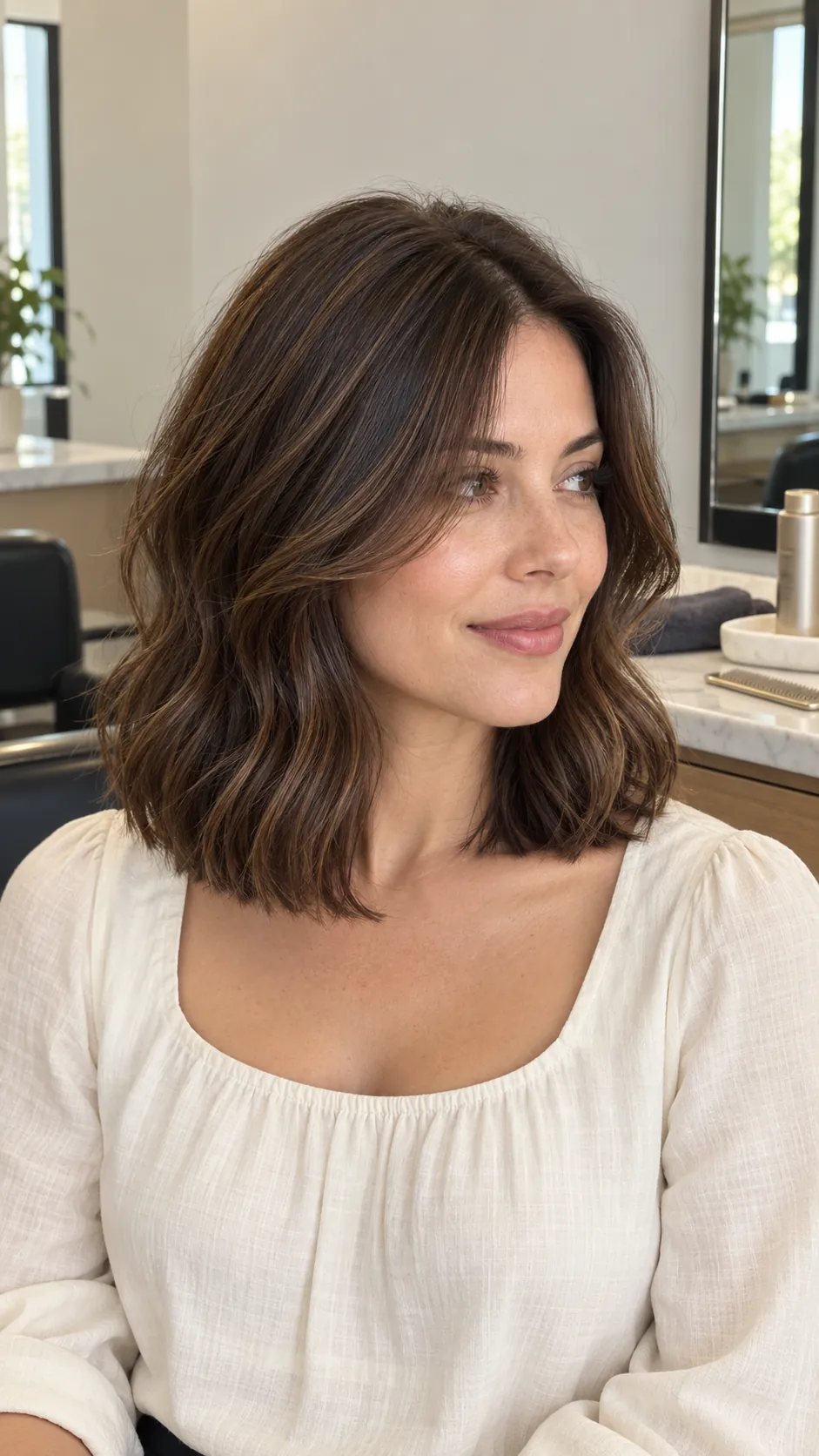
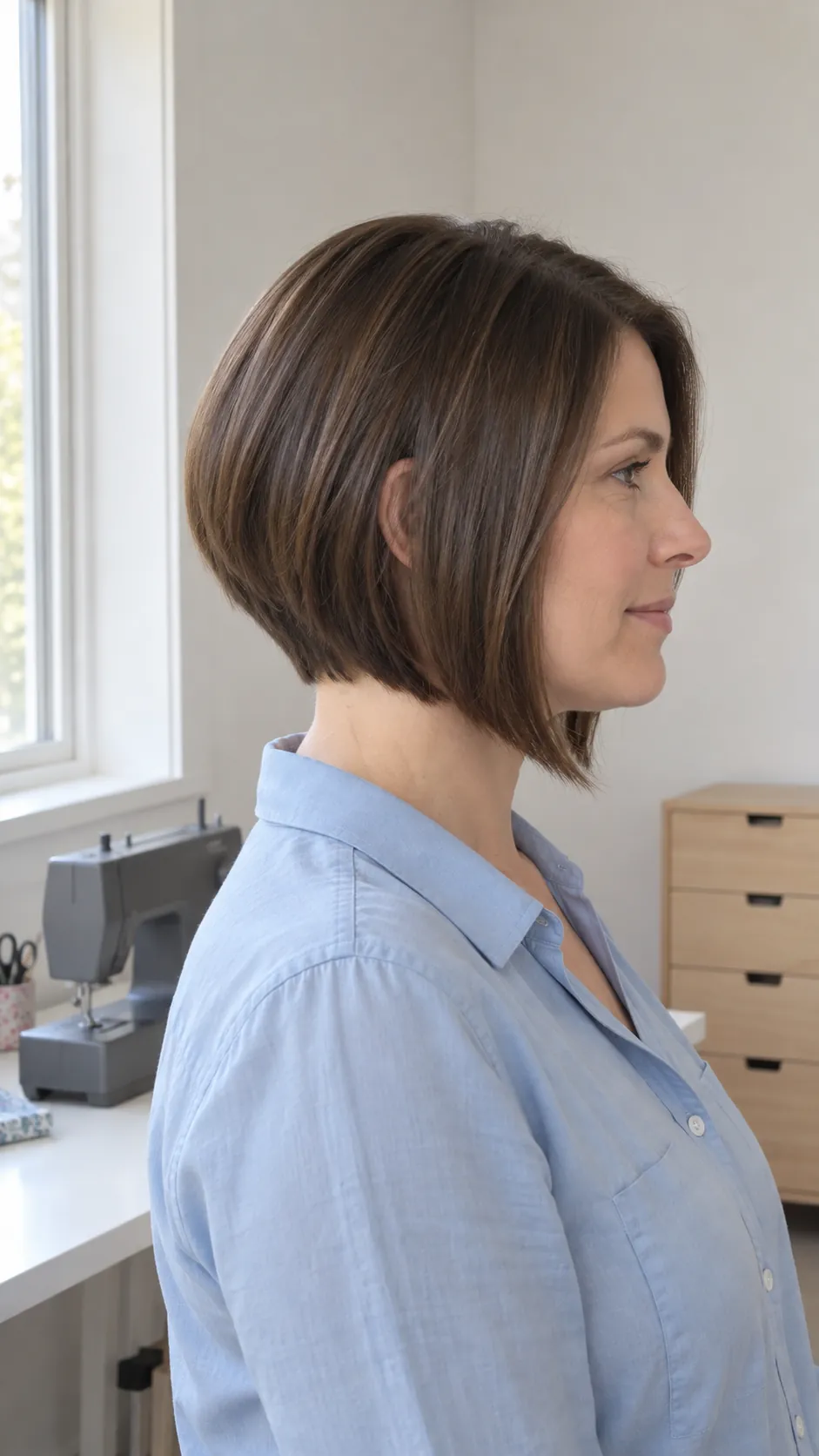
A longer front can look subtle from straight ahead and surprisingly sharp from the side. The key decision is the difference between your shortest rear section and your front corners. Set both lengths explicitly so a stylist does not interpret a small slope as a dramatic wedge.
An A line bob describes a forward length slope, while graduation changes the shape through the back. Salon names overlap, so bring front, side, and rear references and discuss your natural dry texture. The examples here illustrate different outlines and finishes, rather than promising that every hair type will look the same.
A Barely Sloped Chin Length Bob
A small change in length from back to front can give a chin length bob direction without a strong point. Ask to see the slope from the side rather than judging it only from the front. Keep the front corners substantial so the angle reads as part of the perimeter. This is a useful starting place if you are unsure about a more exposed nape.

A Gentle Angle Just Below the Jaw
A front edge just below the jaw leaves a little more room for movement than a sharply cropped chin line. The back can be shorter without rising high up the neck. Check the dry length before agreeing to the final slope, especially if your hair bends inward. A side photograph makes that small difference easier to explain at the consultation.

A Longer Bob With a Quiet Forward Line
A long angled bob can keep the front near the collarbone while the back stays somewhat higher. It offers a visible length direction without requiring a very short rear. Test where the ends meet your shoulders, because contact can make them flip. If you need to tie it back, check the shortest sections rather than assuming the longer front guarantees that option.
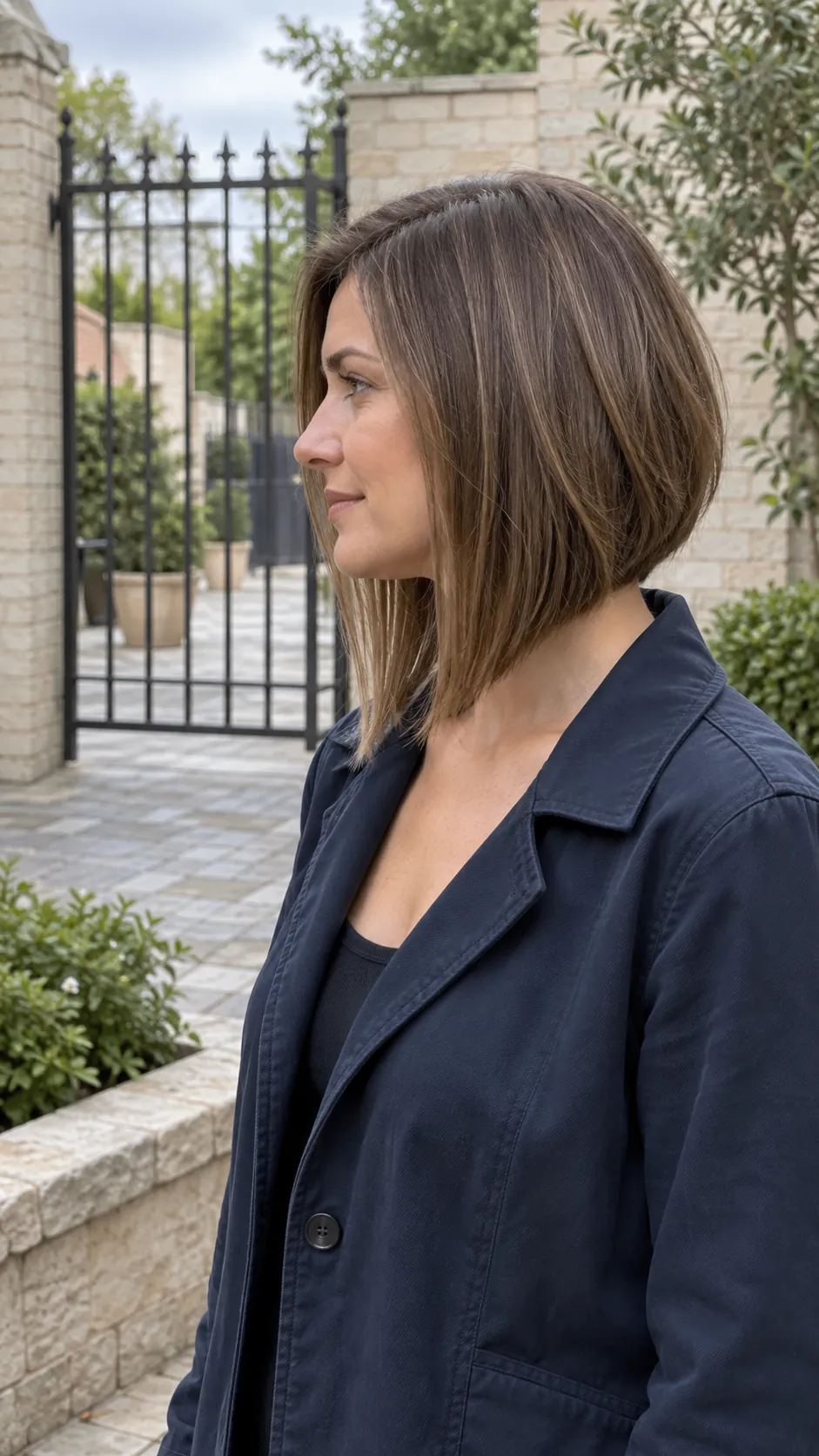
A Blunt A Line With Minimal Layers
A blunt A line bob emphasizes the perimeter more than internal movement. Keep layering restrained if you want the side slope to look substantial. Straight styling can reveal the line, but it may also make any uneven corner more obvious. Ask the stylist to check the connection behind the ears before the final finish.

A Softly Textured Angle
Softening the ends gives the angled outline a less rigid appearance. Texture should refine the edge without turning the front points into thin strings. Ask what will be removed from the perimeter and what will stay full. A little separation in the finish can show the movement without requiring a heavily choppy cut.
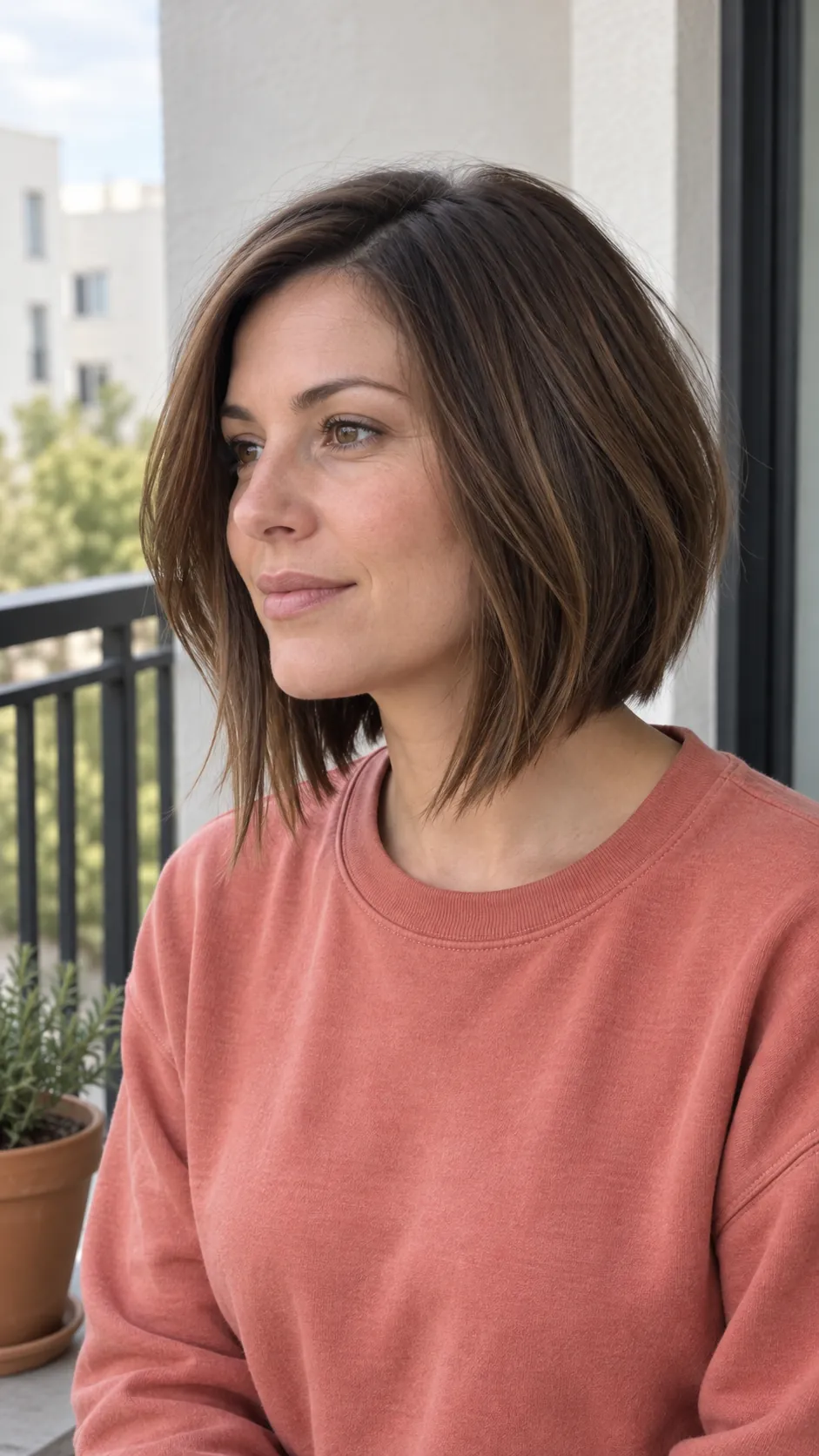
Fine Hair With Full Front Corners
Fine hair often benefits from keeping enough density where the angle finishes beside the face. Avoid adding short face framing pieces if those corners are already sparse. A modest slope can look more substantial than an extreme point made from very little hair. Discuss the amount of natural density at your temples before choosing a reference.

Thick Hair With a Controlled Side Shape
A thick angled bob can expand through the sides even when the line looks sleek in a photograph. Ask how internal bulk will be managed while the outer hem stays connected. The natural dry view matters if you do not plan to straighten every day. Keep the cut and the styling expectation as separate parts of the conversation.
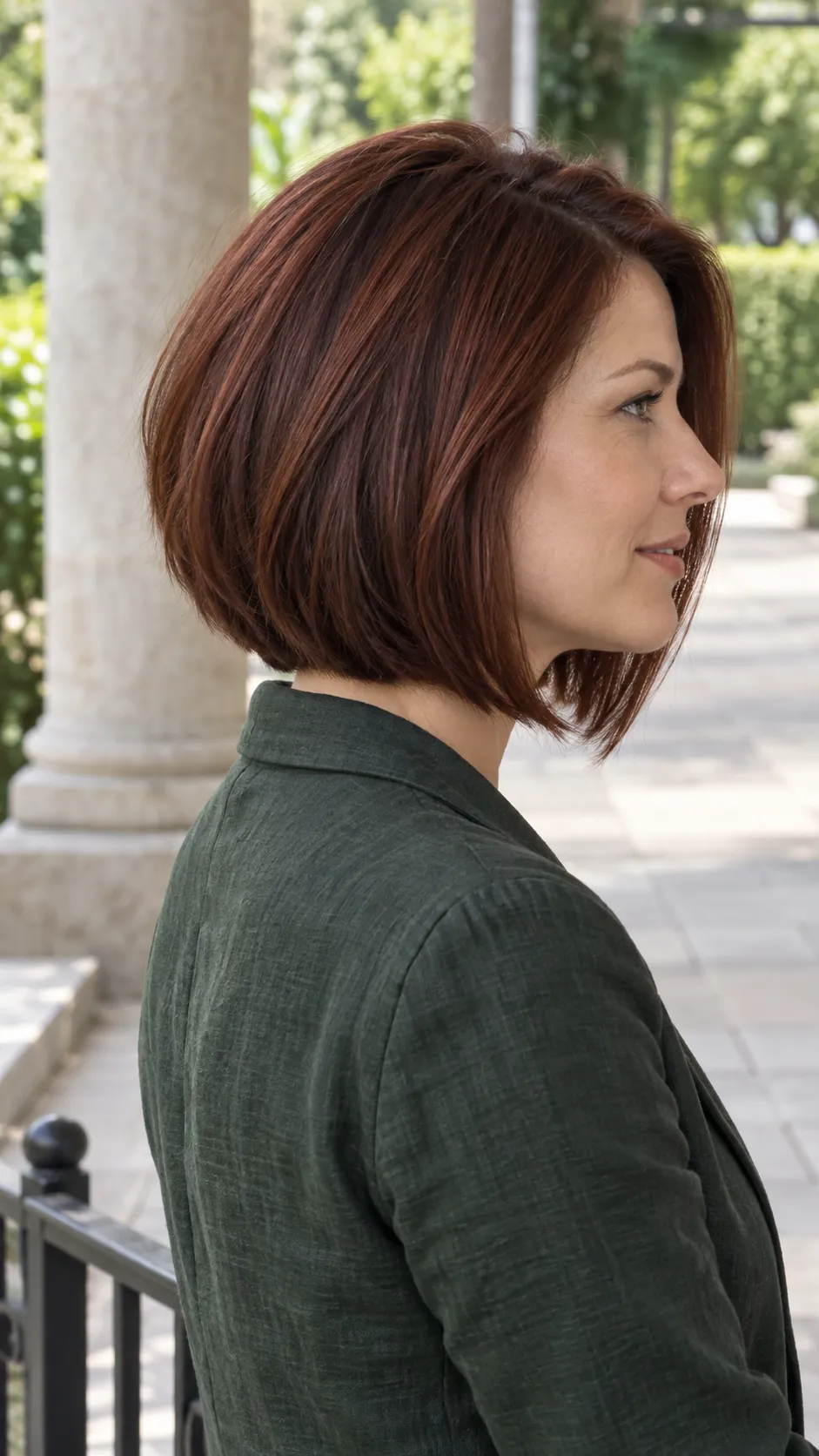
Natural Waves With a Mild Slope
Waves soften the angle and can make one side appear shorter when its pattern springs up more strongly. Choose the perimeter after considering the dry wave pattern. The slope should still be recognizable without forcing every section straight. A reference with similar texture gives more useful information than a polished straight bob alone.

Curly Hair With a Longer Front
A longer front can give curls room to sit around the cheeks while the back is shaped more compactly. Dry shrinkage determines how dramatic the difference will look. Ask the stylist to compare the curl pattern at the front and nape before cutting the angle. The outline can be soft and curved rather than a ruler straight diagonal.
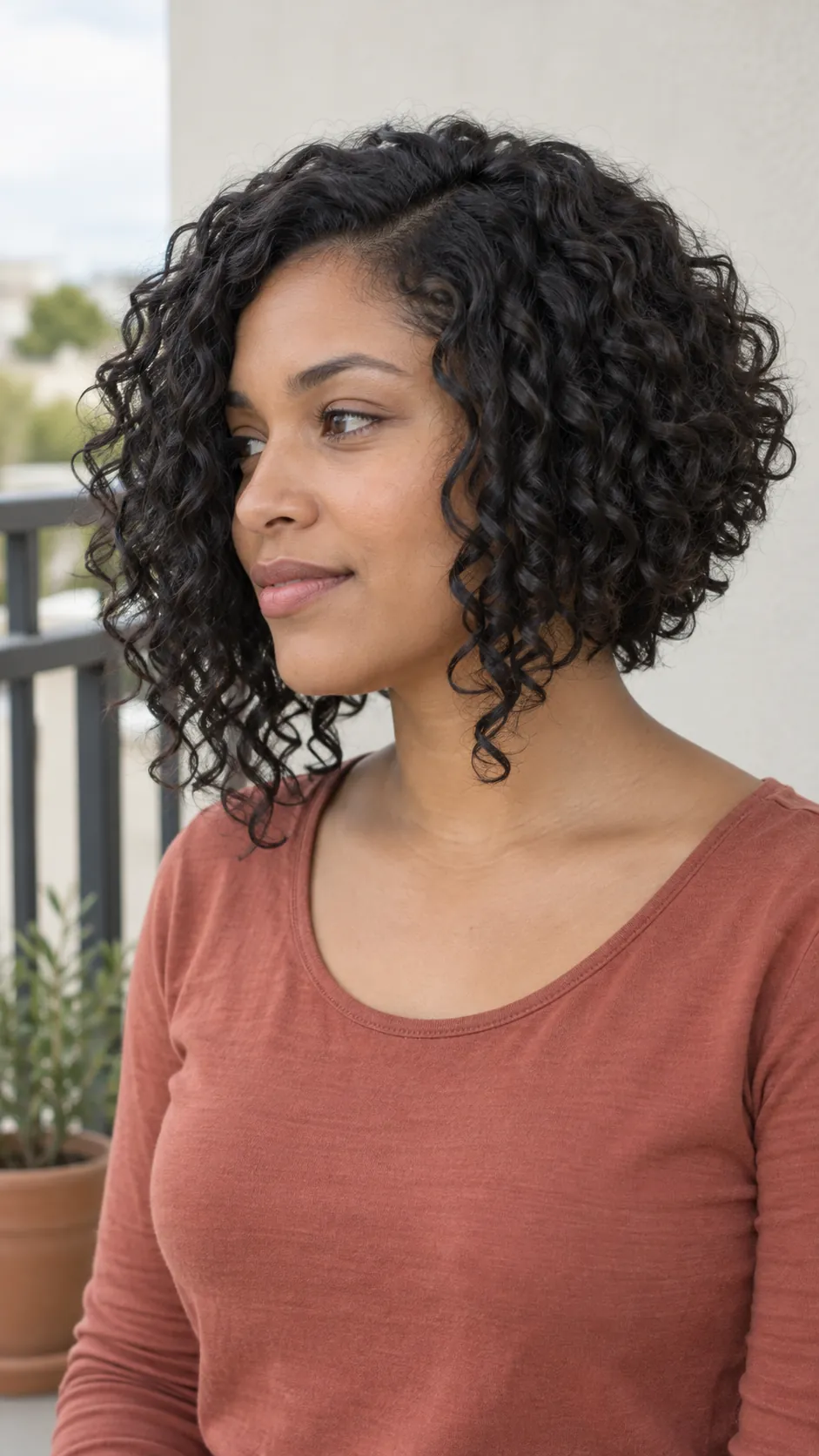
A Side Part That Opens the Front
A side part changes which front section looks fuller and which point becomes most visible. Try the part before deciding how steeply to cut the perimeter. Keep the sweep connected into the bob rather than shortening it into a separate fringe by accident. A different part may reveal more of the angle without requiring another haircut.
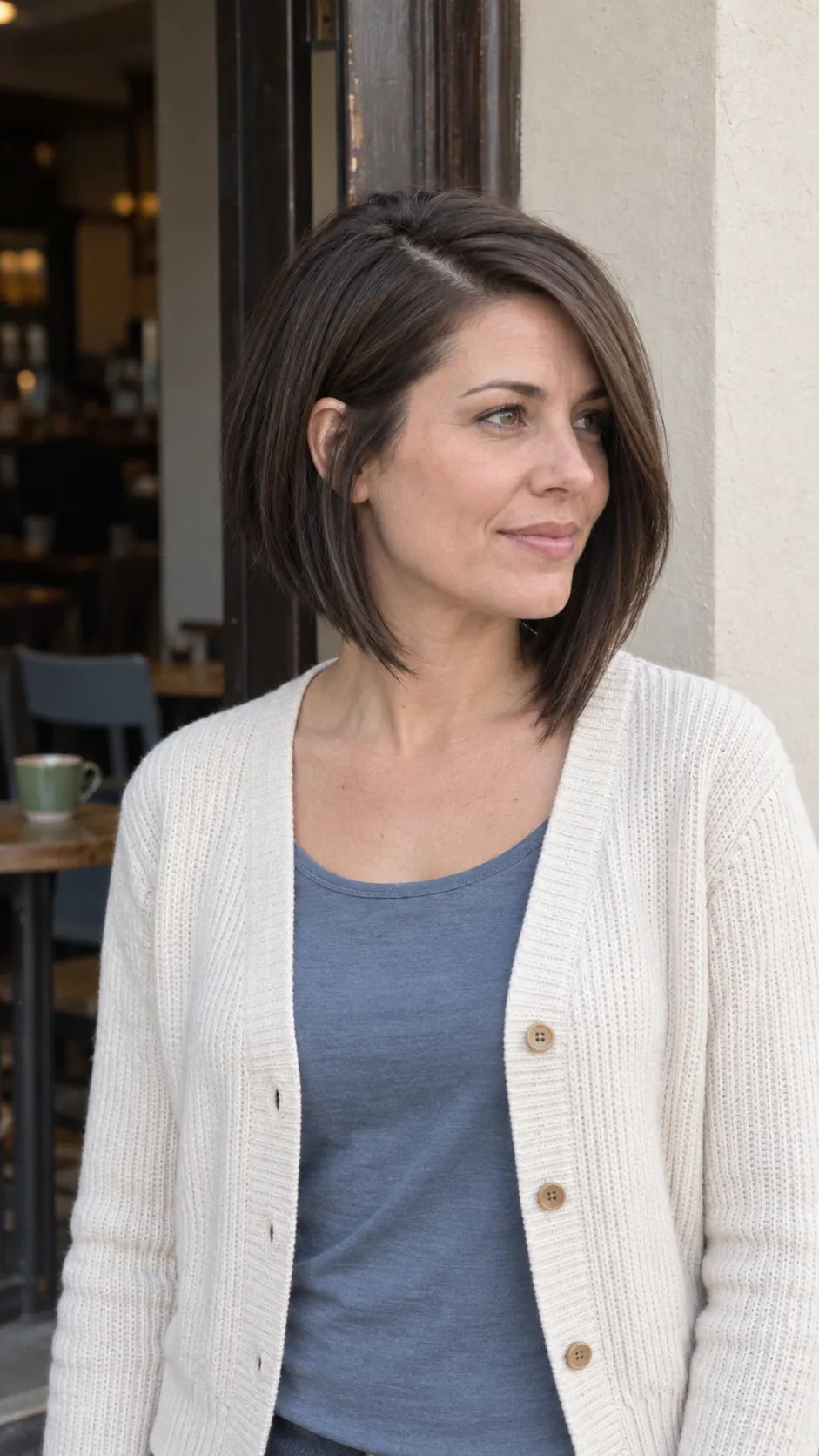
A Center Part With Even Front Points
A center part makes the two front corners easy to compare. The cut can be balanced without having identical density on both sides of your head. Ask for the points to be checked while your head is level and the hair is dry. If a cowlick shifts the part, choose a placement you can maintain comfortably.

Long Curtain Pieces Over a Gentle Angle
Long curtain pieces can open the face while a mild angle remains in the lower edge. Keep their ends connected to the side lengths so they do not look detached. Tell the stylist whether you normally tuck those pieces behind an ear. The front layers and the perimeter slope are separate decisions, so discuss both explicitly.

A Full Fringe With a Defined Side Slope
A full fringe adds a strong horizontal line above an angled perimeter. Decide how much hair the fringe will use so the side corners keep enough weight. The contrast is most visible in a side view, where the bangs do not hide the slope. Allow for fringe upkeep if you want it to remain clear of your eyes.

An Ear Tuck With the Opposite Point Loose
Tucking one side changes the silhouette and makes the other front point more prominent. The tucked section must actually reach behind the ear to stay there. Check this with your glasses if you wear them often. Keep one side loose when judging the haircut so the angle is not concealed entirely.
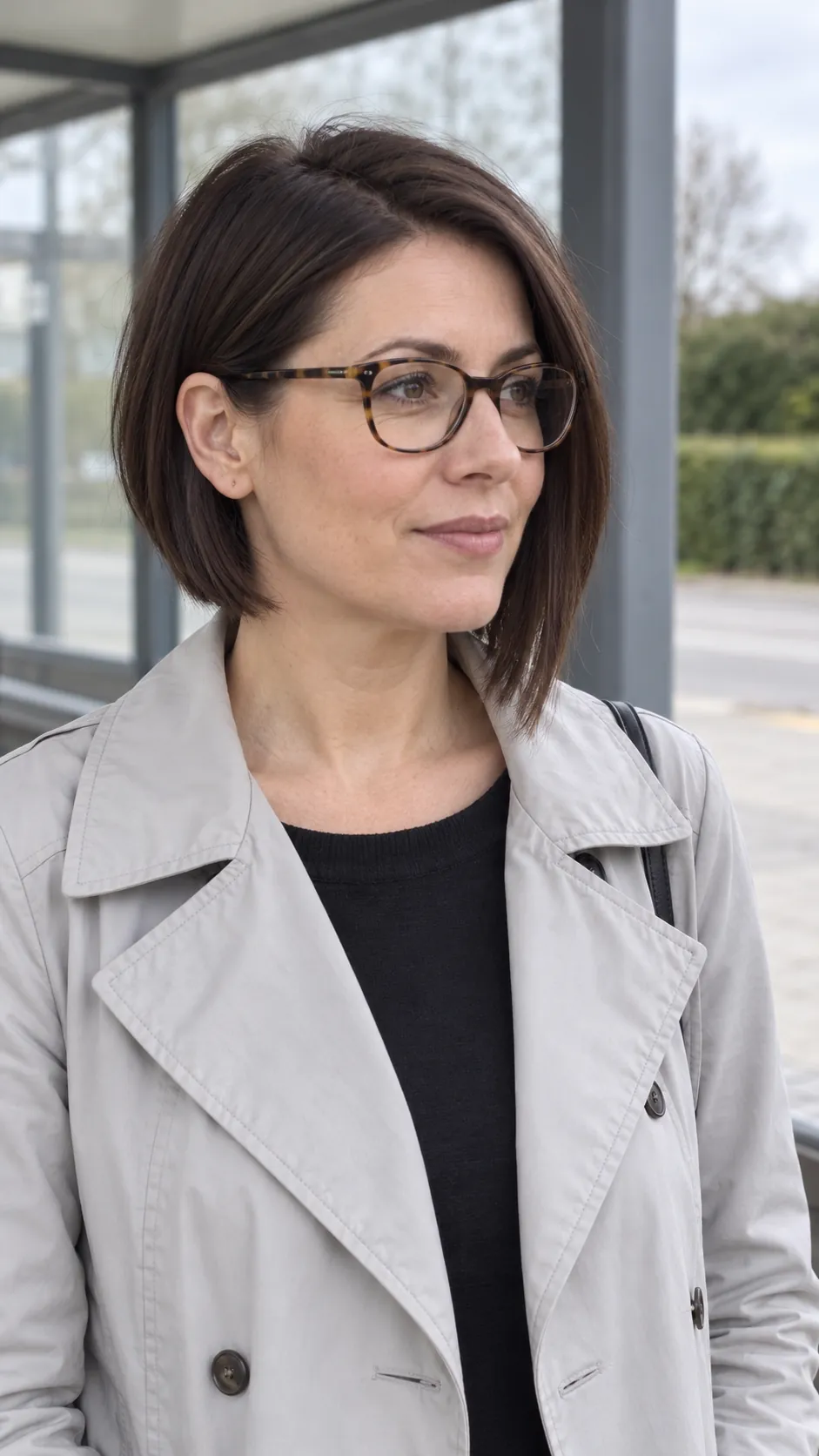
A Sleek Finish With a Small Inward Bend
A nearly straight finish makes the side line easy to see. A slight inward turn at the very ends can soften it without changing the actual cut length. Use heat protection and the lowest effective setting if you style it with a hot tool. Avoid rolling the whole side tightly under if you want the angle to stay visible.
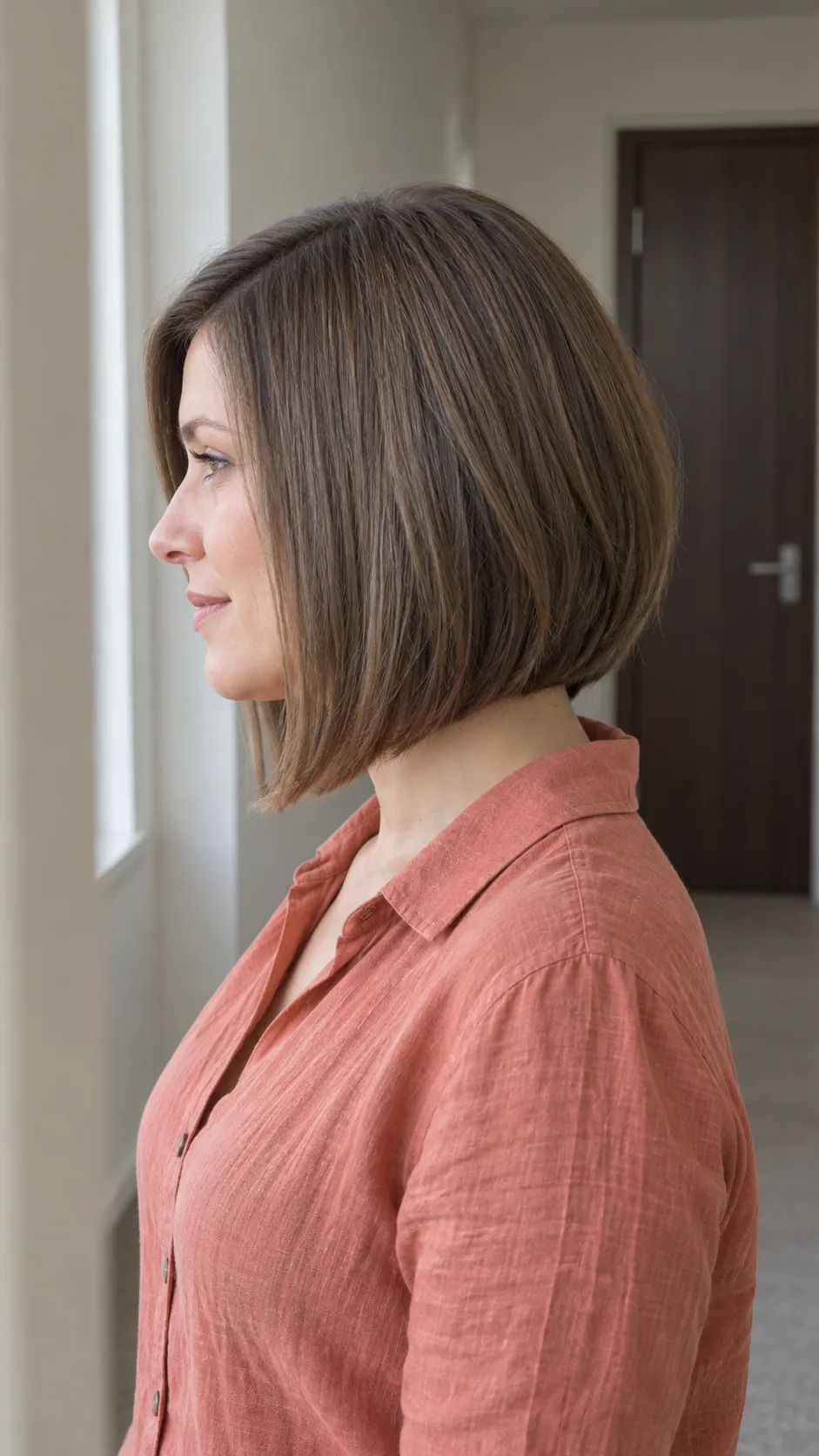
Loose Waves Over a Clear Angled Hem
Broad loose waves can add movement while a recognizable perimeter remains underneath. Leave the final ends less curled if you want the front length to read clearly. The wave direction does not have to match on every section. Separate the cooled hair gently so it moves rather than staying in identical curls.
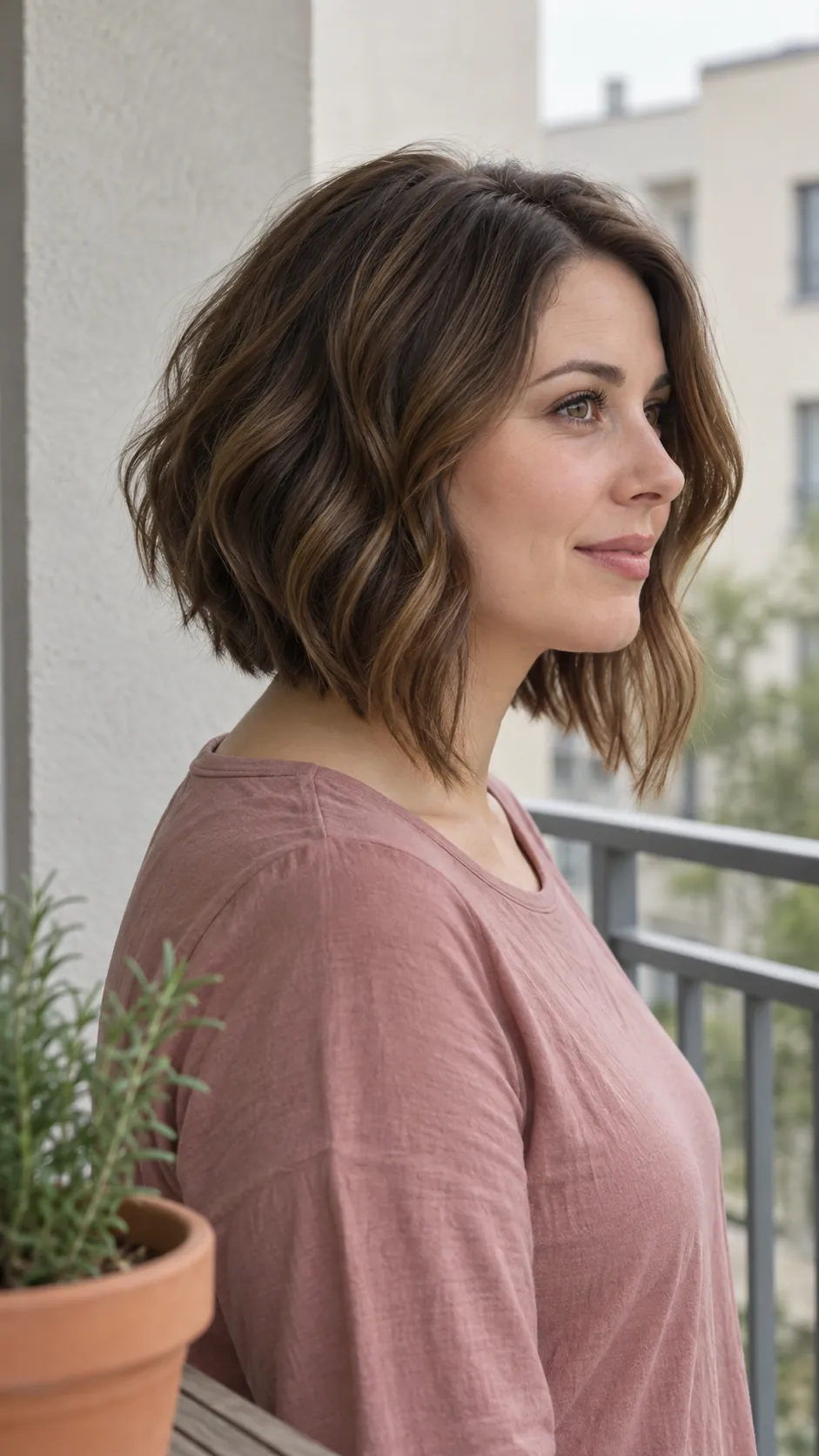
A Low Graduated Back With a Moderate Angle
A rounded graduated back and a forward slope can appear in the same bob. Ask for a rear reference to describe the graduation and a side reference to describe the angle. A low curve keeps the back quieter than a high stack. The front length should connect smoothly through the area behind the ears.
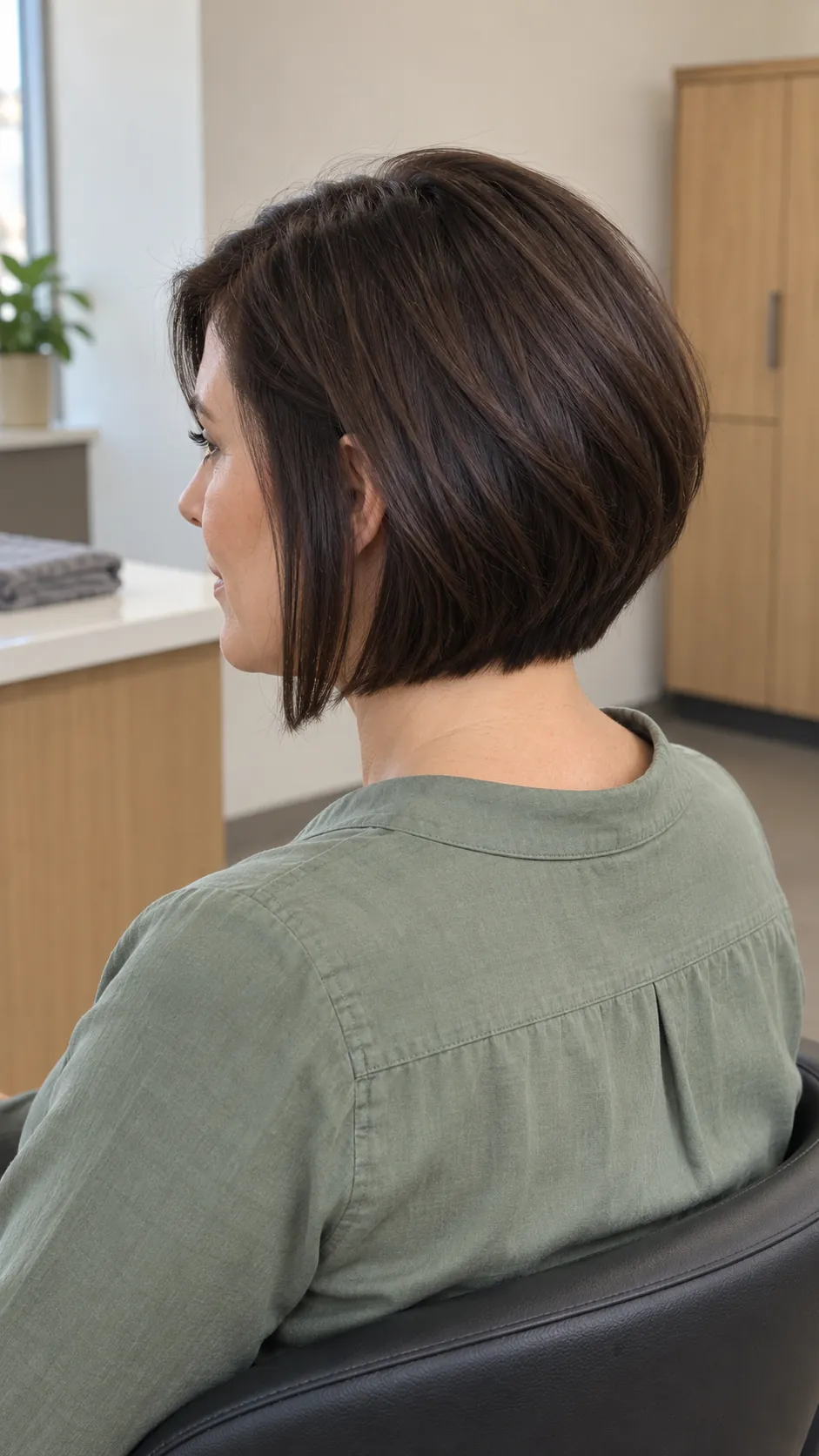
A Rounded Inverted Shape With Longer Sides
An inverted bob usually suggests a shorter shaped back with longer front sections, although salon terms vary. Describe the exact rear fullness and front length instead of relying on the name alone. The rounded back can be distinct without becoming an exaggerated mound. Check how much neck will show when the hair is dry and settled.
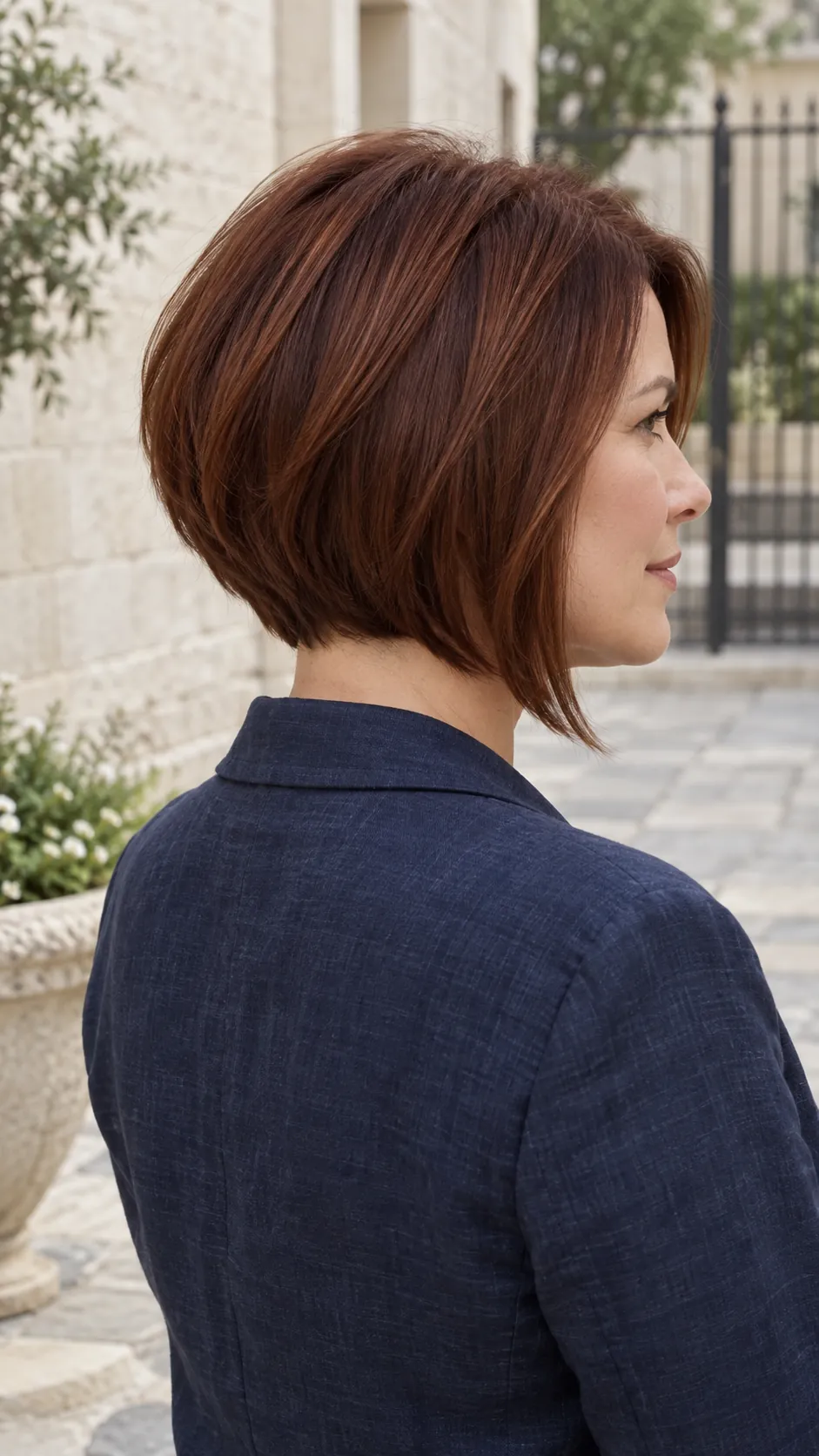
A Short Nape With a Sharp Jaw Point
A short nape and a front point at the jaw create a stronger side contrast. Agree on the amount of neck exposure before the back is cut. The front point should have enough hair to remain part of a substantial line. Ask how the shorter nape will behave around your natural growth direction.
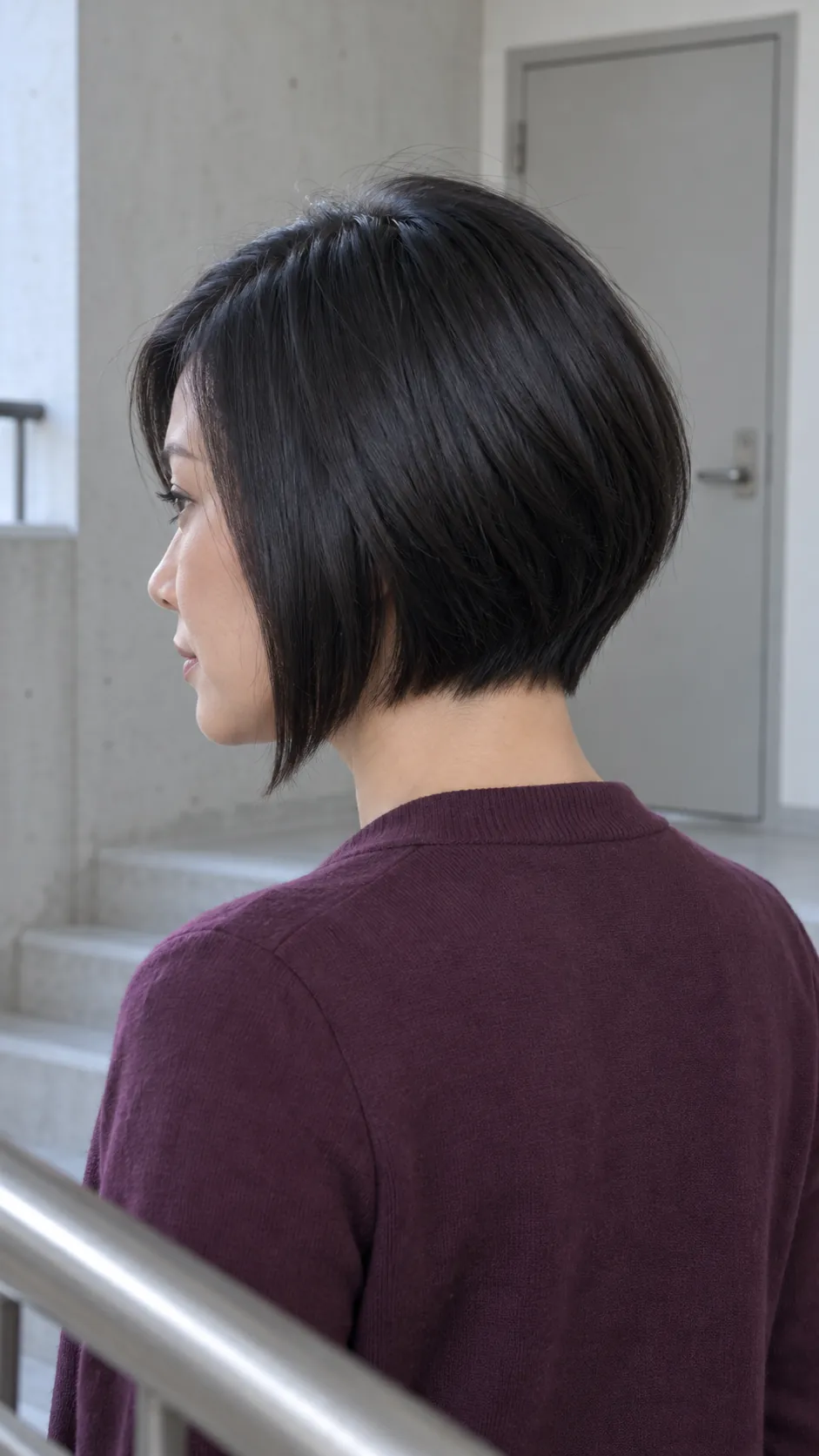
A Dramatic Angle With Collarbone Fronts
Long front sections against a much shorter rear make the slope unmistakable. This is a major silhouette choice, so use a side image that shows the full length difference. Consider whether the front will catch your collar or need more regular styling. Avoid treating a dramatic reference as a small variation of a level bob.

An Angled Bob With One Longer Side
Unequal side lengths add asymmetry to the angle from back to front. Make clear which side should be longer and where each front end will land. A side part can reinforce the effect, but it does not replace the actual length decision. Ask to see both profiles before the final styling hides the shorter side.
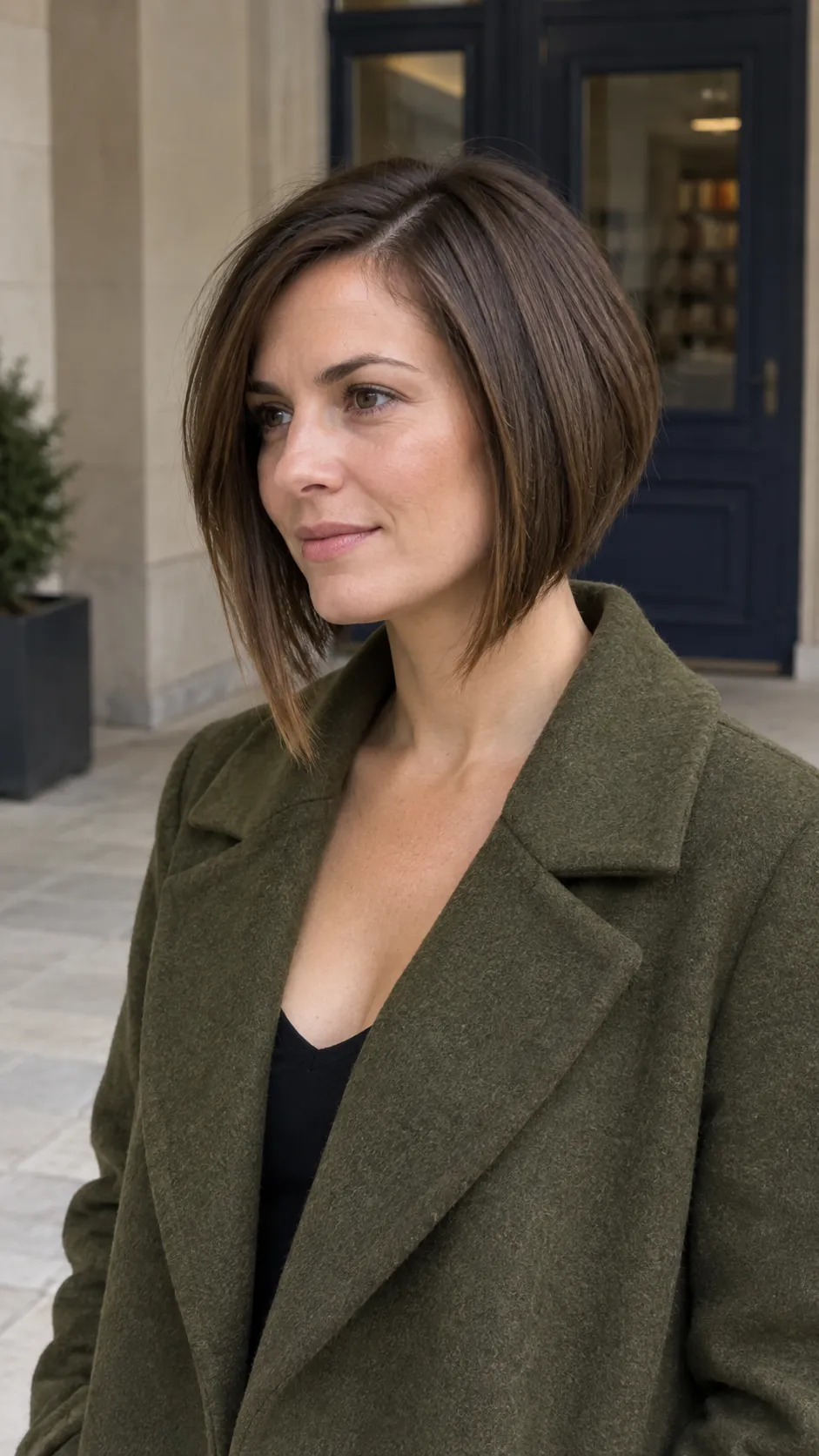
Silver Hair With a Clean Diagonal Edge
Silver and gray strands can show a diagonal cut line clearly without a high gloss finish. Choose the slope for the way your texture settles and the length you want to maintain. If the front grows differently from the nape, point that out at the consultation. Keep smoothing product restrained so the natural strand variation remains visible.

A Relaxed Angle That Works With Your Routine
The strongest reference is useful only if its styling suits your ordinary day. Let the part and texture settle naturally when judging the final shape. Agree on the front length, shortest rear section and amount of layering before the appointment ends. Choose the angle you can wear comfortably, rather than a dramatic point you only like in one photograph.